
Pruning
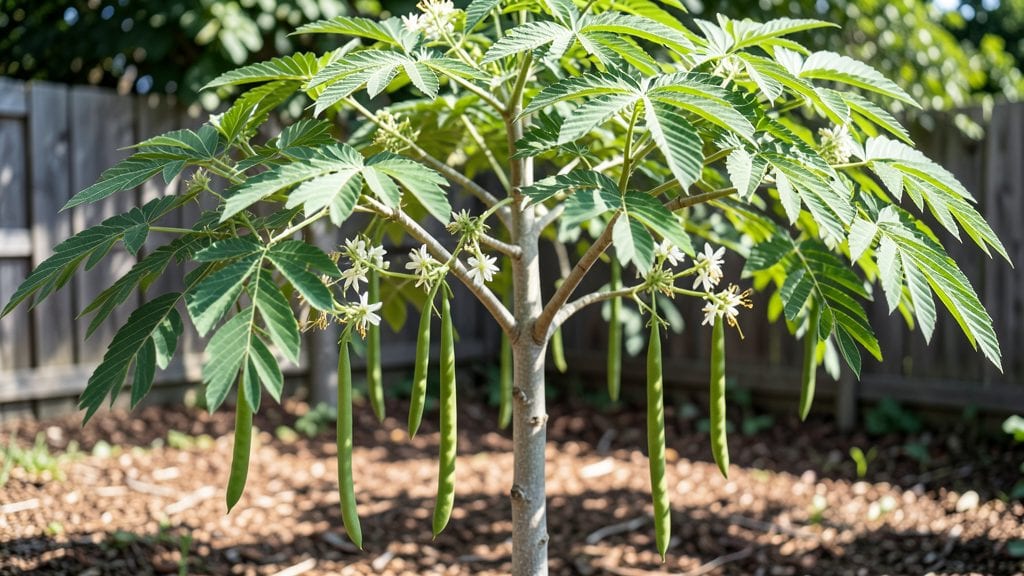
Caring for a moringa oleifera tree in colder climates starts with one simple truth: pruning isn’t just about shaping—it’s about survival. 🌱 I’ve grown moringa in Zone 6 for three years, and the trees that thrive through winter share one key habit: aggressive pruning before the first frost.
The leaves may look like delicate lace, but this tree’s wood is tougher than it appears, and smart cuts keep it producing edible leaves even when snow falls.
You’ll need sharp pruners, a sunny spot with at least 6 hours of light daily, and well-draining soil (sandy loam works best). Moringa hates soggy roots, so raised beds or containers with drainage holes are your friends—especially if you’re growing indoors near a south-facing window.
The tree grows 3–10 feet tall depending on pruning, but it’s the younger, more frequently pruned branches that pack the most nutrients. Think of it like a salad factory that keeps churning out leaves if you keep it trimmed.
By pruning 2–3 times a year—once in early spring, again in late summer, and a light trim before winter—you’ll end up with a tree that looks like a bush and produces harvestable leaves year-round.
The first flush of new growth after pruning is especially tender, perfect for stir-fries or medicinal teas. Even in winter, a well-pruned moringa will push out fresh shoots if you protect it with row covers or a cold frame during hard freezes.
Here’s the secret most gardeners miss: moringa’s growth isn’t just fast—it’s relentless when you prune correctly. The more you cut, the bushier it gets, and the more leaves you harvest.
Whether you’re growing it outdoors in a warm microclimate or indoors under grow lights, the same rules apply: prune to encourage branching, and never let it get leggy. That’s how you turn a tropical tree into a cold-hardy powerhouse.
📚 In This Guide
- What you need
- Instructions
- Tips and common mistakes
- Wrapping up and next steps
What you need
- ● Moringa seeds or seedlings: High-quality, organic seeds (or young plants) from a trusted supplier. Aim for 5-10 seeds if starting from scratch.
- ● Well-draining soil: A mix of 60% potting soil + 30% perlite/sand + 10% compost. Moringa hates soggy roots!
- ● Containers or garden bed: For pots: 5-gallon+ containers with drainage holes (moringa grows fast!).
- ● For ground planting: Choose a spot with 6+ hours of sunlight and space to spread (up to 10 feet wide).
- ● Pruning tools: Bypass pruners (for small branches).
- ● Loppers (for thicker stems, up to 1.5 inches).
- ● Sterilized saw (for large branches, if needed).
- ● Mulch: 2-3 inches of organic mulch (straw, wood chips) to retain moisture and regulate soil temp.
- ● Fertilizer: Balanced organic fertilizer (e.g., 10-10-10 NPK) or compost tea. Feed every 4-6 weeks during growing season.
- ● Watering can or hose: With a gentle spray nozzle to avoid damaging young leaves.
- ○ Cold protection (optional but helpful): Frost cloth or row covers for temps below 32°F (0°C).
- ● Greenhouse or indoor grow lights for overwintering in colder climates.
- ● 🌡️ Soil thermometer: Moringa thrives in 70-85°F (21-29°C) soil. Monitor temps to avoid cold shock!
- ● ✨ pH test kit: Ideal soil pH is 6.0-7.5. Adjust with lime (to raise pH) or sulfur (to lower) if needed.
- ● 🔄 Seedling heat mat: Speeds up germination if starting indoors (75-85°F (24-29°C) is ideal).
Step-by-Step guide to cold-hardy moringa oleifera tree care
Here’s how to keep your moringa thriving through seasonal shifts—pruning techniques that boost resilience.
🌱 Step 1: Assess Growth and Identify Pruning Zones
Start by examining your moringa’s structure in early spring, just as new growth begins. Look for woody stems (these are your pruning targets) and tender green shoots (leave these alone—they’re your plant’s future). Moringa responds best to light pruning—never remove more than one-third of the canopy at once. Focus on removing dead or crossing branches first; these compete for nutrients and invite pests.
Use sharp, sterilized pruning shears to make clean cuts just above a leaf node or bud, angled slightly away from the branch. This ensures water runs off properly and prevents rot. If you’re unsure which branches to trim, prioritize those growing inward or rubbing against others—these will weaken the tree over time.
☀️ Step 2: Time Pruning for Cold Protection
Moringa is tropical at heart but can tolerate brief cold snaps if prepped correctly. The key is late-winter pruning (just before last frost) to reduce foliage mass and encourage denser, cold-hardier growth. Aim for 6-8 weeks before your first frost date—this gives the tree time to recover and harden off.
If your climate dips below 30°F, protect your pruned moringa with burlap wraps or a frost cloth for 2-3 nights. Avoid heavy mulching around the base—moringa roots need airflow to prevent rot. Instead, water deeply before cold snaps to ensure the plant is hydrated but not soggy.
✂️ Step 3: Post-Pruning Care for Year-Round Growth
After pruning, fertilize lightly with a balanced organic fertilizer (10-10-10 ratio) to support new growth. Moringa is fast-growing, so it recovers quickly—but don’t overdo it. Too much nitrogen now will produce tender shoots that won’t survive cold snaps. Instead, focus on potassium and phosphorus to strengthen root systems.
Monitor for new shoots emerging from the pruned branches. These are your signal that the tree is healing. If you notice yellowing leaves or stunted growth, adjust watering—moringa prefers consistent moisture but hates soggy roots. Water at the base, avoiding wetting the foliage, to prevent fungal issues.
⏰ Step 4: Seasonal Maintenance for Cold Resilience
In summer, prune again to shape the tree and encourage airflow—this reduces humidity around leaves, cutting down on fungal risks. In fall, do a light cleanup of any dead or diseased branches before winter. Moringa can handle light frosts if pruned correctly, but never let it sit in icy conditions—even tropical plants have limits.
Here’s the thing—moringa’s cold tolerance improves with age. A mature tree (3+ years) handles cooler temps better than a young sapling. If you’re in a Zone 8 or warmer, you might even get year-round growth with proper pruning. For colder zones, treat it as an annual pruning ritual—spring and fall adjustments keep it thriving.
Tips & tricks for perfect cold-hardy moringa pruning
These essential strategies will help you transform your tropical moringa into a resilient, cold-tolerant powerhouse—without sacrificing its vigorous growth.
Pruning Precision: In Step 1, when identifying woody stems, look for branches that are thicker than a pencil—that's your target. These mature stems are less likely to die back in cold weather. I've seen gardeners accidentally prune too aggressively and end up with leggy, weak regrowth. Remember, you're sculpting the tree's future resilience, not just tidying it up.
Timing Secret: The 6-8 week window before your first frost is non-negotiable for cold hardening. I learned this the hard way after pruning too late in one zone 7 winter—my moringa struggled through the first frost. Mark your calendar now: find your frost date, then count backward. This timing gives your tree just enough recovery period to develop thicker bark and tougher leaves before winter.
Cold Protection Strategy: When temperatures dip below 30°F, don't just throw on any old covering. Burlap or frost cloth work best because they allow some airflow while trapping heat. I've seen people use plastic sheeting, which creates a greenhouse effect that actually makes things worse. The key is maintaining that delicate balance between warmth and ventilation—think of it like dressing your tree for winter without suffocating it.
Fertilizer Intelligence: After pruning in Step 3, that 10-10-10 fertilizer ratio is crucial, but timing matters just as much. Apply it when you see those first new shoots emerging—usually about 2-3 weeks after your late-winter pruning. This gives your tree just enough boost without encouraging tender, frost-sensitive growth. I've watched moringa trees go from struggling to thriving in just one growing season after this precise timing.
Pro Tips for Moringa Oleifera Tree Care
- These essential strategies will help you transform your tropical moringa into a resilient, cold-tolerant powerhouse—without sacrificing its vigorous growth.
- Pruning Precision: In Step 1, when identifying woody stems, look for branches that are thicker than a pencil—that's your target.
- Timing Secret: The 6-8 week window before your first frost is non-negotiable for cold hardening.
Frequently asked questions
How cold can a Moringa oleifera tree tolerate before it dies?
The Moringa oleifera tree is tropical and thrives in USDA zones 10-11. It can survive brief dips to 30–32°F (-1 to 0°C), but prolonged exposure below 28°F (-2°C) risks leaf damage or death. In colder climates, grow it in containers and move it indoors or under cover during winter.
When is the best time to prune Moringa oleifera for maximum growth?
Prune your Moringa oleifera tree early spring (before new growth) or late winter to encourage vigorous regrowth. Avoid heavy pruning in fall—it may stress the tree before winter. Light trimming to shape or remove dead branches can happen year-round, but avoid pruning in extreme heat to prevent shock.
Can I grow Moringa oleifera from cuttings instead of seeds?
Yes! Moringa oleifera roots easily from semi-hardwood cuttings (4–6 inches long). Dip the cut end in rooting hormone, plant in moist potting mix, and keep in bright, indirect light with high humidity. Roots typically form in 2–4 weeks. This method is faster than growing from seed and preserves the parent tree’s traits.
What pests or diseases should I watch for in my Moringa oleifera tree?
Common pests include aphids, mealybugs, and spider mites, which thrive in dry conditions. Treat with neem oil or insecticidal soap. Fungal issues like powdery mildew may appear in humid climates—improve airflow and avoid overhead watering. Yellowing leaves can signal overwatering or nutrient deficiency (try a balanced fertilizer).
Is Moringa oleifera safe to grow near homes or in small yards?
While mature trees can reach 20–30 feet tall, they grow slowly and can be kept smaller with regular pruning. They’re non-invasive, drought-tolerant once established, and their fragrant flowers attract pollinators. Just ensure it has 6+ hours of sunlight daily and well-draining soil.
Wrapping up and next steps
Caring for your moringa oleifera tree doesn’t have to be complicated—with the right pruning techniques, you can ensure year-round growth and a thriving plant, even in cooler climates! 🌱 From cold-hardy trimming to strategic harvesting, these steps will keep your tree healthy and productive.
Whether you’re a beginner or a seasoned gardener, consistent care is the key to unlocking moringa’s full potential.
Ready to harvest your rewards? Start by observing your tree’s response to pruning—adjust your approach as needed—and soon, you’ll be enjoying fresh leaves packed with nutrients. 🌿 Next up: Learn how to maximize your harvest for peak flavor and nutrition!