
Trees
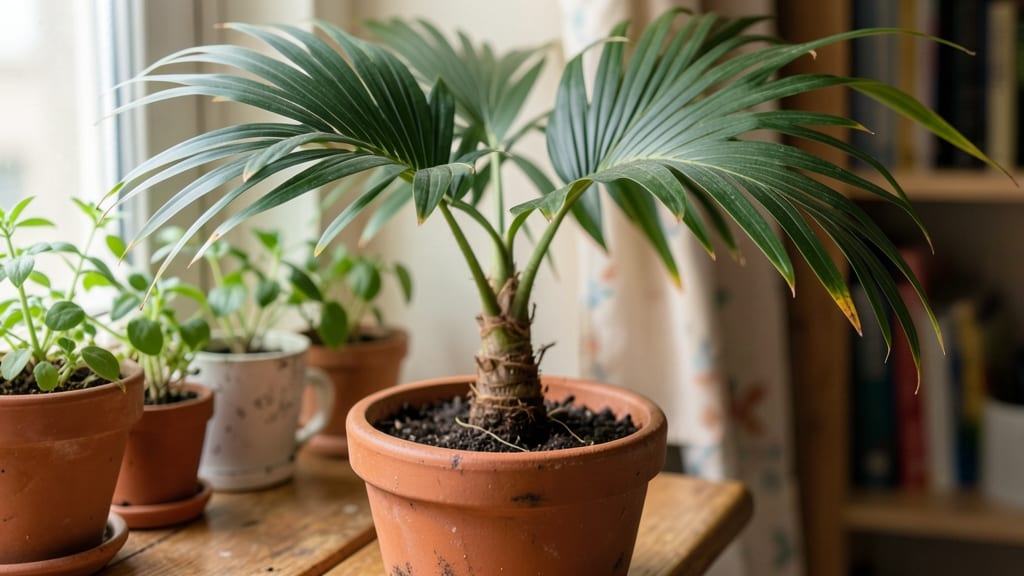
Growing a miniature palm tree plant in your home or patio is like bringing a tropical vacation indoors—without the jet lag.
These tiny giants thrive in spaces where full-size palms would flounder, and with the right care, they’ll reward you with lush, feathery fronds that feel like a vacation every day.
The key isn’t just the right pot or soil; it’s creating that perfect microclimate of warmth, humidity, and bright, indirect light that mimics their natural habitat.
You’ll need a 6- to 12-inch container with drainage, a well-draining potting mix (think peat moss, perlite, and sand), and a spot where temperatures stay between 65°F and 85°F. Watering is the trickiest part—keep the soil slightly moist but never soggy, or you’ll risk root rot.
A humidity tray or occasional misting keeps those fronds happy, especially in dry winter air. And while they love bright light, direct sun can scorch their delicate leaves, so a east- or west-facing window is ideal.
With the right setup, your miniature palm will grow 1-2 feet tall in a year, staying compact enough for shelves, patios, or even as a statement piece in a small courtyard.
The varieties like Chamaedorea elegans (parlor palm) or Dypsis lutescens (bamboo palm) are foolproof for beginners, but even fussy types like Rhapis excelsa (lady palm) adapt well when given consistent care. Pruning is minimal—just trim dead fronds at the base with clean scissors, and you’re good to go.
Whether you’re filling a sunny corner indoors or adding tropical flair to a balcony, these palms are the ultimate small-space solution. They clean the air, add drama without bulk, and—best of all—they’ll outlive most houseplants if you nail the basics.
Ready to turn your space into a mini jungle? Let’s get growing.
📚 In This Guide
- What you need
- Instructions
- Tips and common mistakes
- Wrapping up and next steps
What you need
- ● Miniature palm tree plant: Choose a dwarf variety like Chamaedorea elegans (parlor palm) or Dypsis lutescens (bamboo palm) from a nursery or online retailer.
- ● Container or pot: 1–2 small pots (6–12 inches in diameter) with drainage holes. Terracotta or ceramic works best for aesthetics and airflow.
- ● Well-draining potting mix: 1 bag (5–10 quarts) of a palm-specific or cactus/succulent mix blended with perlite or orchid bark (ratio: 60% mix, 40% perlite/bark).
- ● Drainage material: Small pebbles, gravel, or broken pottery pieces (1–2 inches layer) for the pot’s base.
- ● Watering can: 1 with a narrow spout for precise hydration.
- ● Fertilizer: 1 bottle of balanced liquid fertilizer (e.g., 20-20-20) or a slow-release palm fertilizer.
- ● Humidity tray: A shallow tray with pebbles and water to boost moisture levels.
- ● Grow lights: LED or fluorescent lights (if placing indoors with low natural light).
- ● Pruning shears: Small, sharp pair for trimming yellow fronds or shaping.
- ● Decorative accents: Moss, pebbles, or decorative stones for a polished look.
- ● Support stakes: If your palm grows tall, lightweight bamboo stakes can provide stability.
Step-by-step guide to growing a miniature palm tree plant
Transform your small space into a tropical oasis with these elegant, low-maintenance plants that thrive in containers.
Select the Right Miniature Palm Variety
Choose a dwarf palm species like the Pygmy Date Palm (Phoenix roebelenii) or Parlor Palm (Chamaedorea elegans)—both grow 3-6 feet tall at maturity, perfect for indoor spaces. These varieties tolerate lower light conditions better than their larger counterparts, making them ideal for apartments or cozy corners. Avoid tropical palms like the Areca, which require high humidity and bright, indirect light.
Purchase a healthy 4-6 inch plant from a reputable nursery. Look for a specimen with bright green fronds and no brown tips—a sign of underwatering or low humidity. The pot should feel lightweight when lifted, indicating the roots aren’t bound yet. If the plant arrives with yellowing fronds, trim them immediately with clean, sharp scissors to encourage new growth.
Prepare the Container and Soil Mix
Select a container with drainage holes—terracotta pots work best because they wick away excess moisture, preventing root rot. For 4 miniature palms, use 6-8 inch pots to give each plant enough room to establish its root system. If repotting, choose a pot 2-3 inches larger in diameter than the current container to avoid overwhelming the plant.
Fill the pot with a well-draining potting mix designed for palms or tropical plants. I blend 50% peat moss, 30% perlite, and 20% coarse sand to ensure proper aeration. Moisten the mix until it feels slightly damp—like a wrung-out sponge—before planting. Avoid garden soil, which compacts easily and suffocates roots.
Plant and Position for Optimal Growth
Gently remove the palm from its nursery pot and loosen the roots if they appear circled or tangled. Place the plant in the center of the new container and backfill with the prepared soil mix, pressing lightly around the base to secure it. Leave ½ inch of space between the soil surface and the pot’s rim to allow for watering without overflow.
Position your miniature palm in bright, indirect light—near an east or north-facing window is ideal. These palms tolerate moderate light, but avoid direct afternoon sun, which can scorch the fronds. If you notice new fronds emerging pale or stretched, the plant isn’t getting enough light. Rotate the pot quarter-turn weekly to encourage even growth and prevent the plant from leaning toward the light source.
Establish a Watering and Humidity Routine
Water your miniature palm once a week, allowing the top 1-2 inches of soil to dry out between waterings. Overwatering is the most common killer of these plants—stick your finger into the soil to check moisture levels. If the soil feels damp but not soggy, wait another day before watering. Use room-temperature water to avoid shocking the roots, and empty the saucer beneath the pot 30 minutes after watering to prevent root rot.
Miniature palms thrive in 50-70% humidity, which is often lower in indoor environments. Increase humidity by placing the pot on a pebble tray filled with water or grouping plants together. Mist the fronds 2-3 times weekly with a spray bottle, but avoid wetting the crown where fronds meet the stem—this can lead to fungal issues. A small humidifier near the plant also works wonders, especially in dry climates.
Fertilize and Prune for Long-Term Health
Feed your miniature palm every 4-6 weeks during the growing season (spring and summer) with a balanced, water-soluble fertilizer diluted to half strength. I use a 10-10-10 formula to provide equal parts nitrogen, phosphorus, and potassium. Reduce fertilization in fall and winter, when growth slows. Flush the soil with water once a month to prevent salt buildup from fertilizer residues.
Prune yellow or brown fronds as soon as they appear using sterilized scissors—this redirects the plant’s energy to new growth. Cut fronds at the base, just above the stem, and discard them immediately. Avoid pruning healthy fronds, as this can stress the plant. If your palm develops long, leggy stems, it’s a sign of insufficient light. Move it to a brighter spot and reduce watering slightly to encourage bushier growth.
Tips & tricks for perfect miniature palm tree plant care
These game-changing tips will help your miniature palm thrive and transform your space into a lush, tropical retreat.
Selection Tip: When choosing your dwarf palm, pay special attention to the roots—healthy specimens will have a dense, fibrous root ball with no visible signs of rot or mushy texture. The 4-6 inch size range is ideal because these plants establish more quickly in their new containers, reducing transplant shock. I always look for plants with at least 3-4 mature fronds—this indicates the plant has already passed its initial growth phase and is more resilient.
Soil Mix Secret: The 50-30-20 peat moss-perlite-sand blend is non-negotiable for proper aeration, but here's the pro move: add ½ cup of worm castings to the mix before planting. This boosts microbial activity in the soil, helping your palm absorb nutrients more efficiently. The castings also improve moisture retention without risking root rot, which is crucial for these moisture-sensitive plants.
Light Positioning Strategy: For the bright, indirect light requirement, I recommend placing your palm near an east-facing window during summer months—this provides gentle morning light without the intense afternoon sun. In winter, when natural light is scarce, supplement with a full-spectrum grow light placed 12-18 inches above the plant for 4-6 hours daily. This mimics natural conditions and prevents that dreaded "leggy" growth pattern caused by insufficient light.
Watering Wisdom: The once-a-week watering schedule works best when you check soil moisture at the same time each week. I use my finger to test down to 2 inches deep—if it feels dry, water thoroughly until it runs out the drainage holes. The 30-minute saucer emptying is crucial: standing water in saucers creates anaerobic conditions that promote root rot. For extra insurance, I place a layer of ½-inch pebbles at the bottom of the pot before adding soil—this creates additional air space for roots and improves drainage.
Pro Tips for Miniature Palm Tree Plant
- These game-changing tips will help your miniature palm thrive and transform your space into a lush, tropical retreat.
- Selection Tip: When choosing your dwarf palm, pay special attention to the roots—healthy specimens will have a dense, fibrous root ball with no visible signs of rot or mushy texture.
- Soil Mix Secret: The 50-30-20 peat moss-perlite-sand blend is non-negotiable for proper aeration, but here's the pro move: add ½ cup of worm castings to the mix before planting.
Frequently asked questions
Got questions about keeping your miniature palm tree plant thriving? You’re not alone! Here are some of the most common queries—plus quick, practical answers to help you care for your tiny tropical beauty with confidence.
How often should I water my miniature palm tree?
Water your miniature palm when the top 1–2 inches of soil feel dry to the touch. Overwatering is the #1 killer—these palms prefer moderate moisture but hate soggy roots. In warm months, water every 7–10 days; reduce to every 2–3 weeks in winter. Pro tip: Use a pot with drainage holes to prevent root rot!
Can miniature palms survive indoors year-round?
Most varieties thrive indoors as long as they get bright, indirect light (like near a south or east-facing window). Keep temps between 65–85°F—avoid drafts or cold windows. If leaves yellow, it’s likely low light or overwatering. A humidifier helps in dry climates!
What’s the fastest way to propagate a miniature palm?
Propagation is tricky for palms, but you can try division if your plant has multiple stems. Gently separate the clumps, ensuring each has roots, then replant in fresh soil. Success rate: 50–70% with patience! For pups (baby palms), wait until they’re at least 6 inches tall before transplanting.
Why are my palm’s leaves turning brown or yellow?
| Issue | Likely Cause | Fix |
|---|---|---|
| Brown tips | Low humidity or fluoride in tap water | Mist leaves or use distilled water |
| Yellow edges | Overwatering or poor drainage | Let soil dry out; check pot holes |
| Whole leaf yellowing | Too much sun or nutrient deficiency | Move to indirect light; fertilize lightly |
What’s the best container size for a miniature palm?
Start with a pot 2–3 inches larger than the root ball to give roots room to grow. Most miniature palms stay happy in 6–12-inch containers long-term. Use a well-draining mix (cactus soil + perlite) and upgrade pots every 2–3 years if roots outgrow it. Pro tip: Terracotta pots help prevent overwatering!
Wrapping up and next steps
Bringing a touch of tropical charm to your space has never been easier! A miniature palm tree plant is the perfect blend of elegance and practicality, thriving in containers and small areas with minimal fuss.
Whether you’re a seasoned plant parent or just starting, these compact beauties offer low-maintenance joy and a pop of natural beauty—no green thumb required!
Ready to transform your space? Start small—pick your favorite variety, gather your supplies, and give it a try! With the right care, your tiny palm will grow into a stunning centerpiece that’s as rewarding as it is easy. Happy planting! 🌿✨