Pruning
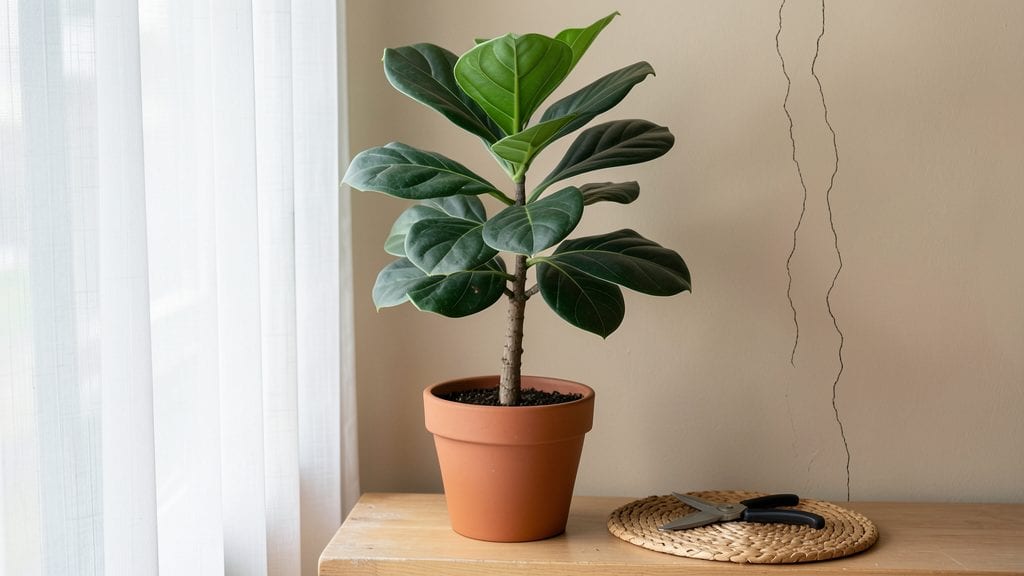
A small ficus tree, like the Ficus microcarpa and Ficus benjamina 'Exotica,' proves you don’t need a jungle to grow a statement plant—these compact varieties thrive in apartments, offices, and sunrooms, even when space is tight. 🌿 I’ve kept mine under 3 feet tall for years by mastering a few simple tricks that most care guides miss.
The secret isn’t harsh pruning—it’s light control, strategic watering, and the right soil mix. Too much sun stretches them out; too little water stresses their roots. My plants stay bushy and slow-growing because I mimic their natural habitat: bright, indirect light and slightly dry soil.
The right pot size (just 1-2 inches bigger than the root ball) also keeps growth in check.
You’ll end up with glossy, dark-green leaves that stay vibrant year-round, even in dry indoor air. These ficus varieties resist pests better than their larger cousins, and their compact shape makes them perfect for shelves, desks, or small tables.
The best part? They bounce back from occasional neglect—ideal for busy gardeners.
Works equally well indoors or on shaded patios, and the same care routine applies to both. Let’s get yours thriving in no time—without the fuss of giant houseplants.
📚 In This Guide
- What you need
- Instructions
- Tips and common mistakes
- Wrapping up and next steps
What you need
- ● Small ficus tree (e.g., Ficus microcarpa "Ginseng" or Ficus benjamina "Exotica" – choose a dwarf variety for compact growth).
- ● Well-draining potting mix (5–10 gallons, depending on pot size). Mix 2 parts peat or coconut coir, 1 part perlite, and 1 part orchid bark for aeration.
- ● Pot with drainage holes (12–16 inches in diameter for mature small trees; 6–8 inches for young plants).
- ● Watering can with a narrow spout (to avoid overwatering).
- ● Balanced liquid fertilizer (e.g., 10-10-10 or 20-20-20, diluted to half-strength).
- ● Pruning shears (sterilized, sharp, and bypass-style for clean cuts).
- ○ Rooting hormone (optional but helpful for propagating cuttings).
- ● Glove (to protect hands from sap, which can irritate skin).
- ● Spray bottle (for misting leaves and increasing humidity).
- ● Grow lights or LED bulb (if natural light is limited; 6,000–10,000 lux recommended).
- ● Humidity tray or pebble tray (to maintain 40–60% humidity).
- ● Support stake or trellis (for varieties that may need shaping or climbing).
- ● Pruning sealant (to prevent sap oozing after cuts).
Step-by-step guide to growing a compact ficus tree indoors
Here’s how I keep my small ficus thriving in tight spaces—no green thumb required.
🌱 Step 1: Select the Right Variety and Container
Start with a dwarf ficus variety like the Ficus microcarpa or Ficus benjamina ‘Little Gem’—both stay under 6 feet with proper pruning. Choose a container 2-3 inches wider than the root ball to encourage compact growth. Terracotta pots help regulate moisture, but plastic works too if you’re diligent about watering.
Look for a pot with drainage holes—ficus roots rot quickly in soggy soil. If repotting, pick a container just 1 size larger than the current one. The goal is to slow root expansion, which keeps the tree small. I always use a cache pot (a decorative outer pot with a removable inner one) for a polished look without sacrificing drainage.
☀️ Step 2: Position for Bright, Indirect Light
Ficus trees need bright, indirect light to stay compact and lush. Place yours near an east- or north-facing window where sunlight is gentle. If your space is dim, supplement with a grow light for 12-14 hours daily. Too little light causes leggy growth, while direct sun burns leaves.
Rotate the pot a quarter turn weekly so the tree grows evenly. You’ll notice leaves tilting toward the light? That’s your cue to move it closer or add a light source. Avoid drafts—cold air weakens the tree and stunts growth. A consistent temperature between 65-75°F keeps it happy and compact.
💧 Step 3: Water Deeply but Sparingly
Water your ficus when the top 1-2 inches of soil feel dry. Stick your finger in—if it’s damp, wait another day. Overwatering is the #1 killer of small ficus trees. I use the "soak-and-dry" method: water until it drains from the bottom, then empty the saucer to prevent root rot.
Let the soil dry out completely between waterings in winter when growth slows. Yellowing leaves? That’s often overwatering. Brown edges? Usually underwatering or dry air. Mist the leaves weekly in dry climates to mimic humidity, but avoid soggy soil—ficus roots need air too.
✂️ Step 4: Prune Strategically for Compact Shape
Prune in early spring before new growth starts. Use clean, sharp pruners to cut just above a leaf node (the bump where leaves grow). This encourages bushier growth. Trim back leggy stems to half their length—the tree will fill in quickly with new branches.
Shape the tree by pinching back new growth tips in summer. You’ll see tiny leaves at the ends of branches? Those are perfect spots to snip to encourage fuller growth. Avoid heavy pruning in fall or winter—it stresses the tree when it’s dormant. Wipe pruners with rubbing alcohol between cuts to prevent disease.
🪴 Step 5: Fertilize Lightly for Healthy Growth
Feed your ficus once a month in spring and summer with a balanced liquid fertilizer (like 10-10-10). Dilute it to half-strength—ficus trees are sensitive to salt buildup. Stop fertilizing in fall and winter when growth slows. Over-fertilizing causes leaf burn and stunted growth.
I mix a slow-release fertilizer into the soil at planting time for a steady nutrient supply. Flush the soil every 3 months with plain water to wash out excess salts. Yellow leaves with brown tips? That’s a sign you’re overdoing it. Reduce fertilizer and water more carefully.
Tips & tricks for perfect compact ficus growth
A few simple tricks will help you keep your small ficus thriving in tight spaces without the guesswork.
Container Selection: When choosing your cache pot, make sure the inner pot has drainage holes—this is non-negotiable for ficus health. I like to use terracotta for better moisture control, but if you choose plastic, be extra vigilant about watering. The 2-3 inch wider rule for containers is key: it gives roots room to grow without encouraging rapid height increases. Pro tip: Place small pebbles in the cache pot saucer before adding the inner pot to improve drainage and prevent root rot.
Light Positioning: That 12-14 hours of grow light is critical, but placement matters just as much. If your tree starts leaning toward one window, it's getting too much light from one direction. Try placing it at a slight angle to distribute light more evenly. For east-facing windows, you might only need supplemental light in winter months when sunlight is weaker. Watch for brown leaf tips—this is your first sign of too much direct sun.
Pruning Timing: Early spring pruning is your secret weapon for compact growth. When you trim back those leggy stems to half their length, you're not just shaping the tree—you're forcing it to grow bushier. Here's what nobody tells you: after pruning, give your ficus a light fertilizer boost (half-strength) to help it recover and fill out. And always sterilize your pruners between cuts—rusty tools can introduce diseases that stunt growth.
Watering Wisdom: The "soak-and-dry" method is perfect, but here's the trick: let the water run through completely before putting the tree back in its cache pot. If water sits in the saucer for more than 15 minutes, it's time to adjust your watering. In winter, when growth slows, let the top 3 inches of soil dry out completely between waterings—this prevents the classic overwatering issues that cause yellow leaves. A moisture meter is worth the investment if you're unsure about soil moisture levels.
Pro Tips for Ficus Tree Small
- A few simple tricks will help you keep your small ficus thriving in tight spaces without the guesswork.
- Container Selection: When choosing your cache pot, make sure the inner pot has drainage holes—this is non-negotiable for ficus health.
- Light Positioning: That 12-14 hours of grow light is critical, but placement matters just as much.
Frequently asked questions
How often should I prune my small ficus tree to keep it compact?
Prune your ficus 2–3 times a year to encourage bushier growth and maintain its small size. Focus on trimming leggy stems or overgrown branches in spring or early summer—this gives the tree time to recover before winter dormancy. Use clean, sharp shears and seal cuts with cinnamon powder to prevent disease. Pro tip: Pinch back new growth tips occasionally for a fuller shape!
Can I grow a ficus tree small in a tiny apartment with limited sunlight?
Opt for dwarf varieties like Ficus microcarpa ‘Ginseng’ or Ficus benjamina ‘Exotica’, which thrive in bright, indirect light (even east-facing windows). If natural light is scarce, supplement with a grow light 12–14 hours daily. Keep the pot small (10–12 inches max) and rotate it weekly for even growth. Fun fact: Ficus trees are adaptable—just avoid drafts or cold spots!
Why is my small ficus dropping leaves, even though I’m watering it?
Leaf drop is usually a sign of overwatering, underwatering, or stress. Let the top 1–2 inches of soil dry out between waterings, and ensure the pot has drainage holes. Other culprits? Sudden temperature changes, drafts, or low humidity. Mist the leaves occasionally or place a pebble tray under the pot to boost moisture. Quick fix: Move it to a stable spot and adjust watering—patience is key!
How can I propagate my small ficus tree to create more compact plants?
Propagate with stem cuttings in water or soil! Take 4–6 inch cuttings just below a node, dip in rooting hormone (optional), and place in water or moist potting mix. Keep in bright, indirect light and maintain humidity (a plastic bag works!). Roots should form in 4–8 weeks. Once rooted, transplant into small pots with well-draining soil. Bonus: Use the cuttings to create a bonsai-style tree!
Are there any small ficus alternatives that are easier to maintain?
If ficus care feels tricky, try these low-maintenance small trees:
- Snake Plant (Sansevieria): Thrives in low light, drought-tolerant.
- ZZ Plant (Zamioculcas zamiifolia): Nearly indestructible, grows slowly.
- Ponytail Palm (Beaucarnea recurvata): Stores water, needs minimal watering.
- Dwarf Umbrella Tree (Schefflera arboricola): Compact, loves indirect light.
Wrapping up and next steps
Growing a small ficus tree indoors is a rewarding way to bring nature’s elegance into your space—without the bulk! 🌿 With the right pruning techniques, lighting, and care, you’ll keep your plant lush, healthy, and perfectly sized for any room.
Remember, consistency is key: trim regularly, monitor growth, and don’t hesitate to troubleshoot common issues like yellowing leaves or leggy stems.
Ready to level up your green thumb? Start by observing your ficus this week—note its growth patterns and adjust your care routine as needed. Whether you’re a pruning pro or a beginner, every small step makes a big difference. Happy growing! 🌱