Pruning
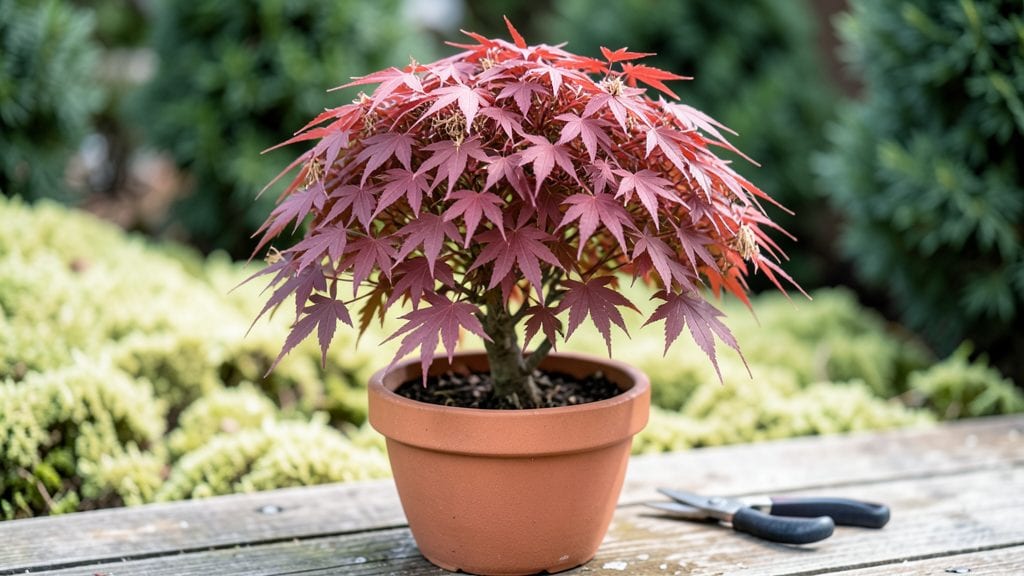
Growing a miniature maple tree is like cultivating a living piece of autumn art—delicate, resilient, and perfectly scaled for small spaces. 🌿 The Pacific Northwest’s cool climate actually makes these trees thrive, especially when you master frost-resistant pruning to keep their iconic lace-like branches healthy year after year.
My first Acer palmatum nearly froze its first winter, but after adjusting my pruning timing, it’s now a showstopper that turns brilliant red by November.
These trees are fuss-free once you nail the basics: well-draining soil, 6+ hours of morning sun, and moderate water (they hate soggy roots).
Varieties like ‘Bloodgood’ or ‘Emperor I’ handle our region’s damp winters beautifully, but the real secret is pruning in late winter—just before buds swell—to encourage dense, cold-hardy growth. Even in containers, they’ll reward you with 3-4 feet of graceful height in just a few years.
What you’ll end up with is a tree that doubles as a conversation piece and a wildlife magnet—hummingbirds adore their spring flowers, and the fall foliage outshines any store-bought display.
The key is light shaping cuts (never heavy thinning) and protecting tender new growth with a breathable frost cloth during unexpected freezes. Your neighbors will ask how you got such a “mature” tree in such a tiny spot.
Whether you’re tucking one into a courtyard or training it as a bonsai-style accent, these maples adapt beautifully. The same care works for both in-ground plantings and large containers—just watch for root-bound stress in pots and refresh the soil every 2-3 years.
Ready to turn your yard into a mini Japanese garden? Let’s get those shears sharp.
📚 In This Guide
- What you need
- Instructions
- Tips and common mistakes
- Wrapping up and next steps
What you need
- ● Miniature Maple Seedling: 1–3 Japanese maple (Acer palmatum) or snake bark maple (Acer capillipes) seedlings (3–6 inches tall).
- ○ Optional: Pre-grown bonsai maple (1–2 years old) for faster results.
- ● Growing Containers: 1–3 1–2 gallon nursery pots with drainage holes (terracotta or plastic).
- ○ Optional: Decorative bonsai tray or cachepot for aesthetics.
- ● Soil Mix: 1 bag well-draining bonsai or cactus mix (or DIY: 50% peat moss, 30% perlite, 20% coarse sand).
- ● Pruning Tools: 1 pair sharp bonsai scissors (for fine cuts).
- ● 1 concave cutter (for thicker branches).
- ● 1 root hook (for soil adjustments).
- ● Frost Protection: 1–2 frost cloths (for winter in PNW zones 7–9).
- ○ Optional: Miniature tree blanket or bubble wrap for extra insulation.
- ● Slow-release fertilizer (balanced 10-10-10 or bonsai-specific).
- ● Humidity tray or pebble tray for moisture retention.
- ● Wire (for wiring technique shaping—copper or aluminum, 1–2mm thick).
- ● Label tags (to track varieties if growing multiple trees).
Step-by-Step instructions for cultivating miniature maple trees
Here’s how to nurture hardy, dwarf maples that thrive in the Pacific Northwest’s cool, wet climate.
🌱 Step 1: Select the Right Variety and Site
Choose a dwarf cultivar like Acer palmatum ‘Seiryu’ or Acer japonicum ‘Aconitifolium’—both tolerate frost and stay compact. Plant in full sun to partial shade (6+ hours of light daily) with well-draining soil (pH 5.0–7.0). Avoid low spots where cold air pools, as these trees hate soggy roots.
Dig a hole twice as wide as the root ball but no deeper. Loosen the sides of the hole to encourage root spread. If your soil is heavy clay, amend with 2–3 inches of compost mixed into the native soil. This improves drainage while retaining moisture—critical for Pacific Northwest winters.
☀️ Step 2: Plant and Mulch for Winter Protection
Position the tree so the top of the root ball sits level with the ground—burying too deep suffocates roots. Backfill with native soil, firming gently to eliminate air pockets. Water deeply to settle the soil, then apply 3–4 inches of organic mulch (wood chips or shredded bark) around the base, keeping it 6 inches away from the trunk.
Mulch acts as insulation, protecting roots from freeze-thaw cycles common in the PNW. Replenish mulch annually in late fall to maintain a 3-inch layer. Avoid synthetic mulches—they trap too much moisture and invite rot.
✂️ Step 3: Prune for Structure and Frost Resilience
Prune late winter to early spring (just before buds swell) to remove dead, crossing, or weak branches. Use clean, sharp pruners to make cuts at a 45-degree angle just above a bud or lateral branch. Never leave stubs—they invite disease.
Thin the canopy to open it up for airflow, reducing frost pocket risks. Aim for a balanced shape with no branches rubbing. For young trees, limit pruning to no more than 25% of the foliage—over-pruning stresses them in the PNW’s damp climate.
💧 Step 4: Water and Fertilize Strategically
Water deeply once a week during the first growing season, ensuring moisture reaches 12–18 inches down. After establishment, trees need little supplemental water, but check soil moisture in drought years (like 2023’s heat dome). Overwatering in winter causes root rot—always let the top 2 inches of soil dry before watering again.
Fertilize once in early spring with a balanced, slow-release fertilizer (10-10-10). Avoid high-nitrogen blends—they encourage soft, frost-sensitive growth. If leaves yellow in spring, it’s likely iron deficiency (common in PNW’s acidic soils), so apply chelated iron as needed.
⏰ Step 5: Monitor for Pests and Winter Prep
Inspect leaves for aphids or spider mites—spray with neem oil if detected. These pests thrive in the PNW’s humid summers. Prune out any infested branches immediately to prevent spread. Avoid chemical sprays; they harm beneficial insects like ladybugs.
Before the first hard frost, wrap young trunks with tree guard (burlap or plastic) to protect against sunscald (common in PNW’s cold snaps). Remove wrappings in early spring to prevent girdling. Mature trees (5+ years) rarely need protection—just ensure mulch is intact.
Tips & tricks for cultivating frost-resilient miniature maples
Here’s how to sidestep common pitfalls and ensure your Pacific Northwest dwarf maples thrive year after year.
Soil Prep Secret: Before planting, test your soil’s drainage by digging a hole and filling it with water. If it doesn’t drain within 30 minutes, amend with 50% more compost (up to 4 inches total) to prevent root suffocation. The PNW’s clay-heavy soils can smother roots if not properly aerated—this is especially critical for young trees still establishing their root systems.
Pruning Precision: When thinning the canopy in Step 3, focus on creating an "open vase" shape—this maximizes airflow and reduces frost pocket formation. I like to make my cuts just above a bud that faces outward on the branch; this encourages new growth in the direction you want. Remember, you’re aiming for a balanced silhouette where no single branch dominates the structure.
Mulch Maintenance: Don’t just apply mulch once and forget it! In late fall, rake back the existing mulch to check for debris or pests, then replenish with a fresh 3-inch layer. This prevents thatch buildup which can smother roots. I also like to add a handful of wood ash (from untreated wood) around the base—it slightly raises soil pH, counteracting the acidity of PNW soils without overcorrecting.
Watering Wisdom: The "deeply once a week" rule in Step 4 works best with the right technique: Use a soaker hose or drip irrigation to deliver water slowly at the base. This encourages deep root growth rather than shallow, drought-sensitive roots. In summer, water in the early morning to reduce evaporation and fungal risks from prolonged leaf wetness.
Pro Tips for Miniature Maple Tree
- Here’s how to sidestep common pitfalls and ensure your Pacific Northwest dwarf maples thrive year after year.
- Soil Prep Secret: Before planting, test your soil’s drainage by digging a hole and filling it with water.
- Pruning Precision: When thinning the canopy in Step 3, focus on creating an "open vase" shape—this maximizes airflow and reduces frost pocket formation.
Frequently asked questions
Got questions about growing a miniature maple tree in your Pacific Northwest garden? You’re not alone! Here are answers to some of the most common queries to help you cultivate a thriving, frost-resistant specimen with ease.
What’s the best time to plant a miniature maple tree in the PNW?
Plant your miniature maple in early spring or fall—when soil temperatures are cool but not frozen. This timing allows roots to establish before summer heat or winter frost. Avoid planting during extreme temperatures (below 32°F or above 90°F) to reduce transplant shock.
How do I protect my miniature maple from PNW winters?
Miniature maples are frost-hardy, but young trees benefit from extra care. Mulch the base with 3–4 inches of organic mulch (like wood chips) in late fall, and wrap the trunk with burlap or tree guard if temps drop below 10°F. Prune in late winter to avoid late-season growth that’s vulnerable to frost.
How often should I prune a miniature maple tree?
Prune once a year in late winter or early spring (before new growth starts) to shape the tree and remove dead/diseased branches. Use sterilized, sharp pruners and avoid heavy pruning—stick to no more than 25% of the canopy at a time to maintain health.
Can I grow a miniature maple tree in a container?
Yes! Choose a large container (at least 15–20 gallons) with drainage holes and use a well-draining mix (like 60% potting soil + 30% perlite + 10% compost). Move containers indoors or to a sheltered spot if temps drop below 20°F, and water sparingly in winter to prevent root rot.
Why are the leaves on my miniature maple turning yellow or dropping?
Yellow leaves often signal overwatering, nutrient deficiency, or root stress. Check soil moisture—it should be damp but not soggy. If leaves are crispy, it may be underwatering or drought stress. For persistent issues, test soil pH (ideal: 6.0–7.0**) and amend with compost or a balanced fertilizer in early spring.
Wrapping up and next steps
Growing a miniature maple tree in the Pacific Northwest is a rewarding journey that combines patience, care, and a touch of artistic flair. With the right pruning techniques—like frost-resilient shaping and strategic cuts—you’ll nurture a stunning, compact tree that thrives in your garden.
Whether you’re a seasoned gardener or just starting, this guide gives you the confidence to prune like a pro.
Ready to transform your space? Grab your pruners, roll up your sleeves, and give your miniature maple the love it deserves. Next, schedule your first pruning session in early spring—your future tree will thank you! 🌿✨