
Trees
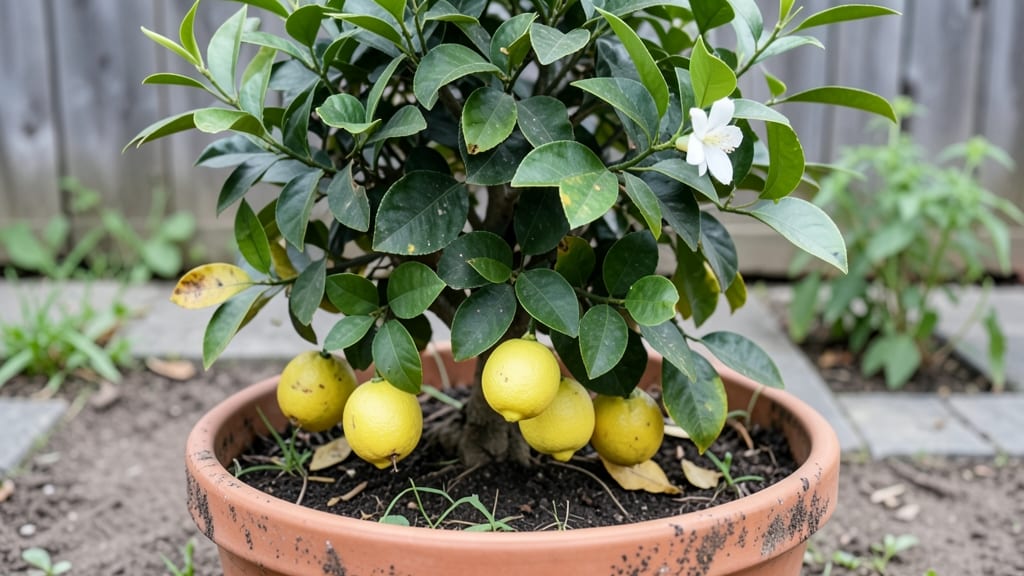
Your Meyer lemon tree leaves are the secret weapon behind that zesty tea and fragrant cooking—until yellowing, spots, or pests turn them into a problem. 🌿 I’ve spent years troubleshooting these issues, and the fixes are simpler than you’d think, starting with the right diagnosis.
Yellowing leaves often mean overwatering or nutrient deficiencies, while brown spots could signal fungal issues or pest damage. The key is checking soil moisture, leaf undersides for pests, and adjusting care routines before reaching for treatments.
A little prevention—like proper pruning and balanced fertilizing—goes a long way in keeping those leaves vibrant and productive.
📚 In This Guide
- What you need
- Instructions
- Tips and common mistakes
- Wrapping up and next steps
What you need
- ● Fresh Meyer lemon tree leaves: Harvest 1–2 cups (about 50–100 leaves) from a healthy, pesticide-free tree. Choose mature leaves (deep green, glossy, and slightly leathery).
- ● Pruning shears or clean scissors: For harvesting leaves without damaging the tree.
- ● Paper towels or clean cloth: To gently pat leaves dry and remove debris.
- ● Air-tight glass jars or containers: 1–2 jars (8 oz or 16 oz) with lids for storage (mason jars work best).
- ○ Optional preservatives (for long-term storage): Dried culinary herbs (e.g., thyme, rosemary, or bay leaves) – 1 tbsp per jar.
- ○ Citrus zest (optional, for extra flavor) – 1 tsp per jar.
- ● Baking sheet or tray: Lined with parchment paper for drying leaves.
- ● Fine-mesh strainer or cheesecloth: For rinsing leaves (if needed) or straining infused liquids.
- ○ Rubbing alcohol (70% isopropyl) and cotton swabs: To sterilize jars and tools (optional but recommended for food safety).
- ○ Food processor or mortar & pestle: For crushing dried leaves into a fine powder (optional for tea blends).
- ● A Meyer lemon tree (or access to one). Pro tip: If growing your own, ensure it’s in a warm, sunny spot (6+ hours of sunlight daily). 🌞
- ● Patience for drying leaves (2–4 weeks, depending on the method).
- ● Basic knowledge of food safety (e.g., avoiding moldy or wilted leaves).
How to harvest and use Meyer lemon tree leaves
Turn your citrus tree’s bounty into fragrant tea blends and cooking enhancers with these simple steps.
🌿 Step 1: Identify and Select Healthy Leaves
Meyer lemon leaves are at their peak flavor when they’re mature but still flexible—avoid brittle, yellowing, or wilted foliage. I look for leaves that are bright green, 3-5 inches long, and free of brown spots or pests. The best leaves grow on the outer branches, where sunlight and air circulation keep them vibrant.
Harvest in the morning after the dew dries but before the midday heat sets in. This ensures the leaves retain their essential oils and aroma. Use clean, sharp scissors or pruning shears to make a clean cut just above a leaf node—this prevents damage to the branch and encourages new growth.
🌱 Step 2: Prepare Leaves for Drying or Fresh Use
For fresh use, rinse the leaves under cool water to remove any dust or debris, then pat them dry with a clean towel. Store them in an airtight container in the fridge, where they’ll keep their flavor for up to 2 weeks. I like to bundle them loosely with a rubber band and hang them in the fridge to preserve their shape and aroma.
To dry the leaves for tea or long-term storage, tie small bundles with twine and hang them upside down in a warm, dry, and well-ventilated area. Avoid direct sunlight, which can fade the color and degrade the oils. After 1-2 weeks, the leaves should crumble easily between your fingers—this means they’re fully dried. Store in an airtight container away from light to preserve their citrusy perfume.
☀️ Step 3: Infuse Leaves for Tea or Culinary Use
For tea, steep 3-4 fresh or dried leaves in 8 ounces of hot water (just below boiling) for 5-10 minutes. The longer they steep, the stronger the citrus aroma, but don’t overdo it—bitterness can creep in after 10 minutes. Strain and enjoy the bright, floral-citrus flavor, or mix with black or green tea for a unique twist.
In cooking, use fresh leaves sparingly—they’re potent! Tear a leaf and add it to soups, stews, or marinades in the last 10 minutes of cooking to infuse the dish with their aroma. I love adding a few leaves to homemade lemonade or sparkling water for a refreshing, herbal kick. Dried leaves can be crumbled into recipes like you would herbs, but start with just ½ teaspoon to taste.
✂️ Step 4: Prune for Continued Leaf Production
After harvesting, give your Meyer lemon tree a light pruning to encourage new growth. Remove any dead, diseased, or crossing branches first, then trim back overgrown or leggy growth by ⅓ of their length. Pruning stimulates the tree to produce fresh leaves, ensuring a steady supply of your aromatic bounty.
Prune in late winter or early spring, just before new growth begins. Avoid heavy pruning during the growing season, as it can stress the tree. After pruning, water the tree deeply to help it recover and support new leaf production. With regular care, your Meyer lemon tree will keep giving you fragrant leaves for tea and cooking all year round.
Tips & tricks for perfect Meyer lemon tree leaf infusions
Harvesting and using Meyer lemon leaves is all about preserving their delicate citrus aroma—here’s how to get the most out of every leaf.
Harvesting Timing Tip: The morning after dew dries is perfect because the leaves contain the highest concentration of essential oils at this time. I’ve found that harvesting just before midday heat sets in prevents the oils from evaporating too quickly. If you miss morning harvests, evening works too—just avoid the hottest part of the day.
Drying Technique: When drying leaves for tea, avoid direct sunlight—it degrades the delicate citrus oils that give Meyer lemon leaves their signature aroma. Instead, choose a warm, dark, and well-ventilated spot like a closet with a small fan. The leaves are ready when they crumble easily between your fingers, which should take about 1-2 weeks. Store them in an airtight container away from light to preserve their perfume for months.
Tea Infusion Secret: For the brightest tea flavor, use water that’s just below boiling—around 195°F (or let boiling water sit for 1 minute before pouring). The 5-10 minute steep time is flexible, but I’ve found that 7-8 minutes gives the perfect balance of citrus and herbal notes. If you prefer a milder flavor, stick to the lower end of the range, while longer steeping intensifies the aroma—just don’t exceed 10 minutes or you’ll risk bitterness.
Culinary Use: Fresh leaves are potent, so use them sparingly in cooking. I like to tear a single leaf and add it to soups or marinades in the last 10 minutes of cooking, then remove it before serving. For dried leaves, start with just ½ teaspoon and adjust to taste—they’re about three times more concentrated than fresh. Their citrusy aroma pairs beautifully with seafood, chicken, or even desserts like lemon tarts.
Pro Tips for Meyer Lemon Tree Leaves
- Harvesting and using Meyer lemon leaves is all about preserving their delicate citrus aroma—here’s how to get the most out of every leaf.
- Harvesting Timing Tip: The morning after dew dries is perfect because the leaves contain the highest concentration of essential oils at this time.
- Drying Technique: When drying leaves for tea, avoid direct sunlight—it degrades the delicate citrus oils that give Meyer lemon leaves their signature aroma.
Frequently asked questions
Got questions about working with Meyer lemon tree leaves? You’re not alone—these fragrant leaves add magic to dishes and drinks, but they can be tricky to handle! Below, we’ve rounded up the most common queries to help you use them like a pro.
Can I use Meyer lemon tree leaves fresh, or do I need to dry them first?
You can use fresh Meyer lemon leaves straight from the tree—just wash them gently and chop finely for teas, marinades, or garnishes. However, drying (in a dehydrator or air-drying) preserves their flavor and aroma for up to a year. Pro tip: Freeze leaves in ice cube trays with water for easy, ready-to-use additions!
How long do Meyer lemon leaves take to dry?
Drying time depends on your method:
- Dehydrator: 2–4 hours at 115°F (46°C) until crisp and brittle.
- Oven: 1–2 hours at 200°F (93°C), propped open to circulate air.
- Air-drying: 1–2 weeks in a dark, dry place (tie in bundles with twine).
What’s the best way to store dried Meyer lemon leaves?
Keep dried leaves in an airtight container (glass jars or resealable bags) away from light and moisture. Label with the date—they’ll stay potent for 6–12 months. For extra longevity, store in the freezer (up to 2 years). Cold + dark = flavor preservation!
Can I substitute Meyer lemon leaves for regular lemon zest or peel?
While Meyer lemon leaves aren’t a 1:1 swap for zest, they add a bright, herbal note. Use them in:
- Teas (1–2 leaves per cup, steeped 5–10 minutes).
- Salads or soups (finely chopped, like a garnish).
- Baked goods (infuse oil or sugar with leaves before removing them).
Why do my Meyer lemon leaves turn yellow or brown after picking?
Yellowing or browning usually means:
- Overwatering: soggy soil can cause leaf rot. Ensure well-draining soil.
- Nutrient deficiency: Yellowing between veins? Add iron or citrus-specific fertilizer.
- Pests/fungus: Check for aphids or powdery mildew. Treat with neem oil if needed.
- Harvest stress: Pick leaves in the morning when oils are most concentrated.
Wrapping up and next steps
Caring for your Meyer lemon tree isn’t just about the fruit—it’s about embracing the fragrant, versatile leaves that add magic to your kitchen and wellness routine! Whether you’re brewing aromatic tea, infusing oils, or preserving them for later, these leaves are a game-changer for any citrus lover. 🌿✨
Now that you’re equipped with the know-how, why not harvest a fresh batch this weekend? Start small—pick a few leaves, experiment with recipes, and let your creativity shine. Your taste buds (and your tree!) will thank you.