
Pruning
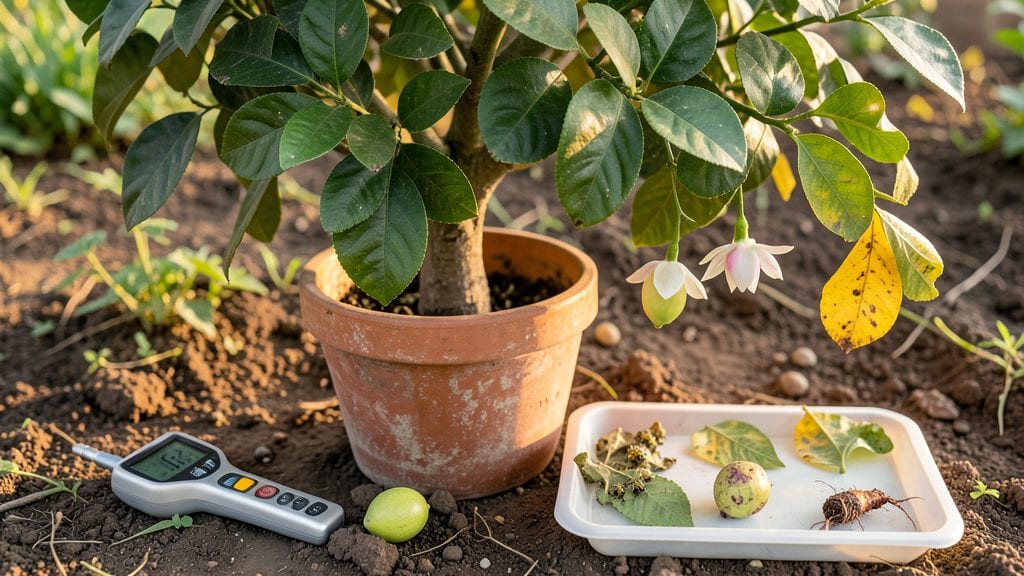
When your citrus tree’s leaves turn yellow or fruit drops like rain, it’s not just a common citrus tree issue—it’s a cry for help. 🌿 I’ve nursed back more lemon and orange trees than I can count, and the first step is always spotting the real issue before panic sets in.
Overwatering, pests, or nutrient starvation each leave distinct clues, and knowing which one you’re dealing with cuts the guesswork in half.
The good news? Most citrus issues fix quickly once you address the root cause. Yellow leaves often mean too much water or not enough iron, while sticky leaves scream aphids or scale.
Dropping fruit? It’s usually a calcium deficiency or sudden temperature swings. Grab your gloves and a spray bottle, and let’s turn that sad-looking tree into a thriving one in under an hour.
You’ll end up with glossy green leaves, sweet-smelling blossoms, and a harvest that puts grocery store fruit to shame. The key is acting fast—citrus trees bounce back faster than you’d expect when you give them what they truly need.
Trust me, your future self will thank you when that first ripe orange appears.
Works for Meyer lemons, navel oranges, and even dwarf varieties in pots. Whether it’s your first citrus crisis or your fifth, these fixes work every time. Let’s get that tree back to its best.
📚 In This Guide
- What you need
- Instructions
- Tips and common mistakes
- Wrapping up and next steps
What you need
- ● Pruning shears – Sharp, bypass-style (for clean cuts), 6–8" blade length.
- ● Loppers – 1 pair (for thicker branches, 8–12" cutting capacity).
- ● Gloves – Heavy-duty, pest-resistant (nitrile or leather).
- ● Disinfectant (70% isopropyl alcohol or bleach solution) – 1 small bottle (for sterilizing tools).
- ○ Pruning sealant (optional but helpful) – Tree wound sealant (for large cuts).
- ● Garden hose or spray bottle – For cleaning tools and rinsing off sap.
- ● pH test kit – Digital or liquid test strips (to check soil acidity).
- ● Citrus-specific fertilizer – Balanced NPK (e.g., 6-6-6 or 8-3-9), 1–2 lbs per tree.
- ● Slow-release granules or spikes – For long-term nutrient delivery.
- ● Mulch (organic or inorganic) – 3–4 inches of wood chips, straw, or pine bark.
- ● Watering can or drip irrigation – Deep-watering capability (1–2 gallons per tree).
- ● Pest control options: Neem oil (1–2% concentration) – For mites, aphids, and scale.
- ● Horticultural oil – For overwintering pests.
- ● Systemic insecticide (e.g., imidacloprid) – Last resort for severe infestations.
- ● Diagnostic tools: Hand lens (10x magnification) – To inspect leaves/stems for pests.
- ● Soil probe – For checking root health and drainage.
- ● Citrus tree support stakes – If your tree is young or top-heavy.
- ● Anti-desiccant spray – For newly pruned branches in dry climates.
- ● Compost or worm castings – To boost soil microbial activity.
- ● Fungal treatment (copper fungicide) – If you suspect citrus canker or melanose.
- ● Tree banding material – To protect trunks from sunscald or pests.
- ● Camera or phone with macro mode – For documenting issues before/after treatment.
Step-by-Step guide to diagnosing and fixing citrus tree problems
Citrus trees are tough but need specific care—here’s how to spot and fix the most common issues before they become fatal.
🌿 Step 1: Check for Watering Problems
Citrus trees hate soggy roots or drought stress. Stick your finger 2-3 inches deep into the soil—if it feels bone-dry, water deeply until moisture reaches 6 inches down. Yellowing leaves often mean overwatering, while crispy edges signal underwatering. I always water in the morning so the tree drinks all day and dries by evening.
If the soil smells sour or looks muddy after watering, your tree’s roots are suffocating. Citrus needs well-draining soil—amend heavy clay with 20% perlite or coarse sand to improve airflow. Mulch with 2-3 inches of organic material (like wood chips) to retain moisture but keep mulch 6 inches away from the trunk to prevent rot.
✂️ Step 2: Inspect for Pest Damage
Scale insects, aphids, and spider mites love citrus. Look for sticky residue on leaves (honeydew), white cottony patches (mealybugs), or tiny webs (spider mites). I spray affected areas with a strong stream of water first—this knocks off many pests without chemicals. For stubborn infestations, use neem oil mixed with water (1 tablespoon per quart) and apply at dusk when bees aren’t active.
Don’t ignore citrus leaf miners either—they create blister-like tunnels in leaves. Prune heavily damaged leaves with clean, sharp shears and destroy them immediately (don’t compost). Healthy trees bounce back faster when you remove the worst damage early.
☀️ Step 3: Assess Sunlight and Temperature Needs
Citrus trees need 6-8 hours of direct sun daily—if leaves yellow between veins, they’re getting too much shade. Move potted trees to a sunnier spot or prune nearby structures blocking light. Variegated leaves? That’s normal, but solid green leaves turning pale mean nutrient deficiency—feed with a balanced citrus fertilizer (6-6-6) every 2-3 months during growing season.
Frost damage shows as brown, papery leaves. If your tree is outdoors, protect it with frost cloth or a sheet draped loosely—don’t cover the trunk directly. Indoor citrus? Keep it away from drafty windows or heat vents, which cause leaf scorch. Ideal temps are 60-85°F—any colder and growth slows dramatically.
🪴 Step 4: Test for Root and Soil Issues
Grab a small trowel and gently scrape away soil near the roots. Healthy roots are white or light tan; black, mushy roots mean rot. If you smell rot or see fungus, your tree’s roots are drowning. Repot in fresh, well-draining soil immediately, trimming any mushy roots with sterilized shears. For container trees, ensure pots have drainage holes and never let them sit in saucers of water.
Compacted soil starves roots of oxygen. Loosen the top 6 inches of soil with a fork and mix in compost or aged manure to restore nutrients. If your tree is in the ground, aerate the soil annually to prevent compaction. Yellowing leaves with green veins? That’s often iron deficiency—sprinkle iron sulfate granules into the soil and water thoroughly.
⏰ Step 5: Adjust Fertilizer and Pruning Habits
Over-fertilizing burns roots—use half the recommended dose if your tree looks stressed. I fertilize citrus lightly in spring and again in early summer, then stop by fall to let the tree rest. Prune only to remove dead wood or crossing branches; never cut more than 25% of the canopy at once—this shocks the tree.
Watch for new growth after pruning—it’s your sign the tree is recovering. If branches die back to the trunk, the tree may be beyond saving, but with proper care, most citrus trees bounce back within 3-6 months. Patience is key: reviving a struggling tree takes consistent adjustments, not quick fixes.
Tips & tricks for reviving citrus trees
Here's what I've learned after helping dozens of struggling citrus trees make a full recovery.
Watering Wisdom: When checking soil moisture in Step 1, focus on the 2-3 inch depth—this is where citrus roots actively seek moisture. I've seen many gardeners water based on surface dryness, which leads to overwatering. For potted citrus, weigh the pot—if it feels light, it's time to water. Remember, soggy soil is just as deadly as drought stress for these trees.
Pest Prevention Strategy: In Step 2, when you spot pests, don't just treat the visible damage—check the undersides of leaves and new growth where pests often hide. I keep a small magnifying glass handy to inspect leaf miners' tunnels. For severe cases, repeat the neem oil treatment every 7-10 days until you see new growth without pests. The key is persistence—one treatment rarely eradicates established infestations.
Sunlight Optimization: The 6-8 hours of direct sun mentioned in Step 3 is non-negotiable, but quality matters too. Morning sun is gentler than harsh afternoon rays, especially in hot climates. If your tree gets afternoon sun, provide some afternoon shade during peak summer months to prevent leaf scorch. I've seen citrus trees in full sun all day develop brown patches even with proper watering.
Root Health Check: When testing roots in Step 4, pay attention to the smell—healthy roots have an earthy aroma, while rotten roots smell sour or putrid. If you find fungus, don't just trim the roots—treat the soil with a 1 tablespoon per gallon hydrogen peroxide solution (3%) to kill fungal spores. This extra step prevents reinfection after repotting.
Pro Tips for Citrus Tree Issues
- Here's what I've learned after helping dozens of struggling citrus trees make a full recovery.
- Watering Wisdom: When checking soil moisture in Step 1, focus on the 2-3 inch depth—this is where citrus roots actively seek moisture.
- Pest Prevention Strategy: In Step 2, when you spot pests, don't just treat the visible damage—check the undersides of leaves and new growth where pests often hide.
Frequently asked questions
Got questions about keeping your citrus tree thriving? Here are some of the most common concerns—and expert answers to help you troubleshoot and revive your tree with confidence!
Why are my citrus tree leaves turning yellow?
Yellowing leaves are often a sign of overwatering or nutrient deficiencies. Check the soil moisture—citrus trees prefer it slightly dry between waterings. Test for iron, zinc, or nitrogen deficiencies with a soil test and amend with citrus-specific fertilizer if needed. Prune any severely affected branches to redirect energy.
How do I know if my citrus tree is dying?
Watch for these red flags: drooping branches, thick, blackened roots (root rot), peeling bark, or no new growth for months. If your tree has multiple of these symptoms, it may be too late to save it—but act fast! Start with diagnosing pests/diseases, then prune dead wood and adjust care (like watering or sunlight).
When is the best time to prune a citrus tree?
Prune your citrus tree late winter or early spring (just before new growth starts) for the best results. Avoid heavy pruning in summer—it stresses the tree and attracts pests. Light shaping is fine in fall, but skip major cuts. Sterilize your tools first to prevent disease spread!
How do I get rid of aphids or scale insects on my citrus tree?
Start with a hose blast to dislodge pests, then apply neem oil or insecticidal soap (follow label instructions). For severe infestations, use horticultural oil in winter when pests are dormant. Check for natural predators like ladybugs—they’re your tree’s best allies!
Can I save a citrus tree with brown, mushy fruit?
Brown, mushy fruit often signals overwatering, fungal issues (like brown rot), or sunscald. Prune affected branches to improve airflow, reduce watering, and apply copper fungicide if fungus is suspected. For sunscald, provide afternoon shade and avoid heavy nitrogen fertilizer, which makes fruit more susceptible.
What can I do if my citrus tree isn’t producing fruit?
Lack of fruit often stems from poor pollination, young age, or stress. Hand-pollinate flowers with a soft brush, ensure your tree gets 6+ hours of sunlight, and fertilize with low-nitrogen, high-potassium citrus food in spring. If the tree is under 3 years old, be patient—it may need time to mature!
Wrapping up and next steps
Citrus trees may face challenges, but with the right knowledge and care, they can thrive again! 🌱 From nutrient deficiencies to pests and diseases, early detection and proactive solutions are key. Remember, even the most struggling trees can bounce back with patience and the right techniques.
Ready to take action? Start by diagnosing your tree’s issues—check for wilting leaves, unusual spots, or pests—and apply the fixes tailored to your citrus tree’s needs. With a little effort, you’ll be enjoying fresh, vibrant fruit in no time!