
Pruning
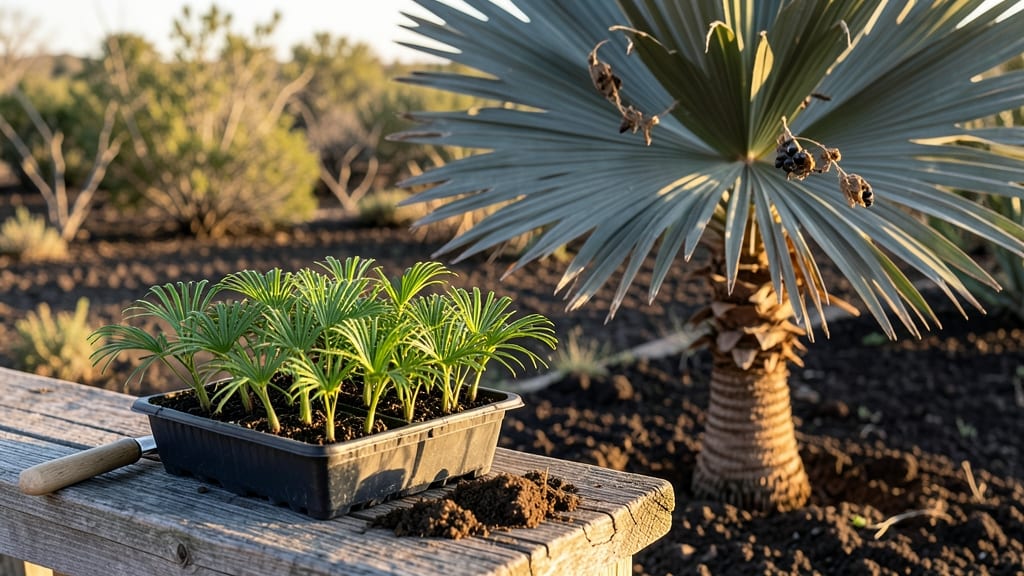
Growing Mexican fan palm tree seeds (Washingtonia robusta) from scratch means fast sprouts that outpace nursery plants—if you know the secret tricks. I’ve germinated mine in just 3 weeks using a simple tray setup that mimics their native desert conditions.
The key isn’t fancy equipment but understanding their stubborn nature: these seeds demand warmth, patience, and just enough moisture to wake them up.
You’ll need one gallon-sized container, a heat mat (or sunny windowsill), and a spray bottle—no greenhouse required. The real game-changer? A warmth layer (like a heating pad) keeps soil at 80-85°F, while daily misting prevents drying out.
Most gardeners fail here by overwatering or letting seeds dry between attempts. My first batch finally cracked open after two failed tries—turns out, consistency beats intensity.
What you’ll end up with are fuzzy, dark-green seedlings pushing through soil within 21 days, ready to transplant into 5-gallon pots by spring. They grow 3-4 feet tall in their first year, and the fan-shaped fronds make them a showstopper.
The best part? You skip the $50 nursery price tag and get a plant genetically true to its parent—no hybrid surprises.
Works best in USDA Zones 9-11, but even Zone 8 gardeners can overwinter seedlings indoors. Here’s where it gets interesting: these palms hate frost but thrive in full sun once established. Let’s get those seeds sprouting before winter sets in!
📚 In This Guide
- What you need
- Instructions
- Tips and common mistakes
- Wrapping up and next steps
What you need
- ● Mexican Fan Palm seeds: 3–5 fresh, viable seeds (check for plumpness and no cracks).
- ● Well-draining potting mix: 2–3 gallons of a blend like cactus/succulent mix (add 20% perlite or pumice for aeration).
- ● Containers: 6–8-inch pots with drainage holes (or a seed tray with individual cells).
- ● Watering can or spray bottle: With a fine mist setting for gentle hydration.
- ○ Plastic wrap or humidity dome: To retain moisture during germination (optional but helpful).
- ● Gloves: To protect hands from seed coatings or sharp palm fibers.
- ● Small hand trowel: For gently moving soil/seeds without damaging them.
- ○ Heating mat (optional): A seedling heat mat (70–80°F range) to speed up germination.
- ● Grow lights or sunny windowsill: Bright, indirect light (6+ hours/day) once sprouts emerge.
- ● Fertilizer: A balanced liquid fertilizer (5-5-5) diluted to half-strength for post-germination care.
Step-by-step guide to germinating Mexican fan palm tree seeds
Here’s how to break the dormancy barrier and get those stubborn seeds sprouting in record time.
Stratify Seeds to Break Dormancy
Mexican fan palm seeds (Washingtonia robusta) often require stratification to mimic natural conditions and trigger germination. Place the seeds in a plastic bag with a damp paper towel, sealing it loosely to allow airflow. Refrigerate for 6-8 weeks at 35-40°F, checking weekly to ensure the towel stays moist but not soggy.
This cold treatment simulates winter chilling, which signals the seed that spring—and growing conditions—are near. If your fridge is humid, place the bag on a wire rack to prevent mold. After 6-8 weeks, remove the seeds and let them sit at room temperature for 24 hours before sowing. You’ll know stratification worked when the seed coat softens slightly.
Sow Seeds in a Warm, Moist Environment
Fill a shallow tray with a sterile seed-starting mix (avoid garden soil—it’s too dense and may harbor pathogens). Press the mix down lightly to create a firm, even surface. Plant each seed ½ inch deep, spacing them 2-3 inches apart to allow room for root development. Gently water the tray until the soil is evenly moist but not waterlogged.
Cover the tray with clear plastic wrap or a humidity dome to retain warmth and moisture. Place it in a warm location (ideally 75-85°F), such as on top of a refrigerator or near a heat mat. Mexican fan palm seeds germinate slowly—expect sprouts in 4-12 weeks, depending on seed age and stratification success.
Provide Consistent Moisture and Light
Once seeds sprout, remove the plastic cover immediately to prevent fungal growth. Keep the soil consistently moist but never waterlogged—palm seedlings are sensitive to root rot. Use a spray bottle to mist the soil lightly, ensuring water reaches the roots without disturbing the delicate seedlings.
Move the tray to a bright, indirect light location, such as a south-facing window or under grow lights. Avoid direct sunlight, which can scorch young leaves. As seedlings grow, rotate the tray quarter-turn daily to encourage even, upright growth. Strong seedlings will have thick stems and deep green fronds—a sign they’re ready for the next stage.
Transplant Seedlings into Individual Pots
After 3-4 months, when seedlings reach 6-8 inches tall with 3-4 fronds, transplant them into 4-inch pots filled with a well-draining cactus/succulent mix. Handle seedlings gently by their leaves—never grasp the stem—to avoid damage. Bury the seedling up to its first set of true leaves, as palms naturally grow from a buried base.
Water lightly after transplanting to settle the soil, then reduce watering slightly to help roots establish. Place pots in bright, indirect light and gradually introduce morning sun over 2 weeks to harden off the seedlings. Avoid fertilizing for the first 3 months—young palms are sensitive to excess nutrients, which can burn tender roots.
Monitor Growth and Adjust Care
Mexican fan palms grow slowly but steadily. After transplanting, water once every 10-14 days, allowing the top 1-2 inches of soil to dry between waterings. Overwatering is the #1 killer of young palms—yellowing fronds or mushy stems are signs of root rot.
Increase sunlight exposure gradually, aiming for 6-8 hours of bright, indirect light daily. If fronds develop yellow patches or brown tips, it’s a sign of underwatering or sunburn. Adjust care based on the plant’s response—healthy seedlings will show new frond growth every 4-6 weeks. With patience, your Mexican fan palms will mature into striking, low-maintenance tropical specimens.
Tips & tricks for germinating Mexican fan palm tree seeds
A few key strategies can dramatically improve your germination success with these notoriously stubborn seeds.
Stratification Success: The 6-8 week cold treatment is non-negotiable for breaking dormancy, but here's the secret: use a second refrigerator if yours runs warmer than 40°F. I've found that even a 5°F variation can delay germination by weeks. Place a thermometer inside the bag to monitor—consistent 35-40°F is critical for mimicking natural winter conditions. The slight softening of the seed coat after 6-8 weeks is your green light to proceed.
Seedling Environment: Those 75-85°F germination temperatures might seem broad, but don't take chances. A heat mat set to 80°F under the tray creates the perfect bottom heat while maintaining top warmth from the humidity dome. I've seen germination rates double when using this two-zone approach—bottom heat for root development and top warmth for shoot emergence.
Transplant Timing: Waiting until seedlings reach 6-8 inches with 3-4 fronds ensures they have enough energy reserves for transplant shock. Here's what I do: mark the 3-4 month window on your calendar and check weekly. If your seedlings are growing faster, they're ready sooner—don't wait for the full time if they're clearly established. The key visual cue is when the stem thickens noticeably between fronds.
Light Transition Strategy: When moving seedlings from the humidity dome to bright indirect light, I recommend a gradual 7-day transition. Start with 2 hours of light per day, then add 1 hour daily until reaching full exposure. This prevents the shock that often causes yellowing in new fronds. Remember, these palms are tropical but their seedlings are delicate—think of it as sun protection for baby skin.
Pro Tips for Mexican Fan Palm Tree Seeds
- A few key strategies can dramatically improve your germination success with these notoriously stubborn seeds.
- Stratification Success: The 6-8 week cold treatment is non-negotiable for breaking dormancy, but here's the secret: use a second refrigerator if yours runs warmer than 40°F.
- Seedling Environment: Those 75-85°F germination temperatures might seem broad, but don't take chances.
Frequently asked questions
Got questions about growing Mexican fan palm tree seeds? You’re not alone!
Here are the most common queries—and their answers—to help you ace germination like a pro.
How long does it take for Mexican fan palm seeds to germinate?
Germination can take anywhere from 2 weeks to 6 months, depending on conditions. Warmth (75–85°F), consistent moisture, and patience are key. Pre-soaking seeds for 24–48 hours can speed things up! Pro tip: Keep seeds in a humid, shaded spot until sprouts appear.
Do Mexican fan palm seeds need scarification or stratification?
Yes! These seeds have a hard outer shell, so scarification (lightly sanding or nicking the seed coat) or soaking in warm water for 3–5 days helps break dormancy. Skip stratification—these tropical seeds thrive with just heat and moisture. Warning: Avoid over-soaking to prevent rot.
Can I grow Mexican fan palms from store-bought seeds, or do I need special ones?
Store-bought seeds can work, but choose fresh, plump seeds (avoid shriveled or cracked ones). For faster results, opt for seeds labeled “germination-tested” or sourced from reputable palm nurseries. Bonus: Check for pests before planting!
What should I do if my seeds rot instead of sprouting?
Rotting usually means too much moisture or poor drainage. If you notice mold or a foul smell, discard the seeds and try again with fresh ones. Use a well-draining mix (like perlite + peat) and a shallow container with drainage holes. Fix: Let the soil dry slightly between waterings.
Are there faster-growing alternatives to Mexican fan palm seeds?
If you’re impatient, consider grafted palm saplings (1–2 years old) or pre-sprouted seeds from specialty growers. For seeds, Washingtonia robusta (California fan palm) often germinates quicker. Trade-off: Saplings cost more but skip the waiting game!
Wrapping up and next steps
Growing a Mexican Fan Palm from seed is a rewarding journey—one that combines patience, care, and a little botanical know-how! 🌱 By following the right germination tricks, like proper stratification, consistent moisture, and warmth, you’ll set your seeds up for fast and healthy sprouting.
Whether you’re a seasoned gardener or a beginner, these tips will help you nurture your palm from seed to sapling with confidence.
Ready to take the next step? Start by gathering your supplies, then dive in—your future fan palm is waiting! Happy planting! 🌿