Pruning
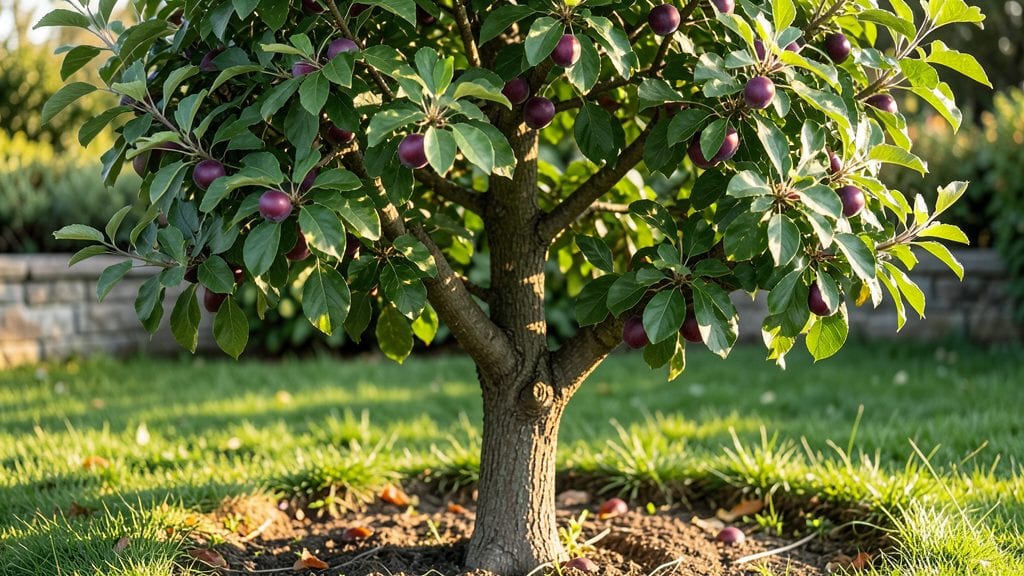
Growing a Methley plum tree in the Pacific Northwest means you’ll get reliable fruit even in chilly winters—this cold-hardy variety thrives where others freeze. 🌿 I planted mine last spring, and by summer, it was already sending out sturdy branches loaded with potential.
The secret lies in its adaptability: it handles our damp winters and cool summers better than most fruit trees.
You’ll need well-draining soil with a pH between 6.0 and 7.0, and a sunny spot with at least 6 hours of light daily. The tree’s compact growth habit makes it perfect for smaller yards—it won’t outgrow a 15-foot space if pruned correctly.
Start with a 2- to 3-year-old bare-root sapling for the best establishment, and plant in early spring or fall when the ground isn’t frozen.
Pruning is where the magic happens—this tree rewards careful shaping with heavier fruit sets each year. Focus on removing dead wood in late winter, then thin out crowded branches in early summer to improve airflow.
With proper care, you’ll harvest sweet, deep-red plums by late summer, perfect for fresh eating or preserving. The tree’s disease resistance means fewer sprays and more enjoyment.
Even in rainy climates, the Methley handles moisture well, but avoid waterlogging. Mulch around the base to retain moisture and keep roots cool. By year three, you’ll have a productive tree that outlasts many others in our unpredictable weather. Ready to grow your own PNW plum harvest?
📚 In This Guide
- What you need
- Instructions
- Tips and common mistakes
- Wrapping up and next steps
What you need
- ● Pruning shears: Bypass pruners (for small branches, 5–8 inches long, sharp and comfortable grip).
- ● Loppers: Bypass or anvil type (for medium branches, 18–24 inches long, with a long handle for leverage).
- ● Pruning saw: Curved-tooth saw (for thick branches over 2 inches in diameter).
- ● Rubbing alcohol (70% isopropyl): 1 small bottle (for sterilizing tools between cuts).
- ○ Pruning sealant: Optional but helpful (e.g., tree wound dressing for large cuts).
- ● Disposable gloves: 1–2 pairs (nitrile or leather, to protect hands from thorns and sap).
- ● Ladder or step stool: Sturdy and tall enough (if your tree exceeds 6 feet).
- ● Heavy-duty trash bags: 2–3 (for collecting pruned branches and debris).
- ● Timing: Prune in late winter or early spring (before buds swell) for best results.
- ● Weather: Choose a dry, cloudy day to avoid stressing the tree.
- ○ Safety gear: Optional but recommended—safety glasses (to shield from debris) and long sleeves/pants (to protect from thorns).
- ● Tree health check: Inspect the tree for diseases or pests before pruning (e.g., signs of bacterial spot or plum pox).
Step-by-step guide to pruning your Methley plum tree
This cold-hardy Pacific Northwest favorite thrives with the right cuts—here’s how to shape it for fruit and health.
✂️ Step 1: Time Your Pruning for Maximum Fruit
Prune your Methley plum tree in late winter or early spring, just as buds begin to swell but before new growth starts. This timing ensures you remove dead wood while preserving next season’s fruit buds. Avoid pruning in fall—late cuts can invite disease or frost damage, and winter pruning too early removes protective foliage.
Grab your sharp pruning shears and inspect the tree from all angles. Look for dead, diseased, or crossing branches—these are your first targets. You’ll know a branch is dead if it’s brittle, doesn’t bend, or has no green tissue when cut open. Mark these with a small piece of twine if you’re unsure, then revisit after a few days to confirm.
✂️ Step 2: Remove Dead and Crossing Branches
Start by cutting out dead or diseased branches at their point of origin. Make clean cuts at a 45-degree angle, about ¼ inch above a healthy bud or lateral branch. This prevents water from pooling and rotting the wound. For larger branches over ½ inch thick, use your pruning saw to avoid tearing the bark.
Next, target crossing branches—where two limbs grow toward each other. These compete for sunlight and nutrients, reducing fruit production. Choose the branch that grows more vertically or has a better angle for airflow. Cut it back to the main trunk or a strong lateral branch, always leaving a smooth, slanted cut.
✂️ Step 3: Thin the Canopy for Sunlight and Airflow
Step back and visualize the tree’s shape. Methley plums need open airflow to prevent fungal diseases like brown rot. Aim to remove 20-30% of the canopy total, focusing on branches that crowd the center or grow inward. Start at the outer edges and work your way in—this opens up the tree’s core to sunlight.
Watch for water sprouts (thin, fast-growing shoots) and suckers (shoots from the base). These steal energy from fruit production. Cut these out completely at their base. For thicker branches, use your pruning saw to avoid stripping the bark. Always cut just outside the branch collar—the swollen area where the branch meets the trunk—to promote faster healing.
✂️ Step 4: Shape for Balance and Fruit Production
Now, refine the tree’s structure. Methley plums respond well to an open-center or modified central leader shape. Remove branches that grow straight upward (unless it’s the main trunk) to encourage a rounded, outward-growing canopy. This makes harvesting easier and improves air circulation.
Look for low-hanging branches that drag on the ground—these are prone to disease and can break in wind or snow. Cut these back to a strong lateral branch or the trunk. Finally, step back and check for balance. The tree should look symmetrical from all sides, with no heavy clusters of branches on one side. Uneven weight can cause the tree to lean or break under fruit.
⏰ Step 5: Clean Up and Protect for Next Season
After pruning, sterilize your tools with rubbing alcohol to prevent spreading disease. Rake up and dispose of all clippings—don’t compost them, as fungal spores can linger. If you notice any sawdust-like residue on your shears, wipe them down with a damp cloth to remove any hidden pathogens.
Apply a thin layer of mulch (2-3 inches) around the base of the tree, keeping it 6 inches away from the trunk. This helps retain moisture and regulate soil temperature. Water deeply after pruning to help the tree recover. In the Pacific Northwest’s wet climate, avoid over-mulching—too much can suffocate roots and invite rot.
Tips & tricks for perfectly pruning your Methley plum tree
Pruning your Methley plum tree right takes more than just a pair of shears—it's about understanding what makes this Pacific Northwest favorite thrive. Here are the game-changing tips that'll help you shape your tree like a pro.
Timing is Everything: That late winter/early spring window is critical because it's when the tree's dormant but about to wake up. I've seen too many gardeners prune too early in winter and expose the tree to frost damage, or too late in spring and risk cutting off potential fruit buds. Look for those swollen buds—when you see them starting to plump up, that's your cue. Trust me on this: the difference between a productive tree and one struggling with disease often comes down to this timing.
Cutting Technique Matters: When you make that 45-degree cut about ¼ inch above a healthy bud, you're not just being precise—you're creating the perfect conditions for new growth. I learned this the hard way after making uneven cuts that left my tree vulnerable to rot. For branches thicker than ½ inch, use your pruning saw to avoid tearing the bark. That smooth, slanted cut lets water run off instead of pooling at the wound, which is key for preventing infection.
Visualizing the Canopy: Stepping back and really looking at your tree's shape is where the magic happens. The 20-30% canopy reduction guideline might sound abstract, but here's how to think about it: imagine you're looking at a pie chart. You want those outer slices to be open and airy, not crowded like a sardine can. Start with the outer edges and work inward—this creates that perfect dome shape that Methley plums love. It's like giving your tree a spa day for better airflow and sunlight penetration.
Tool Maintenance is Non-Negotiable: After pruning, sterilizing your tools with rubbing alcohol isn't just good practice—it's essential for preventing disease spread between cuts. I've seen entire plum orchards suffer from brown rot because gardeners skipped this step. And when you're disposing of those clippings, don't compost them! Fungal spores can linger and reinfect your tree. This might seem like overkill, but it's the difference between a healthy tree and one that struggles year after year.
Pro Tips for Methley Plum Tree
- Pruning your Methley plum tree right takes more than just a pair of shears—it's about understanding what makes this Pacific Northwest favorite thrive.
- Timing is Everything: That late winter/early spring window is critical because it's when the tree's dormant but about to wake up.
- Cutting Technique Matters: When you make that 45-degree cut about ¼ inch above a healthy bud, you're not just being precise—you're creating the perfect conditions for new growth.
Frequently asked questions
Got questions about pruning your Methley plum tree? You’re not alone! This cold-hardy favorite thrives in the Pacific Northwest, but proper care keeps it healthy and productive. Here are answers to the most common concerns—so you can prune with confidence.
When is the best time to prune a Methley plum tree?
The ideal window is late winter to early spring (February–March), just before buds swell but before new growth starts. Pruning at this time minimizes disease risk and encourages strong spring blooms. Avoid heavy pruning in fall—it can stimulate tender growth vulnerable to frost.
Can I prune a Methley plum tree in winter?
Yes, but with caution! Light pruning (removing dead or damaged branches) is safe in dormant winter (December–January). However, avoid heavy cuts—cold stress can slow healing. If winter pruning is unavoidable, use sharp tools and clean wounds to prevent disease. Spring pruning is still the gold standard!
How much can I prune a Methley plum tree?
For young trees (under 5 years), remove no more than 20–25% of the canopy to avoid stress. Mature trees can handle 15–20% per year. Focus on:
- Dead, crossing, or diseased branches
- Suckers at the base
- Overcrowded branches
Why aren’t my Methley plums fruiting well?
Poor fruiting often stems from improper pruning, overcrowding, or lack of sunlight. Check these fixes:
- Prune for light: Open the canopy to let sunlight reach inner branches.
- Thin fruit: Remove excess plums (leave 6–8 inches between fruits) to improve size/quality.
- Fertilize: Test soil and add nitrogen/phosphorus in early spring if needed.
- Pollination: Methley is self-pollinating, but nearby plum trees boost yields.
What’s a good alternative if Methley plums are too high-maintenance?
If pruning feels overwhelming, consider these low-maintenance PNW plum varieties:
- Stanley Plum – Cold-hardy, disease-resistant, and productive with minimal pruning.
- Methley’s sibling: Larry Plum – Similar cold tolerance but slightly easier to manage.
- Dwarf varieties (e.g., Pacific Giant) – Compact size = less pruning needed!
Wrapping up and next steps
The Methley plum tree is a standout choice for Pacific Northwest gardeners, offering cold-hardy resilience and delicious fruit with the right care—especially pruning! By mastering the techniques shared here, you’ll ensure healthy growth, abundant harvests, and a tree that thrives year after year. 🌳✨
Ready to transform your pruning game? Grab your tools, mark your calendar for late winter or early spring, and get started—your Methley plum tree (and future fruit baskets!) will thank you. Happy pruning!