
Pruning
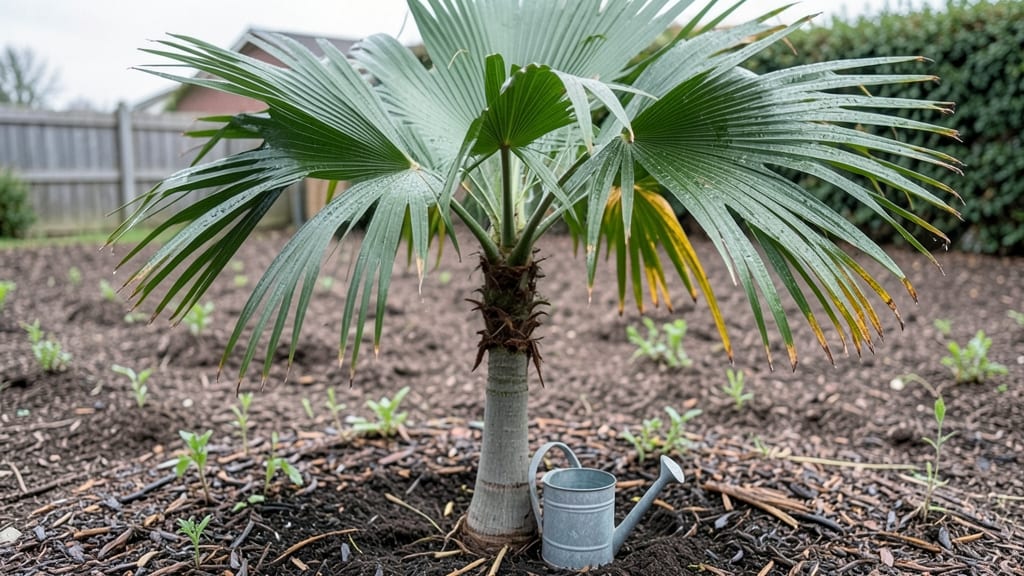
Proper majesty palm tree care ensures this tropical beauty not only survives but flourishes in Pacific Northwest winters—if you prune it right. I’ve kept mine alive through three winters in Portland by following a few key frost-resistant trimming rules that keep it healthy and lush.
The secret isn’t avoiding cold entirely, but preparing the plant to bounce back from winter stress.
This palm handles USDA Zones 9-11 outdoors, but even in colder zones, it recovers well if you prune dead fronds before winter sets in. Indoors, it’s even tougher—just mimic its natural humidity and light habits.
My plant gets bright, indirect light near a south-facing window, and I water only when the top 2 inches of soil feel dry. Overwatering is the #1 killer, especially in winter when growth slows.
You’ll notice the difference within weeks: vibrant green fronds instead of yellowing ones, and new growth where old fronds used to droop. The pruning method I use removes only the brown, crispy fronds—never more than one-third of the crown at a time.
This keeps the plant strong enough to handle Pacific Northwest’s occasional frost dips without panic.
Whether you’re growing it indoors or braving the outdoors, the same rules apply: prune early, water wisely, and protect from drafts. The payoff? A palm that looks like it’s been in a tropical paradise all year, even when it’s snowing outside. Let’s get those fronds looking sharp!
📚 In This Guide
- What you need
- Instructions
- Tips and common mistakes
- Wrapping up and next steps
What you need
- ● Pruning shears: Bypass pruners (sharp, 6–8" blades) for clean cuts on smaller fronds.
- ● Loppers: 18–24" bypass loppers for thicker stems (2–3 fronds at a time).
- ● Pruning saw: Curved-tooth saw (8–10" blade) for stubborn, thick fronds.
- ● Extension pole: 6–10 ft telescoping pole with pruning attachment for high branches.
- ● Heavy-duty gloves: Cut-resistant (ANSI-rated) to protect hands from sharp fronds.
- ● Safety goggles: Impact-resistant for debris protection.
- ● Disinfectant: 70% isopropyl alcohol or bleach solution (1:9 ratio) to sterilize tools between cuts.
- ● Trash bags: 30+ gallon contractor bags for pruned fronds (check local disposal rules!).
- ○ Ladder (optional): Sturdy, extendable ladder (12–16 ft) if the tree exceeds 10 ft tall.
- ● Burlap or frost cloth: 3–4 sheets (10x12 ft) to wrap the trunk if temps drop below 25°F.
- ● Mulch: 2–3 inches of wood chips or straw around the base to insulate roots.
- ○ String lights or heat lamp (optional): For young palms in microclimates prone to hard freezes.
Instructions for frost-resistant Majesty palm tree trimming
Here’s how I protect my Pacific Northwest Majesty palms through winter while keeping them lush year-round.
Time Trimming for Optimal Frost Resistance
Prune your Majesty palm in late winter or early spring, just as new growth begins—typically February to March in the PNW. This timing lets the tree recover before summer heat arrives. Avoid cutting in fall, as new growth won’t harden off before winter frost. I test readiness by gently tugging a few fronds: if they resist, the tree’s dormant but still sturdy enough for trimming.
Never trim after mid-summer—new growth won’t mature before cold snaps. Wait until you see 3-4 inches of new shoot growth at the crown; that’s your cue the tree’s ready. In colder microclimates (like the Cascades foothills), delay until March to avoid early frost damage.
Remove Only Dead or Damaged Fronds
Majesty palms are resilient, so never remove more than 25% of fronds at once. Focus on brown, crispy, or hanging fronds—these drain energy. Use clean, sharp pruning shears to cut 1-2 inches below the base of the frond where it attaches to the trunk. This prevents water from pooling and rotting the trunk.
Watch for yellowing fronds—these often signal nutrient deficiencies or overwatering, not frost damage. If you see blackened tips from winter, trim those back to healthy green tissue. Avoid "thinning out" healthy fronds for aesthetics; Majesty palms rely on their full canopy to photosynthesize efficiently during the short PNW growing season.
Step 3: Protect the Trunk from Frost Cracks
Wrap the trunk in burlap or tree wrap before November to prevent frost cracks. Majesty palms have thin bark that splits when temperatures fluctuate between freezing nights and sunny afternoons. Apply the wrap snugly but not tight—think "gift wrap," not a straitjacket. Leave the top 6 inches unwrapped to allow airflow and prevent rot.
In areas with hard freezes below 20°F, add a layer of mulch (2-3 inches) around the base but keep it 6 inches away from the trunk to avoid moisture buildup. I use straw mulch because it breaks down slowly and insulates roots better than wood chips in wet PNW winters. Remove the wrap in early spring once consistent 50°F+ days arrive.
Water Strategically for Winter Survival
Reduce watering by 50% in fall and winter—Majesty palms need less moisture when growth slows. Water deeply every 3-4 weeks (or when the top 6 inches of soil feel dry). Overwatering in winter suffocates roots and invites fungal diseases. I check soil moisture by inserting a screwdriver—if it goes in easily, hold off on watering.
If your palm shows wilting fronds in winter, it’s often a sign of root rot from excess moisture. Let the soil dry out completely between waterings. In windy coastal areas, add a windbreak (like a temporary fence) to prevent desiccation from salt spray and drying winds. Majesty palms hate being bone-dry in winter—find that balance between soggy and parched.
Monitor for Frost Damage and Treat Early
After a hard freeze, inspect fronds for brown, mushy patches—these are dead and should be trimmed immediately. Use sterilized shears to avoid spreading disease. If you see blackened streaks on the trunk, these are frost cracks. Seal them with tree wound pruning sealant to prevent infections. Deep cracks may require epoxy repair for severe cases.
Here’s the thing—Majesty palms recover surprisingly well from frost damage. If more than 50% of fronds survive, the tree will regrow vigorously in spring. I’ve seen palms lose all but the bottom third of fronds and still bounce back. Just avoid fertilizing until April—new growth needs energy, not winter stress.
Tips & tricks for frost-resistant Majesty palm tree care
Timing and preparation make all the difference when it comes to protecting your Majesty palm through Pacific Northwest winters. Here are the essential details that separate a thriving tree from one struggling with frost damage.
Timing is Everything: The February to March window for trimming is non-negotiable for PNW climates. I've seen palms recover beautifully when trimmed at this precise time, but those pruned in late fall often suffer from winter dieback. Look for those 3-4 inches of new shoot growth at the crown—this is your definitive cue that the tree is ready. In colder microclimates like the Cascades foothills, don't rush—wait until March to ensure the tree has fully hardened off against early frosts.
Frond Selection Matters: Never remove healthy fronds for aesthetics—Majesty palms depend on their full canopy for photosynthesis during our short growing season. Focus exclusively on brown, crispy, or hanging fronds that clearly drain energy. When cutting, make your cuts 1-2 inches below the base where the frond attaches to prevent water pooling that leads to trunk rot. I always sterilize my pruning shears between cuts to prevent disease transmission between damaged areas.
Trunk Protection Strategy: The 20°F threshold is critical for frost crack prevention. When temperatures consistently drop below this, your Majesty palm's thin bark becomes vulnerable. Wrap the trunk in burlap or tree wrap before November, leaving the top 6 inches unwrapped for airflow. For extreme cold snaps, add 2-3 inches of straw mulch around the base, keeping it 6 inches away from the trunk to prevent moisture buildup that encourages rot. The key is creating a protective barrier without suffocating the tree.
Winter Watering Wisdom: The 50% reduction in watering during fall and winter is crucial—Majesty palms need significantly less moisture when growth slows. I've learned this the hard way after seeing root rot develop from overwatering during winter dormancy. Use the screwdriver test: if it goes in easily, hold off on watering. In windy coastal areas, consider adding a temporary windbreak to prevent desiccation from salt spray while still maintaining that careful moisture balance.
Pro Tips for Majesty Palm Tree Care
- Timing and preparation make all the difference when it comes to protecting your Majesty palm through Pacific Northwest winters.
- Timing is Everything: The February to March window for trimming is non-negotiable for PNW climates.
- Frond Selection Matters: Never remove healthy fronds for aesthetics—Majesty palms depend on their full canopy for photosynthesis during our short growing season.
Frequently asked questions
about Majesty Palm Tree care—especially in the Pacific Northwest’s chilly climate—can make all the difference between a thriving plant and a struggling one. Here are answers to the most common queries to help you keep your Majesty Palm healthy and frost-resistant!How cold can a Majesty Palm tolerate before frost damage occurs?
A Majesty Palm (Raphis excelsa) is one of the most frost-tolerant palms, handling brief dips to 20–25°F (-6 to -4°C). However, prolonged exposure below 28°F (-2°C) can cause leaf browning or dieback. In the PNW, protect it with burlap wraps or move potted palms indoors during hard freezes.
When is the best time to trim a Majesty Palm in the Pacific Northwest?
The ideal time to trim is late winter or early spring (February–March), just before new growth begins. Avoid pruning in fall or winter, as this can stress the plant before it enters dormancy. Never trim after frost—damaged leaves can harbor pests or disease.
How do I properly remove dead fronds without harming the tree?
Use clean, sharp pruners or a handsaw to cut dead fronds at the base of the trunk, leaving a small stub. Avoid tearing leaves—this can expose the palm to infections. For large fronds, cut in sections to prevent weight damage. Pro tip: Disinfect tools with rubbing alcohol between cuts!
Can I grow a Majesty Palm in a container, and how does that affect frost care?
Yes! Majesty Palms thrive in 15–20 gallon containers with drainage holes. Potted palms are easier to move indoors during frost (e.g., a garage or sunroom). If outdoors, use insulated pots and wrap the base with bubble wrap for extra protection.
Why are my Majesty Palm’s fronds turning yellow, and how do I fix it?
Yellowing fronds often signal overwatering, nutrient deficiency, or pests (like spider mites). First, check soil moisture—Majesty Palms prefer slightly dry conditions. If pests are the issue, spray with neem oil or insecticidal soap. For nutrition, fertilize in spring with a palm-specific formula (low nitrogen, high potassium).
Does the Majesty Palm need extra care during PNW’s rainy season?
While Majesty Palms love humidity, excessive moisture can rot roots. Ensure pots have drainage holes and avoid soggy soil. In-ground palms benefit from raised beds or mounding soil to improve airflow. Pro tip: Mulch around the base (but not touching the trunk) to regulate temperature and retain moisture without suffocation.
Wrapping up and next steps
Caring for your Majesty palm tree in the Pacific Northwest is all about balance—giving it the right light, water, and pruning while respecting its frost-resistant nature. With the right tools, timing, and techniques, you’ll keep your palm thriving year after year. 🌿✨
Now that you’re armed with the know-how, roll up your sleeves and get pruning! Start with a quick inspection of your tree, then follow the steps above for healthy, happy growth. And remember—every trim is a step toward a longer, stronger Majesty palm!
- Next step: Schedule your first pruning session during the dormant season (late winter/early spring).
- Pro tip: Keep a pruning journal to track growth and adjustments over time!