
Pruning
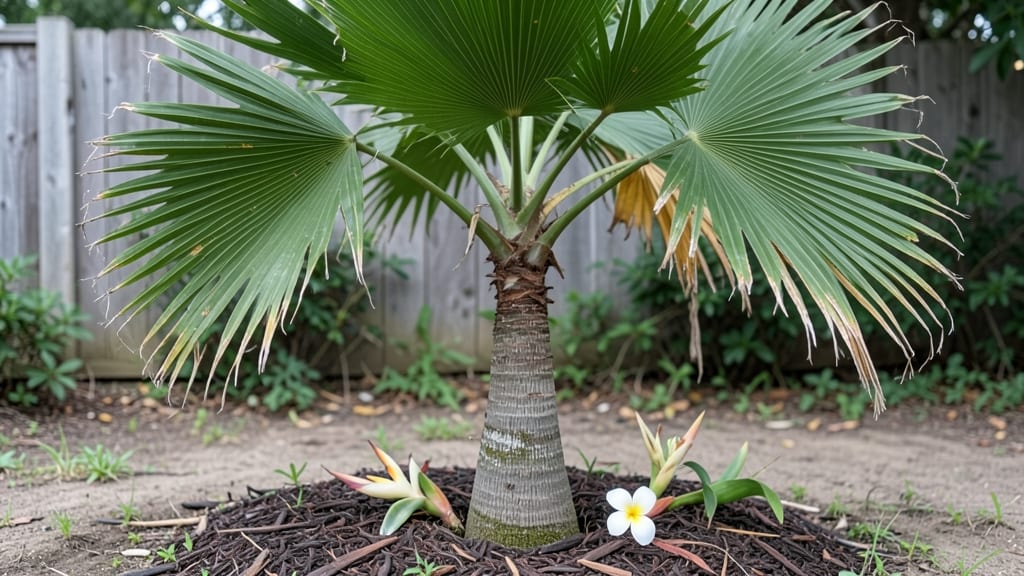
A majestic palm tree can turn any outdoor space into a tropical escape—imagine sun-drenched evenings where the rustling fronds sway like a living sculpture. 🌴 I’ve designed gardens where a single palm transforms a plain patio into a luxurious retreat, and the secret isn’t just the tree itself, but how you stage it.
The right palm—whether a towering Canary Island date or a graceful windmill palm—becomes the centerpiece, drawing the eye upward and softening hard lines with its natural elegance.
Start with the right setting: palms thrive in full sun and well-draining soil, but their real magic happens when you pair them with complementary textures. Try grouping them with smooth river rocks or weathered teak furniture to enhance that resort-like vibe.
Add string lights or lanterns to highlight their silhouette at night, and suddenly, your backyard feels like a Bali hideaway—no passport required. Even small spaces work if you choose the right variety (like a dwarf palm for balconies or courtyards).
What you’ll end up with is a space that feels instantly aspirational—where every guest stops to admire the focal point and every sunset looks better framed by those arching fronds.
The key is balancing scale (don’t dwarf a palm with tiny plants) and layering (add trailing vines or ground covers to fill in). Think of it as a living art installation that grows more impressive each year. Ready to make your outdoor space unforgettable?
This design works for coastal, modern, or boho styles, so whether you’re going for sleek minimalism or lush tropical drama, the palm adapts. The only rule? Let it be the star—and everything else will follow. Now, let’s talk placement and pairings to make it shine.
📚 In This Guide
- What you need
- Instructions
- Tips and common mistakes
- Wrapping up and next steps
What you need
- ● Palm tree (1-3 plants) – Choose a variety suited to your climate (e.g., Phoenix canariensis for hardiness or Washingtonia robusta for dramatic height). Opt for a 3-5 ft tall specimen for faster impact.
- ● High-quality potting soil (5-10 bags) – Use a well-draining mix (e.g., 60% native soil, 30% compost, 10% perlite or sand) to prevent root rot.
- ● Large container or in-ground planting area – For containers, select a wide, shallow pot (2-3 ft diameter) with drainage holes. For in-ground planting, ensure 6+ ft of space for root spread.
- ● Pruning shears (bypass or anvil type) – Sharp, sterilized tools (disinfect with rubbing alcohol) to avoid disease transmission.
- ● Gloves (heavy-duty, cut-resistant) – Protect your hands from sharp palm fronds and potential irritants.
- ● Mulch (cypress or pine straw, 2-3 bags) – Helps retain moisture and regulate soil temperature.
- ● Slow-release fertilizer (10-10-10 or palm-specific) – Apply 2-3 times per year during growing seasons.
- ● Drip irrigation system or hose with spray nozzle – Palms need 1-2 inches of water weekly (more in extreme heat).
- ● Palm tree support stake (1-2) – Useful for young or top-heavy varieties (e.g., Cocos nucifera) to prevent tipping.
- ● Soil moisture meter – Ensures you’re watering just enough without over-saturating.
- ● Eco-friendly pest control (neem oil, horticultural soap) – Preemptively treats spider mites or scale insects.
- ● Decorative lighting (solar-powered) – Highlights your palm’s majestic silhouette at night.
- ● Weather-resistant paint (for container pots) – Adds a tropical touch (e.g., teal or terracotta).
How to plant and maintain a stately palm tree for year-round drama
Your tropical vision starts here—with the right palm and placement for lasting impact.
🌱 Step 1: Select the Right Palm for Your Climate and Space
Not all palms thrive everywhere, so choose wisely. For coastal areas, the Mexican fan palm (Washingtonia robusta) handles salt spray and wind beautifully, reaching 60+ feet with dramatic fronds. Inland gardeners should opt for the California fan palm (Washingtonia filifera), which tolerates drought and heat once established.
Measure your space—palms need 10-15 feet of clearance for mature growth. If you’re planting near structures, the dwarf palmetto (Sabal minor) stays under 10 feet while still delivering tropical flair. Check your USDA hardiness zone—most palms thrive in zones 8-11, but some cold-hardy varieties like the needle palm (Rhapidophyllum hystrix) survive down to zone 6.
I always dig the trunk texture—smooth trunks like the Mediterranean fan palm (Chamaerops humilis) feel sleek, while fibrous trunks like the pindo palm (Butia capitata) add rugged charm. Pick based on your aesthetic and climate.
🪴 Step 2: Plant at the Right Time and in the Perfect Spot
Timing matters—plant in early spring when soil is warm but not scorching. Avoid winter or summer—cool roots shock in cold, and heat stresses young palms. Dig a hole twice as wide as the root ball but no deeper, or the palm will suffocate. Amend the native soil with compost if it’s heavy clay or sandy—palms hate soggy or compacted roots.
Position your palm where it gets full sun (6+ hours daily)—most varieties need this for strong growth. If your yard is shady, choose a low-light tolerant type like the parlor palm (Chamaedorea elegans), though it won’t reach the same majestic height. I like to plant palms 5-10 feet away from sidewalks or driveways—their roots spread wide but not deep.
Here’s the thing—don’t bury the trunk. The base should sit 1-2 inches above ground level to prevent rot. Backfill with native soil (no amendments here) and water deeply to settle it in. Mulch with 3-4 inches of organic mulch (like wood chips) to retain moisture and regulate temperature.
☀️ Step 3: Water Deeply and Establish a Routine Care Plan
Newly planted palms need deep watering 2-3 times per week for the first year—until the root ball is fully saturated. You’ll know it’s right when water drains out the bottom of the hole. After that, reduce to once a week unless your area has extreme heat or drought. Overwatering is just as deadly as underwatering—palms hate soggy feet.
Fertilize once in early spring with a slow-release palm fertilizer (look for one with high magnesium and potassium). I use a 16-4-8 formula for my mature palms—this mimics tropical soil conditions. Avoid high-nitrogen fertilizers, or you’ll get lush fronds but weak trunks. Apply fertilizer 6-12 inches from the trunk, not right against it.
Watch for yellowing fronds—this usually means overwatering or nutrient deficiency. Brown tips? Underwatering or salt buildup (common in coastal areas). Prune only dead or damaged fronds with sterilized pruners, cutting at the base of the frond where it meets the trunk. Never remove more than 10% of the fronds at once—palms photosynthesize through their leaves.
✂️ Step 4: Protect and Prune for Long-Term Health
Palms are tough but need winter protection if you’re in a marginal zone. Wrap the trunk with burlap or a palm jacket if temperatures dip below 30°F—this prevents sunscald and frost damage. I’ve seen palms recover from light freezes, but prolonged cold below 20°F will kill them. In those zones, stick to cold-hardy varieties like the needle palm or windmill palm (Trachycarpus fortunei).
Prune only in late winter or early spring before new growth starts. Remove dead fronds by cutting cleanly at the base with pruning shears or a sharp knife. Leave the dead frond collar (the ring at the base) intact—it protects the trunk from rot. If you see black spots or ooze on the trunk, it’s lethal yellowing disease—remove the palm immediately and sterilize tools to prevent spread.
Mulch annually in spring to refresh the root zone. A 3-inch layer of wood chips or palm mulch keeps roots cool and retains moisture. Avoid pine bark mulch—it acidifies the soil over time, and palms prefer neutral to slightly alkaline pH (6.1-7.5). Test your soil every 2-3 years and amend if needed.
🌿 Step 5: Enjoy and Monitor for Longevity
Once established, palms are low-maintenance showstoppers. Step back and admire your year-round tropical statement—palms provide shade, privacy, and curb appeal like no other plant. I like to take photos every season to track growth and spot issues early. A healthy palm should grow 1-3 feet per year, depending on the species.
If your palm stops growing or fronds yellow, it’s often a root or nutrient issue. Dig 6 inches down near the trunk—if you see mushy, black roots, it’s root rot from overwatering. If roots are dry and brittle, it’s underwatering or poor drainage. Adjust your care routine accordingly.
Here’s the secret to decades of drama: patience and consistency. Palms grow slowly but live for centuries with the right care. Mine’s been a 20-foot Mexican fan palm for 15 years, and it’s still going strong—now that’s what I call a majestic investment.
Tips & tricks for perfect palm tree planting and maintenance
Creating that dreamy tropical landscape starts with these pro tips that'll keep your majestic palm thriving for decades.
Climate Matching: The palm you choose makes all the difference. For coastal areas, the Mexican fan palm handles salt spray like a champ, while California fan palms thrive inland with their drought-resistant nature. I always check the mature height against my space—nothing worse than a palm outgrowing its welcome! Remember, most palms need zones 8-11, but cold-hardy varieties like needle palms can handle down to zone 6.
Planting Precision: In Step 2, when you're digging that hole, make it twice as wide but no deeper than the root ball. This prevents suffocation while allowing roots to spread properly. The real secret? Don't bury the trunk—keep it 1-2 inches above ground level to prevent rot. I've seen too many palms fail from this simple mistake.
Winter Protection Strategy: For those in marginal zones, wrap your trunk with burlap when temperatures dip below 30°F—this prevents sunscald and frost damage. I've had palms recover from light freezes, but prolonged cold below 20°F will kill them. If you're in a cold zone, stick to varieties like the windmill palm that can handle the chill.
Mulching Mastery: That 3-4 inch layer of organic mulch isn't just decoration—it regulates temperature and retains moisture. But here's the thing: avoid pine bark mulch. It acidifies the soil over time, and palms prefer neutral to slightly alkaline pH (6.1-7.5). Test your soil every 2-3 years to keep it just right for your tropical star.
Pro Tips for Majestic Palm Tree Outdoor
- Creating that dreamy tropical landscape starts with these pro tips that'll keep your majestic palm thriving for decades.
- Climate Matching: The palm you choose makes all the difference.
- Planting Precision: In Step 2, when you're digging that hole, make it twice as wide but no deeper than the root ball.
Frequently asked questions
about creating a majestic palm tree outdoor design—whether for aesthetics, privacy, or year-round beauty—can help you make informed decisions. Here are some of the most common queries:How often should I prune my palm tree for optimal growth?
Prune your palm tree only when necessary, typically once every 2–3 years for healthy growth. Remove dead fronds, brown leaves, or hazardous branches in late winter or early spring (before new growth starts). Avoid over-pruning—palms rely on older fronds for energy. Always use sharp, sterilized tools to prevent disease.
Can palm trees survive cold winters, or do I need alternatives?
Most tropical palms (like date palms or Mexican fan palms) thrive in USDA Zones 9–11 and may suffer damage below 25°F. For colder climates, opt for cold-hardy palms like Windmill Palm (Trachycarpus fortunei) (Zone 6) or Needle Palm (Rhapidophyllum hystrix) (Zone 5). Alternatively, grow palms in containers and move them indoors during winter.
Are palm trees expensive to plant and maintain?
Initial costs vary: small palms (3–6 ft) cost $50–$200, while mature specimens (15+ ft) can range from $300–$1,500+. Maintenance is low—focus on watering, pruning, and pest control (e.g., spider mites or palm weevils). Mulching and proper drainage reduce long-term expenses. Pro tip: Buy from local nurseries to save on shipping and support regional ecosystems!
What’s the best way to plant a palm tree for long-term stability?
Plant palms in well-draining soil (avoid clay) and dig a hole twice as wide as the root ball but no deeper. Stake young trees temporarily for support in windy areas. Water deeply after planting, then reduce frequency once established (palms hate soggy roots!). Space palms 10–20 ft apart depending on the species to allow airflow and prevent disease.
How do I protect my palm tree from pests and diseases?
Prevent issues with regular inspections—watch for yellowing fronds (fungus), sawdust-like frass (palm weevils), or sticky residue (scale insects). Treat pests early with neem oil or insecticidal soap. For fungal diseases, improve drainage and avoid overhead watering. Pro tip: Sterilize pruning tools with rubbing alcohol between cuts to stop pathogen spread!
Can I grow a palm tree from seed, or should I buy a nursery-grown one?
While possible, growing palms from seed is slow (5–10+ years to maturity) and unpredictable. Nursery-grown palms offer faster, healthier growth and guaranteed species. If you’re patient, collect seeds from ripe, brown fruit, soak them in water for 24–48 hours, then plant in well-draining soil. Keep moist and warm (70–80°F) until germination (weeks to months).
Wrapping up and next steps
Transforming your outdoor space into a majestic palm tree oasis is all about vision, care, and a touch of tropical magic! With the right pruning techniques, you’ll not only enhance your palm’s natural beauty but also ensure it thrives year-round.
Now that you’re armed with the know-how, go ahead and embrace that green thumb—your backyard paradise is waiting! 🌴✨
Ready to take the next step? Start small:
- Pick one palm to prune this weekend.
- Gather your tools and follow the steps you’ve learned.
- Snap a before-and-after photo—your future self will thank you!