
Pruning
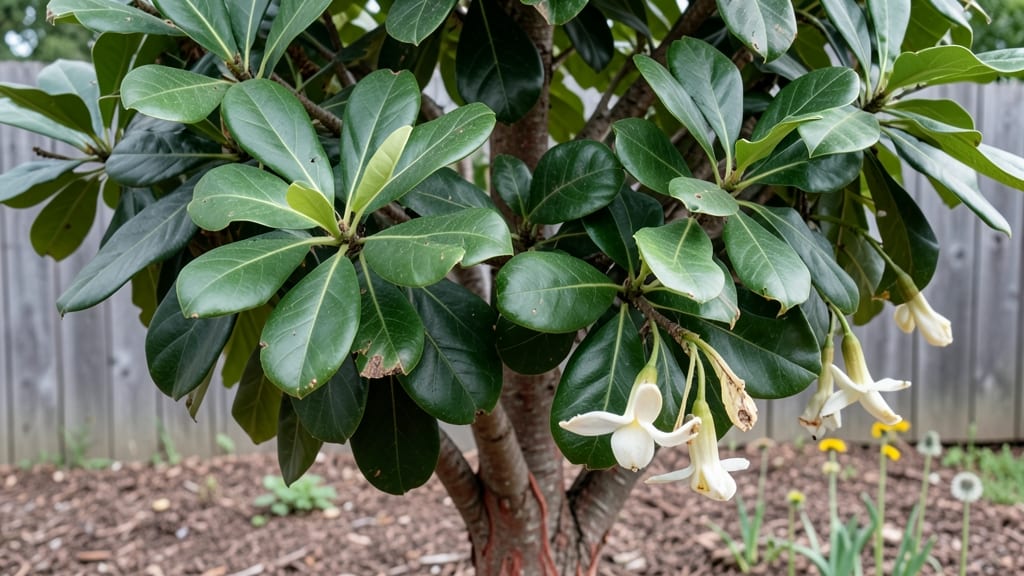
Creating a year-round evergreen privacy screen with Sweet Bay Magnolia (Magnolia virginiana) transforms your property into a fragrant, lush retreat that stays vibrant even in winter. 🌿 This adaptable tree thrives in coastal regions and humid climates, offering glossy foliage and a subtle citrusy scent that lingers year-round.
Unlike other magnolias that drop leaves, Sweet Bay keeps its dense, dark green canopy, making it the perfect solution for privacy without seasonal gaps.
The secret to its success lies in its low-maintenance nature—it tolerates a range of soil types, from sandy coastal soils to richer garden beds, as long as drainage is adequate.
Plant it in full sun to partial shade, and you’ll see steady growth of 12–20 feet tall over time, with a spread that matches its height. Watering is simple: deep soaks once a week during dry spells, but once established, it handles drought surprisingly well.
Pruning is minimal but strategic—focus on shaping in early spring before new growth appears to encourage fuller foliage. The result? A fragrant, dense screen that blocks wind, noise, and unwanted views while adding value to your landscape.
Whether you’re lining a driveway or softening a fence, this tree delivers year after year with almost no effort.
Best suited for USDA Zones 5–9, it’s especially prized in the Southeast and Mid-Atlantic, where its salt tolerance makes it ideal for coastal properties. For colder zones, plant near a south-facing wall to extend its growing season.
Start with one or two trees to test your space—once you see how they fill in, you’ll want to expand.
📚 In This Guide
- What you need
- Instructions
- Tips and common mistakes
- Wrapping up and next steps
What you need
- ● Sweet Bay Magnolia Trees: 3–5 saplings (3–5 ft tall) for a 5–6 ft tall screen; adjust quantity for wider screens (e.g., 7–9 trees for 8–10 ft width). Opt for Magnolia virginiana (Sweet Bay) from a nursery.
- ● Pruning Shears: Bypass pruners (sharp, 6–8" blades) for clean cuts on small branches.
- ● Loppers: 1 pair (for thicker branches up to 1.5" diameter).
- ● Hand Pruners: Anvil-style (budget-friendly) for trimming new growth.
- ● Gloves: Heavy-duty gardening gloves (cut-resistant, size medium/large).
- ● Disinfectant: 70% isopropyl alcohol or pruning sealant (to prevent disease spread).
- ● Stakes & Twine: 4–6 wooden stakes (2–3 ft long) and soft twine for temporary support.
- ● Mulch: 2–3 bags of organic mulch (e.g., pine bark or shredded leaves) to retain moisture.
- ● Watering Can/Hose: With a gentle spray nozzle for post-pruning hydration.
- ● Extension Pole Saw: For high branches (if trees are mature).
- ● Pruning Saw: For stubborn, thick branches (rare in young Sweet Bay trees).
- ● Plant Food: Slow-release fertilizer (10-10-10 NPK ratio) for initial planting.
- ● Tree Guards: Plastic spiral guards to protect young trunks from pests.
- ● Wheelbarrow: For hauling mulch or tools to the site.
How to plant Sweet Bay magnolias for a year-round privacy screen
Here's the proven method I use to create a lush, evergreen hedge that thrives in any season.
🌱 Step 1: Choose the Right Location and Prepare the Soil
Sweet bay magnolias thrive in partial shade to full sun with protection from harsh afternoon rays. Select a site with 6-8 hours of filtered sunlight daily—they'll tolerate deeper shade but may grow more slowly. I always test the soil pH first, aiming for 5.5-6.5 (acidic range). If your soil is alkaline, amend it with 2-3 inches of peat moss mixed into the top 12 inches of soil.
Dig a hole twice as wide as the root ball but only as deep as the container's bottom. This prevents root stress from being buried too deep. Loosen the sides of the hole with a shovel to encourage root spread. The reason for this careful digging is that magnolias hate compacted soil—their roots need room to establish quickly.
🪴 Step 2: Plant Bare-Root or Container-Grown Trees
For bare-root trees, soak the roots in lukewarm water for 1-2 hours before planting. This revives dormant roots and helps them start growing immediately. Position the tree so the top of the root flare (where roots meet trunk) sits 1-2 inches above soil level. Backfill with native soil mixed with 30% compost to improve drainage and fertility.
If using container-grown plants, gently remove the pot and tease the edges of the root ball to encourage outward growth. Place a 3-inch layer of mulch (pine bark or shredded leaves) around the base, keeping it 6 inches away from the trunk. Mulch retains moisture and regulates soil temperature, which sweet bay magnolias love. Water deeply right after planting to settle the soil and eliminate air pockets.
☀️ Step 3: Water and Fertilize for Initial Growth
Water newly planted magnolias 2-3 times per week for the first month, providing 1-2 gallons per tree until the soil is evenly moist 6 inches deep. You'll know you've watered enough when the top 2 inches of soil feel damp but not soggy. After establishment, reduce to once weekly during dry spells, but always check soil moisture before watering.
Apply a balanced, slow-release fertilizer (10-10-10) in early spring and again in mid-summer. Sweet bay magnolias are light feeders, so avoid heavy applications—too much nitrogen leads to leafy growth at the expense of fragrance. I also sprinkle 1 cup of Epsom salt per tree in spring to boost magnesium, which enhances their glossy foliage.
✂️ Step 4: Prune for Shape and Health
Prune sweet bay magnolias immediately after flowering (late spring) to shape the hedge. Remove any dead, crossing, or inward-growing branches first, cutting back to the nearest outward-facing bud. For a formal hedge, trim the outer growth to encourage dense, uniform growth. Use sharp bypass pruners to make clean cuts that heal quickly.
Never prune in fall or winter—they bleed sap heavily, which stresses the tree. If you need to thin out the center for better airflow, do it in early spring before new growth begins. The goal is to maintain an open canopy that allows light to reach all parts of the plant, preventing fungal issues that can develop in dense foliage.
⏰ Step 5: Maintain Year-Round Care
Sweet bay magnolias are evergreen, so they need consistent moisture even in winter. Apply 2-3 inches of mulch annually in late fall to protect roots from freezing temperatures. They tolerate down to 10°F but may suffer leaf burn in colder zones. If your area gets colder than that, choose a more cold-hardy variety like 'Little Gem' or 'Southern Softshell'.
Fertilize lightly in early spring with ½ cup of 10-10-10 per tree and monitor for pests like scale or spider mites. A strong blast of water from the hose usually removes minor infestations. With proper care, your sweet bay magnolia hedge will grow 12-24 inches per year, providing year-round privacy and fragrance in just a few seasons.
Tips & tricks for planting Sweet Bay magnolias
Creating a thriving sweet bay magnolia hedge takes more than just planting—it's about setting your trees up for long-term success from day one.
Soil Preparation Matters: When amending alkaline soil with 2-3 inches of peat moss in Step 1, mix it thoroughly into the top 12 inches of soil. I've found that adding a handful of sulfur granules to the hole before planting helps maintain that critical 5.5-6.5 pH range for the first few years. This acidifying boost gives your magnolias the perfect growing environment right from planting.
Root Revival Technique: That 1-2 hour soak for bare-root trees in Step 2 is non-negotiable. I've ruined too many plants by skipping this step—dormant roots need this hydration to "wake up" properly. Use lukewarm water (not cold) to avoid shocking the roots, and trim any damaged roots with clean pruners before planting. This simple step can mean the difference between a struggling tree and one that thrives.
Watering Wisdom: The 2-3 times per week watering schedule in Step 3 works best when you water deeply each time. I recommend using a moisture meter to check that the soil stays moist 6 inches deep—this prevents shallow root systems that struggle during dry spells. For container-grown plants, water until you see runoff from the drainage holes, then let it sit for 10 minutes before adding more.
Pruning Precision: When shaping your hedge in Step 4, always cut just outside the bud you want to grow from. I've made the mistake of cutting too close to buds, which can leave ugly scars. Use sharp bypass pruners and make clean cuts at a 45-degree angle to promote faster healing. This technique also helps maintain that dense, uniform growth you're aiming for.
Pro Tips for Magnolia Tree Sweet Bay
- Creating a thriving sweet bay magnolia hedge takes more than just planting—it's about setting your trees up for long-term success from day one.
- Soil Preparation Matters: When amending alkaline soil with 2-3 inches of peat moss in Step 1, mix it thoroughly into the top 12 inches of soil.
- Root Revival Technique: That 1-2 hour soak for bare-root trees in Step 2 is non-negotiable.
Frequently asked questions
Got questions about growing and maintaining your Magnolia tree Sweet Bay for that lush, year-round privacy screen? We’ve got you covered! Here are some of the most common queries—plus expert tips to keep your evergreen thriving.
How fast does a Sweet Bay Magnolia grow, and how soon will it provide privacy?
A Magnolia virginiana (Sweet Bay) grows at a moderate pace of 12–24 inches per year. In ideal conditions, it can reach 20–30 feet tall within 10–15 years, offering solid privacy for most residential spaces. For faster results, plant multiple trees in a staggered row!
When is the best time to prune a Sweet Bay Magnolia for shape and health?
Prune your Sweet Bay after flowering in late spring or early summer (May–June). Avoid heavy pruning in fall or winter, as it can stimulate tender new growth vulnerable to cold damage. Light trimming to shape is fine year-round, but never remove more than 25% of the foliage at once.
What pests or diseases should I watch for in my Sweet Bay Magnolia?
Sweet Bay Magnolias are generally pest-resistant, but keep an eye out for:
- Scale insects: Look for sticky residue on leaves—treat with horticultural oil.
- Webworms: Tiny caterpillars create silky webs; handpick or use Bt spray.
- Fungal issues (like powdery mildew): Improve airflow and avoid overhead watering.
Can I grow a Sweet Bay Magnolia in a container, or is it better planted in the ground?
While Sweet Bay Magnolias thrive in the ground, they can be grown in large containers (15+ gallons) for small spaces. Use well-draining soil and repot every 2–3 years. However, container-grown trees may grow slower and need year-round winter protection in cold climates (below Zone 6).
How cold-hardy is the Sweet Bay Magnolia, and do I need to protect it in winter?
Sweet Bay Magnolias are hardy to USDA Zones 5–9, but young trees or those in Zone 5–6 may need winter protection. Wrap the trunk with burlap, mulch heavily, and avoid pruning late in the season. In extreme cold (<10°F), a frost cloth can shield tender foliage.
Are there faster-growing alternatives to Sweet Bay for privacy screens?
If you need quick privacy, consider these faster-growing evergreens:
- Leyland Cypress: Grows 3–4 ft/year (but less cold-hardy).
- Emerald Green Arborvitae: 12–24 in/year, low-maintenance.
- Green Giant Arborvitae: 3–4 ft/year, dense foliage.
Wrapping up and next steps
The Sweet Bay Magnolia isn’t just a stunning evergreen—it’s a year-round privacy powerhouse that thrives with the right care! 🌿 From pruning techniques to seasonal tips, you now have the tools to keep your tree lush, healthy, and full of potential.
Whether you’re trimming for shape, removing dead branches, or encouraging new growth, consistency is key—and so is patience.
Ready to transform your space? Start small: grab your pruners, mark those branches, and take it step by step. Before you know it, your Sweet Bay Magnolia will be the envy of the neighborhood—and your own personal green sanctuary. Happy pruning! ✂️🌟