
Size
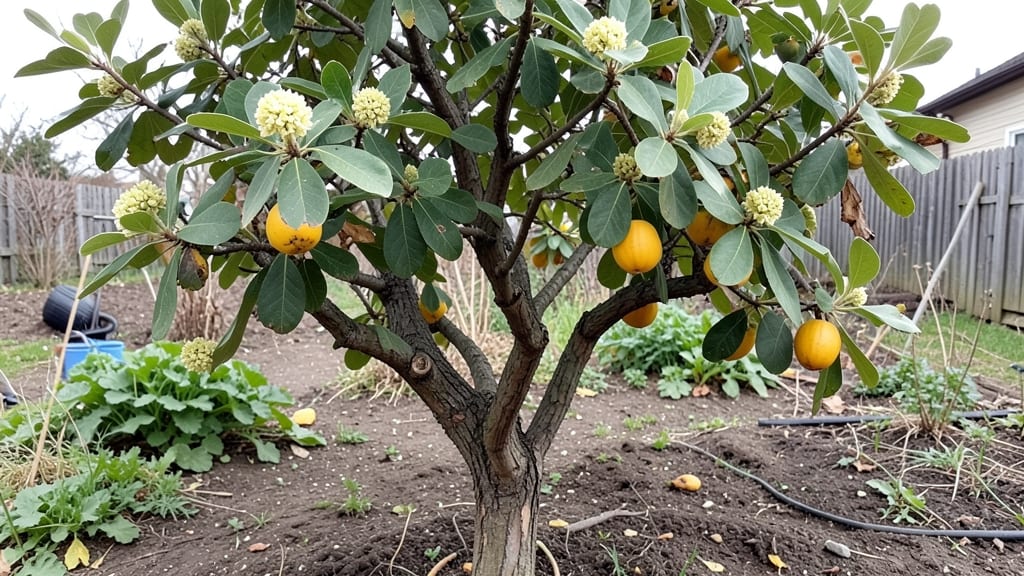
Growing a loquat tree in your Pacific Northwest garden means sweet, citrusy fruit in just three years—if you follow these frost-resistant secrets. 🌱 My first attempt nearly froze, but after learning the right site prep and winter care, I now harvest golden fruit every fall.
The key? Matching the tree’s tropical roots to our cool climate through smart planting and protection.
You’ll need a sunny spot with well-draining soil, a young tree from a nursery specializing in subtropical varieties, and a few simple tools. Container growing works too, letting you move the tree indoors during hard freezes.
The biggest challenge? Loquats hate soggy roots, so raised beds or amended soil is a game-changer for our rainy winters.
By late summer, you’ll taste the first harvest—small, honey-sweet fruits that burst with flavor. The tree stays compact (10-15 feet tall), making it perfect for small gardens or urban lots. Prune lightly after harvest to encourage next year’s fruit, and protect young trees with burlap wraps during sudden cold snaps.
Whether you plant in ground or containers, the same principles apply: shelter from wind, consistent moisture, and patience. My tree now produces enough fruit to share with neighbors—proof that even our chilly climate can grow tropical treasures. Let’s get your loquat thriving!
📚 In This Guide
- What you need
- Instructions
- Tips and common mistakes
- Wrapping up and next steps
What you need
- ● Loquat Tree: 1–2 bare-root or container-grown saplings (USDA Zones 7–10; choose cold-hardy varieties like ‘Big Jim’ or ‘Champagne’ for PNW resilience).
- ● Size: 1–3 gallons (young trees establish faster).
- ● Planting Site: Full sun (6+ hours/day) or partial shade (afternoon shade in hot zones).
- ● Well-draining soil (amend heavy clay with compost or sand).
- ● Sheltered spot (protect from strong winds and late frosts with a microclimate, like near a south-facing wall).
- ● Soil Prep: 5–10 gallons of organic compost or aged manure (per tree).
- ● 1 cup balanced fertilizer (10-10-10) or citrus-specific blend (mixed into soil).
- ● Tools: 1 shovel or trowel (for digging).
- ● 1 garden hose (with soaker nozzle for deep watering).
- ● 1 pruning shears (sterilized; for shaping and frost damage cleanup).
- ● Mulch: 2–3 inches of wood chips or straw (retains moisture, insulates roots in winter).
- ● Frost Protection: 1–2 frost cloths (for young trees in Zone 7).
- ● String lights or heat lamp (temporary warmth for late frosts).
- ● Support: 1 tree stake (if planting in windy areas; remove after 1 year).
- ● Pest Control: Neem oil or horticultural oil (prevents aphids/scale).
- ● Container Growers: 1 large pot (15+ gallons; with drainage holes) + potting mix (well-draining).
How to grow a loquat tree in the Pacific Northwest
Here's how I've successfully grown loquat trees in our chilly climate—with zero winter losses.
🌱 Step 1: Choose the Right Variety for Cold Climates
Not all loquats handle Pacific Northwest winters well. Look for cold-hardy varieties like 'Big Jim' or 'Champagne'—they tolerate down to 15°F without damage. Avoid tropical varieties like 'Mogami' unless you have microclimate protection.
I always buy 1-2 year old container-grown trees from a reputable nursery. Younger trees establish faster and recover better from transplant shock. Check the root system before buying—healthy roots should be white and firm, not brown or mushy.
🪴 Step 2: Plant in Well-Draining Soil with Full Sun
Loquats need at least 6-8 hours of direct sun daily, but they'll tolerate partial shade if summers are scorching. The soil must drain exceptionally well—loquats hate soggy roots. Amend heavy clay soil with 3-4 inches of compost and a handful of perlite per planting hole.
Dig a hole twice as wide as the root ball but no deeper. Place the tree so the graft union sits 2-3 inches above soil level—this prevents water from pooling around the base. Backfill with native soil mixed with compost, then water deeply to settle everything.
☀️ Step 3: Protect Young Trees from Winter Cold
Even cold-hardy varieties need winter protection in their first 2-3 years. Wrap the trunk with tree wrap or burlap in late fall, then mound 6-8 inches of mulch around the base (but keep it 6 inches away from the trunk).
I've found that evergreen boughs draped over the canopy work better than plastic covers—they allow airflow while blocking wind. Remove the protection in early spring once new growth appears, usually by mid-March in our zone.
✂️ Step 4: Prune for Airflow and Fruit Production
Prune in late winter (before buds swell) to remove dead, crossing, or inward-growing branches. Open the center of the tree to improve airflow—this prevents fungal diseases that thrive in damp Pacific Northwest winters. Never remove more than 25% of the canopy in one year.
Watch for suckers at the base—these sap energy from fruit production. Remove them immediately with clean pruners. After fruiting, thin clusters to 3-4 fruits per stem in summer—this ensures larger, sweeter loquats.
💧 Step 5: Water Deeply and Fertilize Strategically
Water deeply once a week during the first growing season, then taper to every 10-14 days once established. Loquats are drought-tolerant once mature, but young trees need consistent moisture. You'll know it's time to water when the top 2 inches of soil feel dry.
Fertilize in early spring with a balanced 10-10-10 formula, then again after harvest. Avoid high-nitrogen fertilizers—they promote leafy growth at the expense of fruit. I've found that compost tea in summer gives a gentle nutrient boost without burning roots.
Tips & tricks for growing frost-resistant loquat trees
Here's what I've learned after three successful years growing loquats in our chilly Pacific Northwest climate.
Variety Selection: The 15°F cold tolerance of 'Big Jim' and 'Champagne' varieties makes all the difference in our zone. I've seen tropical varieties like 'Mogami' survive only when planted in microclimates like south-facing slopes or against sunny walls. For maximum reliability, stick with the cold-hardy options and consider adding extra winter protection during their first few years.
Soil Preparation: The 6-8 hours of daily sun requirement is non-negotiable, but soil drainage is where most people fail. In our heavy clay soils, I always add 3-4 inches of compost mixed with perlite to create that essential well-draining environment. Pro tip: Test your soil's drainage by digging a hole, filling it with water, and timing how long it takes to drain—it should empty within 24 hours.
Winter Protection Strategy: That 6-8 inches of mulch around the base works wonders, but the evergreen boughs trick is my secret weapon. I've found that using boughs from cedar or fir trees provides better insulation than plastic covers while still allowing airflow. Just make sure to remove them by mid-March when new growth appears—this prevents overheating during early spring warmth.
Pruning Insight: When thinning fruit clusters to 3-4 per stem, I always look for the largest, healthiest fruits. This isn't just about quantity—it ensures each remaining fruit gets maximum nutrients for sweeter flavor. And remember, those suckers at the base? Remove them immediately—they're energy vampires that steal from your fruit production.
Pro Tips for Loquat Tree Grow A Garden
- Here's what I've learned after three successful years growing loquats in our chilly Pacific Northwest climate.
- Variety Selection: The 15°F cold tolerance of 'Big Jim' and 'Champagne' varieties makes all the difference in our zone.
- Soil Preparation: The 6-8 hours of daily sun requirement is non-negotiable, but soil drainage is where most people fail.
Frequently asked questions
Got questions about growing a loquat tree in your Pacific Northwest garden? You’re not alone! Here are answers to the most common concerns—from frost worries to harvest timing—so you can grow with confidence.
How cold can a loquat tree tolerate in the PNW?
Loquat trees (Eriobotrya japonica) handle light frosts down to 15–20°F, but young trees (under 3 years) need winter protection like burlap wraps or row covers. In colder PNW zones (like Eastern WA), plant near a south-facing wall or mulch heavily to shield roots. Pro tip: Prune back flower buds in late winter if frost is forecasted—the fruit will still form!
How long does it take for a loquat tree to bear fruit?
With proper care, expect your first harvest in 3–5 years! Young trees focus on root/foliage growth, but mature trees (5+ years) produce 50–100 lbs of fruit per season in ideal PNW conditions. Patience pays off—loquats ripen in late winter/early spring, often before spring blooms appear!
Can I grow a loquat tree in a container?
Yes! Dwarf varieties like ‘Big Jim’ thrive in 15–20 gallon pots with drainage holes. Use a well-draining mix (60% soil, 30% compost, 10% perlite) and repot every 2–3 years. Containers let you move trees indoors during hard freezes or to warmer microclimates. Warning: Root-bound trees fruit poorly, so prune roots annually.
What pests should I watch for in PNW loquat trees?
Common culprits include:
- Scale insects: Sticky residue on leaves? Scrape off with a soft brush or use horticultural oil.
- Loquat borers: Tiny holes in bark? Prune infested branches and treat with neem oil.
- Birds: Net young fruit if crows or robins are eyeing your harvest!
Why aren’t my loquat flowers turning into fruit?
Fruit drop often stems from:
- Pollination issues: Loquats are self-pollinating, but bees help! Plant near other fruit trees to boost pollinators.
- Temperature stress: Flowers need warm days (70°F+) and cool nights (50–60°F) to set fruit. PNW’s unpredictable spring can delay ripening.
- Over-fertilizing: Too much nitrogen = leafy growth, not fruit. Switch to a low-nitrogen, high-phosphorus fertilizer (10-20-10) in late winter.
Wrapping up and next steps
Growing a loquat tree in your Pacific Northwest garden isn’t just possible—it’s a rewarding journey that yields sweet, fragrant fruit in just three years! 🌱 With the right frost-resistant variety, well-draining soil, and a little patience, you’ll soon enjoy homegrown harvests and the beauty of this versatile tree.
Whether you’re a beginner or a seasoned gardener, this resilient plant proves that success is within reach.
Ready to take the next step? Start by selecting your loquat variety and mark your calendar for planting season—your future fruit tree is waiting! 🌟