
Pruning
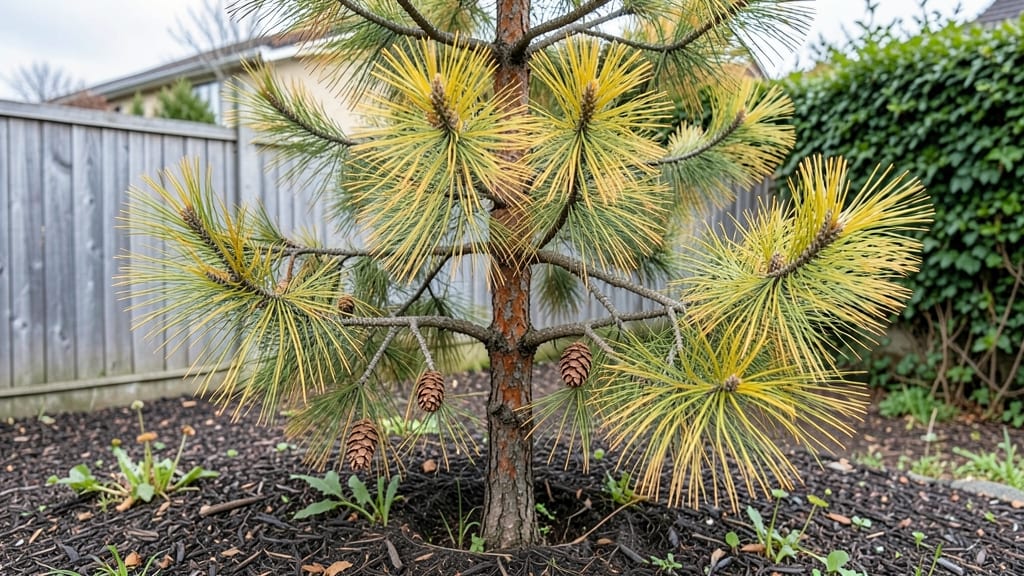
Growing a live pine tree in your Pacific Northwest garden isn’t just about planting a seedling—it’s about cultivating a frost-resistant evergreen that thrives through rain, wind, and winter.
I’ve learned the hard way that skipping proper pruning turns these hardy trees into tangled messes, but the right cuts keep them strong and beautiful for decades. The key starts with choosing the right variety—like the Mugo pine or Norway spruce—that handles our damp climate without fuss.
You’ll need well-draining soil (mix in sand if yours is heavy), full sun for at least 6 hours a day, and patience—these trees grow slowly but steadily. Water deeply once a week after planting, then let nature take over.
The real magic happens in pruning: thin out crowded branches in late winter to improve airflow and prevent disease. I’ve seen pines go from scraggly to showstopping in just one season with this approach.
By summer, you’ll have a tree that stays lush even in drought, resists common pests like pine beetles, and becomes the backbone of your landscape. The needles stay vibrant year-round, and with proper care, your pine will outlive you—literally.
Whether you’re framing a garden bed or adding height to a slope, this guide turns intimidation into confidence.
Bonus: These trees need zero winter prep—no wrapping, no extra watering. Just plant, prune smartly, and let them do their thing. Ready to grow a tree that outlasts trends? Let’s get started.
📚 In This Guide
- What you need
- Instructions
- Tips and common mistakes
- Wrapping up and next steps
What you need
- ● Live pine tree: Choose a Pinus sylvestris (Scots pine) or Pinus contorta (lodgepole pine)—both are frost-resistant and perfect for PNW gardens. Seedlings (3–5 ft tall) or mature trees (10+ ft) work best.
- ● Well-draining soil: Mix 50% native soil + 30% coarse sand + 20% compost (avoid clay-heavy soil!).
- ● Organic mulch: 3–4 inches of pine needles, bark chips, or cedar mulch (retains moisture and mimics natural forest floors).
- ● Watering can or hose: With a gentle spray nozzle (pine roots are shallow and sensitive to flooding).
- ○ Fertilizer (optional but helpful): Slow-release pine-specific fertilizer (e.g., 10-10-10 NPK ratio, applied twice a year in early spring and fall).
- ● Mycorrhizal fungi (boosts root health—sprinkle at planting time).
- ● Bypass pruners: Sharp, high-quality (e.g., Felco or Corona) for clean cuts on branches up to ½ inch thick.
- ● Loppers: For branches ½–1½ inches thick (look for ratcheting or bypass styles for precision).
- ● Pruning saw: Curved-tooth saw for thicker branches (1.5+ inches).
- ● Safety gear: Work gloves (cut-resistant for handling resinous branches).
- ● Safety goggles (pine sap can irritate eyes!).
- ● Long sleeves/pants (protects from resin and scratches).
- ○ Sealing wax or pruning paint: (Optional) For large cuts (2+ inches) to prevent disease.
- ● Timing: Plant or prune during the dormant season (late fall/winter) to minimize stress.
- ● Location: Choose a spot with full sun (6+ hours/day) and wind protection (PNW’s coastal winds can stress young trees).
- ● Water source: Ensure access to consistent moisture (especially critical in the first 2 years).
- ● Local regulations: Check if your area requires a permit for large tree planting (common in urban PNW gardens).
How to grow and prune frost-resistant pine trees in the Pacific Northwest
Here’s how to cultivate and maintain healthy pine trees that thrive in the region’s unique climate.
Select the Right Pine Species for Your Climate
The Pacific Northwest’s cool, moist summers and cold winters favor native or adapted pine species like Pinus contorta (lodgepole pine) or Pinus monticola (western white pine). These varieties tolerate frost and wet soil better than southern pines. Avoid species like slash pine, which struggle in temperatures below 25°F. Check your USDA hardiness zone—most PNW pines thrive in zones 5-8.
When purchasing, opt for 1- to 3-year-old container-grown trees for better transplant success. Bare-root seedlings are cheaper but require extra care to establish. Look for stock with firm, flexible needles—a sign of health. Avoid trees with yellowing needles or sparse foliage, as these indicate stress or disease.
Plant in Well-Draining Soil with Proper Spacing
Pines hate soggy roots, so amend heavy or clay soils with 3-4 inches of organic matter (like compost or bark mulch) before planting. A slightly acidic soil pH (5.0-6.5) suits most PNW pines. Dig a hole twice as wide as the root ball but no deeper—planting too low suffocates roots and invites rot.
Space young trees 12-15 feet apart to allow airflow and reduce competition. In windy PNW sites, stake trees temporarily to prevent uprooting until roots establish (1-2 years). Water deeply after planting to settle soil around roots, then let the top 2 inches dry before watering again. Overwatering at this stage drowns roots before they adapt.
Prune for Frost Resistance and Structural Health
Prune late winter or early spring (February-March) before new growth begins. Remove dead, crossing, or inward-growing branches first—these compete for sunlight and weaken the tree. Use clean, sharp pruners to make cuts just outside the branch collar (the swollen area where the branch meets the trunk). Avoid leaving stubs, which invite disease.
Thin the canopy by 20-30% to improve airflow, reducing frost damage to inner branches. Never remove more than one-third of the foliage in a single pruning—pines are slow to recover. Seal larger cuts (over ½ inch) with pruning sealant to prevent sap loss, but skip this for small cuts (pines seal naturally).
Protect Young Trees from Frost and Wind
Newly planted pines need shelter from winter winds, which dry needles and stress roots. Use burlap windbreaks or plant near existing trees for the first 2-3 winters. Avoid plastic sheeting—it traps moisture and causes needle rot. In extreme frost zones (below 10°F), wrap the lower trunk with tree guard (not plastic) to prevent sunscald.
Mulch the base with 3-4 inches of wood chips, keeping mulch 6 inches away from the trunk to prevent rot. Replenish mulch annually. Water deeply but infrequently in winter—once a month if the ground isn’t frozen. Overwatering in cold soil suffocates roots. Watch for brown needles in spring; these often indicate winter desiccation, not death.
Monitor for PNW-Specific Pests and Diseases
The Pacific Northwest’s mild winters create ideal conditions for pine needle scale and white pine blister rust. Inspect trees annually for sticky residue on branches (scale) or orange pustules on needles (rust). Treat scale with horticultural oil in early spring, and remove infected branches immediately. For rust, prune affected branches 12 inches below lesions to prevent spread.
Thin-needled pines (like ponderosa) are more drought-tolerant, while thick-needled species (like Douglas fir) need consistent moisture. Adjust watering based on needle type—thin-needled pines can handle drier spells, while thick-needled varieties may need weekly watering in summer. Always water deeply at the drip line, not at the trunk.
Tips & tricks for perfectly frost-resistant pine trees in the Pacific Northwest
These pro strategies will help you cultivate hardy, thriving pines that withstand the region's unique climate challenges.
Species Selection Insight: When choosing between Pinus contorta and Pinus monticola, consider your specific microclimate. Lodgepole pine handles wetter conditions better, while western white pine tolerates slightly drier sites. I've found that planting both species together creates a more resilient ecosystem—one species benefits the other through shared root systems.
Soil Preparation Strategy: The 3-4 inches of organic matter recommendation is non-negotiable for PNW pines, but don't stop there. Mix in a handful of mycorrhizal fungi granules with your compost before planting. These beneficial fungi form symbiotic relationships with pine roots, dramatically improving nutrient uptake and drought resistance in the first critical growing season.
Pruning Precision: When thinning the canopy by 20-30% in Step 3, focus on removing branches that create dense clusters. I use the "one-third rule" as a guide: never remove more than one-third of the foliage in any single pruning session. This maintains the tree's ability to photosynthesize while still improving airflow. For larger cuts over ½ inch, I've had success using a tree wound dressing that contains beeswax—it creates a protective barrier without suffocating the wound.
Winter Protection Hack: For those extreme frost zones below 10°F, create a temporary windbreak using burlap sacks filled with straw instead of plastic sheeting. These breathable barriers allow moisture to escape while still blocking harsh winds. I've also found that wrapping the lower trunk with tree guard works best when applied in a spiral pattern—this prevents the material from bunching up and creating cold spots against the bark.
Pro Tips for Live Pine Tree
- These pro strategies will help you cultivate hardy, thriving pines that withstand the region's unique climate challenges.
- Species Selection Insight: When choosing between Pinus contorta and Pinus monticola, consider your specific microclimate.
- Soil Preparation Strategy: The 3-4 inches of organic matter recommendation is non-negotiable for PNW pines, but don't stop there.
Frequently asked questions
How do I know when to prune a live pine tree in the PNW?
Prune your live pine tree late winter to early spring (before new growth starts) to avoid stressing the tree during cold snaps. Focus on removing dead, diseased, or crossing branches—never cut more than 25% of the foliage at once. Pro tip: Use sharp, sterilized tools to prevent damage and disease spread.
Will my live pine tree survive PNW winters without extra protection?
Most live pine varieties (like Pinus thunbergii or Pinus sylvestris) are frost-resistant, but young trees or sensitive species may need help. Mulch the root zone with 3–4 inches of wood chips in fall, and water deeply before the ground freezes. Avoid heavy snow buildup on branches—gently brush it off to prevent breakage.
Can I prune a live pine tree in summer or fall?
Summer pruning is not recommended—it stresses the tree and can invite pests. Fall pruning is risky too, as new growth may not harden off before winter. If you must prune later in the year, do so 6–8 weeks before the first frost and keep cuts minimal. Prioritize late winter for best results.
What’s the best alternative if I can’t grow a live pine tree?
If your site has poor drainage or extreme microclimates, consider drought-tolerant evergreens like Juniperus (juniper), Chamaecyparis lawsoniana (false cypress), or Thuja plicata (western red cedar). These thrive in PNW conditions with less maintenance than pines. For a pine-like look, try Picea glauca (white spruce)—it’s hardier and adaptable!
Why are my pine tree’s needles turning brown? Is it dying?
Brown needles are usually normal—pines shed older needles (especially in 2–3-year cycles). But if browning is sudden, patchy, or accompanied by needle drop, check for:
If in doubt, send a sample to your local Extension office for diagnosis.
Wrapping up and next steps
Growing a live pine tree in the Pacific Northwest is a rewarding journey—especially when you master frost-resistant pruning! 🌲❄️ With the right tools, timing, and techniques, your tree will thrive year after year, adding beauty and resilience to your garden.
Remember, patience and precision are key, so take your time and enjoy the process.
Ready to elevate your green thumb game? Start small—pick one pruning session this season and observe how your pine tree responds. Over time, you’ll build confidence and create a stunning, healthy centerpiece for your outdoor space. Happy pruning! 🌟