
Pruning
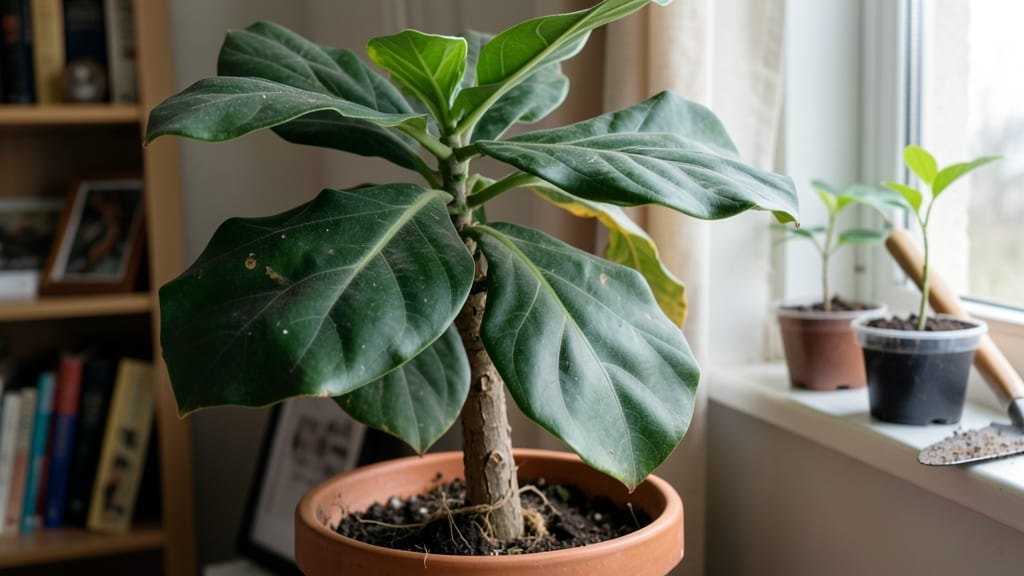
Planting a ficus tree with a Pacific Northwest-resistant root system starts with the right soil and spot. I’ve learned the hard way that soggy soil or windy corners turn even tough ficus varieties into sad, leggy shadows—so let’s fix that.
The key is matching your tree’s needs to your climate, whether you’re in Seattle’s damp winters or Portland’s dry summers.
You’ll need well-draining soil mixed with compost, a location with morning sun and afternoon shade, and a hole twice as wide as the root ball. Ficus trees hate sitting in water, so raised beds or mounded soil work wonders in heavy clay.
My first ficus nearly died from transplant shock until I added a handful of mycorrhizal fungi to the planting hole—game changer.
After planting, water deeply but let the top inch of soil dry between waterings. Within a month, you’ll see new growth as the roots adjust, and by summer, your tree will look like it’s been there for years.
The secret? Patience and avoiding overwatering—ficus trees thrive when you let them settle in.
Works for both container-grown and nursery-bought ficus trees, and the same principles apply to varieties like the weeping fig or rubber plant. Here’s how to get it right the first time—no sad, droopy leaves in sight.
📚 In This Guide
- What you need
- Instructions
- Tips and common mistakes
- Wrapping up and next steps
What you need
- ● Ficus tree (choose a variety like Ficus elastica or Ficus benjamina, which are well-suited for PNW climates).
- ● High-quality potting soil (5–10 gallons, well-draining, and rich in organic matter—look for a mix labeled for container plants or ficus trees).
- ● Container or planting hole: For containers: A pot with drainage holes, at least 12–18 inches in diameter (bigger for mature trees).
- ● For in-ground planting: A hole twice as wide as the root ball and as deep.
- ● Perlite or sand (1–2 cups, to improve drainage and aeration).
- ● Slow-release fertilizer (balanced 10-10-10 or organic options like fish emulsion).
- ● Watering can or hose with a gentle spray nozzle (for post-planting hydration).
- ● Gloves and pruning shears (to handle roots and trim any damaged branches).
- ● Mulch (2–3 inches of shredded bark or wood chips to retain moisture and regulate soil temperature).
- ● Root stimulator (like mycorrhizal fungi or a liquid rooting hormone for faster establishment).
- ● Support stake (if planting in windy areas, especially for taller varieties).
- ● Soil moisture meter (to monitor hydration levels, especially in PNW’s rainy seasons).
- ● Container saucer or tray (if planting in pots, to catch excess water and prevent root rot).
Step-by-Step guide to planting a Pacific Northwest-resistant ficus tree
Here's how to establish a hardy ficus with a root system built to thrive in our damp, cool climate.
Select the Right Ficus Variety for Your Climate
Choose a Pacific Northwest-resistant ficus like the Ficus elastica 'Robusta' or Ficus benghalensis, both of which tolerate cooler temperatures and higher humidity better than tropical varieties. These types handle our region's 45-75°F range without the need for constant indoor heat.
Inspect the tree's roots before purchasing. Healthy roots should be white or light tan and firm to the touch, not dark, mushy, or smelling foul. Avoid trees with roots circling the pot—they'll strangle the trunk as it grows. If you find this, gently tease the roots apart with your fingers before planting.
Prepare the Planting Site for Drainage and Airflow
Ficus trees hate soggy roots, so pick a spot with well-draining soil—even in the PNW's wet climate. Amend native soil with 2-3 inches of compost and a 1-inch layer of perlite or coarse sand to improve drainage. Dig a hole twice as wide as the root ball but only as deep—planting too deep suffocates the roots.
If your yard has heavy clay soil, consider planting in a large container with drainage holes instead. Use a high-quality potting mix with perlite to mimic ideal conditions. Water the tree deeply 24 hours before transplanting to reduce shock—you'll see the soil around the edges of the pot darken slightly from moisture.
Transplant with Care to Avoid Root Damage
Remove the ficus from its container and gently loosen the root ball at the edges with your fingers. If the roots are tightly bound, use a knife to make 2-3 vertical cuts around the root ball to encourage outward growth. Place the tree in the hole so the top of the root ball sits 1 inch above ground level—this prevents rot during heavy rains.
Backfill the hole with native soil mixed with compost, tamping down lightly as you go. Water immediately after planting to settle the soil and eliminate air pockets. You'll know it's right when the surface looks slightly compacted but not muddy. Avoid fertilizing for 6-8 weeks—new roots are sensitive to salts in fertilizer.
Establish Watering and Light Routines for First-Year Growth
Water deeply once a week during the first year, allowing the top 2-3 inches of soil to dry out between waterings. In the PNW's mild summers, you'll likely water less frequently—check by sticking your finger into the soil. If it feels damp 1 inch down, wait another day.
Position the ficus in bright, indirect light—morning sun is ideal, while harsh afternoon sun can scorch leaves. If growing indoors, place it near a south-facing window or under a grow light for 12-14 hours daily. You'll notice new leaves emerging within 4-6 weeks if conditions are right—look for glossy, dark green foliage as a sign of healthy growth.
Prune and Protect for Long-Term Pacific Northwest Resilience
Prune in late winter or early spring to shape the tree and remove dead branches. Use clean, sharp pruners to make cuts just above a leaf node or bud. Avoid heavy pruning—ficus trees respond poorly to drastic cuts and may produce fewer leaves. Focus on removing only 10-20% of the canopy at a time.
In colder PNW winters (below 40°F), protect young trees by wrapping the trunk with burlap or tree guard to prevent rodent damage. Mature ficus trees handle our climate well, but young specimens benefit from a lightweight frost cloth during unexpected freezes. Mulch the base with 2-3 inches of wood chips to insulate roots and retain moisture.
Tips & tricks for perfect ficus tree planting
Here's what I've learned after helping dozens of PNW gardeners establish thriving ficus trees—these details make all the difference for long-term success.
Root Health Check: In Step 1, when inspecting roots, pay special attention to the color and texture. Healthy roots should feel like firm white celery stalks, not limp or dark. If you find any mushy spots, trim them away with clean scissors before planting—this prevents rot from spreading. Remember, our damp climate means roots need extra airflow to prevent disease.
Soil Preparation Secret: For Step 2, don't just add compost—mix it thoroughly with your native soil. I've seen many gardeners just pile compost in the hole, which creates a barrier that roots can't penetrate. Spread that 2-3 inches of compost evenly throughout the hole, especially around the edges where new roots will grow. The perlite layer should be at the bottom of the hole to create a drainage layer.
Transplanting Technique: When you're loosening the root ball in Step 3, be gentle but thorough. I like to use my fingers to separate the outer roots from the pot, then make those 2-3 vertical cuts only if the roots are tightly bound. This encourages outward growth rather than letting them circle and strangle the trunk. The 1-inch elevation above ground level is critical—this prevents water from pooling around the trunk during our frequent PNW rains.
Watering Wisdom: For Step 4, that once-a-week watering guideline assumes average PNW conditions. If you're in a particularly rainy area, you might need to adjust to every 10 days. The finger test is your best friend—stick your finger 1 inch down. If it's damp, wait another day. Overwatering is the #1 killer of ficus trees in our climate, so it's better to underwater slightly than to drown them.
Pro Tips for Ficus Tree Planting
- Here's what I've learned after helping dozens of PNW gardeners establish thriving ficus trees—these details make all the difference for long-term success.
- Root Health Check: In Step 1, when inspecting roots, pay special attention to the color and texture.
- Soil Preparation Secret: For Step 2, don't just add compost—mix it thoroughly with your native soil.
Frequently asked questions
Got questions about planting your ficus tree in the Pacific Northwest? You’re not alone! Here are some of the most common concerns—and their straightforward solutions—to help you get started with confidence.
What’s the best time of year to plant a ficus tree in the PNW?
The ideal window is early spring (March–April) or fall (September–October). Avoid extreme heat or frost—PNW’s mild winters make fall a great second choice. Young roots establish best in cooler temps with consistent moisture.
Can I plant a ficus tree in a container, or does it need ground planting?
Both work! Ground planting is ideal for mature trees (5+ years), but containers are perfect for small varieties (like Ficus benjamina) or urban spaces. Use well-draining soil and upgrade pots every 2–3 years. Just ensure containers get 6+ inches of depth for healthy roots.
My ficus leaves are yellowing—what’s wrong?
Yellow leaves often signal overwatering or poor drainage. Let the top 1–2 inches of soil dry between waterings, and amend heavy PNW clay soil with compost or perlite. Check for root rot if leaves drop suddenly—trim affected roots and repot if needed.
How do I protect my ficus from PNW’s wet winters?
Ficus trees tolerate rain, but excess moisture can cause fungal issues. Plant in slightly elevated spots to improve drainage, and mulch (3–4 inches) to regulate soil temp. Avoid soggy soil—water only when the topsoil feels dry.
Are there ficus varieties that thrive specifically in the PNW?
Yes! The Ficus elastica (Rubber Plant) and Ficus microcarpa (Ginseng Ficus) handle PNW’s cooler, damp climate best. For outdoor planting, opt for drought-tolerant types like Ficus carica (Edible Fig)—just pick a sheltered spot to avoid windburn.
Still unsure? Drop your question in the comments—we’re happy to help your ficus flourish!
Wrapping up and next steps
Planting a ficus tree in the Pacific Northwest is a rewarding way to add lush greenery to your landscape—especially when you prioritize a root-hardy variety like the Ficus macrophylla or Ficus elastica.
By choosing the right soil, location, and care routine, you’ll set your tree up for years of thriving growth—even in cooler climates. 🌱
Now that you’re armed with the tools, tips, and troubleshooting you need, take that first step: mark your planting spot and gather your supplies. Whether you’re a seasoned gardener or just starting, your ficus tree will thank you with vibrant leaves and sturdy roots. Happy planting! 🌿