
Pruning
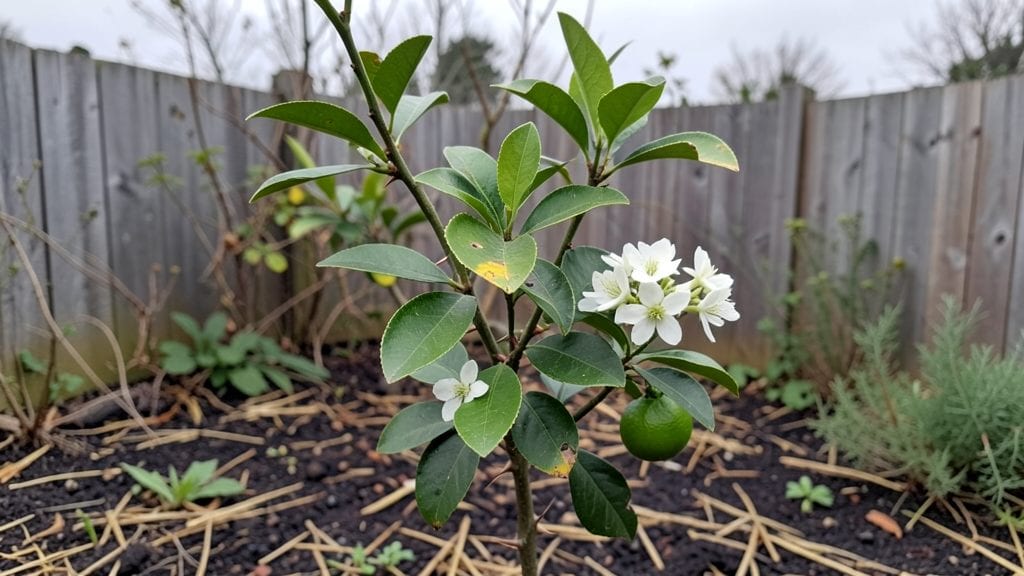
The lime tree with thorns thrives in the Pacific Northwest when you prune it right—especially after frost. I’ve wrestled with these spiky citrus relatives for years, and the difference between a scraggly bush and a productive, frost-hardy tree comes down to timing, cuts, and a little patience.
Those thorns aren’t just for show; they’re nature’s way of protecting a tree that can handle our damp winters better than most citrus.
Start with the right variety—like the Mexican lime (Citrus aurantifolia) or its wild relatives—because they’re tougher than your average grocery-store lime. These trees need well-draining soil and full sun (or at least 6 hours daily), but they’ll forgive you if you plant them in partial shade.
Water deeply once a week, but cut back in winter to let the roots toughen up before frost. The key to pruning? Late winter, right before new growth starts—this is when you shape the tree to encourage strong branches and keep those thorns from turning into a hazard.
After pruning, you’ll see glossy new leaves by spring and a harvest of tart, fragrant limes by summer. The thorns might make handling tricky, but they also mean fewer deer nibbling your tree. Plus, the ornamental value?
Those bright green leaves and occasional blossoms turn heads even when the fruit isn’t ready. Just watch for aphids or scale—they love tender new growth—and treat them early with neem oil or insecticidal soap.
This method works for container-growing too—just use a 15-gallon pot and prune harder to control size. Whether you’re growing for fruit, shade, or just the drama of those thorns, the Pacific Northwest’s frost won’t stand a chance with these secrets. Let’s get those shears sharp and start shaping!
📚 In This Guide
- What you need
- Instructions
- Tips and common mistakes
- Wrapping up and next steps
What you need
- ● Pruning shears or bypass pruners – Sharp, clean, and sterilized (for small to medium branches). Choose bypass-style (not anvil) to avoid crushing stems.
- ● Loppers – For thicker branches (½"–1.5" diameter). Look for long-handled, bypass-style loppers for leverage.
- ● Pruning saw – For branches >1.5" thick. A bow saw or folding pruning saw works best.
- ● Garden gloves – Heavy-duty, thorn-proof (e.g., mechanized or reinforced leather gloves to protect against Citrus trifoliata’s sharp thorns).
- ● Disinfectant (70% isopropyl alcohol or bleach solution) – 1 part bleach to 9 parts water to sterilize tools between cuts and prevent disease.
- ● Rubbing alcohol or hand sanitizer – For cleaning hands after handling thorny branches.
- ● 5-gallon bucket or trash bag – To collect pruned branches and debris.
- ● Ladder or step stool – Sturdy and tall enough to reach the tree’s canopy safely (if your tree is >6 ft tall).
- ● Permanent marker – For marking branches to remove (if planning ahead).
- ● Thorn-proof long sleeves/pants – Lightweight, breathable fabric with reinforced stitching (e.g., gardening coveralls).
- ○ Tree wound sealant (optional) – For large cuts (>½" diameter). Use a natural, non-toxic sealant like pruning paste to prevent disease entry.
- ● Extension pole pruners – If your tree is tall or dense, these help reach high branches without a ladder.
- ● First-aid kit – Just in case those thorns do get the best of you!
- ● Camera or phone – To document your tree’s shape before and after pruning.
Instructions for pruning a frost-resistant lime tree in the Pacific Northwest
Here’s the pruning method I’ve used for years to keep my thorny lime tree thriving through PNW winters.
Time Your Pruning for Frost Resilience
Prune your lime tree in late winter or early spring, just as new growth begins to swell but before buds break open. In the Pacific Northwest, this typically falls between mid-February and early March, when frost risk has passed but the tree isn’t yet actively growing. Pruning too early can expose tender wood to late-season frosts, while waiting too long removes protective foliage needed for winter recovery.
Watch for the first signs of bud activity—tiny green swellings along the branches. This is your cue that the tree’s sap is flowing and it can heal quickly from pruning cuts. If you’re unsure, err on the side of waiting a few extra weeks. A well-timed prune ensures your tree retains enough energy to push new growth when spring arrives.
Remove Dead, Diseased, or Damaged Branches First
Start by inspecting the tree for any branches that are dead, diseased, or physically damaged from storms or frost. Use clean, sharp pruning shears to make cuts just outside the branch collar—the swollen area where the branch meets the trunk. This ensures the tree can seal the wound properly and prevents rot from creeping into the trunk.
If a branch is larger than ½ inch in diameter, use a pruning saw for a clean cut. Avoid tearing the bark or leaving stubs, as these invite pests and disease. I always disinfect my tools with rubbing alcohol between cuts to prevent spreading any hidden pathogens. Remove any branches that cross or rub against each other, as these will eventually create wounds and weaken the tree.
Thin the Canopy for Better Airflow and Light
Next, focus on thinning the canopy to improve airflow and sunlight penetration. Look for branches that grow inward or downward, as these block light and moisture from reaching the center of the tree. Aim to remove no more than 25% of the tree’s foliage in one season—this keeps stress levels low while still improving overall health. Start at the outer edges and work your way inward.
When thinning, make your cuts at the branch collar and avoid leaving stubs. You’ll notice the tree’s structure becomes more open, which helps prevent fungal diseases like powdery mildew—a common issue in the damp PNW climate. If you’re unsure which branches to remove, step back and visualize the tree’s natural shape. The goal is to maintain an open vase-like form that allows light to reach all parts of the canopy.
Shape the Tree for Winter Hardiness
Now, shape the tree to encourage a strong, frost-resistant structure. Focus on reducing the height of the tree by no more than 10% in a single pruning session, as drastic height reduction can stress the tree. Use your pruning shears to trim back the tips of branches that are growing too vigorously or are too close together. This redirects the tree’s energy toward producing thicker, sturdier branches that can better withstand frost.
Pay special attention to the lower branches, as these are often the first to suffer in cold snaps. If you’re growing your lime tree in a container, avoid heavy pruning in the fall—this can stimulate new growth that won’t harden off before winter. Instead, save most of your shaping for late winter, when the tree is dormant but ready to rebound with spring.
Clean Up and Protect the Tree for Winter
After pruning, rake up and dispose of all clippings to reduce the risk of pests and diseases overwintering in the yard. If you notice any signs of pests, like scale or aphids, treat the tree with horticultural oil or insecticidal soap before the first frost. This prevents infestations from taking hold when the tree is most vulnerable.
Finally, apply a 2-3 inch layer of mulch around the base of the tree, keeping it 6 inches away from the trunk to prevent rot. This helps insulate the roots from temperature fluctuations and retains moisture during the dry PNW summers. Water deeply before the first hard frost to ensure the tree is hydrated and better equipped to handle cold snaps. With these steps, your lime tree will be ready to thrive through another PNW winter.
Tips & tricks for pruning a frost-resistant lime tree
Pruning a thorny lime tree in the Pacific Northwest takes patience and precision—here’s how to make it easier and more effective.
Timing is Everything: I can’t stress this enough—wait until you see those tiny green swellings on the branches in late winter (mid-February to early March). This tells you the tree’s sap is flowing just enough to heal quickly, but the buds haven’t opened yet. If you prune too early, you risk exposing tender wood to late frosts. I’ve learned this the hard way after seeing new cuts freeze back to bare wood.
Tool Maintenance Matters: Your pruning shears and saw need to be sharper than a tack to make clean cuts at the branch collar. Dull tools tear bark, creating wounds that invite disease. I keep a small bottle of rubbing alcohol handy to disinfect tools between cuts—this prevents spreading any hidden pathogens from diseased branches. For branches over ½ inch thick, a pruning saw gives you the leverage you need without crushing the branch.
Visualize the Tree’s Future: Before you make any cuts, step back and look at the tree’s natural shape. The goal is an open vase-like form that lets light and air reach all parts of the canopy. I imagine the tree’s mature form—this helps me decide which branches to remove. For example, if you have two branches growing in the same direction, keep the stronger one and remove the weaker competitor. This creates a stronger structure that can better withstand winter winds.
Mulch Like a Pro: After pruning, don’t skip the mulch! Apply a 2-3 inch layer around the base, but keep it 6 inches away from the trunk to prevent rot. I use wood chips because they break down slowly and improve soil structure over time. This layer acts like a blanket, insulating roots from temperature swings and retaining moisture during our dry PNW summers. It’s one of the most underrated steps for winter survival.
Pro Tips for Lime Tree With Thorns
- Pruning a thorny lime tree in the Pacific Northwest takes patience and precision—here’s how to make it easier and more effective.
- Timing is Everything: I can’t stress this enough—wait until you see those tiny green swellings on the branches in late winter (mid-February to early March).
- Tool Maintenance Matters: Your pruning shears and saw need to be sharper than a tack to make clean cuts at the branch collar.
Frequently asked questions
Got questions about pruning your lime tree with thorns in the Pacific Northwest? You’re not alone! Whether you’re dealing with frost resistance, thorny branches, or seasonal care, here are answers to the most common concerns.
How cold can a lime tree with thorns tolerate before frost damage occurs?
A lime tree with thorns (like the Citrus × aurantiifolia or Citrus × limon hybrids) typically handles light frosts down to 20–25°F (-6 to -4°C). However, prolonged exposure below 28°F (-2°C) risks leaf burn or bud dieback. In the PNW, container-grown trees are easier to protect by moving them indoors or wrapping them in frost cloth.
When is the best time to prune a lime tree with thorns to avoid frost-related stress?
Prune your lime tree late winter or early spring (February–March), just before new growth begins. Avoid heavy pruning in fall or winter, as this can stress the tree and make it more vulnerable to frost. If you must prune in late winter, do so after the worst frosts have passed—usually after mid-February in the PNW.
How do I safely prune thorny branches without getting hurt?
Thorns can be tricky, but safety first! Wear thick gloves (like leather or chainmail) and long sleeves to protect your hands and arms. Use long-handled pruners or a pruning saw for thicker branches. If thorns are dense, consider disinfecting tools with rubbing alcohol between cuts to prevent disease spread.
Can I prune a lime tree with thorns in summer to encourage more fruit?
While light summer pruning (removing only dead or overgrown branches) is safe, avoid heavy pruning in summer. Heavy cuts can stress the tree, making it less frost-resistant and reducing fruit production. Focus on structural pruning in late winter and minimal maintenance pruning in summer to maintain shape and health.
Are there frost-resistant alternatives to lime trees with thorns?
If thorns are a dealbreaker, consider these PNW-friendly citrus alternatives:
- Kumquat (Fortunella spp.) – Hardy to 15°F (-9°C), thorn-free, and produces edible fruit.
- Calamondin Orange (Citrus × microcarpa) – Tolerates 25°F (-4°C) and has fewer thorns.
- Meyer Lemon (Citrus × meyeri) – More frost-tolerant than true lemons (25°F/-4°C) but may still have some thorns.
For thorn-free options, look into Citrus × limon ‘Four Seasons’ (a lemon-lime hybrid with milder thorns) or Poncirus trifoliata (hardy to 10°F/-12°C but not a true citrus).
Wrapping up and next steps
Pruning your lime tree with thorns in the Pacific Northwest doesn’t have to be a daunting task—especially when you know the right techniques to boost frost resistance and health.
From timing your cuts to sharpening your tools, every step plays a role in nurturing a thriving tree. 🌿 With patience and care, you’ll enjoy lush foliage, bountiful fruit, and a resilient tree that stands strong against winter’s chill.
Ready to take the next step? Grab your pruners and schedule your first pruning session this fall! Start small, observe your tree’s response, and adjust as needed. Happy pruning—your lime tree will thank you with vibrant growth and delicious fruit for years to come! 🍋✨