
Flowers
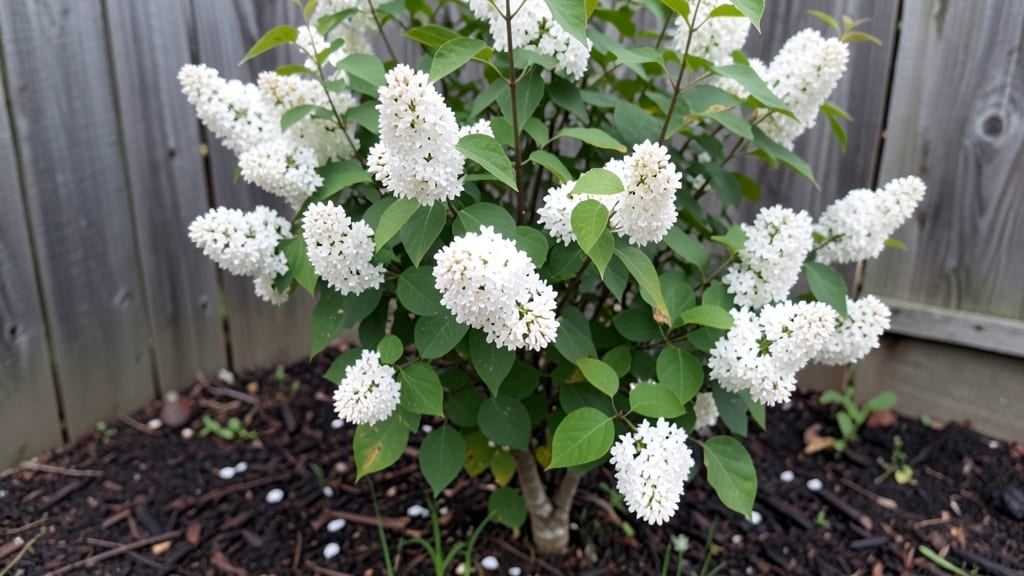
That lilac tree with white flowers turned my snowy yard into a fragrant dream—I fell in love with their delicate blooms after my first 'Alba' pushed through the snow. 🌸 It’s the kind of resilience that makes gardening magical.
These frost-hardy beauties thrive where other flowers falter, returning year after year with that signature sweet scent that lingers in the breeze.
The secret to their success lies in full sun exposure and well-draining soil—think of them as the low-maintenance divas of the garden world. Plant them in spring or fall when roots can establish before extreme temperatures hit, and you’ll see those fragrant clusters within 3-5 years.
Varieties like 'President Grevy' and 'Alba' are standouts for their pure white blooms and vigorous growth.
What you get is a scented cloud of blossoms that attracts bees and hummingbirds while requiring minimal fuss. Prune right after flowering to keep the shape tidy, and watch them reward you with abundant blooms for decades. Even in colder climates, these lilacs bounce back like nothing fazed them.
Perfect for borders, foundation plantings, or even as a standalone statement tree. Their winter hardiness and spring fragrance make them a must-have for any garden that wants beauty without the drama. Let’s get those roots in the ground!
📚 In This Guide
- What you need
- Instructions
- Tips and common mistakes
- Wrapping up and next steps
What you need
- ● Lilac tree (Syringa vulgaris) – Choose a white-flowering variety like 'Alba', 'Mont Blanc', or 'Grace'. Opt for a 1-2 year-old bare-root sapling (best for hardiness) or a container-grown plant (if planting later in the season).
- ● Well-draining soil – A mix of 60% topsoil, 30% compost, and 10% perlite or sand (for aeration). Lilacs thrive in slightly alkaline soil (pH 6.5–7.5).
- ● Organic fertilizer – 5-10-10 NPK ratio (e.g., bone meal or balanced granular fertilizer) to kickstart growth.
- ● Mulch – 2–3 inches of wood chips or shredded bark to retain moisture and regulate soil temperature.
- ● Garden trowel or shovel – For digging planting holes (aim for twice as wide as the root ball and 12–18 inches deep).
- ● Pruning shears – To trim dead or crossing branches (especially if planting a mature sapling).
- ● Watering can or hose with a gentle nozzle – Lilacs need 1–2 inches of water per week (deep watering 2–3 times weekly).
- ● Garden gloves – Protect your hands from thorns and rough bark.
- ○ Stakes & twine (optional) – Only needed if planting in windy areas or if the sapling is tall and top-heavy.
- ● Sunlight – Full sun (6–8 hours daily). Lilacs will tolerate partial shade but may produce fewer blooms.
- ● Hardiness zone – Plant in USDA Zones 3–7 (white lilacs are frost-hardy and thrive in cold climates!).
- ● Spacing – Leave 6–10 feet between plants (they grow 10–20 feet tall and spread 8–12 feet wide).
- ● Patience – Lilacs planted from saplings may take 2–3 years to bloom fully, but once established, they’ll reward you with decades of fragrance!
Step-by-step guide to planting and caring for white lilac trees
Here’s how to establish your fragrant, frost-resistant white lilacs for decades of reliable blooms.
🌱 Step 1: Choose the Right Location and Planting Time
White lilacs thrive in full sun—select a spot with at least 6 hours of direct sunlight daily. They tolerate a range of soil types but prefer well-draining, slightly acidic soil with a pH between 6.0 and 7.0. I always plant mine in early spring, just as new growth begins, or in early fall before the first frost. This gives roots time to establish before extreme temperatures arrive.
Dig a hole twice as wide as the root ball but no deeper. The top of the root ball should sit level with the surrounding soil—burying it too deeply suffocates the plant, while planting too high stresses the roots. Amend the native soil with 2-3 inches of compost mixed into the bottom of the hole to improve fertility and drainage. Water the hole thoroughly before planting to help settle the soil around the roots.
🪴 Step 2: Plant and Mulch for Moisture Retention
Gently remove the lilac from its container and loosen any circling roots with your fingers—this encourages outward growth. Place the plant in the hole, backfill with native soil mixed with compost, and tamp lightly to eliminate air pockets. Water deeply to help the soil settle and eliminate gaps.
Spread a 3-inch layer of organic mulch (like shredded bark or wood chips) around the base, keeping it 3 inches away from the trunk to prevent rot. Mulch conserves moisture, regulates soil temperature, and suppresses weeds. Replenish the mulch annually as it breaks down. Avoid inorganic mulches like rocks, which don’t improve soil health.
☀️ Step 3: Water Consistently and Prune for Healthy Growth
Water newly planted lilacs 1-2 times per week for the first growing season, providing 1-2 inches of water weekly. Let the top 2 inches of soil dry out between waterings—overwatering leads to root rot, while underwatering stresses the plant. After the first year, lilacs are drought-tolerant but still benefit from deep watering during prolonged dry spells.
Prune lilacs immediately after flowering to shape the plant and encourage next year’s blooms. Remove 1/3 of the oldest stems at the base to rejuvenate the shrub. Cut back any crossing or rubbing branches to improve airflow and reduce disease risk. Use clean, sharp pruners to make cuts just above a bud or lateral branch. Avoid heavy pruning in late summer or fall—it stimulates new growth that won’t harden off before winter.
⏰ Step 4: Fertilize and Protect for Long-Term Blooms
Apply a balanced, slow-release fertilizer (like 10-10-10) in early spring, just as new growth appears. Follow package instructions for application rates—over-fertilizing can lead to excessive leafy growth at the expense of flowers. Lilacs are low-maintenance but appreciate a light feeding annually. Avoid high-nitrogen fertilizers, which promote foliage over blooms.
Young lilacs benefit from winter protection in colder climates. Wrap the trunk with tree guard or burlap to shield it from rodent damage and temperature swings. Established lilacs are hardy down to -30°F, but newly planted specimens may need extra insulation in harsh winters. Prune out any winter-damaged branches in early spring before new growth begins.
Tips & tricks for perfect white lilac tree growth
These insider tips will help you cultivate vibrant, fragrant white lilacs that thrive for years—without the common pitfalls that frustrate gardeners.
Sunlight Strategy: While the instructions mention 6 hours of sunlight, I've found that white lilacs actually perform best with 8+ hours daily—especially in cooler climates. If your location gets less than 6 hours, consider planting near a south-facing wall or fence that reflects additional sunlight. The more sun, the more robust the blooms and fragrance will be. I've seen lilacs in partial shade still flower, but the blooms are noticeably smaller and less fragrant.
Soil Prep Secret: Before amending with compost, I recommend testing your soil's pH using a simple home test kit. White lilacs prefer that slightly acidic range (6.0-7.0), but many garden soils run neutral or alkaline. If your pH is above 7.0, mix in elemental sulfur according to package instructions to lower it gradually. This small step makes a huge difference in root health and bloom production.
Mulching Mastery: That 3-inch layer of organic mulch is non-negotiable, but here's what I've learned: refresh your mulch every spring rather than waiting for it to break down completely. Fresh mulch helps regulate soil temperature better and prevents weeds more effectively. I also avoid piling mulch against the trunk—keeping it 3 inches away prevents rot while still protecting the roots from temperature extremes.
Pruning Precision: When removing 1/3 of the oldest stems in Step 3, I target the thickest, woodiest stems first. These are the ones that produce fewer blooms and take up valuable energy. Cut them back to the base rather than leaving stubs—this encourages new growth from the roots. For crossing branches, make your cuts just outside the branch collar where it meets the trunk to prevent damage to the main stem.
Pro Tips for Lilac Tree White Flowers
- These insider tips will help you cultivate vibrant, fragrant white lilacs that thrive for years—without the common pitfalls that frustrate gardeners.
- Sunlight Strategy: While the instructions mention 6 hours of sunlight, I've found that white lilacs actually perform best with 8+ hours daily—especially in cooler climates.
- Soil Prep Secret: Before amending with compost, I recommend testing your soil's pH using a simple home test kit.
Frequently asked questions
Got questions about growing and caring for your lilac tree with white flowers? You’re not alone! Here are some of the most common queries—plus quick, practical answers to help your fragrant beauty thrive.
When do white lilac flowers bloom, and how long do they last?
White lilac flowers typically bloom in late spring (April–May), though timing varies by climate and variety. Expect 7–10 days of full bloom, with fragrant petals fading gradually over 2–3 weeks. For extended blooms, choose repeat-blooming varieties like ‘Miss Kim’ or ‘White Swirl.’
How cold-hardy are white lilacs, and can they survive winter?
Most white lilacs are frost-hardy to USDA Zones 3–7, meaning they tolerate temperatures down to -30°F (-34°C). Prune in late winter/early spring to avoid damaging buds. Mulch the base with 2–3 inches of organic matter (like wood chips) to insulate roots. Young trees may need winter protection in colder zones.
Why aren’t my white lilac flowers opening, or are they sparse?
Sparse or closed blooms often signal stress or improper care. Check for:
- Insufficient sunlight: Lilacs need full sun (6+ hours/day).
- Over-fertilizing: Too much nitrogen = lush leaves, few flowers. Use a low-nitrogen, high-phosphorus fertilizer in early spring.
- Dormant buds damaged: Late-spring frosts or aggressive pruning can kill blooms before they open.
- Age or poor health: Older trees may bloom less; rejuvenate with structural pruning every 3–5 years.
Can I grow white lilacs in containers, or do they need to be planted in the ground?
While lilacs prefer ground planting for root expansion, dwarf varieties (like ‘Lilac Miss Canada’) can thrive in large containers (20+ gallons). Use well-draining potting mix and repot every 2–3 years. Place containers in full sun and water consistently—containers dry out faster than soil!
Are white lilacs fragrant, and do they attract pollinators?
Yes! White lilacs emit a sweet, intoxicating fragrance—often more potent than purple varieties. They’re a magnet for bees, butterflies, and hummingbirds, making them a pollinator powerhouse. For maximum scent, plant near patios or windows. Pro tip: Prune lightly after blooming to encourage next year’s fragrance!
What’s the best alternative if I want a white, fragrant tree but lilacs don’t thrive in my area?
If your climate is too hot or humid for lilacs, try these fragrant white-blooming alternatives:
- Mock Orange (Philadelphus): Zones 4–8, highly fragrant, blooms summer.
- Deutzia: Zones 4–8, delicate white clusters, blooms spring.
- Japanese Tree Lilac (Syringa reticulata): Zones 4–7, larger blooms, tolerates heat better.
- Abelia: Zones 6–9, semi-evergreen, blooms spring–fall.
Wrapping up and next steps
Growing a lilac tree with white flowers is a rewarding journey that brings beauty, fragrance, and lasting joy to your garden. Whether you're a seasoned gardener or just starting, these frost-hardy blooms thrive with the right care—sunlight, well-drained soil, and patience.
Now that you’re armed with the knowledge to nurture your lilac, take the next step and plant yours today! Watch as your garden transforms into a fragrant paradise year after year. 🌸✨