
Pruning
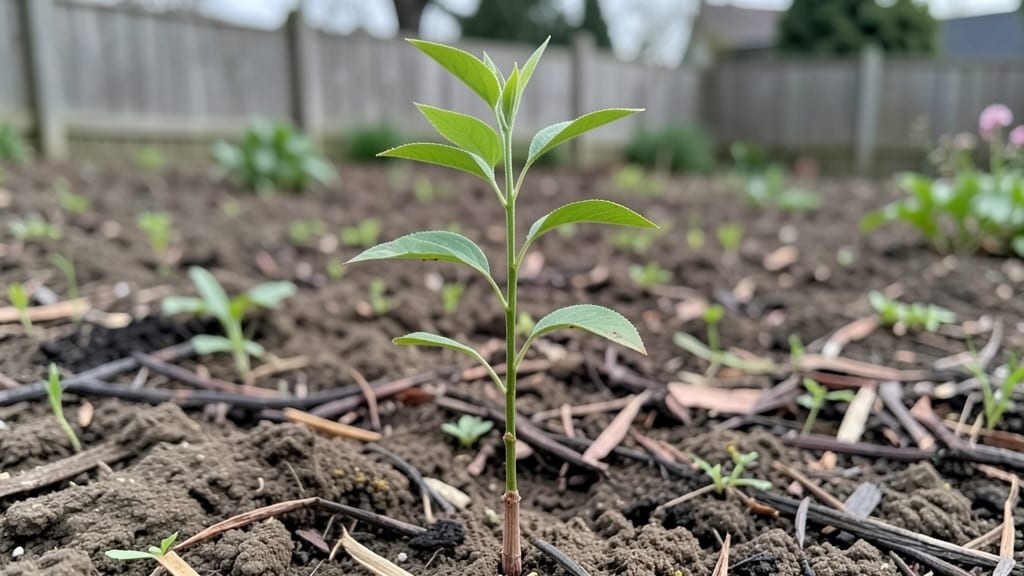
Growing a lilac tree seedling from scratch in the Pacific Northwest means you’re starting with a plant that’s tough enough to handle our damp winters and unpredictable springs—if you prune it right.
I’ve watched my own seedlings go from scraggly to showstopping in just three years, and the secret isn’t complicated: it’s all about timing those first cuts after the last frost when new growth is just starting to push through the soil.
The key to success here is patience and precision. You’ll need well-draining soil (mix in compost if yours is heavy clay), a spot with at least 6 hours of sunlight, and a watering routine that keeps the roots moist but never soggy.
Transplant shock is real—soak the roots before planting and avoid disturbing them more than necessary. Once established, lilacs thrive with minimal fuss, but those early months make all the difference.
By late summer, you’ll see clusters of fragrant buds forming, and with the right pruning, your tree will burst into vibrant purple blooms every spring. The best part? These Pacific Northwest varieties resist frost damage better than most, so you won’t lose last year’s growth to unexpected cold snaps.
Just remember: prune right after flowering, never in fall, or you’ll invite winter damage.
This method works for both container-grown seedlings and in-ground plantings, whether you’re starting in a small yard or a larger landscape. The only real challenge is resisting the urge to over-prune—less is more with lilacs. Let’s get those seedlings thriving!
📚 In This Guide
- What you need
- Instructions
- Tips and common mistakes
- Wrapping up and next steps
What you need
- ● Pruning shears: Bypass pruners (sharp, clean, and sterilized with rubbing alcohol—disease prevention is key!). Quantity: 1 pair.
- ● Loppers: For thicker branches (1–2 inches in diameter). Quantity: 1 pair.
- ● Hand pruners: For delicate cuts on small stems. Quantity: 1 pair.
- ● Gloves: Heavy-duty, cut-resistant gloves (PNW thorns don’t play nice!). Quantity: 1 pair.
- ○ Pruning saw: For stubborn, woody branches (optional but handy). Quantity: 1.
- ● Disinfectant: 70% isopropyl alcohol or bleach solution (1 part bleach to 9 parts water). Quantity: Small spray bottle or cloth.
- ○ Sealing wax or pruning paste: (Optional) To protect large cuts from pests/disease. Quantity: Small tub.
- ● Lilac seedling: A healthy, frost-hardy variety (e.g., ‘Dwarf Korean’ or ‘Miss Kim’). Age: 1–3 years old for best results.
- ● Watering can or hose: With a gentle spray nozzle for post-pruning hydration. Quantity: 1.
- ● Mulch: Organic mulch (e.g., shredded bark or pine needles) to insulate roots. Quantity: 2–3 inches around the base.
- ● Safety glasses: Protect your eyes from flying debris. Quantity: 1 pair.
- ● Ladder or stool: (If your seedling is tall—safety first!). Height: Adjustable or sturdy.
- ○ Notebook & pen: To jot down pruning notes (e.g., branch locations, growth patterns). Optional but smart!
Instructions for pruning Pacific Northwest lilac tree seedlings
Here's my battle-tested approach to shaping resilient lilac seedlings that thrive through our region's wet winters and cool summers.
Identify the Right Time for First Pruning
Wait until your lilac seedlings reach 12-18 inches tall before making any cuts—this usually happens in their second growing season. The key is to prune just after flowering (late spring) when the plant has finished its energy investment in blooms. This timing ensures you're not cutting off next year's flower buds, which form on last year's growth.
Look for three to five main stems emerging from the base. These will form your plant's framework. If you see weak, spindly growth reaching for light, that's your signal the seedling needs shaping. Never prune in fall or winter—lilacs are dormant then, and cuts won't heal properly before spring growth begins.
Shape the Framework with Strategic Cuts
Use clean, sharp pruning shears to make your first cuts at a 45-degree angle, about ¼ inch above a leaf node or outward-facing bud. This angle prevents water from pooling on the cut. Start by selecting two to three of the strongest, most upright stems—these will be your main scaffold branches. Remove any crossing or rubbing branches first, as these create wounds that invite disease.
For each remaining stem, cut back by one-third to encourage bushier growth. You'll see new side branches forming within 4-6 weeks—these are your future flowering stems. Lilacs naturally grow in clusters, so aim to create a rounded, open center rather than a dense mass. This airflow prevents fungal issues common in our damp climate.
Encourage Strong Branch Development
In the following growing season, focus on developing secondary branches. Look for water sprouts—those fast-growing, vertical shoots that appear along the main stems. These are energy vampires that weaken your plant. Remove them completely at the base, right where they emerge from the main stem. You'll also want to thin out any branches growing inward or downward, as these create a crowded, weak structure.
Apply a balanced 10-10-10 fertilizer in early spring to support new growth. Water deeply once a week during dry periods, but avoid overhead watering—lilacs hate wet foliage. You'll notice stronger, thicker stems developing within two growing seasons if you maintain this pruning rhythm. The goal is to build a sturdy framework that can support heavy spring blooms without toppling.
Prepare for Pacific Northwest Winters
In late fall, after leaves have dropped but before hard frosts, give your lilac seedlings a light structural pruning. Remove any dead, diseased, or weak branches, cutting back to healthy wood. This cleanup prevents pests from overwintering in damaged areas. For newly planted seedlings, consider wrapping the base with burlap to protect tender bark from winter sun scorch—our region's cold snaps can be brutal.
Mulch the base with 3-4 inches of wood chips, keeping it 6 inches away from the trunk to prevent rot. This insulation helps regulate soil temperature and protects roots during our wet winters. In early spring, remove the burlap and mulch back to 2 inches to allow soil to warm. You'll see vigorous new growth emerging in late April or May, signaling successful winter survival.
Tips & tricks for perfect Pacific Northwest lilac pruning
These battle-tested strategies will help you develop a sturdy, frost-resistant lilac framework that thrives in our region's challenging climate.
Timing Secret: The late spring timing in Step 1 is absolutely critical—this is when lilacs have finished flowering and are ready to redirect energy into next year's growth. I've learned the hard way that pruning too early cuts off flower buds, while waiting too long means you're removing potential blooms. Look for those spent flower clusters to completely fade before making your cuts, and you'll know you're perfectly timed.
Tool Technique: Clean, sharp pruning shears aren't just recommended—they're essential for making precise cuts at that 45-degree angle. Dull tools crush stems rather than cleanly severing them, creating larger wounds that invite disease. I keep a dedicated pair of shears for lilacs and sharpen them annually. For thicker stems, consider using loppers for cleaner cuts without tearing the bark.
Framework Strategy: When selecting your two to three main scaffold branches in Step 2, prioritize stems that show the most vigor—look for those with the thickest diameter and most upright growth. These will become the structural backbone of your mature plant. I like to visualize the final shape while pruning, aiming for that open center that prevents fungal issues in our damp climate. This isn't just about immediate aesthetics; it's about setting up your lilac for decades of healthy growth.
Seasonal Maintenance: The winter preparation in Step 4 goes beyond just protection—it's about setting up your plant for explosive spring growth. That burlap wrap isn't just for sun scorch; it also helps moderate temperature fluctuations that can stress young bark. I've seen seedlings wrapped properly bounce back with vigorous new growth in late April, while unwrapped ones struggle with winter damage. The 2-inch spring mulch reduction is crucial too—it allows soil to warm properly without suffocating roots.
Pro Tips for Lilac Tree Seedling
- These battle-tested strategies will help you develop a sturdy, frost-resistant lilac framework that thrives in our region's challenging climate.
- Timing Secret: The late spring timing in Step 1 is absolutely critical—this is when lilacs have finished flowering and are ready to redirect energy into next year's growth.
- Tool Technique: Clean, sharp pruning shears aren't just recommended—they're essential for making precise cuts at that 45-degree angle.
Frequently asked questions
Got questions about growing and caring for your lilac tree seedling in the Pacific Northwest? You’re in the right place! Here are answers to the most common concerns—from timing to troubleshooting—so you can keep your fragrant beauty thriving.
How long does it take for a lilac tree seedling to bloom?
A lilac seedling typically takes 3–5 years to produce its first flowers, depending on growing conditions. Patience is key—focus on establishing a strong root system and pruning correctly in the first few years. Pro tip: Use a slow-release fertilizer in early spring to boost growth!
Are lilac seedlings frost-resistant in the PNW?
Yes! Lilacs are hardy to USDA Zones 3–7, making them perfect for the PNW’s cold winters. Young seedlings may need extra mulch (2–3 inches) in their first winter to protect roots. Avoid pruning in late fall—wait until late winter or early spring to avoid frost damage.
When is the best time to prune a lilac seedling?
Prune your seedling immediately after flowering (late spring/early summer) to shape it and encourage next year’s blooms. Avoid heavy pruning in the first 2–3 years—focus on removing dead or crossing branches only. Warning: Never prune in fall; new growth won’t harden off before winter.
What if my lilac seedling isn’t growing? Troubleshooting tips.
Check these common issues:
Poor soil? Lilacs thrive in well-draining, slightly alkaline soil (pH 6.5–7.5). Amend clay soil with compost or sand.
Overwatering? Seedlings hate soggy roots—water deeply but only when the top 1–2 inches of soil are dry.
Pests? Watch for aphids or borers. Spray with neem oil or introduce ladybugs for natural control.
Too much shade? Lilacs need 6+ hours of sun daily for optimal growth.
Can I grow lilacs from seed, or should I buy a seedling?
While possible, growing lilacs from seed is unreliable—they often don’t inherit the parent plant’s traits (like fragrance or color). For consistent results, buy a grafted seedling from a reputable nursery. Seedlings also bloom faster and are less prone to disease.
Wrapping up and next steps
Growing a thriving lilac tree seedling in the Pacific Northwest’s frosty climate is totally doable with the right pruning techniques! 🌿 By mastering when and how to trim—like timing cuts in late winter or early spring and shaping for airflow—you’ll encourage lush blooms and resilience.
Remember, patience and consistency are key, so don’t rush the process.
Now that you’re armed with these frost-resistant pruning secrets, it’s time to grab those shears and get hands-on! Start small with just one branch or section, observe how your seedling responds, and adjust your approach as needed. Happy pruning—your future fragrant lilac tree is waiting! 🌸