
Pruning
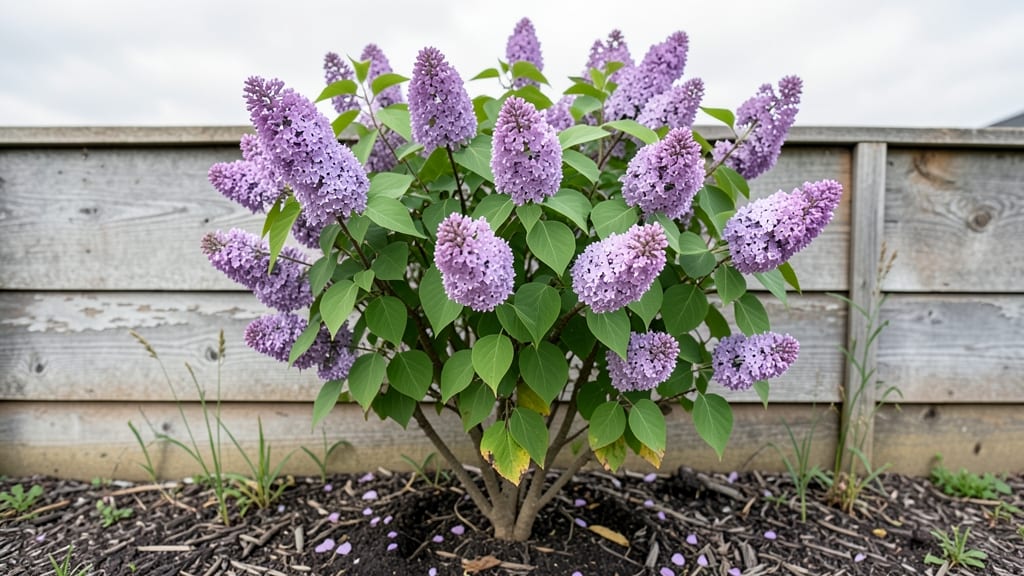
These stunning lilac tree photos prove the secret to months of fragrance isn’t just planting—it’s pruning them right, turning one burst of color into a year-round spectacle. 🌸 I’ve watched my lilacs go from one glorious spring burst of color... to a cascading display that lasts from late spring through summer, all thanks to a few well-timed cuts.
Lilacs aren’t just fragrant—they’re the backbone of a low-maintenance, high-impact garden design. Use them as a focal point near patios, where their scent lingers after rain, or as a border to frame pathways with their delicate, arching branches.
Pair them with lavender for a purple-hued retreat or contrast their pale blooms with bold red tulips for a striking contrast.
What you’ll get is a tree that smells like childhood memories in May, still holds its shape in July, and even offers winter interest with its exfoliating bark. The right cuts mean fewer dead branches, more blooms, and a tree that becomes the heart of your garden’s fragrance calendar.
Whether you’re working with a mature specimen or a young sapling, these techniques adapt to any yard size. Let’s turn your lilacs into the star of the show—without the guesswork.
📚 In This Guide
- What you need
- Instructions
- Tips and common mistakes
- Wrapping up and next steps
What you need
- ● Pruning shears: Bypass pruners (sharp, clean, and disinfected with rubbing alcohol or bleach solution to prevent disease). Quantity: 1 pair.
- ● Loppers: For thicker branches (1–2 inches in diameter). Quantity: 1 pair.
- ○ Hand pruners: For smaller stems (optional but handy). Quantity: 1 pair.
- ● Gloves: Heavy-duty gardening gloves (to protect from thorns and sap). Quantity: 1 pair.
- ○ Pruning saw: Only if dealing with very thick branches (rare for lilacs). Quantity: 1 (optional).
- ● Disinfectant: 1-part bleach to 9-parts water (for sterilizing tools between cuts).
- ● Bucket or spray bottle: For holding the disinfectant solution.
- ○ Camera or smartphone: With a high-resolution lens (or a macro lens for close-ups of blooms). Optional: Tripod for steady shots.
- ● Notebook & pen: To jot down pruning notes or track blooming seasons.
- ● Lilac tree identification guide: To confirm your tree’s variety (e.g., French, Common, or Dwarf lilacs bloom at different times).
- ● Pruning sealant: (Like tree wound dressing) to protect larger cuts—though lilacs typically heal well without it.
- ● Extension pole: For reaching high branches safely.
- ● Natural light filter: A diffuser or polarizing filter for professional-quality photos.
- ● Weather check: A quick glance at the forecast—prune on a dry, overcast day to avoid stressing the tree.
Instructions for pruning lilacs to extend blooming and fragrance
Here's how to shape your lilac tree for abundant, fragrant blooms year after year.
✂️ Step 1: Time Your First Cut After the First Bloom
Wait until right after the first flush of flowers fades—usually 4-6 weeks after blooming—to prune. This timing ensures you don't cut off next year's flower buds, which form on last year's growth. I like to mark my calendar when the lilacs finish blooming so I don't forget.
Use clean, sharp pruning shears to make cuts at a 45-degree angle, about ¼ inch above a bud or branch junction. Avoid cutting into old wood—lilacs bloom on stems from the previous year, so pruning too late risks removing next season's flowers entirely.
✂️ Step 2: Remove Dead or Crossing Branches First
Scan the tree for branches that are dead, broken, or rubbing against others. These compete for energy and can spread disease. Snip them back to the main trunk or a healthy side branch. I always start with these because they're the easiest to spot and remove.
Next, look for branches growing inward or crossing others. Lilacs need good airflow to prevent fungal issues. Cut these back to the nearest outward-facing bud. You'll see the tree's natural shape emerge as you remove clutter—this is your guide for future pruning.
✂️ Step 3: Thin Out Overcrowded Areas
Focus on the center of the tree where branches grow too densely. Aim to remove no more than ¼ of the tree's foliage in one season—lilacs handle pruning better when you take it slow. Look for branches that are thinner than a pencil and cut them back to a stronger branch or the main trunk.
Thinning opens up the tree, letting sunlight reach inner branches and encouraging more blooms. You'll notice new growth filling in gaps naturally over time. Avoid heavy pruning—lilacs respond best to gradual shaping rather than drastic cuts.
✂️ Step 4: Shape the Tree for Better Airflow and Light
Step back and assess the tree's overall shape. Lilacs grow best when they have an open, rounded form. Prune to remove branches that spoil the natural silhouette, cutting just above a bud that faces outward. This keeps the tree balanced and prevents future overcrowding.
Pay special attention to the top of the tree—lilacs often grow taller than they are wide. Lightly trim the tips of the tallest branches to encourage bushier growth. You'll see new side shoots forming within 2-3 weeks, signaling the tree is responding well to your cuts.
⏰ Step 5: Clean Up and Monitor for New Growth
After pruning, rake up and dispose of all clippings—never leave them under the tree. They can harbor pests and diseases. Sterilize your pruning tools with rubbing alcohol to prevent spreading pathogens between cuts.
Water the tree deeply after pruning to help it recover. Watch for new growth in 4-6 weeks
Tips & tricks for perfect lilac tree pruning
These simple tricks will help you transform your lilac tree into a fragrant, blooming beauty that lasts all season.
Timing is Everything: Mark your calendar 4-6 weeks after blooming—this is the sweet spot for pruning. I've learned the hard way that cutting too early removes next year's flower buds, while waiting too long risks losing this year's fragrance. The key is patience: let those first flowers fade completely before you touch your shears.
Tool Prep Matters: Sterilize your pruning shears with rubbing alcohol between cuts to prevent spreading disease. I also recommend sharpening your blades before you start—dull shears tear branches rather than make clean cuts. This makes all the difference in how your tree heals and recovers after pruning.
Shape with Purpose: When shaping in Step 4, think of your lilac as a natural vase shape—wider at the bottom, narrowing slightly toward the top. This open form lets sunlight reach all branches, which means more blooms and better fragrance distribution. Step back often to check your progress against this ideal shape.
Gradual is Better: Never remove more than ¼ of the tree's foliage in one season. I've seen well-meaning gardeners over-prune and end up with sparse, weak growth. Lilacs respond best to gentle shaping over several years. Think of it like sculpting—you're revealing the tree's natural form, not hacking it into submission.
Pro Tips for Lilac Tree Photos
- These simple tricks will help you transform your lilac tree into a fragrant, blooming beauty that lasts all season.
- Timing is Everything: Mark your calendar 4-6 weeks after blooming—this is the sweet spot for pruning.
- Tool Prep Matters: Sterilize your pruning shears with rubbing alcohol between cuts to prevent spreading disease.
Frequently asked questions
When is the best time to prune lilac trees for photos?
The ideal time to prune lilacs for stunning photos is right after they finish blooming (late spring to early summer). This ensures you capture their full fragrance and beauty while promoting healthy growth for next year’s flowers. Avoid pruning in fall or winter—it can stimulate unwanted spring growth or damage dormant buds.
How do I take the best photos of lilac trees?
For show-stopping lilac tree photos, shoot on overcast days or early morning to avoid harsh shadows. Use a macro lens to highlight delicate blooms and play with depth of field for artistic effects. Include textured foliage or garden elements (like stones or benches) for context. Pro tip: Shoot from low angles to emphasize height and grandeur!
Can I prune lilacs too much and ruin their blooms?
Yes! Lilacs bloom on old wood, so avoid heavy pruning. Remove only dead, diseased, or crossing branches (about 1/3 of the oldest stems max). Over-pruning can reduce next year’s flowers. If you accidentally cut too much, don’t panic—just space out pruning over 2–3 years to keep blooms vibrant.
What if my lilac tree isn’t blooming well after pruning?
Poor blooming often stems from over-pruning, poor nutrition, or age. Try these fixes:
- Fertilize in early spring with a balanced 10-10-10 formula.
- Water deeply during droughts (1–2 inches per week).
- Renew old trees by pruning back 1/3 of the oldest stems to rejuvenate growth.
Are there fragrant lilac alternatives for smaller gardens?
If space is limited, consider these fragrant, low-maintenance alternatives:
Plant
Fragrance Notes
Size
Mock Orange (Philadelphus)
Citrusy, sweet
3–10 ft
Deutzia
Light, floral
3–6 ft
Dwarf Lilac (Syringa meyeri)
Classic lilac scent
4–6 ft
Wrapping up and next steps
From pruning techniques to seasonal care, mastering the art of lilac tree maintenance ensures your garden stays fragrant and vibrant all year round. 🌸 Whether you’re a seasoned gardener or just starting, strategic cuts and timely attention will reward you with stunning blooms and lush foliage.
Now that you’re equipped with the know-how, why not grab your pruners and give your lilac tree the TLC it deserves? Head outside and transform your garden into a fragrant paradise—one thoughtful cut at a time!