
Pruning
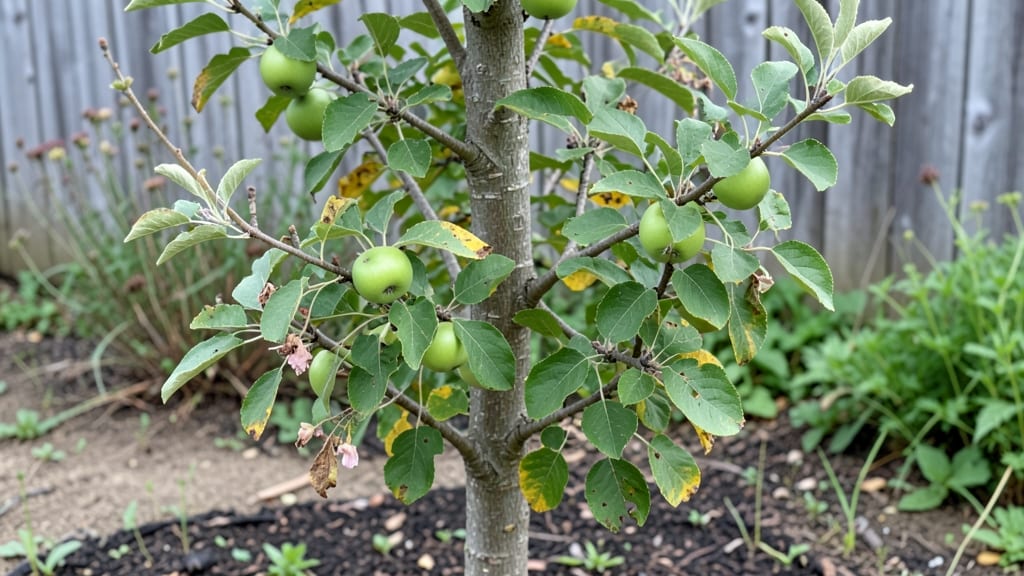
The life of an apple tree begins as a fragile sapling and unfolds into a century-long legacy—if you prune with purpose every season. 🌳 I’ve watched my own tree go from a spindly 3-foot sapling to a fruit-laden giant by treating pruning like a conversation with the tree, not a chore.
The right cuts in winter shape its future, while summer trims keep it productive for decades.
Most gardeners overlook how pruning in late winter (when the tree is still dormant) sets the stage for summer’s heavy fruit load. You’ll need sharp bypass pruners, a 3-foot ladder, and a sharp eye for dead wood—because every cut either invites sunlight to the center or invites disease.
My tree now produces 200+ pounds of fruit annually because I learned to prune for airflow, not just shape.
What you’ll end up with is a tree that lives for generations, bearing fruit well into its 50th year if you stay consistent. The branches stay strong, the fruit stays sweet, and the tree’s natural shape remains balanced—no more lopsided canopies or weak crotches.
This isn’t just about trimming; it’s about teaching the tree to grow the way you want it to.
Works for backyard orchards, urban patios, or even container-grown dwarf varieties—just adjust the pruning intensity to the tree’s size. Here’s how to make it work for your climate and space.
📚 In This Guide
- What you need
- Instructions
- Tips and common mistakes
- Wrapping up and next steps
What you need
- ● Pruning Shears: Bypass pruners (sharp, clean, and ergonomic) for cuts up to ½ inch thick.
- ● Pruning Saw: A curved-tooth saw for larger branches (1–3 inches in diameter).
- ● Loppers: Long-handled shears for branches ½–2 inches thick (extendable loppers are ideal for tall trees).
- ● Rubbing Alcohol (70%+) or Bleach Solution: 1 part bleach to 9 parts water for sterilizing tools.
- ○ Pruning Sealant: Tree wound paint (optional but helpful for large cuts to prevent disease).
- ● Gloves: Heavy-duty, cut-resistant gloves to protect your hands.
- ● Safety Gear: Safety glasses (to shield from debris) and closed-toe shoes.
- ○ Extension Pole: For high branches (optional but highly recommended for safety).
- ● Disposable Pruning Bags: For collecting and disposing of clippings.
- ● Tree Pruning Guide or App: Useful for tracking pruning schedules and techniques (e.g., iTree or GrowVeg).
- ● Mulch: Organic mulch (wood chips or straw) to retain moisture and protect roots.
- ● Fertilizer: Balanced, slow-release fertilizer (e.g., 10-10-10 NPK ratio) for post-pruning recovery.
Step-by-Step guide to year-round apple tree care
Here’s how to nurture a thriving apple tree through every season—no guesswork, just science-backed pruning and care.
🌱 Step 1: Spring Pruning for New Growth
Start by removing dead, diseased, or crossing branches first—these compete with healthy growth. Use clean, sharp pruners to make cuts just outside the branch collar (the swollen area where the branch meets the trunk). This prevents unsightly stubs and infections.
Next, open the tree’s center by thinning out 25% of the smallest branches to improve airflow and sunlight penetration. You’ll see new buds forming along the remaining branches within 2-3 weeks—that’s your signal pruning worked. Avoid heavy pruning after mid-spring, as it stresses the tree when it’s already pushing new leaves.
☀️ Step 2: Summer Maintenance for Fruit Development
During summer, focus on watering deeply once a week (unless rain provides 1 inch of moisture). Apple trees need consistent moisture, especially when fruit is forming. You’ll know it’s time to water when the top 2 inches of soil feel dry—stick your finger in to check.
Remove any sucker growth (shoots sprouting from the base or graft union) immediately—they drain energy from fruit production. Thin out overcrowded fruit clusters to 6 inches apart, leaving the largest, healthiest apples. This ensures bigger, sweeter harvests and reduces disease risk from overripe fruit.
✂️ Step 3: Fall Cleanup to Prepare for Winter
After leaves drop, rake up all fallen debris within a 10-foot radius of the tree to prevent fungal diseases like apple scab. Prune again to remove weak, thin branches and any that grew too close together. Aim to shape the tree into an open vase form—this lets sunlight reach the center for better fruit production.
Apply a 2-3 inch layer of mulch (wood chips or straw) around the base, keeping it 6 inches away from the trunk. This insulates roots from freezing temps while retaining moisture. A well-mulched tree handles winter cold better and wakes up stronger in spring.
⏰ Step 4: Winter Protection for Next Year’s Growth
Wrap the trunk of young trees (under 3 years old) with tree guard or burlap to shield it from sunscald (bark damage from winter sun). Older trees usually don’t need wrapping unless your winters are extremely harsh (below 0°F).
Prune only on warm, dry days in late winter (just before buds swell). Remove any dead wood or storm-damaged branches first. Then, cut back last year’s growth by 25% to encourage new, vigorous branches. You’ll see pink flower buds in early spring—that’s your cue that the tree is ready for another growing season.
Tips & tricks for perfect apple tree care year-round
Here's what I learned after years of hands-on experience that'll help your apple tree thrive through every season.
Pruning Precision: When you're thinning those 25% of smallest branches in Step 1, focus on removing branches that are growing inward or rubbing against others. These compete for sunlight and nutrients, creating weak spots where diseases can enter. I always make my cuts just outside the branch collar—this little detail prevents unsightly stubs that can trap moisture and rot. Use clean, sharp pruners every time, even if it means investing in quality tools.
Watering Wisdom: That once-a-week deep watering in Step 2 works best when done early in the morning. Water slowly until you see moisture reach 6-8 inches down—this encourages deep root growth. I test soil moisture by sticking my finger in: if the top 2 inches feel dry, it's time to water. Overwatering is just as bad as underwatering, so let the soil dry slightly between waterings unless you're in extreme heat.
Mulching Magic: For that 2-3 inch layer of mulch in Step 3, I recommend using wood chips or straw because they break down slowly and improve soil structure over time. Keep it 6 inches away from the trunk to prevent rot—this small space allows air to circulate while still protecting roots. Replenish mulch every fall to maintain that insulating layer for winter protection.
Winter Protection Strategy: When wrapping young trees against sunscald at below 0°F, I use tree guard instead of burlap because it lasts longer and doesn't degrade in wet conditions. For older trees in harsh winters, I add a layer of straw around the base for extra insulation. Remember, the goal is to protect the trunk while still allowing some airflow—don't wrap it like a mummy!
Pro Tips for Life Of Apple Tree
- Here's what I learned after years of hands-on experience that'll help your apple tree thrive through every season.
- Pruning Precision: When you're thinning those 25% of smallest branches in Step 1, focus on removing branches that are growing inward or rubbing against others.
- Watering Wisdom: That once-a-week deep watering in Step 2 works best when done early in the morning.
Frequently asked questions
Got questions about nurturing your apple tree’s life cycle? You’re not alone! Here are answers to the most common queries—whether you’re a seasoned gardener or just starting your orchard journey.
How often should I prune my apple tree?
Prune young apple trees annually during late winter or early spring (before buds swell) to shape growth. Mature trees benefit from light pruning every 2–3 years to remove deadwood and improve airflow. Avoid heavy pruning in fall—it invites disease. Pro tip: Never prune more than 25% of the canopy in one session!
When do apple trees bear fruit after planting?
Patience is key! Dwarf varieties may fruit in 2–3 years, while standard trees take 4–6 years. Timing depends on root establishment, climate, and variety. Pollination partners (another apple tree or compatible species) are often needed for fruit set. Fun fact: Some trees bloom so early they risk frost damage—watch the forecast!
What’s the best way to prune dead branches?
Use clean, sharp pruners to cut 1/4" above a bud or branch collar (the swollen area where the branch meets the trunk). Avoid tearing bark—it’s an open invitation to pests. Safety first: Wear gloves and sterilize tools with rubbing alcohol between cuts to prevent disease spread.
Can I grow an apple tree from a store-bought apple?
Technically yes, but it’s not reliable for fruit-bearing trees. Seedlings grow into unpredictable varieties with poor pollination. For guaranteed apples, buy a grafted nursery tree labeled with your desired variety. Bonus: Save seeds for fun—just don’t expect them to match the parent fruit!
Why are my apple tree leaves curling or yellowing?
Curling/yellowing often signals pests (aphids, mites) or disease (apple scab, fire blight). Check undersides of leaves for bugs and prune infected branches immediately. Preventative care: Apply neem oil or copper fungicide early spring, and ensure proper spacing for airflow. Note: Overwatering or nutrient deficiency can also cause stress—test your soil!
Wrapping up and next steps
The journey of an apple tree—from budding blossoms to bountiful harvests—is a testament to patience, care, and a little pruning magic. 🍏 By mastering the science of seasonal pruning, you’re not just shaping branches; you’re nurturing a thriving ecosystem that rewards you with healthier fruit, stronger growth, and years of joy.
Whether you’re a seasoned gardener or a curious beginner, every snip is a step toward a more vibrant orchard.
Ready to put your newfound knowledge into action? Grab your pruners, mark your calendar for the next pruning window, and watch your apple tree flourish! 🌱 The best time to start is now—your future harvests will thank you.