
Pruning
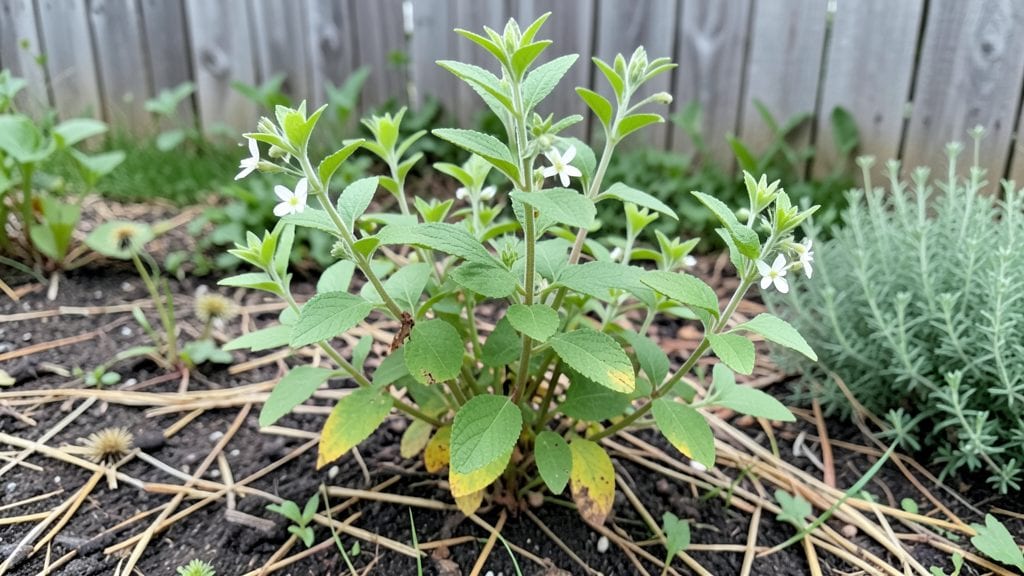
Transform your Pacific Northwest garden with this lemon verbena tree, a frost-resistant climber that thrives where others fail—its citrusy perfume and lush growth shine even through damp winters. I’ve grown mine against a shady fence for three years now, and it’s become the most talked-about plant in the neighborhood.
The secret isn’t complicated: it handles rain, cold snaps down to 15°F, and still bursts with that signature lemon scent when brushed against.
This hardy shrub loves morning sun and afternoon shade, making it perfect for Pacific Northwest gardens where full sun can scorch tender foliage. Start with well-draining soil—amend heavy clay with compost—and water deeply once a week, letting the top inch dry between sessions.
Prune lightly in early spring to shape it, but avoid heavy cuts; lemon verbena responds best to gentle encouragement rather than drastic trims. The result? A year-round fragrance machine that repels pests naturally and attracts pollinators.
What makes lemon verbena truly special is how it performs under pressure—whether it’s winter winds or summer humidity. Pinch back new growth in spring to encourage bushier, more fragrant stems, and harvest leaves anytime for teas, cocktails, or potpourri.
Even in Zone 7, it rarely needs winter protection, though a thick mulch layer helps it power through frost. By midsummer, your plant will be bursting with glossy leaves that smell like sunshine, and neighbors will ask how you did it.
For Pacific Northwest gardeners, this is the ultimate low-maintenance climber—no fuss, no drama, just reliable fragrance and growth. Whether you’re training it up a trellis or letting it sprawl along a fence, lemon verbena delivers effortless elegance with minimal care.
Ready to turn your garden into a citrus-scented sanctuary? Let’s get growing.
📚 In This Guide
- What you need
- Instructions
- Tips and common mistakes
- Wrapping up and next steps
What you need
- ● Lemon verbena plant: Seedlings, cuttings (4–6 inches long), or a young tree (3–5 feet tall). Pro tip: Choose disease-resistant varieties like Lippia citriodora for hardier growth! 🌡️
- ○ Well-draining soil: Mix 60% native soil with 30% compost and 10% perlite or sand (pH 6.0–7.0). Optional: Add a handful of worm castings for extra nutrients! ✨
- ● Organic mulch: 2–3 inches of shredded bark, straw, or wood chips to retain moisture and regulate temperature.
- ● Slow-release fertilizer: Balanced 10-10-10 or citrus-specific formula (apply in early spring).
- ● Support structure: A trellis, arbor, or sturdy stakes (if training as a climber). Note: Lemon verbena can grow 6–10 feet tall!
- ● Pruning shears: Bypass pruners (sharp and clean) for trimming.
- ● Trowel or spade: For transplanting or digging holes (8–12 inches deep).
- ● Garden gloves: Heavy-duty to protect from thorns (some varieties have mild spines!).
- ● Watering can or hose: With a gentle spray nozzle for hydration.
- ○ pH testing kit: Optional but helpful for monitoring soil acidity.
- ● Row cover or frost cloth: For young plants in early spring (PNW’s chilly mornings can be tricky!). ❄️
- ● Sunlight: Full sun (6+ hours/day)—choose a south- or west-facing spot.
- ● Climate: USDA Zones 7–10 (PNW’s mild winters are ideal if protected!).
- ● Space: 6–10 feet apart for mature trees (or wider if training as a climber).
- ● Water access: Drip irrigation or a consistent watering schedule (keep soil moist but not soggy).
Step-by-step guide to growing a thriving lemon verbena tree
This fragrant, hardy climber thrives in Pacific Northwest conditions—here’s how to cultivate a lush, frost-resistant specimen that perfumes your garden.
Choose the Right Location and Prepare the Soil
Lemon verbena (Aloysia citrodora) craves full sun to partial shade, with at least 6 hours of direct sunlight daily for optimal fragrance and growth. In the Pacific Northwest’s cooler climate, a south-facing wall or fence provides the warmth it needs without scorching leaves. If your space only offers morning sun, supplement with afternoon shade to prevent leaf burn.
This plant tolerates a range of soil types but performs best in well-draining, slightly acidic soil (pH 6.0–7.0). Amend heavy clay with 2–3 inches of compost and a handful of sand or perlite to improve aeration. Lemon verbena has shallow roots, so focus on enriching the top 6 inches of soil—this ensures nutrients are readily available without competition from deeper-rooted plants.
Plant Your Lemon Verbena Tree with Proper Spacing
Since lemon verbena grows as a multi-stemmed shrub or climber, allow 4–6 feet of space between plants to accommodate its eventual spread. Dig a hole twice as wide as the root ball but no deeper—planting too low can suffocate roots and invite rot. Gently tease the roots if they’re circling tightly, then place the plant so the top of the root ball sits level with the surrounding soil. Backfill with native soil mixed with 1 cup of bone meal for phosphorus, which encourages strong root development.
Water deeply immediately after planting to settle the soil and eliminate air pockets. The first 2–3 weeks are critical—keep the soil consistently moist (but never soggy) to help roots establish. You’ll know it’s thriving when new growth appears within 3–4 weeks, signaling the plant has anchored itself.
Provide Consistent Water and Fertilizer for Fragrant Growth
Lemon verbena is drought-tolerant once established, but young plants need 1–1.5 inches of water weekly during the growing season. Water at the base of the plant in the morning to reduce evaporation and fungal risks. Avoid wetting the foliage, as damp leaves can encourage powdery mildew—a common issue in humid Pacific Northwest summers. Mulch with 2–3 inches of wood chips to retain moisture and suppress weeds, but keep mulch 3 inches away from the stem to prevent rot.
Feed your lemon verbena twice a year with a balanced, organic fertilizer (10-10-10) in early spring and again after flowering. Over-fertilizing leads to lush foliage at the expense of fragrance, so follow package rates precisely. If you notice yellowing leaves, it’s a sign of iron deficiency—apply a chelated iron supplement to restore vibrancy.
Prune and Train for Frost Resistance and Abundant Leaves
Pruning isn’t just for shaping—it’s essential for frost hardiness and bushier growth. In late winter or early spring, cut back one-third of the previous year’s growth to encourage new, vigorous shoots. Remove any dead, diseased, or crossing branches to improve airflow and reduce stress. Lemon verbena handles light frosts (down to 20°F) if pruned properly, but in colder zones, mulch heavily around the base and consider wrapping the plant in burlap for protection.
If growing as a climber, install trellises or arbors in early spring and gently weave the stems through the structure. Prune regularly to encourage lateral branching, which increases leaf production and fragrance. Harvest leaves throughout the season by snipping sprigs just above a leaf node—this stimulates bushier growth and ensures a steady supply of fragrant foliage for teas, garnishes, or potpourri.
Monitor for Pests and Adjust Care Seasonally
The Pacific Northwest’s mild climate keeps most pests at bay, but aphids and spider mites may occasionally target lemon verbena. Inspect leaves weekly—look for sticky residue (aphids) or fine webbing (mites). Treat infestations early with neem oil or insecticidal soap, applying in the early morning or evening to avoid harming beneficial insects. Strong plants rarely suffer severe damage, so focus on preventive care like proper watering and fertilization.
Adjust your care routine seasonally: reduce watering in fall to prepare for dormancy, and resume regular watering in spring as growth resumes. In late summer, prune lightly to remove any leggy growth before the first frost. With these adjustments, your lemon verbena will reward you with years of fragrant, frost-resistant beauty—a true Pacific Northwest standout.
Tips & tricks for perfect lemon verbena cultivation
Transforming your Pacific Northwest garden into a fragrant sanctuary with lemon verbena is easier than you think—these pro tips will help you avoid common pitfalls and maximize that signature citrusy aroma.
Sunlight Strategy: While lemon verbena thrives with at least 6 hours of direct sunlight, the Pacific Northwest's cooler climate demands strategic placement. If your space only offers morning sun, supplement with afternoon shade to prevent leaf burn. I've found that positioning plants near south-facing walls captures reflected heat while shielding from harsh afternoon rays—this creates the perfect microclimate for robust growth.
Soil Science Secret: The top 6 inches of soil are where it all happens for lemon verbena's shallow roots. I recommend mixing in 2-3 inches of compost with sand or perlite to create that ideal well-draining environment. For heavy clay soils, add a handful of perlite to each planting hole—this prevents waterlogging while maintaining the slightly acidic pH (6.0-7.0) that enhances fragrance production.
Pruning Precision: That one-third pruning in late winter isn't just about shape—it's your plant's survival strategy for Pacific Northwest winters. Cut back to just above a leaf node where new growth emerges, and you'll stimulate bushier, more frost-resistant stems. I've seen plants that received this treatment handle light frosts down to 20°F without damage, while unpruned specimens suffered more winter stress.
Watering Wisdom: The 1-1.5 inches of weekly water during growing season should be applied directly at the base in morning hours. This timing prevents fungal risks from evening moisture while allowing the soil to absorb water before afternoon evaporation. I've noticed that consistent morning watering also reduces the need for mulch—just 2-3 inches of wood chips maintains moisture while keeping stems dry.
Pro Tips for Lemon Verbena Tree
- Transforming your Pacific Northwest garden into a fragrant sanctuary with lemon verbena is easier than you think—these pro tips will help you avoid common pitfalls and maximize that signature citrusy aroma.
- Sunlight Strategy: While lemon verbena thrives with at least 6 hours of direct sunlight, the Pacific Northwest's cooler climate demands strategic placement.
- Soil Science Secret: The top 6 inches of soil are where it all happens for lemon verbena's shallow roots.
Frequently asked questions
Got questions about growing and caring for your lemon verbena tree in the Pacific Northwest? You’re not alone!
Here are some of the most common concerns—and their answers—to help you keep your fragrant climber thriving year after year.
How cold can a lemon verbena tree handle in the PNW?
Aloysia citrodora (lemon verbena) is one of the few frost-resistant citrus-scented plants—it can survive down to 15°F (-9°C) with proper care. In the PNW’s mild winters, it often thrives outdoors year-round, but young plants or exposed areas may need winter protection like mulch or burlap wraps.
When and how should I prune my lemon verbena tree?
Prune in early spring (March–April) to encourage bushier growth and remove deadwood. Use clean, sharp shears to trim back overly leggy stems by ⅓, and avoid heavy pruning in fall—it can stress the plant before winter. Never prune into frost!
Can I grow lemon verbena in a container in the PNW?
Lemon verbena adapts well to 15–20 gallon pots with well-draining soil. Choose a container with drainage holes and move it indoors (or to a sheltered spot) if temps drop below 20°F (-6°C). Dwarf varieties like ‘Compacta’ are ideal for containers.
What pests should I watch for on my lemon verbena?
Common issues include aphids, spider mites, and whiteflies. Treat early with neem oil or insecticidal soap. Scale insects can also appear—scrub them off with soapy water or prune infested branches. Preventative care (like regular pruning for airflow) keeps pests at bay!
Why isn’t my lemon verbena tree smelling as strong?
Faint lemon scent often means older leaves or stress. Prune back woody stems to encourage fresh growth, and ensure it gets full sun (6+ hours/day). Harvest leaves in the morning for peak fragrance—just avoid over-picking, which can weaken the plant.
Wrapping up and next steps
Growing a lemon verbena tree in the Pacific Northwest isn’t just about adding fragrance to your garden—it’s about embracing a resilient, low-maintenance plant that thrives in cooler climates. With the right pruning techniques, you’ll encourage lush growth, better air circulation, and even more of that zesty citrus aroma.
Whether you’re trimming for shape, health, or harvest, remember: patience and consistency are key! 🌿
Ready to take the next step? Start small—pick one pruning task this season, like removing dead branches or shaping your tree, and build from there. Before you know it, your lemon verbena will be flourishing, and you’ll be the envy of every gardener in your neighborhood! Happy pruning! ✂️