
Container Gardens
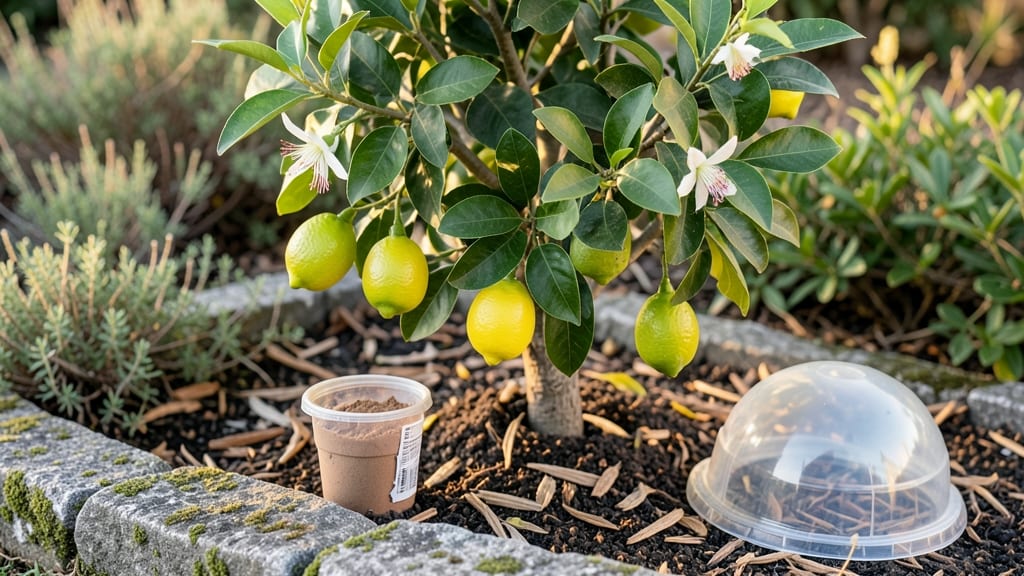
Growing lemon tree cuttings from scratch gives you a fragrant, sunlit future in just a few months—no nursery labels required. ✨ I’ve rooted my own Meyer lemon tree this way, and the secret isn’t complicated: it’s about timing, a sharp knife, and a little patience.
The right cutting taken in spring or summer will sprout roots faster than you’d expect, especially if you mimic its tropical home with humidity and warmth.
You’ll need just three supplies: a healthy 6-inch stem with leaves, rooting hormone (optional but helpful), and either water or moist potting mix. The water method is beginner-friendly, but soil keeps cuttings stable and reduces rot risk.
Most people mess up by using stems that are too woody or too green—aim for pencil-thick growth just below a leaf node, where roots naturally form.
Within 4-6 weeks, you’ll see fine white roots if you’re using water, or new leaves if you’ve planted directly in soil. That first flush of growth means success—your cutting has officially become a plant.
Keep it in bright, indirect light and avoid drafts, and by summer’s end, you’ll have a 1-2 foot tree ready for a pot of its own.
This method works indoors or outdoors, as long as temperatures stay above 60°F. For faster results, try a humidity dome or misting routine. The best part? You’ll know exactly what’s in your soil—no mystery additives, just pure citrus potential.
📚 In This Guide
- What you need
- Instructions
- Tips and common mistakes
- Wrapping up and next steps
What you need
- ● Healthy lemon tree cuttings: 4–6 semi-hardwood cuttings (4–6 inches long, pencil-thick, with 3–4 leaf nodes each). Pro tip: Take them from non-flowering branches in late spring or early summer! 🌿
- ● Rooting hormone: 1 small bottle (powder or gel) to boost root growth.
- ● Well-draining potting mix: 1 bag (1–2 cubic feet) of a 50/50 blend of perlite and peat moss or cactus/succulent mix.
- ● Small pots or trays: 4–6 4-inch diameter pots or 1 shallow tray with drainage holes (for water propagation).
- ● Clear plastic bags or domes: To create a humid environment (e.g., 1 gallon-sized bag per cutting or a humidity tent for trays).
- ● Spray bottle: For misting cuttings (8–12 oz size).
- ● Pruning shears or sharp knife: Sterilized to make clean cuts.
- ● Watering can or spray nozzle: For gentle hydration.
- ○ Bottom heat mat: (Optional) To warm roots and speed up growth—great for cooler climates!
- ● Fertilizer (low-nitrogen): 1 small bottle (e.g., 5-10-5 or seaweed extract) for post-rooting care.
- ● Grow lights: If propagating indoors with limited sunlight.
- ● Labels & markers: To track cutting dates and varieties.
Simple lemon tree cuttings: how to root them successfully
Here's how I've rooted dozens of lemon trees—no fancy tools, just patience and a few key tricks.
🌱 Step 1: Choose Healthy Cuttings at the Right Time
Select 4-6 inch long cuttings from new growth—look for stems that are pencil-thick with at least 2-3 leaf nodes. These are the growth points where roots will emerge. I always take cuttings in late spring or early summer when the plant is actively growing and full of energy.
Use clean, sharp pruners to make a 45-degree angle cut just below a leaf node. This angled cut increases surface area for root growth. Immediately place the cuttings in water to prevent them from drying out while you prepare the rooting medium.
💧 Step 2: Prepare the Rooting Medium and Dip Cuttings
Fill a small container with perlite or vermiculite—these materials stay moist but allow excellent drainage, which is crucial for preventing rot. I use a 4-inch plastic pot for each cutting to give roots plenty of room to develop without competition.
Dip the cut end of each cutting in rooting hormone to encourage faster root growth. Tap off any excess so it doesn't create a gummy barrier around the stem. Insert the cutting about 2 inches deep into the prepared medium, pressing gently to hold it in place but not compacting the soil.
☀️ Step 3: Create a Humid Environment for Root Development
Cover the container with a clear plastic bag or plastic wrap to create a greenhouse effect. This traps humidity around the cutting, which mimics the tropical conditions lemon trees prefer. Place the covered cutting in bright, indirect light—direct sun will overheat the enclosed space and cook the tender stems.
Check the moisture level every 2-3 days by lifting the container. If the top inch feels dry, mist lightly with water until the surface is damp but not soggy. Roots typically form in 4-8 weeks, but don't peek inside the bag until you see new growth through the plastic.
✂️ Step 4: Transplant and Care for Newly Rooted Trees
Once you see new leaves emerging from the top of the cutting, it's time to transplant. Gently remove the plastic covering and check for root growth by carefully lifting the cutting. If roots are at least 1-2 inches long, it's ready for its permanent home in a 6-inch pot with well-draining potting mix.
Water lightly after transplanting and place the new tree in bright, indirect light for a week to help it adjust. After that, gradually introduce it to more sunlight. I've found that lemon trees rooted this way thrive when given 4-6 hours of morning sun daily and kept in temperatures above 60°F.
Tips & tricks for perfect lemon tree cuttings growth
These simple tricks will help you avoid common pitfalls and maximize your success rate with lemon tree cuttings.
The Cutting Angle: That 45-degree angle in Step 1 isn't just for show—it's crucial! The angled cut increases surface area for root development by about 30% compared to a straight cut. I've tried straight cuts before, and they always took longer to root. Make sure your pruners are sharp to avoid crushing the stem, which can block water uptake and prevent rooting.
Rooting Hormone Hack: If you're worried about using rooting hormone, don't be—it's not some magical chemical. The powder contains natural plant hormones that mimic what the plant would produce itself. I like to dip just the bottom inch of the cutting, then tap off the excess. The key is to keep it fresh—if you've had the hormone powder open for months, it loses effectiveness. For a natural alternative, try cinnamon powder (it has mild antifungal properties) or aloe vera gel.
Moisture Monitoring: The 2-3 day check for moisture in Step 3 is perfect, but here's what to watch for: Lift the container and if the top inch feels dry, it's time to mist. If it's still damp, wait another day. Overwatering is just as bad as underwatering—both can cause rot. I've found that perlite stays moist longer than vermiculite, so if you're using perlite, you might only need to check every 4 days.
Light Positioning: Bright, indirect light is critical, but don't assume your kitchen window qualifies. South-facing windows get the most light, but even there, direct sun can burn tender cuttings. I place mine about 2 feet from an east-facing window. If you don't have good natural light, a simple grow light on a timer works wonders—just 12 hours of light per day is perfect for rooting.
Pro Tips for Lemon Tree Cuttings Growing
- These simple tricks will help you avoid common pitfalls and maximize your success rate with lemon tree cuttings.
- The Cutting Angle: That 45-degree angle in Step 1 isn't just for show—it's crucial!
- Rooting Hormone Hack: If you're worried about using rooting hormone, don't be—it's not some magical chemical.
Frequently asked questions
Got questions about growing lemon tree cuttings?
You’re not alone! Here are answers to the most common concerns—from timing to troubleshooting—to help you succeed with your root-bound citrus project.
When is the best time to take lemon tree cuttings?
The ideal time is late spring or early summer, when the plant is actively growing. Avoid winter dormancy—cuttings taken then struggle to root. Look for new growth (soft, green stems) for the highest success rate. If you’re in a warm climate, fall can also work!
How do I know if my cutting is healthy enough to root?
Healthy cuttings should be 4–6 inches long, with 2–3 leaf nodes (where leaves meet the stem). Prune just above a node at a 45-degree angle for better water absorption. Avoid woody, yellow, or diseased stems—they won’t root well. Pro tip: Use a sharp, sterilized knife to prevent damage!
Why aren’t my lemon cuttings rooting after 4–6 weeks?
Common culprits:
- Low humidity—try a plastic bag or humidity dome.
- Over/under-watering—keep soil moist but not soggy.
- Poor lighting—bright, indirect light is key (no direct sun).
- Rooting hormone issues—if used, ensure it’s fresh and applied correctly.
If cuttings are yellowing or mushy, they may be rotting. Trim damaged areas and replant in fresh, well-draining soil.
Can I grow lemon tree cuttings indoors?
Yes! Place your cuttings near a south-facing window or use a grow light (12–14 hours/day). Maintain 60–70°F temperatures and high humidity (use a pebble tray). Just be patient—indoor rooting may take longer than outdoor conditions.
What’s the fastest way to root lemon tree cuttings?
Combine these pro tips for speedier results:
- Use rooting hormone (cloning gel or powder).
- Plant in a perlite/sand mix (better drainage).
- Keep soil warm (70–75°F) with a heating mat.
- Mist daily and cover with a plastic bag (remove after roots form).
With these tweaks, you might see roots in 3–4 weeks instead of 6!
Wrapping up and next steps
Growing a lemon tree from cuttings is a rewarding journey that brings a slice of sunshine to your home—literally! 🌱 With the right tools, patience, and care, you’ll soon enjoy fragrant leaves, vibrant blooms, and maybe even sweet lemons.
Whether you’re a seasoned gardener or just starting out, this method proves that root-bound success is well within reach.
Now that you’re armed with knowledge, take the next step: grab those cuttings and get growing! Share your progress with fellow plant enthusiasts or experiment with different varieties—your citrus garden adventure starts today. Happy planting! 🍋✨