
Pruning
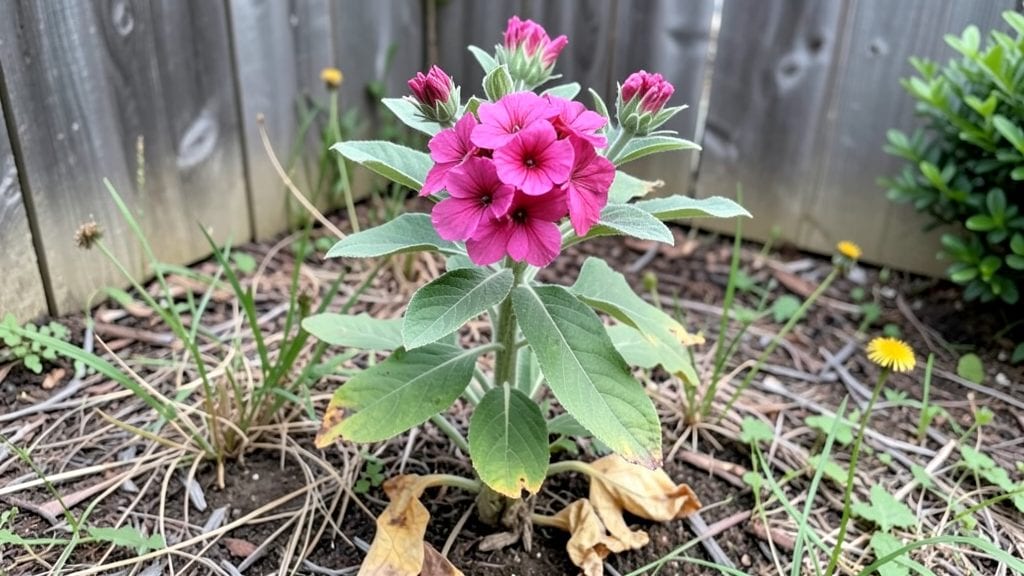
Your garden could soon be draped in velvety pink blooms that smell like the ocean breeze. 🌸 Lavatera maritima, or Tree Mallow, thrives where most plants struggle—coastal winds, sandy soil, and drought—yet it rewards you with 6-foot-tall spires of soft, papery flowers.
The secret to its showstopping performance? Pruning it right after the first flush of blooms.
This Mediterranean native doesn’t need rich soil or constant watering—just full sun and a spot where it can stretch its legs. I’ve grown mine in containers on a breezy patio and in-ground near the beach, and it’s equally happy in both.
The key is mimicking its natural coastal habitat: well-draining soil and minimal fuss. Once established, it’s nearly indestructible.
When you prune it back after summer blooms, you’re not just tidying up—you’re setting the stage for next year’s even bigger display. The stems thicken, the roots spread, and by late spring, you’ll see those iconic flower clusters forming again. It’s like hitting the reset button for a second act.
Works perfectly in cottage gardens, seaside landscapes, or as a dramatic backdrop for roses. The best part? You’ll spend more time admiring it than fussing over it. Let’s get those shears ready!
📚 In This Guide
- What you need
- Instructions
- Tips and common mistakes
- Wrapping up and next steps
What you need
- ● Pruning shears: Bypass pruners (sharp, clean, and sterilized with rubbing alcohol or bleach) for clean cuts on branches up to ½-inch thick.
- ● Loppers: For thicker branches (½-inch to 2-inches), opt for bypass loppers with long handles for leverage.
- ● Hand pruners: Anvil-style (for small stems ¼-inch thick)—great for detail work.
- ● Gloves: Garden gloves (nitrile-coated for grip and protection against thorns or sap).
- ● Disinfectant: 70% isopropyl alcohol or bleach solution (1 part bleach to 9 parts water) to sterilize tools between cuts.
- ○ Pruning sealant (optional): Tree wound paint (like Tanglefoot Tree Wound Pruning Seal) for large cuts to prevent disease.
- ● Ladder or step stool: For reaching higher branches—ensure it’s stable and rated for your weight.
- ● Bucket or trash bag: To collect pruned branches and debris.
- ● Sharpie or marker: For labeling branches if you’re experimenting with shaping techniques.
- ● Hose or water spray bottle: To rinse tools and clean sap off hands.
- ○ Safety glasses (optional): If your Tree Mallow has spiky seed pods or you’re working near your eyes.
- ● Weather check: Prune on a dry, overcast day or early morning to avoid stressing the plant.
- ● Timing: Best done in late winter or early spring (before new growth) or after flowering.
- ● Plant health: Ensure your Lavatera maritima is well-watered 1–2 days before pruning.
- ● Safety first: Wear closed-toe shoes and avoid pruning near power lines.
How to prune Lavatera maritima for maximum coastal blooms
Reviving your tree mallow’s natural vigor takes just a few strategic cuts at the right time.
✂️ Step 1: Time Your First Prune for Late Winter
Prune your Lavatera maritima in late winter (February or early March) before new growth begins. This is the key to encouraging bushier, fuller plants that bloom prolifically all summer. I always wait until after the worst frost passes—you’ll know it’s time when you see the first buds swelling on the stems.
Use clean, sharp pruners to make cuts just above a leaf node or outward-facing bud. Avoid cutting into old wood—you’ll see this as thick, woody stems that no longer produce new growth. If your plant looks leggy from last season, cut back one-third of the oldest stems to the base. This might seem drastic, but your tree mallow will reward you with fresh, vigorous shoots within weeks.
🌿 Step 2: Shape and Thin in Early Spring
Once spring arrives and new growth appears (usually by mid-April), focus on shaping your tree mallow. Step back and look at the plant—you’ll want to remove any crossing branches or stems growing inward. These compete for sunlight and weaken the plant’s structure. Use your fingers to gently bend stems outward if they’re still flexible, or prune them completely if they’re woody.
Next, thin out overcrowded stems to improve airflow. Aim for a rounded, open shape—this prevents fungal diseases like powdery mildew that love damp, shaded foliage. I like to leave 3-5 strong stems per plant, cutting back weaker ones to the base. The goal is to create a sturdy framework that supports heavy summer blooms without toppling.
☀️ Step 3: Deadhead and Lightly Trim During the Growing Season
As your tree mallow blooms (typically June through September), deadhead spent flowers by pinching or cutting them back to the nearest leaf node. This encourages continuous flowering by redirecting the plant’s energy toward new buds instead of seed production. I do this every 10-14 days during peak bloom—just a quick pass with shears while enjoying the flowers.
If your plant looks unruly by mid-summer, give it a light trim to maintain its shape. Cut back any overly leggy growth by half its length, but avoid heavy pruning now—you’ll shock the plant and risk reducing fall blooms. Focus on balancing the plant’s height and width so it doesn’t become top-heavy with flowers.
⏰ Step 4: Prepare for Winter with a Final Light Prune
In late fall (October or November), give your tree mallow one last light trim to remove any dead, diseased, or damaged stems. This keeps the plant tidy and reduces winter pests that hide in old growth. Cut back any stems that look brown or shriveled to the nearest healthy bud or branch junction. Avoid heavy pruning now—your plant needs all its energy stored for next year’s growth.
Mulch around the base with 2-3 inches of organic mulch (like shredded bark) to protect roots from freeze-thaw cycles. This also helps retain moisture and suppresses weeds. I always water deeply before the first hard frost to ensure the plant enters dormancy hydrated and ready to rebound in spring.
Tips & tricks for pruning Lavatera maritima
Here's what I've learned after years of working with these coastal beauties—these little tricks make all the difference for lush, long-lasting blooms.
Tool Prep Matters: Before you even touch your tree mallow, sanitize your pruners with rubbing alcohol or a 10% bleach solution. I do this between each cut to prevent spreading disease from any damaged stems. Also, sharpen your blades—dull pruners crush stems instead of making clean cuts, which stresses the plant and invites infections. A quick test: if your pruners don't slice through a piece of paper easily, they need sharpening.
Visual Cues for Perfect Cuts: In Step 1, when cutting back one-third of the oldest stems, look for the telltale "V" shape where leaves attach to the stem. Make your cut just above this node at a 45-degree angle—this creates more surface area for new growth to emerge. For the other steps, always cut at the same angle to maintain a uniform appearance. If you're unsure about which stems to remove, snap off a small branch—if it's green and flexible, leave it; if it's brown and brittle, it's time to go.
Seasonal Timing Secrets: The timing windows in the instructions work best for USDA Zone 7 climates. If you live in colder zones (like Zone 5), delay your late winter prune until late March to avoid late frosts. For warmer zones (Zone 9+), you can prune as early as January. The key is to prune just before new growth begins—this is when the plant is most energetic and can handle the stress of pruning. Watch for those first tiny buds swelling on the stems as your signal.
Post-Prune Care: After your shaping prune in early spring, give your tree mallow a balanced fertilizer with equal parts nitrogen, phosphorus, and potassium. I use a 10-10-10 formula diluted to half strength. This helps the plant recover from pruning stress and supports new growth. Water deeply after fertilizing to help nutrients absorb into the soil. During the growing season, mulch with 2-3 inches of organic material to retain moisture and regulate soil temperature—this is especially important during those hot summer months when blooms are at their peak.
Pro Tips for Lavatera Maritima Tree Mallow
- Here's what I've learned after years of working with these coastal beauties—these little tricks make all the difference for lush, long-lasting blooms.
- Tool Prep Matters: Before you even touch your tree mallow, sanitize your pruners with rubbing alcohol or a 10% bleach solution.
- Visual Cues for Perfect Cuts: In Step 1, when cutting back one-third of the oldest stems, look for the telltale "V" shape where leaves attach to the stem.
Frequently asked questions
Got questions about Lavatera maritima (Tree Mallow)?
You’re not alone! Here are answers to the most common concerns—from pruning to care—so you can keep your coastal beauty thriving.
When is the best time to prune Lavatera maritima?
Prune Lavatera maritima in early spring (before new growth) or late winter to encourage bushier, fuller blooms. Avoid pruning in fall or winter, as cold-sensitive plants may struggle to recover. Light shaping after flowering (summer) is fine, but avoid heavy cuts—this plant blooms on new wood!
How much can I trim back my Tree Mallow?
You can hard prune up to ⅓ of the plant in early spring without harm. For dramatic revival, cut back old, leggy stems to 6–12 inches tall. Just avoid over-pruning—this plant is resilient but may take a season to rebound. Pro tip: Wear gloves! The stems have tiny hairs that can irritate skin.
Is Lavatera maritima drought-tolerant?
Yes! Once established, Tree Mallow loves dry conditions and thrives in coastal climates with minimal watering. Water deeply once a week during the first year, then reduce to monthly or less in mature plants. Overwatering causes root rot—soak but don’t sog!
What pests or diseases should I watch for?
Tree Mallow is pest-resistant, but watch for aphids (wipe off with soapy water) or powdery mildew in humid climates. Improve airflow by pruning crowded branches. If leaves yellow, check for overwatering or nutrient deficiency (add compost or balanced fertilizer in spring).
Can I grow Lavatera maritima in containers?
Choose a large container (18"+ wide) with drainage holes and use well-draining potting mix. Place in full sun and water when the top 2 inches of soil dry out. Bonus: Container-grown plants bloom earlier and are easier to overwinter indoors if needed.
What can I plant near Lavatera maritima for a coastal garden?
Pair it with drought-loving companions like Salvia, Lavender, or Echinacea for a low-maintenance, pollinator-friendly display. Avoid water-hogging plants—Tree Mallow hates competition! For height contrast, try Russian Sage or Perovskia behind it.
Wrapping up and next steps
Reviving your Lavatera maritima with strategic pruning isn’t just about aesthetics—it’s a love letter to your coastal beauty!
By mastering the art of light trimming and seasonal shaping, you’ll unlock lush blooms, stronger growth, and a plant that thrives for years. 🌿 With the right tools, timing, and care, your tree mallow will reward you with vibrant color and resilience.
Ready to transform your garden? Start small: Grab your shears, pick a sunny day, and give those branches a fresh cut. Your Lavatera maritima will thank you—one bloom at a time! 🌸