Trees
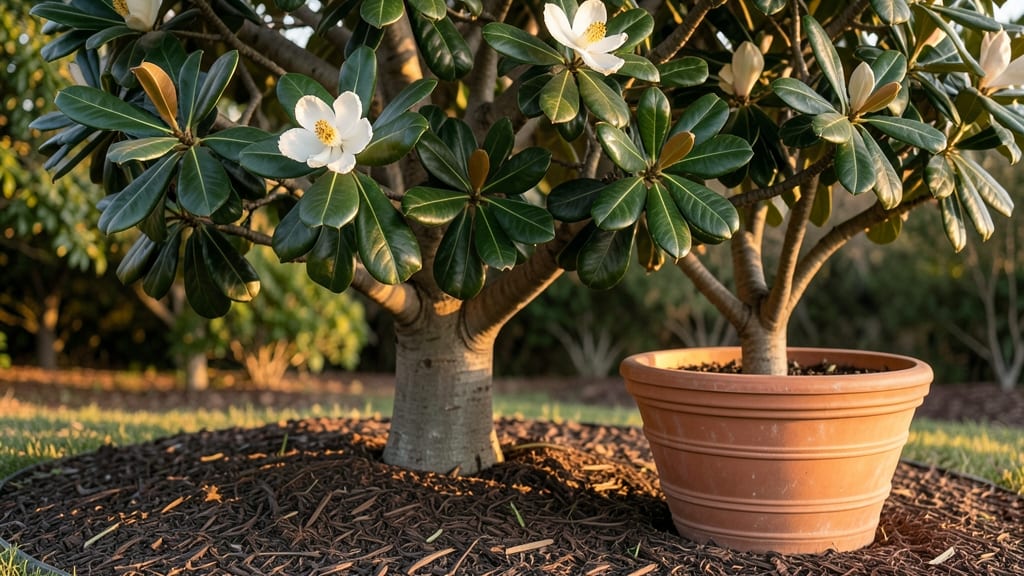
Choosing the right large garden pots for trees turns your patio or balcony into a lush urban forest—without the years it takes for roots to establish in the ground.
I’ve learned the hard way that flimsy containers won’t hold up to a mature tree’s weight, and poor drainage spells trouble for roots. The key is matching pot size to your tree’s growth habit while keeping it stable enough to withstand wind and seasonal weight shifts.
Start with containers that are at least 12–18 inches wider than your tree’s root ball for dwarf varieties, or 24+ inches for standard-sized trees. Fiberglass and thick plastic pots offer durability without cracking, while terracotta adds rustic charm but requires winter protection in freezing climates.
Drainage holes aren’t optional—root rot is a silent killer, and saucers prevent messes while keeping moisture levels just right.
Imagine a Japanese maple spilling vibrant foliage over your deck or a dwarf citrus tree perfuming your summer evenings. With the right pot, your tree won’t just survive—it’ll thrive, producing healthier leaves, more flowers, and even fruit than ground-planted counterparts in small spaces.
The secret? A pot that balances weight, drainage, and aesthetics so your tree looks intentional, not like an afterthought.
Whether you’re revamping a city balcony or adding structure to a courtyard, these containers work year-round with minimal fuss. Just rotate pots occasionally to prevent leaning, and fertilize regularly to compensate for limited soil volume.
Your tree will reward you with decades of growth—all in a space that fits your lifestyle.
📚 In This Guide
- What you need
- Instructions
- Tips and common mistakes
- Wrapping up and next steps
What you need
- ● Large garden pots: Choose pots with a minimum 24-inch diameter (or larger for mature trees). Opt for durable materials like: Fiberglass (lightweight, weather-resistant)
- ● Resin (long-lasting, decorative)
- ● Heavy-duty plastic (budget-friendly, UV-stabilized)
- ○ Optional: Ceramic (for aesthetics, but heavier and prone to cracking)
- ● Drainage system: Pots with pre-drilled holes (or) a 1–2 inch drainage layer of: Pebbles, gravel, or broken pottery
- ○ Optional: Drainage mats for extra airflow
- ● Potting soil: 3–5 cubic feet of high-quality, well-draining mix (e.g., 60% topsoil, 30% compost, 10% perlite/sand).
- ● Tree support: Stakes or tree ties (for young/small trees)
- ○ Optional: Decorative cages or burlap wraps for a polished look
- ● Basic tools: Garden trowel or shovel
- ● Wheelbarrow (for soil transport)
- ● Measuring tape (to check pot depth/diameter)
- ● Level (to ensure pots are balanced)
- ● Safety gear: Gloves (for handling soil and sharp edges)
- ● Knee pads (if kneeling frequently)
- ● Prerequisites: Sunlight assessment: Know your tree’s light needs (full sun, partial shade, etc.).
- ● Space check: Ensure pots fit your outdoor area (or) planned indoor spot (for container gardening).
- ● 🌡️ Climate prep: If in a cold region, add insulated pot sleeves or move pots indoors during winter.
- ● 🎯 Weight matters: For windy areas, anchor pots with concrete blocks or sandbags.
- ● ✨ Decorate smartly: Add saucers or mulch rings to keep roots moist and add curb appeal!
How to select and use large garden pots for tree planting
Here's the method I rely on for choosing pots that support both root health and long-term stability.
Determine the Right Pot Size for Your Tree
Start by measuring your tree's root ball and add at least 6 inches to the diameter for proper root expansion. A tree with a 12-inch root ball needs a pot 18 inches wide at minimum. Depth matters too—roots need 12-18 inches of soil depth to establish properly. I always round up to the next standard pot size to avoid cramped conditions.
Consider the tree's mature size too. A small ornamental tree might thrive in a 20-gallon pot, while a full-sized maple or oak will eventually outgrow any container. If you're planting for aesthetics, choose a pot that matches the tree's scale—oversized pots look awkward, while undersized ones stunt growth.
Choose Materials Based on Weight and Drainage Needs
For heavy trees, I recommend fiberglass or resin pots—they're lightweight yet sturdy, and their smooth surfaces prevent roots from circling. Terracotta adds rustic charm but cracks easily in freeze-thaw cycles, while plastic is budget-friendly but may degrade under UV exposure. The key is balancing weight with stability—add sand or gravel to the bottom if your pot feels top-heavy.
Drainage is non-negotiable. Even drought-tolerant species need proper drainage to prevent root rot. Check for multiple drainage holes in the bottom and consider adding a 1-inch layer of gravel or broken pottery before soil. This creates an air gap that prevents waterlogging while allowing excess moisture to escape.
Prepare the Pot and Planting Mix for Long-Term Health
Fill the pot with a well-draining potting mix—never garden soil. I blend 60% premium potting mix, 20% perlite, and 20% compost for aeration and nutrients. This prevents compaction, which suffocates roots in containers. Moisten the mix until it's damp but not soggy before planting.
Place the tree in the pot and backfill with soil, tamping gently to remove air pockets. Leave 1-2 inches of space between the soil surface and the pot rim for watering. Add a slow-release fertilizer mixed into the top layer of soil to provide nutrients over time. Mulch the surface lightly with bark chips to retain moisture and regulate temperature.
Position and Stabilize the Tree for Wind Resistance
Place the pot where the tree gets at least 6 hours of sunlight daily, but avoid harsh afternoon sun for heat-sensitive species. Use a pot with a wide base or add weights like bricks or sandbags to prevent tipping in wind. I anchor pots with hidden stakes or cables for extra security—just be sure they don’t damage the trunk as the tree grows.
Water deeply after planting to settle the soil, then monitor moisture by sticking your finger 2 inches into the soil. Water when it feels dry, but avoid letting the pot sit in standing water. In winter, move pots to a sheltered spot or wrap them in burlap to protect roots from freezing temperatures.
Tips & tricks for perfect tree container gardening
Choosing the right container and setup makes all the difference for thriving potted trees—here are my go-to strategies for long-term success.
Pot Size Precision: When measuring your tree's root ball, account for the root flare—the bulge at the base where roots meet the trunk. This area needs extra room to prevent girdling. For example, a 12-inch root ball actually requires a pot that's 20 inches wide, not just 18, to accommodate proper root expansion. I always verify by checking the tree's mature height—if it's over 10 feet, plan for a pot that's at least 24 inches wide to prevent root binding.
Material Matters for Heavy Trees: For trees over 150 pounds, fiberglass pots with built-in saucers are my top recommendation—they distribute weight evenly and prevent soil spillage during watering. If using terracotta, select double-walled versions that resist cracking. For windy locations, add 5-10 pounds of sand or gravel to the pot's base before planting to create a stable foundation. This simple step prevents tipping that can damage roots during storms.
Soil Mix Secrets: The 60-20-20 blend I recommend works wonders, but for container trees, I add an extra 5% worm castings to the compost portion. These castings improve moisture retention and provide beneficial microbes that boost root growth. For trees in high-traffic areas, consider adding a 1-inch layer of expanded shale on top of your soil mix—it helps regulate temperature fluctuations and reduces compaction from foot traffic.
Winter Protection Strategy: In colder climates, move pots to sheltered locations before temperatures drop below 25°F. For extra insulation, wrap the pot (not the trunk) with bubble wrap or burlap, leaving the top open. This creates a microclimate that protects roots while allowing the trunk to harden off naturally. I've successfully overwintered olive trees this way for three consecutive winters without any root damage.
Pro Tips for Large Garden Pots For Trees
- Choosing the right container and setup makes all the difference for thriving potted trees—here are my go-to strategies for long-term success.
- Pot Size Precision: When measuring your tree's root ball, account for the root flare—the bulge at the base where roots meet the trunk.
- Material Matters for Heavy Trees: For trees over 150 pounds, fiberglass pots with built-in saucers are my top recommendation—they distribute weight evenly and prevent soil spillage during watering.
Frequently asked questions
Got questions about choosing and using large garden pots for trees? You’re not alone! Here are some of the most common concerns—and their solutions—to help you make the best choice for your green space.
What size pot should I choose for a mature tree?
The rule of thumb is 12–18 inches of pot diameter for every 12 inches of tree height. For example, a 10-foot tree needs a pot at least 10–12 feet wide (or a container with a 15-gallon+ capacity). Always opt for oversized pots—they prevent root binding and improve stability. Pro tip: Check the manufacturer’s weight limits to ensure your pot can handle the tree’s growth over time!
How do I prevent my tree from overheating in large pots?
Large pots can trap heat, especially in sunny climates. To keep roots cool:
- Use light-colored pots (they reflect sunlight better than dark ones).
- Apply a 2–3 inch layer of mulch on top of the soil to insulate roots.
- Water deeply 2–3 times per week (more in extreme heat).
- Move pots to shadier spots during peak afternoon sun if possible.
Can I reuse old pots or containers for trees?
Just ensure they meet key criteria:
- Durability: Avoid cracked, warped, or thin plastic—opt for thick-walled materials like fiberglass, resin, or heavy-duty plastic.
- Drainage: Drill holes if missing; poor drainage = root rot.
- Size: Even repurposed pots should follow the 12-inch rule above.
Bonus: Clean old pots with a 10% bleach solution to kill pests or fungi before reuse.
How often should I fertilize a tree in a large pot?
Containerized trees need more frequent feeding than in-ground trees. Use a slow-release fertilizer (like osmocote) at planting, then:
- Every 6–8 weeks during growing season (spring–fall) with a balanced 10-10-10 or 20-20-20 formula.
- Avoid over-fertilizing—it burns roots! Test soil annually for nutrient levels.
- Flush soil with water monthly to prevent salt buildup.
Why is my tree leaning or unstable in its pot?
Leaning often signals root imbalance or insufficient support. Try these fixes:
- Check root growth: If roots circle the pot, loosen them gently during repotting to encourage outward spread.
- Add weight: Fill empty space with gravel or pumice at the pot’s base for stability.
- Stake temporarily if needed, but remove supports as the tree strengthens (usually 1–2 seasons).
- Prevent future issues: Use wide, low pots (not tall/narrow) for better balance.
Wrapping up and next steps
Choosing the right large garden pots for trees is all about balancing durability, aesthetics, and your tree’s long-term health.
Whether you prioritize sturdy materials like resin or fiberglass or a rustic charm with terracotta or wood, the perfect pot will keep your tree thriving while elevating your outdoor space. 🌳✨
Ready to transform your garden? Start by measuring your tree’s root ball and selecting a pot that’s at least 2-3 times wider—then shop with confidence! For extra peace of mind, check out our buyer’s guide or browse top-rated options to find your match today.