
Pruning
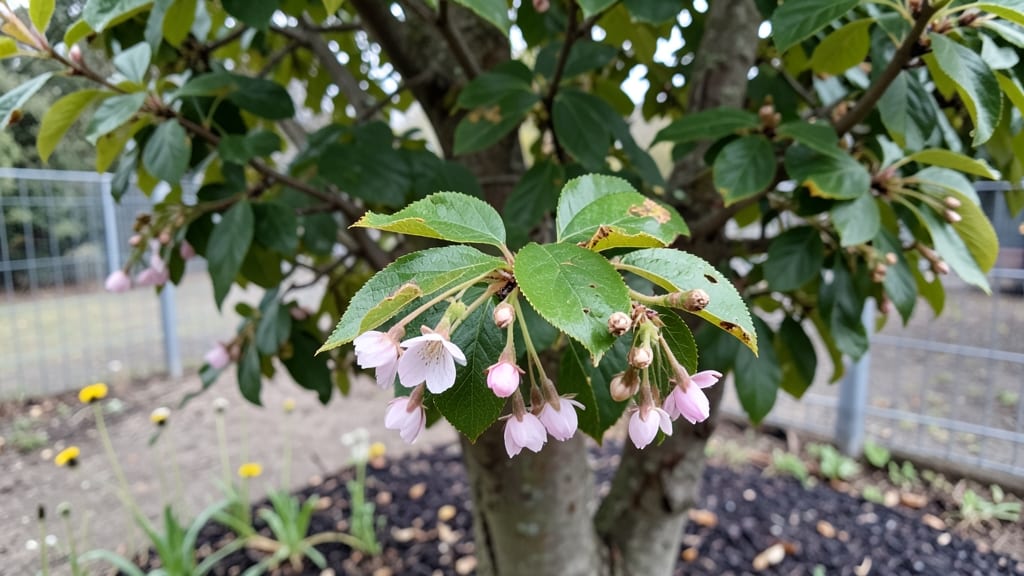
A large flowering cherry tree transforms any yard into a springtime masterpiece—but keeping it spectacular year after year takes just four smart cuts.
I’ve pruned mine every winter for a decade, and the difference between a tree that dazzles and one that fades comes down to timing, technique, and a little patience.
The right cuts don’t just preserve those iconic pink blooms; they shape the tree’s future growth, ensuring it stays healthy and vibrant even when it’s not in full flower.
Most gardeners overlook how pruning affects the tree’s structure long-term. My first mistake was cutting too late in spring, which left the branches vulnerable to pests and weakened the blooms for the next season.
The key is to prune in late winter—before buds swell—when the tree is still dormant but ready to respond. You’ll need basic tools: sharp pruners, a saw for thicker branches, and rubbing alcohol to sterilize cuts.
The process takes about an hour, but the payoff is a tree that bursts with color every spring and maintains its shape all year.
What you’ll end up with is a tree that’s both a showstopper and a low-maintenance star. Those delicate pink blossoms will cover the branches like confetti, while the glossy green leaves provide summer shade and autumn color.
Even in winter, the tree’s elegant silhouette adds structure to the landscape. The right cuts also encourage stronger branches, so you’ll spend less time fixing storm damage and more time admiring your tree’s natural beauty.
This approach works for any mature flowering cherry, whether you’ve got a young sapling or an established tree in your yard. The same principles apply whether you’re shaping a single specimen or pruning a small grove.
Once you master these four cuts, your tree will become the centerpiece of your garden—blooming reliably, staying healthy, and turning heads every season.
📚 In This Guide
- What you need
- Instructions
- Tips and common mistakes
- Wrapping up and next steps
What you need
- ● Pruning shears (bypass type) – Sharp, clean, and disinfected (70% isopropyl alcohol works great!). Choose a pair with bypass blades (4-6 inches long) for clean cuts.
- ● Loppers (long-handled, 8-12 inches) – For thicker branches (½”–2” diameter). Opt for ratcheting or bypass loppers to avoid crushing.
- ● Pruning saw (curved-tooth) – For branches thicker than 2 inches. A folding pruning saw with a 7-10” blade is ideal.
- ● Extension pole pruners – Extend your reach for high branches (12–16 feet). Look for adjustable or telescopic poles for flexibility.
- ● Gloves (cut-resistant, heavy-duty) – Protect your hands from thorns and rough bark. Leather or Kevlar gloves are best.
- ● Disinfectant (70% isopropyl alcohol or bleach solution) – Sterilize tools between cuts to prevent disease spread.
- ○ Rubbing alcohol or hydrogen peroxide (3%) – For cleaning wounds on the tree (optional but helpful for large cuts).
- ● Safety gear – Safety glasses (to shield from debris) and earplugs (if using a chainsaw for stubborn branches).
- ● Tar or pruning sealant – Only use on cuts larger than ½” to prevent disease (though most experts say fresh cuts seal naturally!).
- ● Ladder (aluminum or fiberglass, 12–20 feet) – For hard-to-reach branches. Never stand on the top step!
- ● Heavy-duty trash bags – For collecting and disposing of pruned branches.
- ● Notebook & pencil – To sketch a pruning map of cuts before you start.
- ● Choose the right time – Prune your cherry tree late winter to early spring (before buds swell) for best results.
- ● Check the weather – Pick a dry, calm day (no rain in the forecast for 24 hours).
- ● Assess the tree’s health – Look for dead, diseased, or crossing branches to prioritize.
- ● Clear the area – Remove obstacles, pets, and bystanders from a 10-foot radius around the tree.
Instructions for pruning a large flowering cherry tree
Here's the straightforward approach I use to keep my flowering cherry tree healthy and blooming beautifully every year.
Identify and Remove Dead or Diseased Branches
Start by examining the tree from top to bottom, looking for branches that are completely brown, brittle, or showing signs of disease like fungal spots or oozing sap. These branches won't produce flowers and can spread problems to healthy wood. Use clean, sharp pruning shears to make your cuts—dull tools can crush branches and create wounds that invite infection.
Cut just outside the branch collar, the swollen area where the branch meets the trunk. Avoid leaving stubs, as these can rot and attract pests. If you're unsure whether a branch is dead, scratch the bark with your fingernail—if it's green underneath, it's still alive and should stay on the tree.
Thin Out Crowded Branches for Better Airflow
Next, focus on thinning the canopy to improve light penetration and airflow. Look for branches that cross each other or grow too close together, rubbing against one another. These competing branches weaken the tree and reduce flowering potential. Aim to remove about 20-30% of the tree's total branches to maintain a balanced shape.
Make your cuts at the branch collar, but be careful not to leave a stub. If a branch is larger than ½ inch in diameter, use a three-cut method to avoid tearing the bark. First, make an undercut on the underside of the branch, then a top cut just outside the branch collar, and finally, remove the remaining wood. This prevents the bark from splitting as the branch falls.
Prune for Shape and Structure
Now, shape the tree by selectively pruning branches that disrupt its natural form. Flowering cherry trees have a graceful, vase-like shape, so avoid cutting back too aggressively, which can reduce next year's blooms. Focus on removing branches that grow inward or downward, as these can block light and create a dense, unbalanced canopy.
For structural branches, make cuts just outside the branch collar but avoid over-pruning the outer edges. Flowering cherry trees produce blooms on one-year-old wood, so avoid heavy pruning in late summer or fall, as this can remove next year's flower buds. Instead, do most of your shaping in late winter or early spring, just as the tree begins to wake up from dormancy.
Clean Up and Monitor for Recovery
After pruning, remove all debris from the ground and sterilize your tools with rubbing alcohol or a bleach solution to prevent the spread of disease. This step is often overlooked but critical for keeping your tree healthy. Once the cuts are made, the tree will begin to heal, and you should see new growth emerging from the branch collars within a few weeks.
Monitor the tree closely in the weeks following pruning. If you notice any unusual wilting, discoloration, or signs of stress, it could indicate that the cuts were too severe or that the tree is struggling with the changes. Water deeply if the weather is dry, and avoid fertilizing immediately after pruning—let the tree focus on healing before encouraging new growth.
Tips & tricks for pruning a large flowering cherry tree
Here's what I've learned over years of pruning my own flowering cherry tree to keep it thriving and blooming beautifully.
Tool Preparation: Before you begin, sharpen your pruning shears and sterilize them with rubbing alcohol or a bleach solution. I've ruined perfectly good cuts by using dull tools that crush branches instead of making clean cuts. A clean cut heals faster and reduces the risk of disease. Also, consider wearing gloves to protect your hands from thorns and sap.
Season Timing Matters: The instructions mention late winter or early spring as the ideal time to prune, and I couldn't agree more. This timing coincides with the tree's natural dormancy period, allowing it to heal quickly before the growing season. Avoid pruning in late summer or fall, as this can remove next year's flower buds that form on one-year-old wood.
Visual Branch Assessment: When examining branches in Step 1, look for the classic "scratch test" to determine if a branch is dead. Scratch the bark with your fingernail—if it's green underneath, the branch is still alive. For branches larger than ½ inch in diameter, use the three-cut method described in Step 2 to prevent bark tearing. This technique is especially important for maintaining the tree's health and structural integrity.
Post-Pruning Care: After completing all your cuts, don't forget to remove all debris from the ground. I've seen too many gardeners leave this step until later, only to have the debris become a breeding ground for pests and diseases. Also, avoid fertilizing immediately after pruning—let the tree focus on healing before encouraging new growth. Water deeply if the weather is dry, but don't overwater, as this can stress the tree.
Pro Tips for Large Flowering Cherry Tree
- Here's what I've learned over years of pruning my own flowering cherry tree to keep it thriving and blooming beautifully.
- Tool Preparation: Before you begin, sharpen your pruning shears and sterilize them with rubbing alcohol or a bleach solution.
- Season Timing Matters: The instructions mention late winter or early spring as the ideal time to prune, and I couldn't agree more.
Frequently asked questions
Got questions about keeping your large flowering cherry tree healthy and blooming beautifully? You’re not alone! Here are some of the most common questions—and straightforward answers—to help you care for your tree with confidence.
When is the best time to prune a large flowering cherry tree for blooms?
The ideal window is late winter or early spring, right after the tree finishes flowering (typically March–April in most climates). This timing ensures you don’t remove next year’s flower buds while still promoting airflow and shape. Avoid pruning in fall—it can stimulate late growth that’s vulnerable to frost damage.
How do I know if I’m over-pruning my cherry tree?
Watch for these red flags: bare branches, excessive leaf loss, or weak growth the following spring. Cherry trees bloom on last year’s wood, so aggressive cuts can strip away flower buds. Stick to removing no more than 25% of the canopy per year, and prioritize dead, diseased, or crossing branches over heavy thinning.
What should I do if my cherry tree’s flowers keep falling off?
Flower drop is often caused by environmental stress, like late frosts, drought, or overwatering. First, check for frost damage (brown, mushy buds). If the soil is soggy, improve drainage; if it’s dry, water deeply but infrequently. Thin out dense branches to boost airflow, and avoid heavy pruning during bloom season. A balanced 10-10-10 fertilizer in early spring can also help.
Are there smaller alternatives to large flowering cherry trees?
If space is limited, consider these compact or dwarf varieties:
- ‘Kanzan’ (Prunus serrulata ‘Kanzan’) – Grows to 20–25 ft but has a neat, rounded shape.
- ‘Shirofugen’ – Pink double blooms, matures at 15–20 ft.
- ‘Stella Compact’ – A true dwarf (6–8 ft), perfect for containers.
Why do some cherry trees have fewer blooms than others?
Bloom quantity depends on sunlight, age, and health. Young trees (under 5 years) may bloom lightly while they establish roots. Mature trees (10+ years) often produce the most flowers—but poor sunlight (less than 6 hours/day) or nutrient deficiencies (like low phosphorus) can stunt blooms. Test your soil and mulch with compost to encourage vigor.
Wrapping up and next steps
Planting a large flowering cherry tree in your landscape is a rewarding choice—its stunning blooms bring joy and elegance year after year! 🌸 By mastering the four strategic cuts outlined here, you’ll ensure vibrant flowers, robust growth, and a healthier tree.
Remember, pruning isn’t just about aesthetics; it’s about nurturing your tree’s long-term vitality.
Ready to transform your outdoor space? Grab your pruners, mark your calendar for the best pruning seasons, and take the first step today.
Whether you’re a seasoned gardener or a beginner, every snip brings you closer to a breathtaking cherry tree that will be the star of your garden for decades!