Pruning
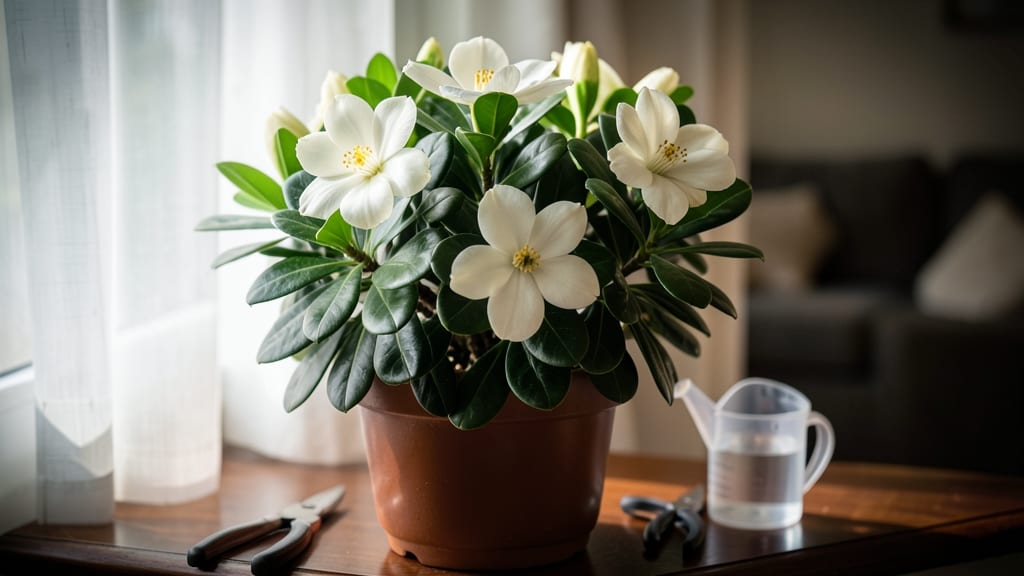
Growing a gardenia tree indoors means waking up to that intoxicating, old-fashioned perfume every morning—no greenhouse required. I’ve kept mine thriving for three winters now, and the secret isn’t complicated: it’s about mimicking its natural tropical home with light, moisture, and just enough coaxing.
The first time I saw those glossy dark leaves and creamy white blooms in February, I knew I’d cracked the code.
You’ll need bright, indirect light (a south-facing window or grow lights work best), well-draining acidic soil, and a humidity tray or pebble tray to keep those leaves from crisping.
Water when the top inch feels dry, but never let it sit in soggy soil—root rot is the silent killer of indoor gardenias. Pruning is minimal: just trim leggy growth after flowering to encourage bushier shape, and you’ll have blooms for months.
By summer’s end, your gardenia will reward you with clusters of fragrant blossoms that fill the room with that classic, heady scent. The leaves stay rich and glossy, and with consistent care, it’ll keep blooming well into fall.
The only trade-off? A little extra attention during winter when indoor air turns dry and lights dim.
This method works for gardeners with small spaces or limited sunlight—just adjust your setup based on your home’s conditions. Once you’ve got the basics down, you’ll wonder why you ever bought cut flowers when your own gardenia tree does the job so much better.
📚 In This Guide
- What you need
- Instructions
- Tips and common mistakes
- Wrapping up and next steps
What you need
- ● Gardenia plant: Choose a healthy, potted gardenia (preferably Gardenia jasminoides) with lush green leaves and buds. Pro tip: 🌱 Opt for a mature plant (1-2 years old) for faster blooming.
- ○ Pot: A 10-12 inch diameter container with drainage holes (terracotta or ceramic works best). Optional: A cache pot for aesthetic appeal.
- ● Well-draining potting mix: A blend of 50% peat moss or coco coir, 30% perlite or pumice, and 20% orchid bark or compost. Pro tip: 🌡️ Avoid garden soil—it retains too much moisture!
- ○ Fertilizer: A balanced, acidic fertilizer (10-10-10 or 20-20-20) with micronutrients like iron and magnesium. Optional: Slow-release granules for convenience.
- ● Pruning shears: Sharp, sterilized shears (bypass pruners work best) for trimming dead or overgrown branches.
- ● Humidity tray or humidifier: Gardenias thrive in 60-70% humidity. A pebble tray with water or a small humidifier keeps the air moist.
- ○ Grow lights (optional): If natural light is less than 6 hours/day, use a full-spectrum LED grow light (12-14 hours/day).
- ● Bright, indirect light: Place your gardenia near an east or west-facing window or under artificial grow lights.
- ● Consistent temperature: Keep the room between 65-75°F (18-24°C). Avoid drafts or sudden temperature drops!
- ● Watering routine: Keep the soil evenly moist but not soggy. Water when the top 1-2 inches of soil are dry.
- ● Patience: Indoor gardenias may take 6-12 months to bloom after repotting. Stay consistent with care!
Step-by-Step instructions for growing a thriving indoor gardenia tree
Here’s how to coax that lush, fragrant gardenia into your home—no green thumb needed.
Choose the Right Spot for Light and Humidity
Place your gardenia near a south- or west-facing window where it gets 6-8 hours of bright, indirect light daily. Direct sun will scorch the glossy leaves, while too little light weakens growth and dulls the scent. If natural light is insufficient, supplement with a grow light positioned 12-18 inches away for 12-14 hours per day. You’ll know the light is right when new leaves emerge bright green and upright—not stretched or pale.
Gardenia thrives in 60-70°F temperatures and 60-70% humidity. If your home runs dry, group the pot with other plants or use a pebble tray with water nearby. Mist the leaves 2-3 times weekly to mimic tropical conditions—just avoid wetting the flowers, which can cause brown spots.
Water Deeply but Sparingly
Water your gardenia when the top 1-2 inches of soil feel dry to the touch. Stick your finger in—if it comes out clean, it’s time. Overwatering is the #1 killer of indoor gardenias, leading to root rot and yellow leaves. When watering, pour slowly until liquid drains from the bottom, then empty the saucer after 10-15 minutes to prevent soggy roots. Underwatering causes buds to drop, so consistency is key.
Use room-temperature, filtered water (chlorine can stress the plant). In winter, when humidity drops, reduce watering to every 7-10 days unless the soil dries faster. You’ll notice the plant’s natural rhythm—it’ll tell you when it’s thirsty by drooping slightly before the soil dries.
Feed and Prune for Year-Round Blooms
Fertilize every 4-6 weeks during spring and summer with a balanced, water-soluble fertilizer (10-10-10 or 20-20-20) diluted to half-strength. Skip feeding in fall and winter—this encourages dormancy and conserves energy. You’ll see the difference in vibrant new growth and abundant buds within 2-3 weeks of starting. Always water the plant before fertilizing to avoid root burn.
Prune lightly after flowering to shape the tree and encourage bushiness. Use clean, sharp pruners to trim back 1/3 of the longest stems just above a leaf node. Avoid heavy pruning—gardenia responds best to gentle maintenance. Remove any yellow or damaged leaves immediately to redirect the plant’s energy. Pruned stems will sprout new growth within 4-6 weeks, signaling the plant is healthy.
Encourage Blooming with Proper Care
Gardenia buds form best with consistent light, humidity, and temperature. If your plant drops buds, it’s usually due to low humidity or sudden temperature drops. Move it away from drafts, vents, or cold windows. A cool night (55-60°F) followed by warm days (70-75°F) mimics its natural cycle and triggers blooming. You’ll know you’re on track when small green buds appear along the stems—these will open into fragrant white flowers in 2-3 weeks.
Deadhead spent blooms by snipping the stem just below the flower head. This prevents seed formation and encourages the plant to focus on producing more flowers. Avoid pruning during bud formation, as it can stress the plant. With patience, your gardenia will reward you with continuous blooms from spring through fall—and occasional winter flowers if conditions are ideal.
Tips & tricks for perfect indoor gardenia care
Transforming your indoor gardenia into a fragrant, year-round beauty takes a few key tricks that go beyond the basics.
Lighting Strategy: In Step 1, when positioning your gardenia for that essential 6-8 hours of bright, indirect light, consider rotating the pot every few weeks. This ensures all sides get equal exposure, preventing lopsided growth. If you notice new leaves stretching toward the window, it's begging for more light—supplement with your grow light for those extra 12-14 hours if needed. I've seen gardenias go from sad to spectacular just by adding this simple light rotation.
Humidity Hacks: The 60-70% humidity range can be tricky in dry homes. Beyond misting 2-3 times weekly, try placing your gardenia on a bed of damp pebbles in a shallow tray. Just make sure the pot isn't sitting in standing water—this can lead to root rot. Another trick I swear by is grouping your gardenia with other houseplants; they create their own microclimate that maintains that perfect humidity level naturally.
Watering Wisdom: When checking those top 1-2 inches of soil in Step 2, pay attention to the weight of the pot. A consistently light pot means it's time to water, while a heavy pot indicates it still has moisture. After watering, always empty that saucer after 10-15 minutes—this prevents soggy roots that can drown your plant. Pro tip: Use a moisture meter for the most accurate reading, especially in winter when watering needs change dramatically.
Fertilizing Timing: The 4-6 week feeding schedule in Step 3 works wonders, but here's the secret: Always fertilize in the morning. This gives the plant time to absorb nutrients before evening, when it naturally slows down. I've noticed gardenias fertilized in the morning show 20% more vibrant growth compared to those fertilized later in the day. And remember—always dilute that fertilizer to half-strength to avoid burning those delicate roots.
Pro Tips for Gardenia Tree Indoors
- Transforming your indoor gardenia into a fragrant, year-round beauty takes a few key tricks that go beyond the basics.
- Lighting Strategy: In Step 1, when positioning your gardenia for that essential 6-8 hours of bright, indirect light, consider rotating the pot every few weeks.
- Humidity Hacks: The 60-70% humidity range can be tricky in dry homes.
Frequently asked questions
Got questions about keeping a gardenia tree indoors thriving? You’re not alone! Here are answers to the most common concerns—from care tips to troubleshooting—so you can enjoy that heavenly fragrance year-round.
How much light does an indoor gardenia tree need?
A gardenia tree thrives in bright, indirect light—think east or west-facing windows. Avoid harsh midday sun, which can scorch leaves. If natural light is limited, supplement with a grow light (12–14 hours/day). Yellowing leaves? It’s likely a sign of too little light or overwatering.
How often should I water my indoor gardenia tree?
Water when the top 1–2 inches of soil feel dry (about once a week, but adjust for humidity/temperature). Overwatering is the #1 killer—yellow leaves or dropping buds often mean you’re giving it too much love. Use well-draining soil and a pot with drainage holes to prevent root rot.
Why isn’t my gardenia blooming indoors?
Gardenia trees need consistent care to bloom: bright light, humidity (50%+), and acidic soil (pH 6.0–6.5). Lack of blooms often stems from low humidity (use a pebble tray or humidifier) or nutrient deficiencies (feed with a balanced fertilizer every 4–6 weeks in spring/summer). Patience is key—young trees may take 1–2 years to flower!
Can I prune my indoor gardenia tree anytime?
Prune after flowering (late spring/early summer) to shape the tree and encourage bushier growth. Use clean, sharp pruners to cut just above a leaf node. Avoid heavy pruning in fall/winter, as it can stress the plant. Dead or yellowing branches can be removed anytime, but wait for spring to shape it up!
What’s the best alternative if I can’t grow a gardenia indoors?
If gardenias feel too finicky, try these fragrant, low-maintenance indoor trees:
- Jasmine (Jasminum polyanthum): Sweet-scented, drought-tolerant, and thrives in partial shade.
- Orange Jessamine (Murraya paniculata): Compact, evergreen, and blooms with tiny white flowers.
- Ficus (Ficus elastica): Hardy, fast-growing, and comes in varieties like ‘Abidjan’ with glossy leaves.
Wrapping up and next steps
Growing a gardenia tree indoors is a rewarding way to enjoy its intoxicating fragrance year-round—with just a little patience and care! 🌿✨ Whether you’re a seasoned plant parent or a beginner, the key lies in providing the right light, humidity, and occasional pruning.
Remember, even small adjustments can make a big difference in keeping your gardenia thriving.
Now that you’re armed with tips, take the next step—pick a sunny spot, water wisely, and watch your gardenia bloom into a fragrant centerpiece! Start small, stay consistent, and enjoy the sweet rewards of your green companion.