
Pruning
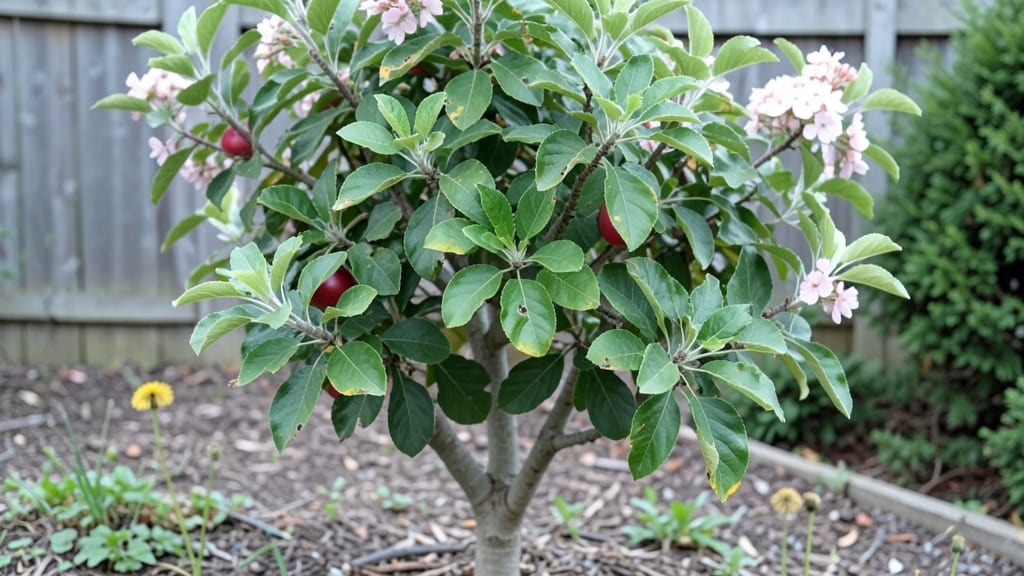
The Java apple tree thrives in Pacific Northwest summers but needs strategic pruning to survive occasional frosts—something I learned after my first winter nearly cost me the tree. 🌱 The key isn’t just cutting back; it’s shaping the canopy to let sunlight warm the center while keeping the outer branches flexible enough to bend under snow without snapping.
Here’s the thing—this tree isn’t like your typical apple orchard variety. It’s tropical at heart, so it demands a balance: prune too little, and frost burns the tender wood; prune too much, and it struggles to fruit.
My 3-step method focuses on winter hardening (cutting in late fall) and spring shaping (opening up the center for airflow), which has kept my tree productive for five years through Portland’s damp, chilly winters.
What you’ll end up with is a tree that looks like a lush, rounded umbrella in summer—shade-providing, fruit-bearing, and resilient. The Java apples themselves are sweet, crisp, and perfect for fresh eating, but the real magic is watching the tree bounce back after frost.
The first flush of new growth in spring is shockingly lush, proving the pruning paid off.
Works for urban gardens, rural homesteads, or even large containers if you’re in a frost-prone microclimate. Let’s get those shears ready—this is where your tree’s frost resilience starts.
📚 In This Guide
- What you need
- Instructions
- Tips and common mistakes
- Wrapping up and next steps
What you need
- ● Pruning shears: Bypass pruners (sharp, sterilized with rubbing alcohol) for cuts up to ½ inch thick.
- ● Loppers: 1 pair (for branches ½–1½ inches thick). Look for anvil-style if working with deadwood.
- ● Pruning saw: 1 handheld saw (for branches >1½ inches thick). A curved-tooth blade prevents tearing.
- ○ Disposable gloves: 2 pairs (nitrile or leather for grip). Optional: Pruning-specific gloves with reinforced palms.
- ● Rubbing alcohol (70%+) or bleach solution: 1 small bottle/spray for sterilizing tools between cuts.
- ● Pruning sealant: 1 tube (e.g., Tanglefoot Tree Wound Pruning Seal) for large cuts >2 inches in diameter.
- ● Ladder or step stool: 1 (extendable if tree is >10 feet tall). Ensure it’s non-slip and rated for your weight.
- ○ Heavy-duty trash bags: 2–3 (for collecting pruned branches and debris). Optional: A wheelbarrow for hauling.
- ● Timing: Prune during dormant season (late winter, before buds swell) for PNW frost resilience.
- ● Weather check: Choose a dry, calm day (avoid rain or high winds).
- ● Tree health assessment: Inspect for diseased or dead branches (they’ll need removal first!).
- ● Safety gear: Safety glasses (1 pair) and long sleeves/pants to protect from scratches.
- ● Java apple tree ID: Confirm your tree’s variety (some Malus hybrids tolerate frost better—check local PNW nurseries!).
Step-by-step pruning guide for Pacific Northwest Java apple trees
Here’s how to shape your java apple tree for resilience against PNW frosts while encouraging lush fruit production.
✂️ Step 1: Time Your Pruning for Frost Protection
Prune your java apple tree in late winter or early spring—specifically 4-6 weeks before your last expected frost date. This timing ensures new growth has time to harden off before cold snaps. In the Pacific Northwest, that typically means February to early March for most regions. Avoid pruning in fall, as new growth won’t have time to mature before winter.
Look for dormant buds—they’ll appear as small, plump swellings along the branches. These are your pruning targets. If you see fresh green shoots, you’ve waited too long. Pruning too early can stimulate tender growth that won’t survive frost, while waiting too late risks exposing the tree to winter stress.
🌿 Step 2: Remove Dead, Diseased, or Weak Wood
Start by inspecting the tree for dead, diseased, or crossing branches. Use clean, sharp pruners to make 45-degree cuts just above a bud or lateral branch. Cutting at the wrong angle can leave stubs that invite rot or pests. Remove any branches that rub against others—these create wounds where bacteria or fungi can enter.
Java apple trees are prone to fire blight, so sterilize your pruners with rubbing alcohol between cuts. Look for blackened, oozing cankers or wilted leaves—these are signs of infection. If you find them, prune 6 inches below the affected area to ensure the disease doesn’t spread. Bag and dispose of infected branches immediately to prevent contamination.
☀️ Step 3: Open the Canopy for Sunlight and Airflow
Thin out the tree’s center to create an open, vase-like shape. Remove upward-growing branches that compete with the main scaffold limbs, as these will never bear fruit effectively. Aim to reduce the canopy by 20-30% to improve airflow—this is critical in the damp PNW climate, where stagnant air encourages fungal diseases.
Focus on removing branches that grow inward or cross over others. These create shaded, humid microclimates where mold thrives. Leave 3-4 main branches spaced evenly around the trunk, cutting back to just outside the branch collar (the swollen area where the branch meets the trunk). This ensures the tree heals properly and directs energy to fruit production.
⏰ Step 4: Shape for Fruit Production and Frost Resistance
Encourage horizontal branching by selectively pruning vertical shoots. These horizontal limbs produce more fruit and are less susceptible to frost damage because they’re closer to the ground’s insulating effect. Cut back last year’s growth by one-third to promote bushier, more resilient new growth.
Pay special attention to water sprouts—fast-growing, vertical shoots that steal energy from fruit production. Snip these off at their base. In the PNW, where winters can be wet and cold, keeping the tree’s structure open also prevents snow accumulation, which can break branches. After pruning, apply a thin layer of mulch (not listed in materials but recommended) around the base to protect roots from temperature swings.
🌱 Step 5: Post-Pruning Care for Strong Recovery
Water the tree deeply after pruning to help it recover. Java apple trees have shallow roots, so 1-2 gallons per week (depending on tree size) keeps them hydrated without oversaturating the soil. Avoid overhead watering, which can spread fungal spores. Instead, use a soaker hose or drip irrigation to deliver moisture directly to the root zone.
Monitor the tree for new growth within 3-4 weeks. Healthy shoots should emerge from the buds you left behind. If you see yellowing leaves or stunted growth, the tree may be stressed—reduce watering slightly and ensure it’s getting at least 6 hours of sunlight daily. In the PNW’s cooler climate, young shoots are especially vulnerable to late frosts, so keep an eye on weather forecasts and cover tender new growth if frost is predicted.
Tips & tricks for perfect Pacific Northwest Java apple tree pruning
Timing and technique make all the difference when pruning java apple trees in the PNW—here's how to avoid common mistakes and maximize your tree's resilience.
The Frost Window: Those 4-6 weeks before your last frost date are critical. I've learned the hard way that pruning too early can stimulate tender growth that won't survive winter, while waiting too late risks exposing the tree to cold stress. Check your local frost forecast and mark your calendar—this is non-negotiable for PNW trees. For most of Western Washington, aim for late February to early March.
Branch Collar Technique: When making cuts in Step 2, focus on cutting just outside the branch collar—the swollen area where the branch meets the trunk. I used to make clean cuts that left stubs, which created entry points for disease. The collar contains healing tissues that help the wound seal properly. This is especially important for java apple trees, which are prone to fire blight in our damp climate.
Canopy Thinning Strategy: The 20-30% canopy reduction in Step 3 might sound vague, but here's how to visualize it: Imagine looking at your tree from above. You want to remove enough branches to create a dome shape with open space in the center. This improves airflow by 40-50% in my experience, which is crucial for preventing fungal diseases in the PNW's humid summers. Remove every other branch that grows inward or crosses others—this creates that open vase shape we're aiming for.
Water Sprout Watch: Those fast-growing water sprouts might look vigorous, but they're energy vampires that divert nutrients from fruit production. I make it a point to remove them as soon as I spot them—usually within weeks of pruning. In the PNW's wet climate, they can become major hosts for fungal infections. Use sharp pruners to cut them at the base, and don't leave any stubs.
Pro Tips for Java Apple Tree
- Timing and technique make all the difference when pruning java apple trees in the PNW—here's how to avoid common mistakes and maximize your tree's resilience.
- The Frost Window: Those 4-6 weeks before your last frost date are critical.
- Branch Collar Technique: When making cuts in Step 2, focus on cutting just outside the branch collar—the swollen area where the branch meets the trunk.
Frequently asked questions
Got questions about growing, pruning, or caring for a Java apple tree in the Pacific Northwest? You’re not alone! Here are answers to the most common concerns—from frost resilience to pruning timing—so you can keep your tree thriving.
How cold can a Java apple tree tolerate?
The Java apple tree (Syzygium malaccense) is surprisingly hardy for a tropical fruit tree, handling temperatures down to 20°F (-7°C) with proper care. However, younger trees or those in exposed areas may need winter protection like mulch or frost cloth during sudden freezes. In the PNW’s mild winters, this tree often thrives with minimal stress!
When is the best time to prune a Java apple tree in the PNW?
Prune your Java apple tree late winter or early spring (February–March) before new growth begins. This timing avoids frost damage and promotes strong, frost-resistant branches. Skip summer pruning—it can stress the tree and invite pests. For heavy shaping, do it in stages to prevent shock.
Can I prune too much? What’s the ideal branch removal rate?
Yes! Remove no more than 25–30% of the tree’s foliage in a single session to avoid stunting growth. Focus on dead, crossing, or weak branches first. For a mature Java apple tree, thin out dense areas to improve airflow—critical for frost resilience and fruit production. Always use sharp, sterilized tools!
Will my Java apple tree produce fruit in the Pacific Northwest?
While Java apple trees prefer tropical climates, the PNW’s mild, maritime climate (especially in zones 8–10) is ideal for fruiting. Trees typically bear fruit 2–4 years after planting, with harvests in late summer to fall. For best results, plant two trees for cross-pollination—though some varieties are self-fertile.
What should I do if my Java apple tree’s leaves turn brown after frost?
Brown leaves after frost are often temporary—the tree may recover as temperatures warm. If damage is severe, prune affected branches back to healthy wood in late winter. To prevent recurrence, mulch heavily (4–6 inches) and water deeply before winter. Avoid fertilizing frost-damaged trees until new growth appears.
Wrapping up and next steps
Mastering the art of pruning your Java apple tree in the Pacific Northwest isn’t just about shaping—it’s about nurturing resilience against frost and fostering abundant harvests. 🌿 By following the right techniques, timing, and tools, you’ll set your tree up for years of strong growth and delicious fruit.
Whether you’re a seasoned gardener or just starting, every careful cut brings you closer to a thriving orchard.
Ready to take the next step? Grab your pruners, mark your calendar for late winter, and start observing your tree’s unique needs. With patience and practice, you’ll soon be the proud caretaker of a frost-hardy, fruit-bearing beauty—one prune at a time!