
Trees
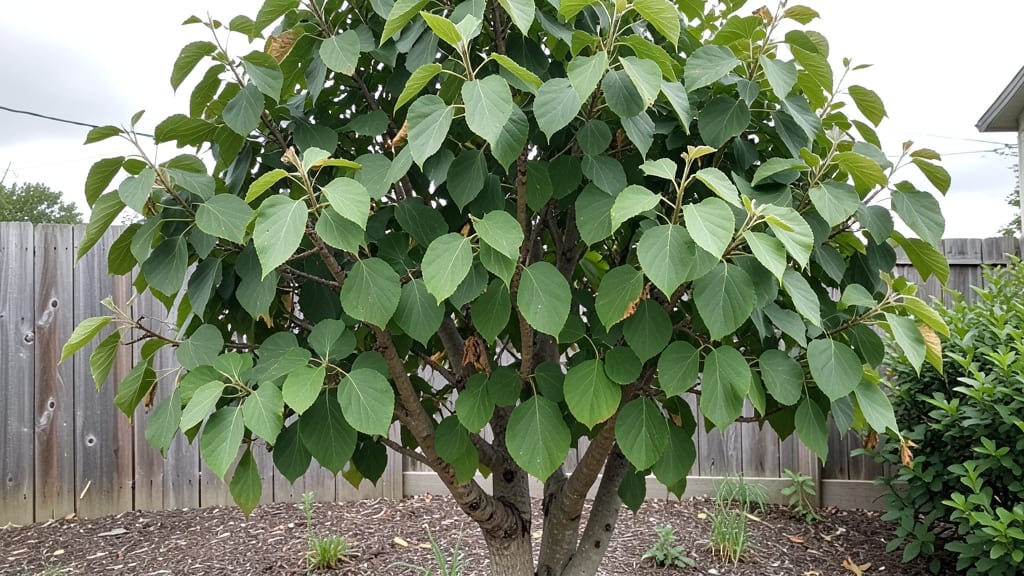
Those Japanese lilac tree leaves smell like spring in a bottle—but only if you prune them right. 🌿 My first year with Syringa reticulata, I nearly lost mine to powdery mildew because I ignored the leaves' signals.
The good news? Healthy foliage comes down to timing, tools, and a little elbow grease.
Start by inspecting leaves for yellowing, spots, or webbing—common signs of stress in Pacific Northwest climates. Prune in late winter or early spring before new growth appears, using clean, sharp shears to avoid tearing.
Remove 1/3 of the oldest wood annually to encourage fresh, fragrant foliage and improve airflow, which prevents fungal diseases like powdery mildew.
📚 In This Guide
- What you need
- Instructions
- Tips and common mistakes
- Wrapping up and next steps
What you need
- ● Pruning shears: Sharp, bypass-style shears (for clean cuts; blank">Felco F-2 or blank">Gonicc G09 are top picks). 1 pair required.
- ● Loppers: For thicker branches (1–2 inches in diameter). 1 pair (e.g., blank">Fiskars X27).
- ○ Pruning saw: Optional for stubborn branches (3–4 inches thick). blank">Bahco Ergo is a great choice.
- ● Disinfectant: 70% isopropyl alcohol or blank">rubbing alcohol (to sterilize tools between cuts; small bottle).
- ● Garden gloves: Cut-resistant (e.g., blank">Felco 700; 1 pair).
- ○ Pruning sealant: Optional (e.g., blank">Tanglefoot Tree Wound Pruning Sealer; small tube).
- ● Heavy-duty trash bags: For collecting pruned leaves/branches (2–3 bags).
- ● Ladder: Extension ladder (if tree exceeds 6 feet; rent or borrow).
- ○ Notebook & pencil: To sketch pruning plan (optional but helpful).
- ● Weather: Prune on a dry, cool day (avoid rain/frost).
- ● Safety glasses: Protect eyes from debris (1 pair).
- ● Long sleeves/pants: Wear lightweight, breathable fabric to avoid scratches.
- ● First-aid kit: Bandages & antiseptic wipes (for minor cuts).
- ● Japanese lilac knowledge: Identify your tree’s growth habit (e.g., blank">Syringa reticulata blooms on old wood—prune after flowering!).
How to prune Japanese lilac trees for maximum fragrance
Here's my refined approach to pruning Japanese lilacs—timing, technique, and scent preservation all matter.
✂️ Step 1: Prune Immediately After Flowering
Japanese lilacs bloom on old wood, so pruning must happen right after flowering, typically in late May to early June in the Pacific Northwest. Wait until all blooms have faded but don't delay beyond early summer—new growth needs time to harden before winter. I always check for browned petals as my cue.
Remove no more than 25% of the plant's total growth in one season. Focus on dead, crossing, or inward-growing branches first—they rob energy from fragrant blooms. Use sharp, clean pruners to make cuts at a 45-degree angle just above an outward-facing bud. This ensures new growth angles away from the center.
✂️ Step 2: Thin for Airflow and Light Penetration
Japanese lilacs need good air circulation to prevent fungal diseases that dull fragrance. Step back and look for branches that create dense clusters. Remove every third branch starting from the plant's center, working outward. You'll see a natural open vase shape emerge—this is ideal for both scent release and future blooms.
Don't be tempted to shear the plant into a rounded shape. Japanese lilacs bloom on last year's growth, and heavy shearing reduces next year's fragrance. Instead, target thin, leggy branches that weaken the plant's structure. These are often the ones growing straight up without leaves.
☀️ Step 3: Fertilize and Mulch for Next Year's Blooms
After pruning, apply a balanced 10-10-10 fertilizer around the root zone but keep it 6 inches away from the trunk. Japanese lilacs respond well to a light feeding in early summer—this encourages strong new growth that will produce next year's fragrant flowers. Water deeply to help roots absorb nutrients.
Spread 3-4 inches of organic mulch (like wood chips or shredded bark) over the root area, keeping it 2 inches away from the trunk. This conserves moisture and protects roots from winter fluctuations. The mulch also suppresses weeds that compete for nutrients. I always check mulch depth in late fall and refresh if it's broken down.
⏰ Step 4: Winter Protection for Pacific Northwest Growers
Japanese lilacs handle the Pacific Northwest's mild winters, but young trees or exposed sites need extra care. In late fall, wrap the trunk with tree wrap if your winters dip below 15°F). This prevents sunscald, which weakens the tree and reduces next year's fragrance.
Prune any dead or broken branches in late winter (February-March) before new growth begins. These are easy to spot—they're brown and brittle while healthy branches are still dormant but firm. Remove them immediately to prevent disease from spreading to healthy wood.
Tips & tricks for pruning Japanese lilac trees
Japanese lilacs reward careful pruning with the most intoxicating fragrance—here's how to maximize their scent potential while keeping them healthy.
Timing is Everything: The late May to early June window is non-negotiable for Pacific Northwest growers. I've learned this the hard way—pruning too early while buds are still forming can sacrifice next year's blooms entirely. Look for completely browned petals as your cue, not just faded color. This ensures you're cutting after the plant has finished flowering but before new growth becomes too tender for winter.
Tool Precision Matters: Your pruners aren't just cutting tools—they're scent preservers. Use sharp, clean pruners that make clean cuts at a 45-degree angle just above an outward-facing bud. Dull blades crush stems, creating entry points for disease that dulls fragrance. I keep a small bottle of rubbing alcohol handy to wipe blades between cuts, and I always sterilize them with a 10% bleach solution after each pruning session.
Structure Over Shape: Forget the urge to create a perfectly rounded shrub—Japanese lilacs bloom on old wood, so heavy shearing back to a rounded shape reduces next year's fragrance. Instead, focus on creating an open vase shape by removing every third branch starting from the center. This improves airflow (critical for preventing fungal diseases that mute scent) and allows sunlight to penetrate to the inner branches where new blooms form.
Winter Protection Strategy: The 15°F threshold is your guide for winter protection in exposed sites. I've seen young trees develop sunscald when wrapped during milder winters, so I only apply tree wrap when temperatures consistently drop below 15°F. For extra protection, I also mound additional mulch around the base in exposed areas, creating a small berm that insulates roots from cold winds.
Pro Tips for Japanese Lilac Tree Leaves
- Japanese lilacs reward careful pruning with the most intoxicating fragrance—here's how to maximize their scent potential while keeping them healthy.
- Timing is Everything: The late May to early June window is non-negotiable for Pacific Northwest growers.
- Tool Precision Matters: Your pruners aren't just cutting tools—they're scent preservers.
Frequently asked questions
Got questions about caring for your Japanese lilac tree leaves? You’re not alone! Here are some of the most common queries from gardeners in the Pacific Northwest—and their answers.
When is the best time to prune Japanese lilac trees for fragrant leaves?
The ideal time to prune is late winter or early spring (February–March), just before new growth begins. This timing ensures you don’t cut off next year’s fragrant blooms while keeping the tree healthy. Avoid pruning after mid-summer, as it can stimulate tender new growth that may not survive PNW winters.
Do Japanese lilac leaves change color in fall?
Yes! While not as dramatic as maples, Japanese lilac leaves (Syringa reticulata) often turn soft yellows or golds in fall. For the deepest hues, plant in full sun and ensure well-drained soil. Mulch with organic matter (like cedar chips) to protect roots and enhance color.
Why are my Japanese lilac leaves turning brown or yellow?
Brown/yellow leaves usually signal overwatering, underwatering, or nutrient deficiencies. Check soil moisture—PNW’s damp winters can lead to root rot, while summer drought causes stress. Test soil pH (ideal: 6.0–7.0) and fertilize lightly in early spring with a balanced 10-10-10 formula if needed.
Can I use Japanese lilac leaves for tea or cooking?
While edible, Japanese lilac leaves are not commonly used in cooking due to their mild, slightly bitter flavor. However, they make a delicate herbal tea! Harvest young leaves in spring, steep briefly (3–5 mins), and enjoy their subtle floral notes. Avoid overconsumption—some may experience mild stomach upset.
What’s a good alternative if I can’t grow a Japanese lilac?
If your PNW garden lacks space or sunlight, try these fragrant leafy alternatives:
- Mock Orange (Philadelphus): White flowers with a lilac-like scent; thrives in partial shade.
- Western Red Cedar (Thuja plicata): Native evergreen with aromatic foliage (great for hedges!).
- Dwarf Lilac (Syringa meyeri): Compact, fragrant, and cold-hardy for small gardens.
Wrapping up and next steps
Transforming your Pacific Northwest garden with the fragrant allure of Japanese lilac leaves is easier than you think!
By mastering the art of pruning—timing, technique, and tool care—you’ll unlock a lush, aromatic retreat that thrives year after year. 🌿✨ Whether you’re trimming for shape, health, or blooms, every snip brings you closer to a vibrant outdoor space that feels like a hug from nature.
Ready to take the next step? Grab your pruners, mark your calendar for late winter or early spring, and start pruning with confidence! Your garden—and your senses—will thank you.