
Pruning
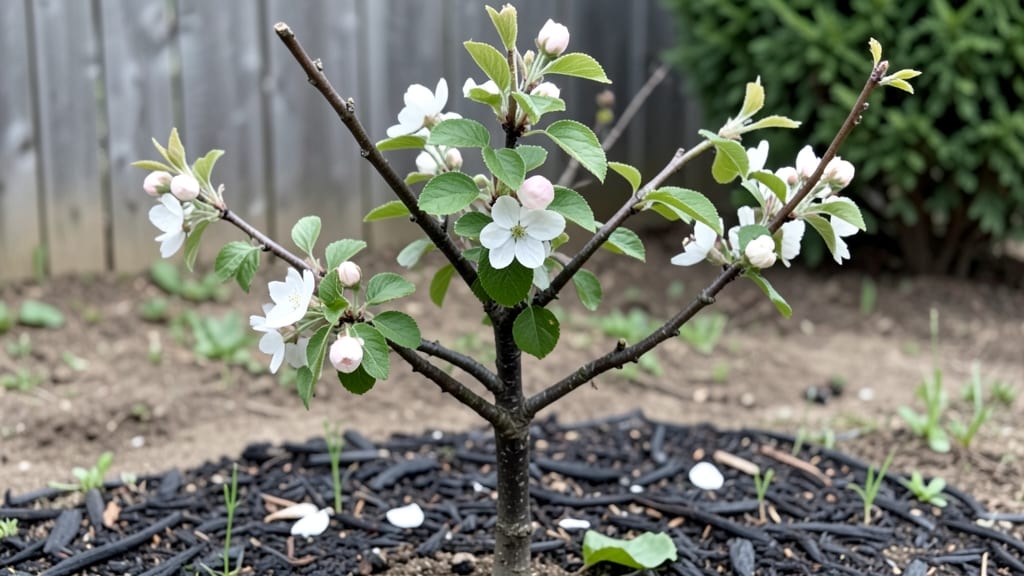
The Japanese crabapple tree (Malus floribunda) brings year-round Pacific Northwest charm with its delicate blooms and glossy foliage—plus, it practically prunes itself once established. I planted mine near the front walkway because it thrives in our rainy climate without fuss, and now it’s the neighborhood’s quiet star.
The key? A spot with 6+ hours of sun daily and well-draining soil that keeps roots happy even when winter rains arrive.
This tree handles our region’s wet winters better than most, but it still needs one deep watering per week once established (new plants need more). A light layer of mulch keeps roots cozy, and a balanced fertilizer in early spring ensures those iconic pink blossoms return every year.
The real magic? Its minimal pruning needs—just remove dead wood in late winter, and you’re done until summer’s occasional shape-up.
By late spring, you’ll be rewarded with fragrant clusters of blooms that attract pollinators, followed by tiny, edible crabapples that birds adore. The foliage stays lush through fall, turning golden before dropping—no bare branches here.
Even in our damp climate, this tree stays disease-resistant if you avoid overwatering and give it airflow.
Perfect for small yards, urban gardens, or as a low-maintenance focal point. Once it’s settled in (usually by year 3), it practically takes care of itself—just enjoy the show. Let’s get yours growing!
📚 In This Guide
- What you need
- Instructions
- Tips and common mistakes
- Wrapping up and next steps
What you need
- ● Japanese crabapple tree: Choose a Malus cultivar suited to PNW zones (e.g., ‘Royal Raindrops,’ ‘Snowdrift,’ or ‘Adirondack’). Opt for a 1-3 gallon container-grown sapling for easier handling.
- ● High-quality potting soil: 50 lbs of well-draining, acidic soil mix (pH 5.5–6.5). Add 10 lbs of peat moss or compost for organic matter.
- ● Organic mulch: 2–3 cubic feet of wood chips or shredded bark to retain moisture and suppress weeds.
- ● Fertilizer: 10-10-10 balanced fertilizer (1 lb) or slow-release organic granules (e.g., fish emulsion).
- ● Pruning tools: Bypass pruners: Sharp, bypass-style (not anvil) for clean cuts.
- ● Loppers: 8–12 inch for thicker branches.
- ● Hand saw: 7-inch folding pruning saw for stubborn limbs.
- ● Gloves: Heavy-duty gardening gloves (PNW’s thorns are no joke!).
- ● Watering can or hose: 5-gallon capacity with a gentle spray nozzle.
- ○ Tree stakes (optional): 2–4 stakes + soft tree ties for young saplings in windy areas.
- ○ Fungicide (optional): Copper-based spray (e.g., Daconil) to preempt fungal diseases like apple scab.
- ○ Tree wrap (optional):strong> 2–3 feet of tree guard cloth to protect bark from sunscald in winter.
- ● Sunlight: Ensure a full-sun location (6+ hours/day). PNW’s partial shade? Pick a ‘Evereste’ cultivar for tolerance.
- ● Spacing: Plant 15–20 feet apart from structures or other trees to avoid root competition.
- ● Water access: A drip irrigation system or hose within reach for deep watering (1–2 inches/week).
- ● Knowledge: Familiarize yourself with PNW-specific pests (e.g., codling moths) and pruning timing (late winter/early spring).
Instructions for planting and caring for a Japanese crabapple tree
Here's how to establish a stunning Japanese crabapple that thrives in Pacific Northwest conditions with minimal fuss.
Choose and Prepare the Planting Site
Select a location with full sun exposure—at least 6-8 hours of direct sunlight daily—and well-draining soil. Japanese crabapples tolerate a range of soil types but perform best in slightly acidic to neutral soil (pH 6.0-7.0). If your soil is heavy clay, amend it with 2-3 inches of compost mixed into the top 12 inches of soil to improve drainage.
Dig a hole twice as wide as the tree's root ball but only as deep as the container it came in. The top of the root ball should sit 1-2 inches above ground level—this prevents water from pooling around the trunk. Loosen the roots gently if they're circling the root ball, but don't tease them excessively unless they're severely compacted.
Plant the Tree Properly for Long-Term Stability
Place the tree in the hole and backfill with native soil, tamping lightly every 4-6 inches to eliminate air pockets. Water deeply to settle the soil around the roots—this helps eliminate gaps that could dry out or suffocate roots. Once settled, the soil should reach the original ground level, leaving the root flare (where roots meet trunk) visible.
Create a watering basin by mounding soil around the outer edge of the hole. This directs water straight to the roots during the first 4-6 weeks after planting, which is critical for establishing a strong root system. Mulch the area with 2-3 inches of organic mulch, keeping it 6 inches away from the trunk to prevent rot. Use only wood chips, bark, or straw—never plastic or rocks.
Establish Watering and Fertilization Routines
Water deeply 2-3 times per week during the first growing season, providing 1-2 gallons per watering depending on tree size. The goal is to moisten the soil to a depth of 12-18 inches—check by inserting a screwdriver into the soil. If it slides in easily, you've watered enough; if it meets resistance, water longer. Reduce frequency to once weekly after the first year as roots establish.
Fertilize lightly in early spring with a balanced, slow-release fertilizer (10-10-10) applied at half the recommended rate. Japanese crabapples are relatively low-maintenance and often don't need additional fertilizer in the Pacific Northwest, where soils are naturally fertile. Over-fertilizing can lead to weak wood and excessive leaf growth at the expense of flowers and fruit. Avoid fertilizing in fall or winter—this encourages late-season growth that won't harden off before frost.
Prune for Structure and Health During Dormancy
Prune Japanese crabapples only in late winter or early spring, just as buds begin to swell but before new growth starts. Remove dead, diseased, or crossing branches first—these are your priorities. Cut back to a healthy bud or lateral branch, making cuts at a 45-degree angle just above an outward-facing bud. This ensures proper healing and future growth direction.
Thin out excessive suckers or water sprouts (vigorous upright shoots) to improve airflow and light penetration. Limit structural pruning to no more than 25% of the tree's canopy in any single year. Japanese crabapples bloom on old wood, so avoid heavy pruning that removes flowering branches. After pruning, apply wound dressing to larger cuts (over ½ inch in diameter) to prevent disease entry.
Monitor and Maintain for Long-Term Beauty
Inspect the tree monthly for signs of pests like aphids, scale, or borers, which are occasional issues in Pacific Northwest crabapples. Treat infestations early with horticultural oil or insecticidal soap—these are effective and less harmful than chemical sprays. Avoid pruning during wet weather, as open wounds attract fungal diseases like anthracnose, which can defoliate trees.
Japanese crabapples are generally drought-tolerant once established, but they still benefit from deep watering during extended dry spells. In the Pacific Northwest, where summers can be dry, supplement rainfall with 1-2 gallons of water weekly during July and August. Avoid overhead watering in late afternoon to prevent fungal issues—water at morning or early evening instead.
Tips & tricks for perfect Japanese crabapple planting and care
These practical insights will help you establish a thriving Japanese crabapple that flourishes in Pacific Northwest conditions with minimal effort.
Site Selection Wisdom: While the instructions mention 6-8 hours of sunlight, I recommend choosing the sunniest spot available—even an hour or two more sunlight will reward you with more abundant blooms and fruit. In shaded areas, consider a dwarf variety like 'Annabel' which tolerates partial shade better than standard cultivars. Also, test your soil pH before planting—most garden centers offer inexpensive test kits. If your soil tests below 6.0, add pelletized lime to raise the pH gradually over several months.
Root Ball Preparation Technique: When loosening circling roots in Step 1, focus only on the most compacted roots—don't go overboard. You're not trying to completely untangle the root ball, just create some separation to encourage outward growth. I've seen gardeners accidentally damage too many roots, which can stress the tree during transplanting. A gentle approach with your fingers works better than pruning shears for this step.
Watering Strategy for Establishment: The 4-6 week watering basin is brilliant, but here's how to make it even more effective: After creating the basin, water it thoroughly before planting. This pre-soaking helps settle the soil and eliminates air pockets that could form during backfilling. During those first critical weeks, I monitor soil moisture by pushing a screwdriver into the soil—if it slides in easily to 12 inches, you're good. If it meets resistance, water again immediately.
Pruning Insight for Flowering: Remember that Japanese crabapples bloom on old wood, so timing is everything in Step 4. When you see those first tiny buds swelling in late winter, that's your cue to prune. I always carry a small magnifying glass to check for bud swelling on branches I'm unsure about. Also, when making your 45-degree cuts, angle them away from the bud you're keeping—this helps water bead off the cut surface and prevents rot.
Pro Tips for Japanese Crabapple Tree
- These practical insights will help you establish a thriving Japanese crabapple that flourishes in Pacific Northwest conditions with minimal effort.
- Site Selection Wisdom: While the instructions mention 6-8 hours of sunlight, I recommend choosing the sunniest spot available—even an hour or two more sunlight will reward you with more abundant blooms and fruit.
- Root Ball Preparation Technique: When loosening circling roots in Step 1, focus only on the most compacted roots—don't go overboard.
Frequently asked questions
How often should I prune my Japanese crabapple tree?
Prune your Japanese crabapple once a year, ideally in late winter or early spring (February–March), before new growth begins. This timing ensures you remove dead wood while preserving blooms. Avoid heavy pruning in fall—it can stimulate late growth vulnerable to frost damage.
Can Japanese crabapple trees handle PNW winters?
These trees are hardy to USDA Zones 4–8, making them perfect for the Pacific Northwest’s cold winters. Just ensure they’re planted in well-draining soil to prevent root rot. Mulch around the base in late fall for extra protection.
Do Japanese crabapples produce edible fruit?
While the fruit is technically edible, it’s not sweet or juicy like store-bought apples—think tart, grainy, and seedy. They’re more prized for their ornamental value (beautiful blooms, fall color) than culinary use. Birds and squirrels love them, though!
What’s the best way to prune for maximum blooms?
Focus on open-center pruning to improve airflow and light penetration. Remove:
- Dead or crossing branches (cut at the branch collar).
- Suckers growing from the base.
- Overly dense growth in the center to reduce disease risk.
Can I grow a Japanese crabapple from seed?
Yes, but grafted trees (nursery-bought) are better—they retain the parent plant’s traits (color, size, disease resistance). If you try seeds:
- Stratify them (cold-moist treatment) for 3–4 months first.
- Expect unpredictable results (may not match the parent tree).
- Germination can take several weeks—be patient!
What pests should I watch for in PNW?
Japanese crabapples are low-maintenance, but keep an eye out for:
- Apple maggots (tiny white larvae in fruit—remove infested fruit promptly).
- Scale insects (sticky residue on leaves; treat with horticultural oil).
- Fire blight (brown, oozing branches; prune infected areas 6 inches below the damage).
Wrapping up and next steps
The Japanese crabapple tree is a stunning, low-maintenance addition to your Pacific Northwest landscape, offering vibrant blooms, year-round interest, and minimal pruning needs. With its hardy nature and adaptability, it’s perfect for both experienced gardeners and beginners alike—just a little care goes a long way! 🌸
Ready to transform your outdoor space? Start by selecting the right variety for your climate, then grab your tools and give your tree the TLC it deserves. Happy gardening!