
Pruning
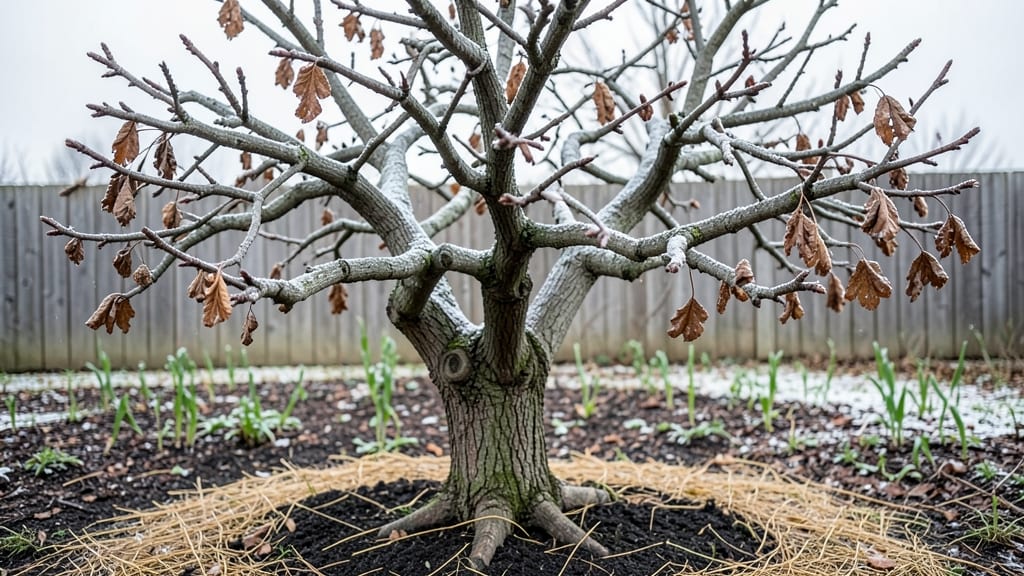
Caring for fig trees in winter isn’t just about survival—it’s about setting them up for a shockingly lush spring harvest. 🌱 In the Pacific Northwest’s damp, chilly winters, figs need protection, pruning, and a few extra tricks to avoid the dreaded "frost shock" that turns leaves to mush overnight.
I’ve learned the hard way that skipping winter prep means struggling with weak growth and fewer fruits come summer.
The secret starts with targeted pruning in late winter—just as new buds swell but before sap runs wild. You’ll shape the tree to focus energy on fruit production, not just foliage, while removing any damaged wood from winter winds.
Add a thick layer of mulch around the base to insulate roots, and consider wrapping the trunk in burlap if your winters dip below 20°F—that’s the threshold where figs start to suffer.
By spring, you’ll see the payoff: vibrant green leaves unfolding weeks earlier, stronger branches holding heavier fruit loads, and a tree that looks like it’s been pampered all winter.
The key is acting now, before the first warm spell tricks you into thinking the danger has passed. Let’s get your fig tree through winter like a pro.
Whether you’re overwintering outdoors with protection or bringing potted figs indoors near a sunny window, the principles stay the same. The goal is to mimic the tree’s natural Mediterranean instincts—dormancy with just enough life to bounce back fast.
We’ll cover the exact timing, tools, and telltale signs of stress to watch for.
📚 In This Guide
- What you need
- Instructions
- Tips and common mistakes
- Wrapping up and next steps
What you need
- ● Pruning shears: Bypass pruners (sharp, sterilized with rubbing alcohol or bleach) for cuts under ½ inch in diameter.
- ● Loppers: 1 pair (for branches ½–1½ inches thick). Look for bypass blades for clean cuts.
- ● Pruning saw: 1 handheld saw (for branches >1½ inches). A bow saw or pruning saw works best.
- ● Gloves: Heavy-duty, cut-resistant gloves (e.g., leather or Kevlar) to protect hands from thorns.
- ● Disinfectant: 70% isopropyl alcohol or a 10% bleach solution (1 part bleach to 9 parts water) to sterilize tools between cuts.
- ● Rake or broom: 1 for clearing fallen leaves/debris from the base.
- ● Watering can or hose: With a gentle spray nozzle for post-pruning hydration.
- ● Mulch: 2–3 inches of organic mulch (e.g., wood chips, straw) to insulate roots.
- ○ Fertilizer (optional but helpful): A balanced, slow-release fertilizer (e.g., 10-10-10) or compost for early spring.
- ● Tree wrap: Protect young trunks from sunscald or rodent damage (available at garden centers).
- ● Anti-desiccant spray: For drought-prone areas (e.g., Wilt-Pruf) to prevent winter moisture loss.
- ● Label markers: To tag pruned branches if you’re experimenting with training shapes.
- ● Knee pad or stool: For comfort during prolonged pruning sessions.
Step-by-step winter pruning for Pacific Northwest fig trees
Here's how to prepare your fig trees for PNW winters—keeping them healthy and productive through cold snaps.
✂️ Step 1: Time Your Pruning for Late Winter Dormancy
Prune your fig trees between mid-February and early March, just as buds begin to swell but before new growth starts. This timing ensures you remove dead wood while avoiding frost damage to fresh cuts. In the Pacific Northwest, where winters can be damp and mild, late winter gives the tree time to heal before spring rains arrive.
Look for dead or diseased branches—they'll be brown, brittle, or oozing sap. Cut these out first, making clean cuts at a 45-degree angle about ¼ inch above a healthy bud. Avoid pruning in heavy frost or during wet spells, as cold and moisture slow healing.
🌿 Step 2: Thin for Airflow and Light Penetration
Remove one-third of the oldest, thickest branches to improve airflow and sunlight exposure. Figs grow best with good circulation, which reduces fungal risks like fig rust. Start at the center of the tree and work outward, cutting back branches that cross or rub against each other.
Focus on branches that grow inward or downward—they block light and create damp, shaded areas. You’ll know you’ve done enough when you can see sunlight reaching the center of the canopy. This step also encourages stronger, more productive growth in spring.
🪴 Step 3: Protect the Tree from Frost and Wind
After pruning, wrap the trunk and larger branches with burlap or tree wrap to shield them from late frosts. In the PNW, sudden cold snaps can damage tender fig wood, especially if pruning cuts are exposed. Secure the wrap loosely—too tight, and it can girdle the trunk as it thickens.
If your fig is in a windy spot, stake it lightly to prevent swaying. Wind stress weakens branches, making them more prone to breakage during ice storms. Mulch the base with 2-3 inches of wood chips, keeping it 6 inches away from the trunk to prevent rot.
☀️ Step 4: Monitor for Spring Growth Signals
By late March, check for new buds swelling along the branches. If you see green tips or leaf buds, your tree is waking up—time to adjust care. Reduce watering slightly until roots re-establish, as overwatering can drown dormant roots.
Remove the burlap wrap once temperatures stay above 40°F at night for a week. This prevents heat buildup under the wrap, which can stress the tree. Watch for new shoots—these indicate successful pruning and signal it’s time to fertilize lightly with balanced 10-10-10 in early spring.
Tips & tricks for perfect winter fig tree care
Here's what nobody tells you about keeping your Pacific Northwest fig trees thriving through winter—and why it matters more than you think.
Timing is Everything: The mid-February to early March window is non-negotiable for PNW figs. I learned this the hard way after pruning too early and dealing with frost damage on fresh cuts. Watch for those first swollen buds—they're your signal to start. In wet winters, wait until the ground isn't soggy, as damp conditions slow healing and invite fungal infections.
The 45-Degree Angle Secret: When you make those clean cuts in Step 1, the 45-degree angle isn't just about looks—it prevents water from pooling on the cut surface, which would rot the branch. I use a sharp pruning saw to make the cut, then follow with clean pruners to remove any jagged edges. This simple technique keeps your tree healthier for years.
Visual Cues Matter More Than Rules: Forget memorizing "one-third of branches"—look for sunlight reaching the center of your tree after thinning. In my experience, this visual check is more reliable than counting branches, especially for mature figs. You'll know you've done enough when you can see daylight through the canopy from all angles.
Burlap Wrap Pro Tip: Don't just slap on that burlap—secure it loosely with soft ties or twine. Too tight and you'll girdle the trunk as it thickens through the season. I like to leave a little extra wrap at the bottom to overlap with the mulch, creating a seamless barrier against cold winds. This small detail makes a huge difference in frost protection.
Pro Tips for Winter Fig Tree Care
- Here's what nobody tells you about keeping your Pacific Northwest fig trees thriving through winter—and why it matters more than you think.
- Timing is Everything: The mid-February to early March window is non-negotiable for PNW figs.
- The 45-Degree Angle Secret: When you make those clean cuts in Step 1, the 45-degree angle isn't just about looks—it prevents water from pooling on the cut surface, which would rot the branch.
Frequently asked questions
Can fig trees survive winter in the Pacific Northwest’s wet, cold climate?
Yes! While figs (Ficus carica) are subtropical, hardy varieties like ‘Chicago Hardy’ or ‘Desert King’ tolerate PNW winters (down to 10–15°F). Protect young trees with mulch (4–6 inches of straw or wood chips) and burlap wraps for windbreaks. Mature trees often need no extra shelter if planted in sheltered microclimates (e.g., south-facing walls).
When should I prune my fig tree in winter?
Prune late winter to early spring (February–March) in the PNW, before new growth starts. This timing avoids frost damage and encourages vigorous spring regrowth. Focus on:
- Removing dead, diseased, or crossing branches (use sterilized pruners).
- Thinning overcrowded growth for airflow.
- Avoid heavy pruning—figs fruit on old wood, so limit cuts to 20–30% of the canopy.
How do I protect my fig tree from PNW’s rainy winters?
Excess moisture can rot roots or spread fungal diseases. Use these tactics:
- Raise the soil level by mounding soil or using gravel around the base (but not touching the trunk).
- Improve drainage with well-amended soil (sandy loam + compost).
- Water deeply but less often—figs hate soggy roots. Reduce watering in winter unless soil is bone-dry.
- Apply copper fungicide in late winter if you’ve had fungal issues.
Will pruning in winter reduce my fig harvest next year?
Not if done correctly! Fig trees fruit on last year’s growth, so light pruning (removing only dead/damaged wood) won’t hurt yields. Avoid heavy cuts—focus on shaping and airflow. For maximum fruit, prune to open the canopy so sunlight reaches all branches. PNW tip: If your tree is overloaded with fruit, thin clusters in late spring to boost size.
What’s the best alternative if my fig tree doesn’t survive winter?
If your fig struggles with PNW winters, try these hardier alternatives:
Option
Why It Works
Care Notes
Blueberry bushes
Thrives in acidic PNW soil; cold-hardy to 0°F.
Needs consistent moisture and winter mulch.
Apples (e.g., ‘Granny Smith’)
Adapted to wet winters; produces year-round.
Prune annually for airflow; watch for fire blight.
Potted figs (overwinter indoors)
Move container-grown figs to a garage or sunny window.
Reduce watering in winter; repot in spring.
Wrapping up and next steps
Caring for your fig tree in the Pacific Northwest’s winter doesn’t have to be a challenge—just a strategic routine! With the right pruning techniques, mulching, and protection, you’ll keep your tree thriving year-round.
Remember: patience and consistency are key, and soon you’ll be rewarded with lush growth and sweet figs come summer.
Ready to take the next step? Mark your calendar for your first pruning session in early spring—just as new growth begins. And if you’re feeling inspired, share your progress with fellow gardeners! 🌿✨