Pruning
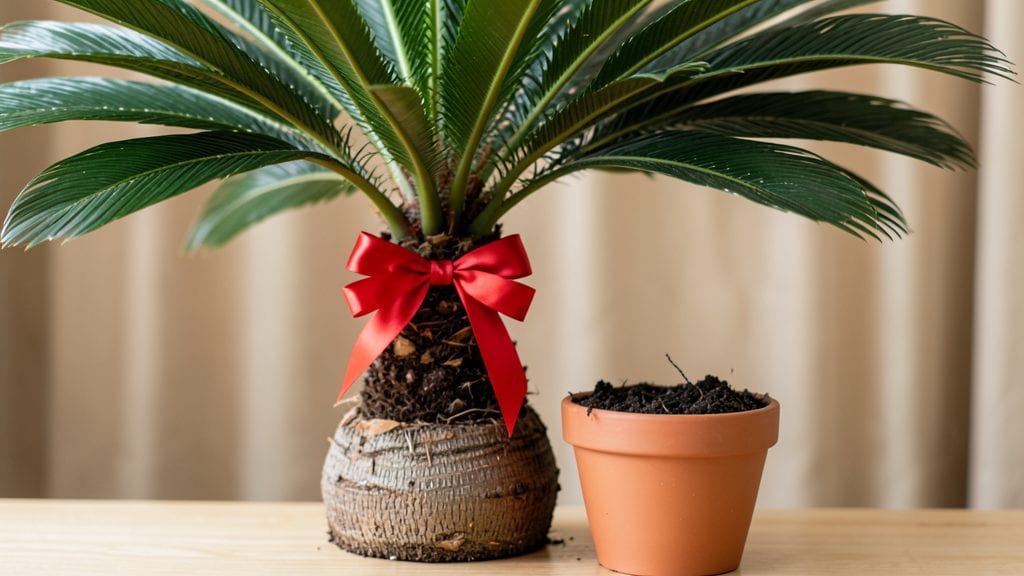
Proper Christmas palm tree care is key—especially in the Pacific Northwest’s chilly winters—so I’ve learned the hard way that these tropical plants need careful trimming to survive frost while keeping their lush, feathery fronds. ✨ The key is timing: prune in early spring before new growth starts, removing only the brown, damaged fronds (never more than a third of the plant at once).
Your Christmas palm will reward you with vibrant new fronds if you mimic its natural tropical environment. Keep it in bright, indirect light—near a south-facing window indoors or in a sheltered spot outdoors where temperatures stay above 25°F.
Well-draining soil and occasional misting (or a humidity tray) prevent the crispy brown tips that plague so many houseplants.
By summer, you’ll see a bushier, healthier plant with glossy fronds reaching for the light. The secret? Regular dusting of the leaves (they’re tropical, after all) and occasional fertilization in spring and summer. Even in the PNW’s damp climate, these palms stay lush with the right care.
For outdoor growers, bring potted palms inside before the first frost—40°F is their limit. Indoor palms need occasional outdoor time in summer to strengthen their stems. With these adjustments, your Christmas palm will stay vibrant year-round, even in our cool climate.
📚 In This Guide
- What you need
- Instructions
- Tips and common mistakes
- Wrapping up and next steps
What you need
- ● Pruning shears: Sharp, bypass-style shears (2–3 pairs, 8–10" blades) for clean cuts.
- ● Loppers: Heavy-duty, ratcheting or bypass (1 pair, 12–18" reach) for thicker branches.
- ● Pruning saw: Curved-tooth saw (1, 16–20" blade) for stubborn growth.
- ● Disinfectant: 70% isopropyl alcohol or rubbing alcohol (1 small bottle) to sterilize tools.
- ● Gloves: Cut-resistant or gardening gloves (1 pair) for protection.
- ● Heavy-duty trash bags: 30–50 gallon bags (2–3) for debris disposal.
- ● Watering can or hose: With a gentle spray nozzle for post-pruning hydration.
- ● Mulch: Organic mulch (pine bark or shredded leaves, 2–3 cubic feet) for root insulation.
- ● Frost cloth: Lightweight breathable fabric (1–2 sheets) to shield young palms in deep freezes.
- ○ Handheld leaf blower: For quick cleanup (optional but game-changing!).
- ● Fertilizer: Slow-release palm fertilizer (1 bag, 10–20 lbs) for post-pruning nourishment.
- ● Ladder: Sturdy, extendable (if your palm is taller than 6 feet!).
- ● Safety glasses: To shield eyes from debris (always a good idea!).
Step-by-Step instructions for frost-resistant Christmas palm tree pruning
Here's my go-to method for keeping your Christmas palms thriving through Pacific Northwest winters—no fancy tools needed.
🌿 Step 1: Assess the Tree for Winter Damage
Start by examining your Christmas palm in late winter or early spring, just as new growth begins. Look for brown fronds that crunch when touched—these are dead and should be removed. Healthy fronds should be green and flexible. I always check the trunk too; any cracks or soft spots signal deeper issues that need attention.
Use your fingers to gently test frond stiffness. If it feels papery and dry, it's ready to go. Never cut into living tissue—you'll see green veins running through dead fronds, and those need to stay attached. This step keeps your palm looking tidy while preventing disease from entering through fresh cuts.
✂️ Step 2: Prune Dead Fronds at the Right Angle
Grab your clean, sharp pruners and make your first cut about 6 inches below where the dead frond meets the trunk. Angle the cut slightly downward to prevent water from pooling on the trunk. This small detail makes all the difference in preventing rot during our damp winters.
For stubborn fronds that won't budge, use a small saw if needed—but only after you've loosened the base with a few strategic cuts. I always wear gloves for this part; the sawdust from palm fronds can irritate skin. Work your way around the trunk, removing all dead material while leaving the healthy green fronds untouched.
💧 Step 3: Clean and Protect the Trunk
After pruning, wipe down the trunk with a damp cloth to remove any sawdust or debris. This prevents fungal spores from taking hold in those tiny cuts. I like to use a mix of 1 part rubbing alcohol to 3 parts water for disinfecting—it kills 99% of surface bacteria without harming the plant.
Once the trunk is clean, apply a thin layer of palm-safe sealant (like a horticultural wax) to any exposed areas. This creates a protective barrier against our cold, wet winters. Focus on the lower 12 inches of the trunk where most damage occurs. The sealant should look like a light dusting—not thick or gooey.
☀️ Step 4: Adjust Light and Water for Winter Recovery
Move your Christmas palm to a spot with bright, indirect light for the first few weeks after pruning. Direct sunlight can stress newly exposed tissue, while too little light slows recovery. In the Pacific Northwest, a south-facing window with sheer curtains works perfectly—it mimics natural shade during winter.
Water only when the top 2 inches of soil feel dry to the touch. Overwatering in winter is the #1 killer of palms—it causes root rot before you even notice the yellowing leaves. I use a moisture meter for accuracy, but even a simple finger test works if you're gentle. Reduce watering by half compared to summer months.
⏰ Step 5: Monitor for New Growth and Repeat Seasonally
Watch for new fronds emerging from the center of the palm—this signals successful recovery. Healthy new growth should appear within 4-6 weeks after pruning. If you don't see any by late spring, check for pests like spider mites (common in dry indoor environments) or fungal spots on the fronds.
Repeat this pruning process every late winter or early spring to maintain your palm's shape and health. With consistent care, your Christmas palm will develop a strong, frost-resistant structure that handles our Pacific Northwest winters like a pro. The key is patience—don't rush the recovery process, and always work with clean tools.
Tips & tricks for frost-resistant Christmas palm tree care
Here's what nobody tells you about keeping your Christmas palm thriving through Pacific Northwest winters—details that make all the difference.
Timing is Everything: In Step 1, don't rush the assessment! Wait until late winter or early spring when new growth just begins—this is the perfect window to remove dead fronds without stressing the plant. I've learned the hard way that pruning too early can shock the palm into dormancy, while waiting too late risks leaving damaged fronds that collect moisture and rot. Look for that crisp, papery texture as your guide.
Cutting Technique Matters: When making that all-important 6-inch cut in Step 2, use a clean, sharp tool and work at a downward angle. This isn't just about aesthetics—it's about directing water away from the trunk. I've seen too many palms develop rot because water pooled at the cut site. For stubborn fronds, make small strategic cuts first to loosen them before using a saw—this prevents tearing the trunk tissue.
Disinfection Protects: The rubbing alcohol mix in Step 3 isn't just for cleanliness—it's a critical step in our damp climate. I've seen fungal infections spread rapidly after pruning when this step was skipped. Always clean your tools between cuts too, even if you're working on the same palm. The spores are everywhere in our Pacific Northwest winters, and your palm's recovery depends on keeping them at bay.
Light and Water Balance: After pruning, that bright indirect light in Step 4 is non-negotiable. Direct sunlight can scorch newly exposed tissue, while too little light slows recovery. I've had success with sheer curtains on south-facing windows—they mimic natural shade during winter. And remember, the finger test for moisture works, but only if you're gentle. Press firmly enough to feel the texture, but not so hard you compact the soil.
Pro Tips for Christmas Palm Tree Care
- Here's what nobody tells you about keeping your Christmas palm thriving through Pacific Northwest winters—details that make all the difference.
- Timing is Everything: In Step 1, don't rush the assessment!
- Cutting Technique Matters: When making that all-important 6-inch cut in Step 2, use a clean, sharp tool and work at a downward angle.
Frequently asked questions
Got questions about keeping your Christmas palm tree thriving in the Pacific Northwest’s frosty winters? Here are answers to the most common concerns—from pruning to cold prep and beyond!
Can Christmas palms survive freezing temperatures?
Yes! Christmas palms (Adonidia merrillii) are frost-resistant but prefer milder winters. In the PNW, they can handle brief dips to 20°F (-6°C) if dry. For extra protection, mulch the base and wrap the trunk in burlap during hard freezes. Prune dead fronds in early spring to encourage new growth after cold snaps.
When is the best time to prune a Christmas palm?
Prune after winter (late February to April) when new fronds emerge. Remove only brown, dry fronds—never more than 1/3 of the canopy at once. Avoid pruning in fall or winter, as it stresses the tree before dormancy. Pro tip: Sterilize tools with rubbing alcohol to prevent disease!
What if my Christmas palm looks sad after winter?
Don’t panic! Yellowing fronds or slow growth often mean nutrient deficiency or overwatering. Flush the soil with water to check drainage, then fertilize lightly with a palm-specific mix (low nitrogen, high potassium). If fronds stay brown, it may be sunburn—gradually acclimate it to full sun.
Are there cold-hardy alternatives to Christmas palms?
If you want low-maintenance, frost-tolerant palms, consider:
- Windmill palm (Trachycarpus fortunei) – Survives to 10°F (-12°C)!
- Needle palm (Raphis excelsa) – Thrives in shade and mild winters.
- California fan palm (Washingtonia filifera) – Drought-tolerant but needs winter wraps in harsh PNW freezes.
Why are my palm fronds turning black?
Black fronds usually signal fungal disease (like Ganoderma root rot) or overwatering. Stop watering immediately and improve drainage by amending soil with perlite or sand. If the trunk shows black streaks, the tree may be beyond saving—replace it and sterilize the area to prevent spread.
How do I protect my Christmas palm from PNW wind and rain?
PNW’s wind and wet winters can damage palms. Stake young trees in windy areas, and elevate the pot if container-grown. For outdoor palms, mulch 3–4 inches deep to insulate roots. In heavy rain, ensure containers have drainage holes to prevent root rot.
Wrapping up and next steps
Caring for your Christmas palm tree in the Pacific Northwest doesn’t have to be daunting—with the right pruning techniques and frost-resistant strategies, you’ll keep it thriving year after year! 🌿✨ Remember, timing, clean cuts, and seasonal prep are your best friends.
Whether you’re trimming for aesthetics or health, your efforts will reward you with a stunning, resilient tree that brings holiday cheer (and year-round beauty) to your garden.
Now that you’re armed with expert tips, grab those pruners and give your Christmas palm the love it deserves! Need extra guidance? Bookmark this guide or share it with fellow gardeners—happy pruning! 🌟