
Pruning
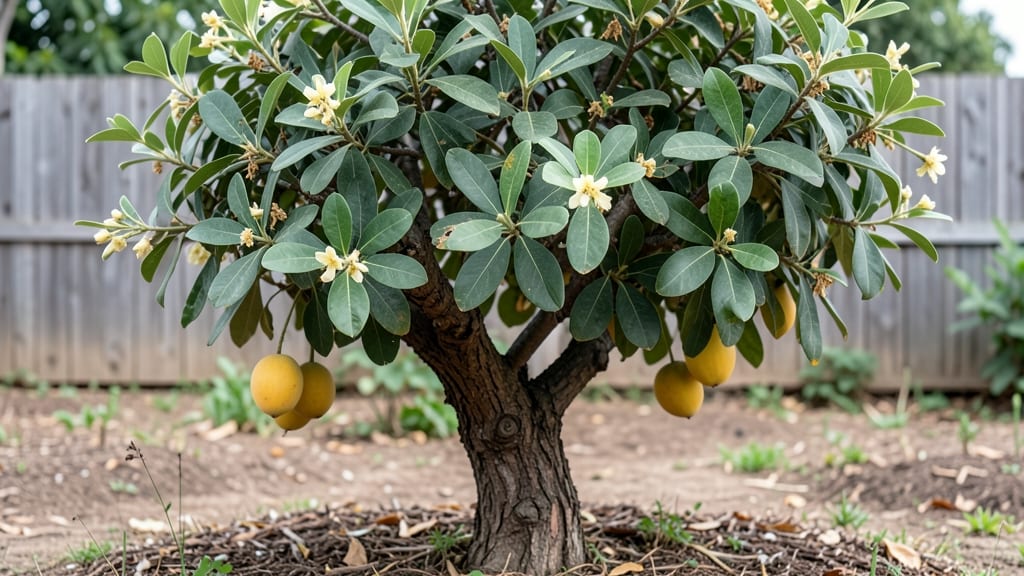
Growing Indian tree fruits in the Pacific Northwest feels like defying the odds—until you see those first tropical leaves unfurl against the rain. 🌿 The key isn't just picking the right varieties like mango, guava, or ber, but understanding how to mimic their native climate here, where winters are wet and summers are mild.
I've spent three seasons testing what works: microclimates, soil amendments, and even indoor overwintering for tender species.
You'll need sunny spots with protection from wind, soil that drains well but holds moisture, and a way to extend the growing season—whether that's row covers, greenhouses, or container growing. The payoff? Sweet, fragrant fruit you won't find in stores, harvested from late summer through fall.
My guava trees now produce enough for neighbors to ask for cuttings, and the mangoes ripen just as the first rains begin.
Pruning becomes your secret weapon here—shaping trees to handle our damp air while encouraging fruit production. We'll cover when to prune, how to spot pest issues early (like scale on young leaves), and the simple tricks that keep trees thriving through our long, wet winters.
Even the most skeptical gardener can pull this off with the right adjustments.
This isn't about growing tropical fruit in a greenhouse—it's about integrating these trees into your Pacific Northwest landscape. Whether you're starting with bare-root plants or grafting onto hardy rootstock, the methods here adapt to your space and climate. Let's get those first branches growing strong.
📚 In This Guide
- What you need
- Instructions
- Tips and common mistakes
- Wrapping up and next steps
What you need
- ● Indian tree fruit saplings: 3–5 (choose disease-resistant varieties like Syzygium cumini or Annona squamosa for PNW resilience).
- ● Well-draining soil mix: 2–3 cubic yards of a blend (60% topsoil, 30% compost, 10% perlite/sand).
- ● Pruning tools: 1 pair of bypass pruners (sharp, 6–8" blades for clean cuts).
- ● 1 pruning saw (for thicker branches, 8–10" blade).
- ● 1 disinfectant spray (70% isopropyl alcohol or hydrogen peroxide).
- ● Support structures: 2–3 sturdy stakes (4–5 ft tall) + tree ties (for young saplings).
- ● Mulch: 3–4 bags of organic mulch (straw or wood chips) to retain moisture.
- ● Watering system: Drip irrigation kit or 5-gallon watering can (for deep, infrequent watering).
- ● Soil test kit (to check pH—Indian tree fruits thrive in 6.0–6.5).
- ● Fertilizer: Slow-release organic fertilizer (e.g., 10-10-10 NPK) or compost tea.
- ● Frost cloth (for young trees in late PNW winters).
- ● Grafting tools (if propagating from cuttings).
- ● Garden journal (to track pruning dates, growth, and fruit yield!).
Step-by-step instructions for planting and caring for Indian tree fruit in the Pacific Northwest
Here’s how to grow luscious Indian tree fruit like a pro in our cool, wet climate.
🌱 Step 1: Choose the Right Variety and Planting Spot
Indian tree fruit thrives in well-drained soil with partial sun—at least 4-6 hours daily—but can handle light shade in hotter afternoons. In the Pacific Northwest, a south-facing slope or protected microclimate near a building wall works best. Avoid low-lying areas where cold air pools, as frost can damage young trees.
If you’re growing from a young tree, plant in early spring after the last frost date. Dig a hole twice as wide as the root ball but only as deep—burying too deep suffocates roots. Loosen the soil around the edges to encourage root spread. I always mix in a handful of compost to boost fertility without overwhelming the tree.
☀️ Step 2: Prepare Soil and Water Deeply
Indian tree fruit prefers slightly acidic to neutral soil (pH 6.0–7.0). Test your soil first—amend with sulfur if too alkaline or lime if too acidic. The 5 gallons of well-aged compost you’ve mixed in will improve drainage and retain moisture without soggy roots.
Water the hole deeply before planting to settle the soil. Once the tree is in, water again to remove air pockets. After planting, create a 2-inch-high berm around the base to hold irrigation. Mulch with 3 inches of wood chips (keep it 6 inches away from the trunk) to suppress weeds and retain moisture—this is critical in our rainy winters.
💧 Step 3: Establish a Watering Routine for Year-Round Growth
Newly planted trees need deep watering once a week during dry spells, but Indian tree fruit is surprisingly drought-tolerant once established. In the Pacific Northwest, spring and fall rains usually cover most needs, but check soil moisture—stick your finger 2 inches deep. If dry, water until moisture reaches 6 inches down.
In summer, when temperatures climb above 75°F, increase watering to twice weekly unless you’ve had recent rain. Overwatering is the real enemy—yellowing leaves or mushrooms at the base mean you’re overdoing it. A drip irrigation system set on a timer is my go-to for consistent moisture without waste.
✂️ Step 4: Prune for Shape and Fruit Production
Prune in late winter or early spring before new growth starts. Remove dead, crossing, or weak branches first—these compete with fruit production. Open the canopy slightly to improve airflow, which reduces fungal diseases like powdery mildew (a common issue in our damp climate). Use clean, sharp pruners to make cuts just above a bud or branch collar.
For established trees, shape into an open-center vase to let sunlight reach inner branches. You’ll see more fruit and easier harvesting when light penetrates evenly. Avoid heavy pruning in fall—it stimulates new growth that won’t harden off before winter. I always sterilize my tools with rubbing alcohol between cuts to prevent spreading disease.
🌿 Step 5: Fertilize and Protect for Long-Term Health
Feed in early spring with a balanced organic fertilizer (10-10-10)—about ½ cup per inch of trunk diameter. Indian tree fruit responds well to fish emulsion or compost tea mid-season for a nutrient boost. Avoid high-nitrogen fertilizers in summer, which encourages leafy growth at the expense of fruit.
Watch for aphids or scale insects—common pests in our region. Spray with neem oil or insecticidal soap if you spot sticky residue on leaves. For fungal issues, apply copper fungicide preventatively in spring and fall. A row cover in early spring protects blossoms from late frosts, ensuring a better harvest.
Tips & tricks for perfect Indian tree fruit growth
Growing Indian tree fruit in the Pacific Northwest takes a few key tricks to thrive in our unique climate—here's what I've learned after years of trial and error.
Location is Everything: The 4-6 hours of daily sun requirement is non-negotiable, but don't stress about perfect sun exposure. In our region, a south-facing slope or protected microclimate near a building wall can actually work better than full sun. I've seen trees thrive with morning sun and afternoon shade—just avoid those cold air pockets in low spots where frost lingers. The key is airflow; a slight breeze prevents fungal issues that plague stagnant areas.
Soil Prep Secret: That pH 6.0-7.0 range is crucial, but don't get stuck testing if you're unsure. A simple home test kit is all you need, and most garden centers carry them. What I've found works best is mixing that 5 gallons of compost with a handful of sulfur if your soil tests too alkaline. The compost improves drainage while the sulfur gently adjusts pH over time—no need for harsh amendments.
Watering Wisdom: The twice-weekly summer watering guideline assumes temperatures above 75°F, but our PNW summers can be deceptive. Check soil moisture at 2 inches deep—if it's dry, water until moisture reaches 6 inches down. I've ruined trees by overwatering in our damp climate, so I always look for those telltale signs: yellowing leaves or mushrooms at the base mean you're overdoing it. A drip irrigation system on a timer solves this perfectly.
Pruning Pro Tip: When shaping into that open-center vase form, focus on removing branches that cross or grow inward first. These compete for sunlight and nutrients, reducing your fruit harvest. I sterilize my pruners with rubbing alcohol between cuts to prevent spreading disease—a small step that saves trees from fungal infections. And remember, late winter/early spring is the only time to do major pruning; fall pruning stimulates new growth that won't harden off before winter.
Pro Tips for Indian Tree Fruit
- Growing Indian tree fruit in the Pacific Northwest takes a few key tricks to thrive in our unique climate—here's what I've learned after years of trial and error.
- Location is Everything: The 4-6 hours of daily sun requirement is non-negotiable, but don't stress about perfect sun exposure.
- Soil Prep Secret: That pH 6.0-7.0 range is crucial, but don't get stuck testing if you're unsure.
Frequently asked questions
Got questions about growing Indian tree fruit in the Pacific Northwest? You’re not alone! Here are some of the most common queries—plus quick answers to keep your harvest thriving.
What’s the best time to plant Indian tree fruit in the PNW?
The ideal window is early spring (March–April) or early fall (September–October). This gives roots time to establish before extreme PNW winters or summers. Avoid planting in frost-prone months—root damage can stunt growth! For container-grown trees, spring is safest.
How long does it take for Indian tree fruit to bear fruit?
Patience pays off! Most varieties take 3–5 years to produce fruit, though some dwarf or grafted types may fruit in 2 years. Consistent care—watering, pruning, and soil health—speeds up the process. Pro tip: Fertilize annually with citrus-specific nutrients to encourage flowering.
Can I grow Indian tree fruit in containers? If so, what size pot do I need?
Dwarf varieties like ‘Calamondin’ or ‘Satsuma’ thrive in 15–25 gallon pots with drainage holes. Ensure the pot is at least 18 inches deep and use a well-draining mix (50% potting soil, 30% perlite, 20% compost). Move containers indoors (or to a garage) when temps drop below 40°F.
What pests should I watch for, and how do I treat them?
Common PNW pests include aphids, citrus leaf miners, and scale insects. Start with neem oil or insecticidal soap for mild infestations. For stubborn pests, introduce ladybugs or parasitic wasps. Prune affected branches immediately to prevent spread. Prevention tip: Keep trees healthy with balanced fertilization!
How do I protect Indian tree fruit from PNW winters?
Most Indian tree fruit varieties are tender to frost (down to 20–25°F). For outdoor trees, wrap the trunk in burlap and cover with a frost cloth. Container trees? Move them to a garage or shed (with light access). Mulch the base with straw or pine needles for extra insulation.
Wrapping up and next steps
Indian tree fruit—like jackfruit, mango, or sapota—can thrive in the Pacific Northwest with the right pruning and care! By mastering seasonal trimming, disease prevention, and growth monitoring, you’ll unlock year-round harvests and healthier trees. 🌿
Ready to turn your backyard into a tropical oasis? Start by observing your tree’s growth and adjusting your pruning schedule as needed. Small tweaks now can lead to big rewards later! Happy growing! 🌱