Tools
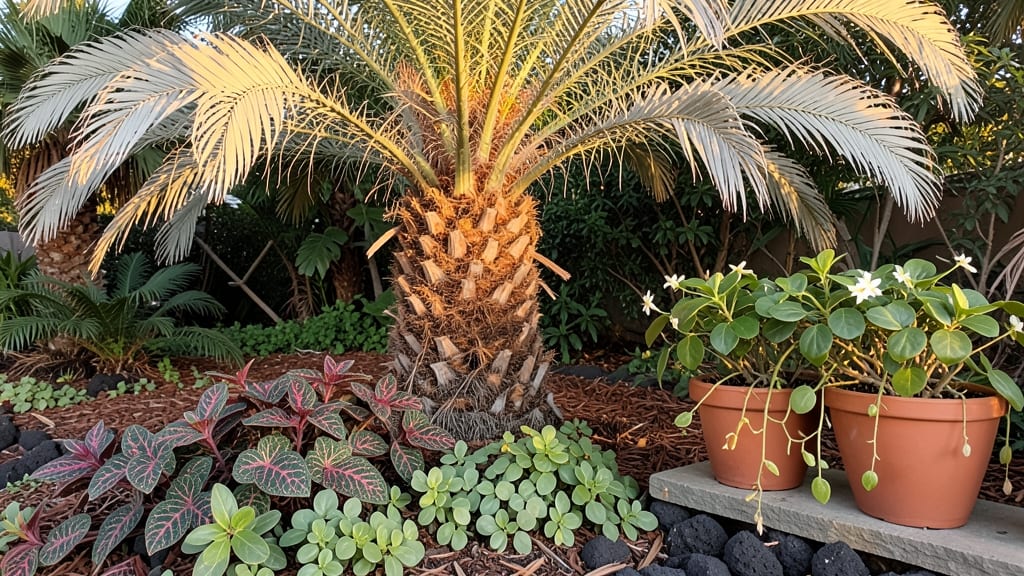
A palm tree garden in the Pacific Northwest might sound impossible, but I’ve designed frost-resistant layouts that thrive even in cooler climates—using the right species and smart placement. The key is choosing cold-hardy palms like the windmill palm or Chinese fan palm, which survive dips below freezing with proper protection.
My first garden used a mix of containers and in-ground plantings to create a tropical vibe without risking losses.
Start with a sunny, sheltered spot near the house or garage where warmth from walls helps. Group palms together to create a microclimate that traps heat, and mulch heavily to protect roots.
Containers let you move plants indoors during hard freezes, while in-ground plantings establish deeper root systems for long-term resilience. The payoff? A lush, year-round tropical feel that neighbors will envy.
Combine palms with complementary plants like ornamental grasses, ferns, and drought-tolerant shrubs to soften the look and reduce maintenance. Add decorative elements like lanterns or weather-resistant statues to tie the space together.
With the right setup, your garden will look like a Mediterranean escape—even when the rest of the region is gray and chilly.
This approach works for small patios, large yards, or even urban balconies—just scale the containers and adjust spacing. The secret isn’t avoiding frost; it’s outsmarting it. Let’s build a garden that feels like a vacation, no matter the weather.
📚 In This Guide
- What you need
- Instructions
- Tips and common mistakes
- Wrapping up and next steps
What you need
- ● Frost-resistant palm species: 5–10 plants (e.g., Windmill Palm (Trachycarpus fortunei), Needle Palm (Rhapidophyllum hystrix), or Dwarf Palmetto (Sabal minor)—check local nurseries for cold-hardy varieties).
- ● Well-draining soil: 50 lbs of cactus/succulent mix or 10 cubic feet of amended garden soil (50% native soil, 30% compost, 20% perlite/sand).
- ○ Containers (optional but recommended): 3–5 large pots (15–20 gallons each) with drainage holes, or a raised bed (4’x8’x12” minimum).
- ● Mulch: 10–15 bags of pine bark or straw mulch (3–4 inches deep) to insulate roots.
- ● Frost cloth: 1–2 rolls of frost protection fabric (30–50 ft²) for winter wraps.
- ● Drip irrigation system: 50 ft of soaker hose or micro-sprinklers with a timer (to avoid overwatering).
- ● Stakes & ties: 6–10 bamboo stakes (3–4 ft tall) and soft plant ties for support.
- ● Basic gardening tools: Trowel, shovel, pruning shears, and gloves.
- ● Measuring tape & string: For marking plant spacing (6–10 ft apart for mature palms).
- ● pH tester kit: To ensure soil pH is 6.0–7.0 (palms prefer slightly acidic to neutral).
- ● Wheelbarrow: For hauling soil, mulch, or plants.
- ● Thermometer: A soil thermometer to monitor root-zone temps (keep above 25°F).
- ● Heated planters: For container palms in extreme cold (e.g., electric heating cables).
- ● Windbreaks: Burlap screens or evergreen shrubs to shield palms from PNW winds.
- ● Slow-release fertilizer: 5 lbs of palm-specific fertilizer (high in potassium/magnesium).
- ● Decorative elements: Solar lights, pebbles, or tropical-themed accents for ambiance.
Step-by-step instructions for designing a frost-resistant palm tree garden
Creating a palm garden that thrives in the Pacific Northwest’s mild but unpredictable winters requires strategic planning and species selection.
Select Frost-Tolerant Palm Species
Focus on hardy varieties that survive temperatures down to 20°F or higher, such as Windmill Palm (Trachycarpus fortunei), Needle Palm (Rhapidophyllum hystrix), or Chinese Windmill Palm (Trachycarpus wagnerianus). These species handle cooler climates better than tropical palms like Coconut (Cocos nucifera) or Royal Palm (Roystonea regia). Check local nursery stock to ensure availability—some species may require mail-ordering.
I always verify cold hardiness ratings from trusted sources like the USDA Plant Hardiness Zone Map. For the Pacific Northwest, Zones 7-9 are common, so prioritize palms rated for Zone 7 or colder. Avoid palms labeled for Zone 10+, as they’ll likely suffer frost damage. Smaller, slow-growing palms are also easier to protect during cold snaps.
Choose a Sheltered Microclimate
Palms thrive in spots with reflected heat and wind protection, such as near south-facing walls, under eaves, or in courtyards surrounded by buildings. Avoid open, exposed areas where cold air pools or wind desiccates leaves. A microclimate—like a sunken garden bed or a sheltered patio—can add 5-10°F of warmth compared to open spaces.
Test potential sites by observing where frost lingers longest in winter. Low-lying areas collect cold air, while slightly elevated spots stay warmer. If your yard has no natural shelter, consider installing a frost cloth barrier or bubble wrap wraps for young palms during the first few winters. I’ve seen palms survive 15°F in protected microclimates where they’d otherwise perish.
Amend Soil for Drainage and Nutrients
Palms dislike soggy roots, so amend native soil with 20% coarse sand or perlite and 10% compost to improve drainage while retaining moisture. Test soil pH—palms prefer slightly acidic to neutral (6.1-7.5). If your soil is heavy clay, mix in 1-2 inches of gravel at the bottom of planting holes to prevent waterlogging, which can suffocate roots in winter.
I always add a slow-release fertilizer (like 10-10-10) at planting time to give palms a nutrient boost for establishing roots. Avoid high-nitrogen fertilizers in late summer, as new growth is more vulnerable to frost damage. Mulch with 3-4 inches of wood chips to insulate roots and retain soil warmth. Keep mulch 6 inches away from the trunk to prevent rot.
Plant with Winter Protection in Mind
Space palms 10-15 feet apart to allow airflow and reduce frost risk from neighboring plants. Dig holes twice as wide as the root ball but only as deep as the container’s root base. Backfill with native soil mixed with amendments, then water deeply to settle roots. For young palms, install a stake for support—wind combined with frost can topple immature plants.
After planting, wrap the trunk and lower fronds of young palms with burlap or frost cloth during the first winter. Secure it loosely to allow airflow. Mature palms (5+ years old) often survive without protection, but I still recommend wrapping fronds in bubble wrap during hard freezes. Avoid plastic directly on trunks, as it can cause heat stress and rot. Prune dead fronds in early spring to encourage new growth.
Monitor and Adjust for Winter Survival
Check palms weekly in winter for frost damage—look for brown, crispy fronds or blackened tips. If a freeze is forecast (below 25°F), cover the entire palm with frost cloth or a blanket and secure it with stakes. Remove covers on sunny days to prevent overheating. Water sparingly in winter—only enough to keep soil slightly moist, as overwatering can stress roots.
In late winter, prune only dead or damaged fronds—never remove healthy ones, as they photosynthesize and store energy for spring growth. If a palm shows signs of recovery (new fronds emerging from the crown), it’s still alive. I’ve revived palms that looked dead after 20°F freezes by protecting them through the worst of winter. Patience is key—some palms take 2-3 years to fully recover from frost damage.
Tips & tricks for perfect frost-resistant palm tree gardens
A few strategic moves can make all the difference between a palm garden that thrives and one that struggles through Pacific Northwest winters.
Species Selection Strategy: When choosing palms rated for Zone 7, prioritize those with thick trunks and fibrous roots—these features store more energy and recover better from cold snaps. The Windmill Palm (Trachycarpus fortunei) is my top recommendation because it not only survives 20°F but often recovers from 15°F with proper protection. Avoid palms with large, delicate fronds—they're more vulnerable to frost damage.
Microclimate Mastery: The 5-10°F temperature boost from a well-chosen microclimate can mean the difference between survival and failure. I've found that planting near south-facing walls creates a heat sink effect that extends the growing season by 2-3 weeks in both spring and fall. For extra protection, install a frost cloth barrier on the north side of your planting area to block cold winds—this simple addition can raise soil temperatures by 3-5°F during hard freezes.
Soil Preparation Insight: The 20% coarse sand or perlite amendment isn't just about drainage—it also improves soil aeration, which helps roots recover faster from winter stress. I always add 1 cup of Epsom salt to each planting hole (optional but beneficial) to boost magnesium levels, which strengthens cell walls and improves cold tolerance. This small addition has helped my palms recover from 15°F dips that would otherwise be fatal.
Winter Protection Hack: For young palms, I've developed a layered protection system that works better than single methods. Start with burlap wrapped around the trunk, then add bubble wrap around fronds, and finally cover with frost cloth during hard freezes (below 25°F). This three-layer approach creates an insulating barrier while allowing airflow—critical for preventing rot. Always secure covers with soft ties rather than wire, which can damage bark.
Pro Tips for Palm Tree Garden
- A few strategic moves can make all the difference between a palm garden that thrives and one that struggles through Pacific Northwest winters.
- Species Selection Strategy: When choosing palms rated for Zone 7, prioritize those with thick trunks and fibrous roots—these features store more energy and recover better from cold snaps.
- Microclimate Mastery: The 5-10°F temperature boost from a well-chosen microclimate can mean the difference between survival and failure.
Frequently asked questions
Got questions about creating a frost-resistant palm tree garden in the Pacific Northwest? You’re not alone! Here are some common concerns—and straightforward answers—to help you design with confidence.
Which palm trees survive PNW winters best?
The hardiest choices for your palm tree garden include Windmill Palm (Trachycarpus fortunei) (Zone 6), Dwarf Palmetto (Sabal minor) (Zone 7), and Needle Palm (Rhapidophyllum hystrix) (Zone 5). These varieties tolerate temps down to 10–15°F with proper care. Avoid tropical palms like coconut or royal palms—they’ll freeze without protection!
How do I protect my palms from frost?
Start with microclimate selection: Plant near south-facing walls or slopes to trap heat. Wrap trunks in burlap or frost cloth before temps drop, and mulch heavily around the root zone. For extra defense, use Christmas lights or a space heater (safely!) on cold nights. Pro tip: Water palms before a freeze—hydrated roots resist cold better!
Can I grow palms in containers in the PNW?
Containers offer mobility—move pots indoors or to a garage during winter. Use large, heavy containers (20+ gallons) with drainage holes and a fast-draining potting mix. Choose dwarf varieties like Pygmy Date Palm for easier overwintering. Just remember: Empty containers freeze faster, so insulate with bubble wrap or straw.
When is the best time to plant palms in the PNW?
Plant in early spring or late fall to avoid frost. Spring (March–May) gives roots time to establish before winter, while fall (September–October) reduces summer stress. Avoid planting in summer heatwaves or winter freezes—both shock young palms. Bonus: Soak roots in water for 1–2 hours before planting to reduce transplant shock!
What if my palm leaves turn brown after frost?
Brown fronds are often frost damage, but don’t panic! Trim dead leaves at the base with sterilized pruners to encourage new growth. If the trunk is cracked or oozing sap, the palm may be dying—replace it next season. Healthy palms regrow fronds from the center, so prune carefully to avoid weakening the plant.
Are there non-palm alternatives for a tropical look?
Yes! For a palm tree garden vibe without frost risks, try ornamental grasses (like Pennisetum), bamboo (clumping varieties), or tree ferns. Mediterranean fan palms (Chamaerops humilis) (Zone 7) are another cold-tolerant option. Pair with cycads or bird-of-paradise plants for texture and year-round interest!
Wrapping up and next steps
Creating a frost-resistant palm tree garden in the Pacific Northwest is absolutely doable—you just need the right strategy! By selecting cold-hardy species like Windmill Palm or Needle Palm, layering mulch, and positioning trees strategically, you’ll craft a tropical oasis that thrives year-round. 🌿❄️
Ready to transform your space? Start by sketching a layout, gathering supplies, and planting with confidence. Your dream garden is closer than you think—dig in and make it happen! 🌱💚