
Pruning
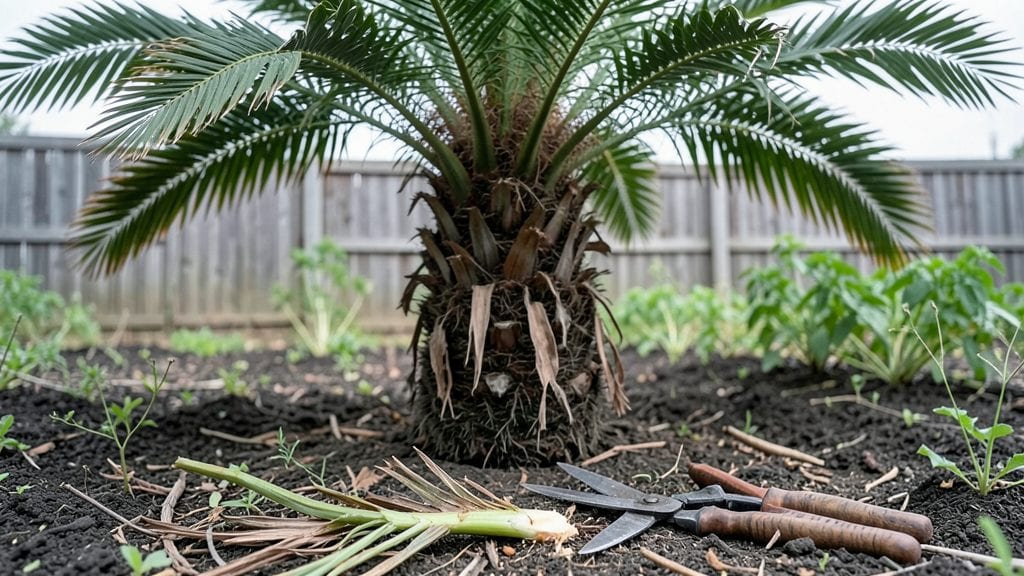
Trimming a palm tree keeps it healthy and prevents dangerous dead fronds from becoming projectiles. 🌴 I’ve watched palm trees go from lush and proud to sad, leaning skeletons—usually because someone panicked and cut too much. The key is patience and precision, not brute force.
You’ll need sharp pruners, a sturdy ladder, and thick gloves—palm fronds have serrated edges that slice like razor wire. Timing matters too: prune in late winter or early spring when new growth is about to start, but never during storms or extreme heat when the tree is stressed.
Start by removing only the brown, dead fronds at the base, cutting cleanly where the frond meets the trunk. Avoid the crown (the top cluster of leaves)—that’s where the tree grows. One well-placed cut per frond is all it takes to keep your palm looking strong and growing upward.
Common mistakes? Over-trimming weakens the tree, and cutting into the trunk invites disease. If you’re unsure, start with just one frond and watch how the tree responds. With practice, you’ll have a palm that stays healthy for decades—no dramatic reshaping required.
📚 In This Guide
- What you need
- Instructions
- Tips and common mistakes
- Wrapping up and next steps
What you need
- ● Pruning shears or loppers – Sharp, high-quality shears (10-12 inches) for cutting smaller fronds. Look for bypass-style blades for cleaner cuts.
- ● Pole saw or pruning saw – A telescoping pole saw (12-16 feet) with a curved blade for reaching higher fronds. Opt for a bow saw for precision.
- ● Heavy-duty gloves – Thick, cut-resistant gloves (like mechanics’ gloves) to protect your hands from sharp fronds and sap.
- ● Safety goggles – Impact-resistant goggles to shield your eyes from debris and sap splatter.
- ○ Ladder or lift (optional but recommended) – A sturdy extension ladder (20-30 feet) or an aerial lift for taller palms (20+ feet). Ensure it’s rated for your weight and the tree’s height.
- ● Rope or harness system – A tree-climbing harness or safety rope if you’re working at extreme heights (30+ feet). Never attempt this without proper training!
- ● Disposable pruning bags or tarp – Heavy-duty bags (50+ gallon) or a tarp to collect and dispose of trimmed fronds. Avoid leaving debris near the tree base.
- ● Disinfectant (70% isopropyl alcohol or bleach solution) – To sterilize tools between cuts and prevent disease spread.
- ● Work boots with ankle support – Sturdy, non-slip footwear to navigate uneven terrain or slippery surfaces.
- ● Chainsaw (for large palms only) – A lightweight, gas-powered chainsaw (like a Stihl MS 170) for thick fronds or dead wood, but only use if experienced.
- ● Safety helmet – For extra protection if working under dense canopies where falling fronds are a risk.
- ● Long-sleeve shirt and pants – Lightweight, breathable fabric to protect against sap burns and scratches.
- ● First-aid kit – Include antiseptic wipes, bandages, and tweezers for minor injuries.
- ● Extension cord or battery-powered tools – If using an electric chainsaw or pole saw, ensure you have a weatherproof extension cord or long-lasting batteries.
Step-by-Step instructions for trimming a palm tree
Here's how I keep my palms looking sharp while keeping them thriving for years.
✂️ Step 1: Gather the Right Tools and Safety Gear
Start with a clean, sharp pruning saw or pruning shears—dull tools tear instead of cut cleanly. I use a pole saw for higher fronds to avoid climbing. Don’t forget heavy-duty gloves (palm fronds have razor-sharp edges) and safety goggles (those fronds whip like whips when cut). A ladder or cherry picker is essential unless you're working on a small palm.
I also bring a bucket and water spray to rinse off the saw blade between cuts—sap can gum up blades fast. If you're working near power lines, call your utility company first. I once watched a neighbor get shocked trying to trim near wires—don’t make that mistake.
🌿 Step 2: Identify Dead or Damaged Fronds
Look for brown, crispy fronds that hang limp—these are dead and should come off first. Healthy fronds have green undersides and plump, flexible frondlets. Cut dead fronds at the base of the frond stalk, about 6 inches below the trunk. This prevents water from pooling at the trunk and causing rot.
Next, remove any yellowing fronds—these are dying but not yet dead. Cut them just above a healthy green section. If a frond has blackened or mushy spots, it’s diseased and needs removal. I always work from bottom to top so I don’t drop debris on freshly cut areas.
✂️ Step 3: Thin Out Overcrowded Fronds for Airflow
Palms need good airflow to stay healthy. If fronds are growing too close together, remove every other frond starting from the outside of the crown. This opens up the center and reduces disease risk. For fan palms, aim to leave 3-4 fronds per section—too many shades the trunk and invites pests.
Watch for fronds growing at odd angles—these often indicate wind damage or poor growth habits. Cut these back to encourage straighter, stronger growth. Never remove more than one-third of the fronds at once—this stresses the palm. I usually trim 2-3 fronds per session, then wait a month before the next round.
☀️ Step 4: Cut Back Old Flower Stems and Seed Pods
Once a palm blooms, the flower stalk turns brown and dies. Cut it off at the base where it meets the trunk. If left attached, it can harbor insects and diseases. For seed pods, remove them when they turn dry and brown—they’re done producing and just take energy from the palm.
I always check for pests while trimming. If you see tiny holes in fronds or sticky residue, you might have palm weevils or scale insects. Note the location and treat with neem oil or insecticidal soap after trimming. A healthy palm won’t have these issues if you keep it well-maintained.
🪴 Step 5: Clean Up and Monitor for Recovery
After trimming, remove all debris from the base of the palm. Pile it up and dispose of it—leaving old fronds invites pests and fungus. I spray the trunk with a 10% vinegar solution to disinfect any cuts and prevent infections. Water the palm deeply afterward to help it recover.
Watch for new growth in the next 4-6 weeks—this means your palm is healthy and adjusting well. If you see more browning or wilting, you may have over-trimmed. Next time, cut back even lighter. A well-trimmed palm should look balanced, with no dead fronds and a clean, unobstructed trunk.
Tips & tricks for perfect palm tree trimming
Here's what nobody tells you—these tricks will keep your palms thriving while avoiding common mistakes that can harm them.
Tool Prep is Non-Negotiable: Before you even touch a frond, take 5 minutes to sharpen your pruning saw or shears. A dull blade tears instead of cutting cleanly, which can damage the palm's tissue. I learned this the hard way after seeing a neighbor's palm develop brown streaks from jagged cuts. Keep a small file in your toolkit for quick touch-ups between uses.
The 6-Inch Rule for Dead Fronds: When removing dead fronds in Step 2, always cut about 6 inches below the trunk—this is critical for preventing rot. The extra length creates a natural barrier that keeps water from pooling against the trunk. I've seen palms develop fungal infections simply because someone cut too close. If you're unsure, measure with a tape measure or use a ruler as a guide.
Season Matters for Trimming: The best time to trim is during the palm's active growing season, which varies by species but is typically spring or early summer. Avoid trimming during extreme heat or cold—palms are more vulnerable to stress during these times. If you must trim in winter, do it on a mild day and avoid heavy pruning. I once trimmed a palm in freezing temperatures, and it took months to recover.
Pest Patrol During Trimming: While you're cutting, keep an eye out for signs of pests like palm weevils or scale insects. Look for tiny holes, sticky residue, or fronds that seem to be wilting despite being healthy. If you spot these, mark the location and treat with neem oil or insecticidal soap immediately after trimming. Early detection is key—once pests establish themselves, they're much harder to control.
Pro Tips for Trim A Palm Tree
- Here's what nobody tells you—these tricks will keep your palms thriving while avoiding common mistakes that can harm them.
- Tool Prep is Non-Negotiable: Before you even touch a frond, take 5 minutes to sharpen your pruning saw or shears.
- The 6-Inch Rule for Dead Fronds: When removing dead fronds in Step 2, always cut about 6 inches below the trunk—this is critical for preventing rot.
Frequently asked questions
Got questions about trimming your palm tree? You’re not alone—even experienced gardeners have their fair share of doubts! Here are answers to the most common queries to help you trim with confidence and ease.
When is the best time of year to trim a palm tree?
The ideal time to trim most palm trees is during late winter or early spring (just before new growth starts). This timing minimizes stress on the tree and reduces the risk of pests or disease. Avoid trimming during extreme heat or drought—wait for mild weather to promote faster healing. Pro tip: Check your palm species first, as some (like the Canary Island Date Palm) may need adjustments!
Can I trim a palm tree myself, or should I hire a professional?
Small palms (under 20 feet) with dead fronds or minimal pruning can often be handled by homeowners with the right tools and safety gear. However, for tall palms, electrical lines, or structural concerns, hiring a certified arborist is safest. Professionals have the expertise to avoid damaging the crown shaft or trunk—critical for long-term health!
What if I accidentally cut into the trunk or crown shaft?
Don’t panic! A small accidental cut (under 1 inch deep) usually heals over time, but deep or large wounds can invite pests or disease. Seal minor cuts with pruning sealant and monitor the area for signs of rot or fungal growth. If the damage is severe, consult an arborist to assess the palm’s stability and health.
How do I know if my palm tree needs trimming at all?
Trim when you spot brown, dry fronds (dead leaves), fronds rubbing against structures, or overgrowth blocking sunlight. Healthy palms naturally shed old fronds, but if more than 1/3 of the fronds are dead or the tree looks unbalanced, it’s time to act. Warning: Never remove green fronds—they’re essential for photosynthesis!
Will trimming my palm tree encourage faster growth?
Trimming only removes dead or damaged parts—it won’t magically speed up growth. However, proper pruning redirects energy to new, healthy fronds and improves airflow, which can make the tree appear fuller and more vibrant. Focus on removing only what’s necessary to avoid stressing the palm.
What’s the difference between “topping” and trimming a palm tree?
Topping
(cutting the crown off entirely) is never recommended for palms—it’s harmful and often fatal. Proper trimming involves selective removal of fronds or dead branches while preserving the crown shaft and trunk. Topping weakens the tree, makes it vulnerable to pests, and can even kill it. Stick to safe, strategic cuts only!
Wrapping up and next steps
Trimming your palm tree doesn’t have to be intimidating—with the right tools, safety precautions, and techniques, you can promote healthy growth and strong trunks while keeping your landscape stunning. Remember, patience and consistency are key, whether you’re dealing with dead fronds, overgrowth, or safety hazards. 🌿
Now that you’re equipped with the know-how, grab your gear and schedule that trim—your palm tree (and your peace of mind) will thank you! For even more tips, check out our guide on palm tree care or connect with a local arborist for expert advice.