
Pruning
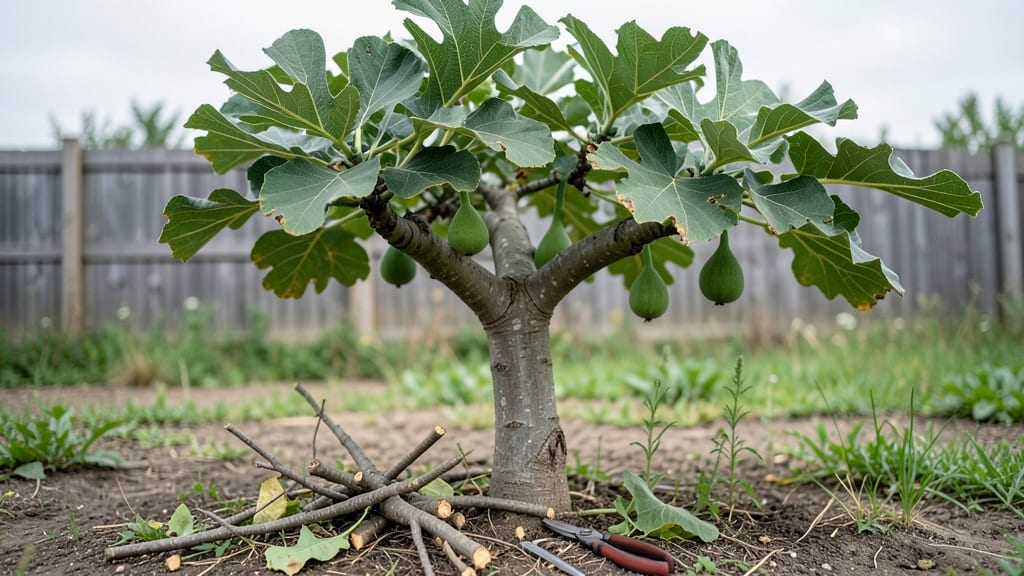
Pruning a fig tree isn’t just about shaping—it’s about unlocking bigger harvests and healthier growth. 🌿 I’ve watched my own figs go from scraggly to productive after learning the right cuts, and the best part?
You can prune year-round with the right approach. The key is working with the tree’s natural rhythm, not against it.
You’ll need just three tools: sharp pruning shears, a saw for thicker branches, and rubbing alcohol to sterilize cuts. Timing matters too—spring and summer pruning boost fruit production, while winter cuts focus on structure. My biggest mistake? Pruning too late in fall, which left my tree vulnerable to cold damage.
After pruning, your fig tree will reward you with thicker branches, more sunlight reaching the fruit, and fewer disease-prone spots. Within weeks, you’ll see fresh green growth where old wood once was. The real magic happens when you prune for airflow—fewer crowded branches mean fewer fungal problems and sweeter figs.
This method works whether your fig grows in a container or sprawls across your backyard. The same principles apply to both dwarf varieties and mature trees. Let’s get those branches in shape—your future harvest will thank you!
📚 In This Guide
- What you need
- Instructions
- Tips and common mistakes
- Wrapping up and next steps
What you need
- ● Pruning shears: Sharp, bypass-style shears (for cuts under ½ inch thick). Pro tip: Clean blades with rubbing alcohol after use to prevent disease spread! 💡
- ● Loppers: One pair with 6–8 inch blades (for cuts up to 1½ inches thick). Look for ratcheting or bypass types for precision.
- ○ Pruning saw: A curved-tooth saw (8–10 inches) for thick branches (2+ inches). Optional: A folding saw for hard-to-reach spots.
- ● Gloves: Heavy-duty, cut-resistant gloves (e.g., leather or synthetic blend) to protect hands from thorns and sap.
- ● Disinfectant: 70% isopropyl alcohol or a 10% bleach solution (1 part bleach to 9 parts water) to sterilize tools between cuts.
- ● Rope or branch spreaders: (For large trees) To support weak limbs during pruning.
- ● Ladder or step stool: Sturdy and tall enough to reach the tree’s highest branches safely. Safety first: Never stand on shaky surfaces!
- ● Trash bags or compost bin: For collecting pruned branches and debris.
- ● Tree wound sealant: (Controversial but some gardeners use it for large cuts >2 inches in diameter.) Note: Research shows fig trees often heal fine without it!
- ● Pole pruner: For high branches in tall trees (extends reach up to 10–12 feet).
- ● Marking spray or tape: To flag branches to remove (useful for complex pruning plans).
- ● First-aid kit: In case of minor cuts or sap irritation.
Instructions for pruning a fig tree to maximize shape and fruit
Here's how I prune fig trees year-round to keep them healthy, productive, and looking their best.
✂️ Step 1: Prune in Late Winter for Structural Shape
Start your pruning in late winter (just before buds swell) when the tree is still dormant. This is the best time to shape the tree's structure and remove any dead or crossing branches. I always begin by removing any branches that are dead, diseased, or rubbing against others—these compete for energy and can damage the tree.
Look for branches growing inward or crossing others. Use clean, sharp pruning shears to make cuts just outside the branch collar (the swollen area where the branch meets the trunk). Never leave stubs—this invites rot and weakens the tree. For larger branches, use a pruning saw and make the cut at a slight angle to help water run off.
☀️ Step 2: Thin Out Branches in Early Spring for Better Airflow
Once new growth starts in early spring, focus on thinning out the canopy to improve airflow and sunlight penetration. Figs need plenty of light to produce fruit, so I remove about 20-30% of the branches that are too dense. Start at the center of the tree and work your way out, cutting back branches that grow inward or upward.
Watch for branches that are growing toward the center of the tree—these create shaded areas that discourage fruit production. Cut these branches back to an outward-facing bud or branch. This step ensures your tree stays open and airy, reducing the risk of fungal diseases like root rot or leaf spot.
🌿 Step 3: Light Pruning After Harvest to Encourage New Growth
After the figs have been harvested in late summer or early fall, give your tree a light pruning to encourage new growth for next year. Remove any branches that produced fruit this season—these are called "fruit-bearing spurs," and pruning them back promotes the growth of new, vigorous branches.
I also trim back any overly long or leggy branches to maintain a balanced shape. Cut just above a leaf bud or lateral branch to encourage bushier growth. Avoid heavy pruning at this time—figs are sensitive to late-season cuts and may not recover well before winter.
⏰ Step 4: Minimal Pruning in Winter to Prepare for Dormancy
In mid-winter, do a quick check for any dead or broken branches that may have formed over the past year. This is a light maintenance step—just remove anything that looks damaged or diseased. Figs are naturally resilient, so don’t over-prune during this time. The goal is to keep the tree tidy and ready for the next growing season.
If your fig tree is young, you can also prune to encourage a stronger framework by cutting back the main branches to about 1/3 of their length. This promotes thicker growth and a more robust structure. Just be sure to avoid pruning too late in the season—figs need time to heal before winter sets in.
Tips & tricks for pruning a fig tree
These simple strategies will help you maintain a healthy, productive fig tree year after year—without the guesswork.
Timing is Everything: Late winter pruning (just before buds swell) is your golden window for shaping the tree's structure. I've learned this the hard way—pruning too early can damage emerging buds, while waiting too late risks encouraging new growth that won't survive winter. Mark your calendar for that perfect late-winter timing when your tree is still dormant but ready to wake up.
The Branch Collar Secret: When making cuts in Step 1, focus on the branch collar—the swollen area where the branch meets the trunk. Cutting just outside this collar prevents damage to the tree's natural healing system. I use a sharp pruning saw to make clean cuts at a slight angle for larger branches, which helps water run off properly and reduces the risk of rot. Don't leave stubs—this is a common mistake that weakens the tree over time.
Thinning Strategy: In early spring, aim to remove about 20-30% of the branches that are too dense. Start at the center and work outward—this creates that perfect open canopy figs need for sunlight and airflow. I look for branches growing toward the center or upward, as these create shaded areas that discourage fruit production. Cut these back to an outward-facing bud to encourage better growth patterns.
Seasonal Sensitivity: Figs are particularly sensitive to late-season pruning. After harvest in late summer or early fall, keep your pruning light—focus on removing fruit-bearing spurs and trimming leggy branches. Heavy pruning at this time can stress the tree before winter. I've seen fig trees struggle to recover when pruned too aggressively in late summer, so I always keep my cuts minimal during this sensitive period.
Pro Tips for Prune Fig Tree
- These simple strategies will help you maintain a healthy, productive fig tree year after year—without the guesswork.
- Timing is Everything: Late winter pruning (just before buds swell) is your golden window for shaping the tree's structure.
- The Branch Collar Secret: When making cuts in Step 1, focus on the branch collar—the swollen area where the branch meets the trunk.
Frequently asked questions
Got questions about pruning your fig tree? You’re not alone! Here are answers to the most common concerns—from timing to troubleshooting—to keep your tree thriving and productive.
When is the best time to prune a fig tree?
The ideal time is late winter or early spring (just before new growth starts), but you can also prune lightly after harvest in late summer. Avoid heavy pruning in fall—it can stimulate new growth that won’t harden off before winter. For tropical figs (like Ficus carica varieties), prune when the threat of frost has passed.
Can I prune a fig tree in summer?
Yes, but lightly! Summer pruning is best for shaping or removing diseased branches. Avoid heavy cuts—it stresses the tree and can reduce next year’s fruit. If you must prune heavily, do it after harvest (late summer/early fall) and only if your climate stays mild.
Will pruning my fig tree increase fruit production?
Pruning improves airflow and sunlight penetration, which boosts fruit size and quality. Focus on removing dead, crossing, or overcrowded branches—this redirects energy to healthier growth. Just don’t overdo it; figs produce fruit on new wood, so balance pruning with patience.
What if I prune at the wrong time?
Mistakes happen! If you prune too late in fall/winter, new growth may not survive frost. If you cut too early in spring, you might remove buds already forming. The fix? Monitor your tree’s growth—prune when you see swollen buds (a sign of imminent growth) or after harvest. A little late pruning is better than none!
Can I prune a fig tree too much?
Yes—over-pruning (removing more than 1/3 of the canopy at once) can weaken the tree, reduce fruit, or even kill it. Figs are resilient but need some foliage to photosynthesize. Aim for moderate cuts (10–20% of branches per year) and prioritize healthy structure over aggressive shaping.
What should I do if my fig tree doesn’t produce fruit after pruning?
First, check for male and female flowers (some figs need pollination). If your tree is young (<3 years), it may still be maturing. Try light pruning in spring to encourage new growth, and fertilize with balanced 10-10-10 in early spring. If the issue persists, your variety might be self-pollinating—research your specific fig type!
Wrapping up and next steps
Pruning your fig tree isn’t just about keeping it tidy—it’s your secret weapon for bigger harvests and a healthier, more vibrant plant! 🌿 By following seasonal best practices, removing dead growth, and encouraging airflow, you’ll unlock its full potential.
Whether you’re a beginner or a seasoned gardener, every snip brings you closer to a thriving tree.
Now that you’re armed with the know-how, grab those shears and get pruning! 🌱 Check your tree regularly, and soon you’ll be rewarded with lush foliage and sweet, juicy figs. Happy gardening!