
Pruning
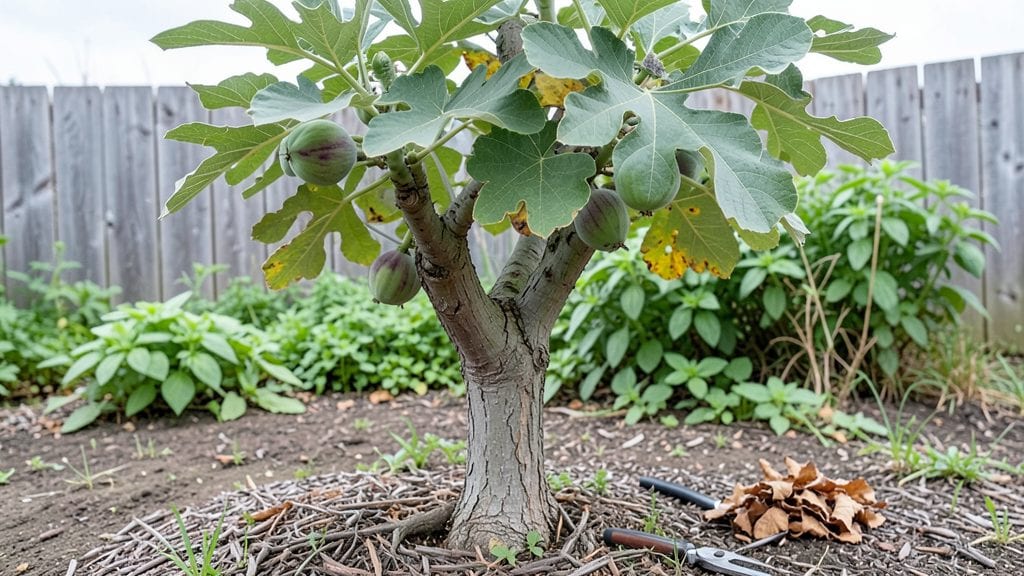
Pruning a fig tree transforms it from a tangled mess into a fruit-bearing powerhouse. 🌿 I’ve watched my own figs go from scraggly to producing bushels of sweet fruit just by cutting back the right branches—and the best part?
You don’t need a green thumb to do it. The key is timing: late winter or early spring, when the tree’s dormant, is the perfect window to shape it for maximum harvests.
You’ll need just three tools: sharp pruning shears, a saw for thicker branches, and rubbing alcohol to sterilize cuts. The process itself is simpler than it looks—focus on removing dead wood, thinning crowded branches, and opening up the center for better airflow.
I’ve pruned figs for years, and the biggest mistake beginners make is cutting too much at once. Start small, and you’ll see new growth within weeks.
What you’ll end up with is a tree that produces larger, sweeter figs and stays healthy year after year. The right cuts encourage fruit production while keeping the tree strong, and you’ll notice fewer pests and diseases creeping in.
By summer, you’ll be harvesting figs that taste like sunshine—no more struggling with tangled branches or tiny, underripe fruit.
This method works for both container-grown figs and backyard trees, whether you’re in a warm climate or a cooler zone with winter protection. The same principles apply no matter where you garden. Ready to turn your fig tree into a fruit machine? Let’s get started!
📚 In This Guide
- What you need
- Instructions
- Tips and common mistakes
- Wrapping up and next steps
What you need
- ● Pruning shears: Bypass pruners (for clean cuts on small branches, 5–8 inches long with ergonomic grips).
- ● Loppers: Bypass or anvil type (for branches ½–2 inches thick, 8–12 inches long).
- ● Pruning saw: Curved-tooth or bow saw (for branches thicker than 2 inches, with a 12–16-inch blade).
- ● Gloves: Heavy-duty, cut-resistant (to protect hands from thorns and sap).
- ● Disinfectant: Rubbing alcohol (70%+) or bleach solution (1:9 bleach:water) (to sterilize tools between cuts and prevent disease).
- ● Pruning sealant: Tree wound paint (for larger cuts, though many experts argue it’s unnecessary for fig trees).
- ● Ladder or step stool: (if your tree is taller than 6 feet).
- ● Tarp or drop cloth: (to catch debris and protect the ground).
- ● Marking twine or paint: (to tag branches for future reference).
- ● Safety glasses: (to shield eyes from sap or debris).
- ● Choose the right season: Late winter or early spring (before new growth starts) for dormant pruning.
- ● Check the weather: Prune on a dry, overcast day to reduce stress on the tree.
- ● Assess the tree’s health: Remove only dead, diseased, or crossing branches—never prune more than 25% of the canopy at once.
Step-by-step guide for pruning a fig tree
Here's how I prune my fig trees to keep them healthy and packed with fruit—no fancy tools needed.
✂️ Step 1: Prune in Late Winter Before Bud Break
Start your work in late winter when the tree is still dormant but just before buds begin to swell. This timing ensures you're not removing growth that could support next year's harvest. I like to prune on a dry day—wet branches are trickier to handle and can spread disease if they're cut improperly.
Look for dead, diseased, or crossing branches first. These are your priority. Dead wood is easy to spot—it's brown, brittle, and often crumbling. Diseased branches may have black spots or oozing sap. Cut these back to healthy wood using clean, sharp pruners. I always sterilize my tools with rubbing alcohol between cuts to prevent spreading any potential infections.
🌿 Step 2: Thin Out Crowded Branches for Airflow
Next, focus on thinning the canopy to improve airflow and sunlight penetration. Figs need good airflow to prevent fungal diseases like powdery mildew. Remove branches that are growing inward or rubbing against each other—these often create weak spots where disease can take hold.
I aim to keep the tree open and vase-shaped. Start at the center and work your way out. Cut branches back to a bud or lateral branch that's growing outward. Avoid leaving stubs—always make clean cuts just above a bud or branch collar. You'll see new growth emerge from these buds in spring, which will help fill out the tree's structure.
☀️ Step 3: Shape the Tree for Maximum Sun Exposure
Figs thrive in full sun, so your goal is to shape the tree to capture as much sunlight as possible. Focus on the outer branches—these are the ones that will produce the most fruit. If you have branches growing straight up, you can shorten them by about one-third to encourage a more horizontal growth habit. This helps the tree spread out and makes it easier to harvest the figs later.
Pay attention to the main scaffold branches—these are the larger limbs that form the tree's structure. If any of these are weak or crossing, prune them back to a strong lateral branch. You'll know you're on the right track when the tree starts to look more balanced and open. Avoid over-pruning—never remove more than one-third of the tree's foliage in a single season.
🌱 Step 4: Encourage Fruit Production with Strategic Cuts
To boost fruit production, focus on cutting back last year's growth by about one-third. This encourages the tree to produce new, vigorous growth that will bear fruit more heavily. Look for branches that are thicker than a pencil—these are the ones that will produce the most figs. Thin these out slightly to prevent overcrowding.
If your fig tree is young, you might want to hold off on heavy pruning. Instead, focus on shaping it and removing only the dead or diseased wood. Young trees need all the growth they can get to establish a strong root system. As the tree matures, you can gradually increase the amount of pruning you do each year. Watch for new growth in spring—this is your sign that the pruning was successful.
Tips & tricks for pruning a fig tree
Here's what I've learned after years of pruning fig trees—these tricks will help you get the most out of your harvest without stressing your tree.
The Right Time is Everything: Late winter is your perfect window, but don't wait until buds start swelling—that's when new growth begins. I've pruned in early spring by accident, and while the tree survived, it meant sacrificing some of that year's fruit production. Mark your calendar for that dormant period when the tree looks completely bare.
Tool Prep Prevents Problems: Clean, sharp pruners are non-negotiable. I sterilize my tools with rubbing alcohol between cuts—this simple step has saved me from multiple fungal infections over the years. For larger branches, I use loppers, but always make sure they're clean too. Think of it like surgery: you wouldn't use a dull knife in the kitchen, right?
Visual Cues for Perfect Cuts: When cutting back branches in Step 2, look for the "bud collar"—that swollen area where leaves or branches meet the stem. This is your target spot for clean cuts. I like to make my cuts at a slight angle, about 1/4 inch above the bud collar. This encourages new growth to emerge from exactly where you want it, creating a more open canopy.
Seasonal Pruning Strategy: For mature trees, I do a light maintenance pruning in late summer after harvest—just removing any dead wood or crossing branches. This keeps the tree healthy between seasons. The key is balance: never remove more than one-third of the foliage in any single season, or you'll shock the tree and reduce next year's fruit production.
Pro Tips for Prune A Fig Tree
- Here's what I've learned after years of pruning fig trees—these tricks will help you get the most out of your harvest without stressing your tree.
- The Right Time is Everything: Late winter is your perfect window, but don't wait until buds start swelling—that's when new growth begins.
- Tool Prep Prevents Problems: Clean, sharp pruners are non-negotiable.
Frequently asked questions
Got questions about pruning your fig tree? You’re not alone! Here are answers to the most common concerns to help you prune like a pro and keep your tree thriving.
When is the best time to prune a fig tree?
Prune fig trees in late winter or early spring (before buds swell) for container-grown trees or after harvest in late summer/fall for in-ground trees. Avoid pruning in extreme cold or heat—figs heal best in mild weather!
How much can I cut back my fig tree?
For young trees, remove up to ⅓ of the foliage to encourage new growth. Mature trees can handle 20-30% of selective pruning. Never cut more than 50% of the tree at once—this stresses the plant and reduces fruit production.
What if my fig tree doesn’t have any branches to prune?
If your tree is overgrown or leggy, focus on removing dead, crossing, or inward-growing branches first. Thin out dense areas to improve airflow. If it’s a young tree with few branches, prune just the tips to encourage bushier growth.
Can I prune a fig tree in summer?
Light pruning (like removing dead wood or shaping) is fine in summer, but avoid heavy pruning—it can stress the tree and reduce fruit set. If you must prune, do it after harvest (late summer/early fall) to let the tree recover before winter.
What do I do if my fig tree bleeds sap after pruning?
Sap bleeding (called “weeping”) is normal but can attract pests. To minimize it, prune on a dry, cool day and use clean, sharp tools. Seal cuts with pruning sealant (optional) if sap is excessive, but let small cuts heal naturally.
How do I prune a fig tree in a container?
Container figs need more frequent pruning (every 1-2 years) to control size. Prune in early spring before new growth starts. Trim back 1/3 of the oldest branches to encourage fruiting and prevent root-bound stress. Repot every 2-3 years for better growth!
Wrapping up and next steps
Pruning your fig tree doesn’t have to be intimidating—it’s all about timing, technique, and a little patience. 🌿 By following seasonal guidelines and keeping your tools sharp, you’ll encourage healthier growth, more abundant fruit, and a tree that thrives for years.
Now that you’re armed with the know-how, grab those pruners and get ready to transform your fig tree into a fruit-bearing powerhouse!
Ready to take it further? Monitor your tree’s progress after pruning, adjust as needed, and soon you’ll be enjoying homegrown figs like a pro. Happy pruning!