
Planting
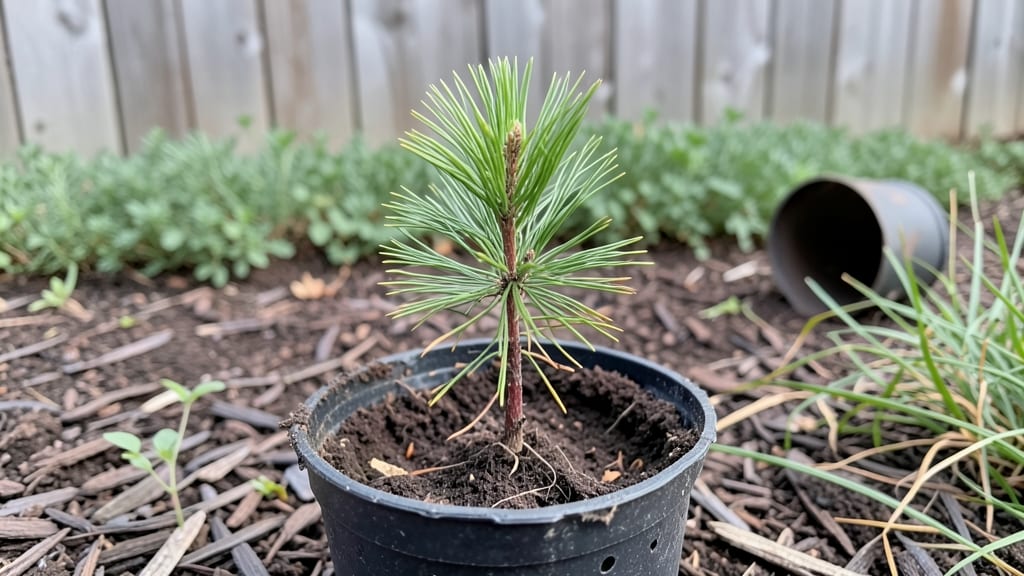
Planting pine tree seeds starts with a little winter magic—cold stratification turns stubborn seeds into eager saplings. 🌲 I’ve watched pine seeds refuse to sprout until they experience that crisp, cold season, and once they break dormancy, the results are worth the wait.
The process isn’t complicated, but it does require patience and a few key tricks to mimic nature’s timing.
You’ll need fresh pine seeds (don’t use store-bought ones—they’re often treated to prevent germination), a plastic bag or damp paper towels, and a refrigerator for the cold treatment. After 4-6 weeks of chilling, seeds double their germination rate.
The rest is simple: plant them in well-draining soil, keep them moist but not soggy, and give them full sun. Most seeds sprout within 2-4 weeks of planting, though some take months.
What you’ll end up with are sturdy little seedlings that grow into towering pines—10-20 feet tall in just a few years. The needles stay vibrant, the roots establish deep, and you’ll finally have that shade tree you’ve always wanted.
The best part? These young trees handle transplanting surprisingly well, so you can move them to their permanent spot without stress.
This method works best for spring planting in zones 3-8, but you can adjust timing for your climate. Just remember: pine seeds need cold to wake up, and once they do, they’re ready to take root. Let’s get those seeds growing!
📚 In This Guide
- What you need
- Instructions
- Tips and common mistakes
- Wrapping up and next steps
What you need
- ● Pine tree seeds: Collect fresh, viable seeds from mature pine cones (or buy from a nursery). Aim for 10–20 seeds for best results.
- ● Cold-stratification supplies: Plastic bag or airtight container
- ● Moistened peat moss or vermiculite (enough to cover seeds)
- ● Planting containers: Small pots (4–6 inches deep) with drainage holes or seed trays.
- ● Potting soil: Well-draining, acidic mix (pH 5.0–6.5) designed for conifers or seed starting.
- ● Watering can or spray bottle: For gentle hydration.
- ○ Gloves (optional but recommended—pine needles can be prickly!).
- ● Scissors or pruners (to open pine cones if needed).
- ○ Heat mat or seedling heat pad (optional, for faster germination in cooler climates).
- ● Grow lights or sunny windowsill (for 12–16 hours of light daily post-stratification).
- ● Fertilizer (balanced, low-nitrogen option like 5-5-5, used sparingly after germination).
- ● Patience! Pine seeds can take 6–18 months to germinate.
- ● Consistent moisture (but no soggy soil—pine seedlings hate "wet feet").
- ● A cool, dark place (like a fridge) for stratification (40–50°F for 30–90 days).
Step-by-step instructions for planting pine tree seeds
Here's the straightforward method I use to break pine seed dormancy and encourage strong germination.
🌱 Step 1: Collect and Prepare Pine Tree Seeds
Gather fresh pine cones from the ground in late fall or early winter—they'll already have shed their seeds naturally. Open the cones and remove the seeds, which resemble small, winged nuts. Store them in a paper bag in your refrigerator for 90 days to complete cold stratification, mimicking winter conditions. This step is critical because pine seeds need this cold period to break dormancy.
After the 90-day cold treatment, remove the seeds and soak them in lukewarm water for 12 hours to soften the outer shell. This helps the seedling push through more easily. You'll notice the seeds swell slightly—this is your signal they're ready for planting. If you skip this soaking step, germination rates drop significantly.
💧 Step 2: Plant Seeds in a Controlled Environment
Fill small pots (3-4 inches deep) with a mix of 50% peat moss and 50% perlite—this ensures excellent drainage while retaining enough moisture. Plant each seed ½ inch deep, spacing them 2 inches apart in the pot. Press the soil gently around the seeds to secure them without compacting it too tightly.
Cover the pots with clear plastic wrap or a humidity dome to maintain moisture and warmth. Place them in a warm, shaded area (around 70-75°F) where they won't receive direct sunlight. Keep the soil consistently moist but never soggy—pine seedlings rot quickly if overwatered. You'll see tiny sprouts in 4-8 weeks, though some seeds may take longer.
☀️ Step 3: Transplant and Acclimate Seedlings
Once seedlings reach 3-4 inches tall and develop 2-3 sets of true needles, they're ready for their first transplant. Choose a partial shade spot in your garden—pine seedlings need protection from harsh sunlight at this stage. Dig small holes slightly larger than the seedling's root ball and place them 6-8 inches apart to allow room for growth.
Water the seedlings deeply after transplanting to help them establish roots. Over the next 2 weeks, gradually introduce them to more sunlight by moving them to slightly sunnier spots each day. You'll know they're thriving when new growth appears and the needles stay vibrant green. Avoid fertilizing for the first 6 months—young pines are sensitive to excess nutrients.
Tips & tricks for planting pine tree seeds
Cold stratification might sound complicated, but these key tips will help you nail the process for reliable germination.
Timing Secret: Start your 90-day cold stratification in late fall—this mimics natural winter conditions and ensures seeds break dormancy exactly when they're ready. If you begin later, germination rates drop significantly. I mark my calendar 90 days before the last frost date in my area to time it perfectly.
Soaking Technique: The 12-hour lukewarm water soak in Step 1 is non-negotiable for pine seeds. Use water that feels warm to your wrist (around 90°F) to avoid shocking the seeds. After soaking, pat them completely dry before planting—moisture trapped in the seed shells can cause rot. This step softens the hard outer shell just enough for seedlings to emerge.
Environmental Control: Maintain that 70-75°F temperature range consistently during germination. A simple way to monitor this is by placing your pots near a sunny window but not directly in sunlight—pine seedlings need warmth but not heat. I use a small thermometer near the pots to track temperature daily. If your home gets too cold at night, consider using a seedling heat mat set to low.
Transplanting Wisdom: When your seedlings reach 3-4 inches tall in Step 3, harden them off gradually over 2 weeks before permanent planting. Start by moving them to slightly sunnier spots for just 30 minutes each day, then increase exposure. This prevents shock from sudden sunlight exposure, which can scorch delicate young needles. I've seen seedlings wither overnight when transplanted directly into full sun.
Pro Tips for Plant Pine Tree Seeds
- Cold stratification might sound complicated, but these key tips will help you nail the process for reliable germination.
- Timing Secret: Start your 90-day cold stratification in late fall—this mimics natural winter conditions and ensures seeds break dormancy exactly when they're ready.
- Soaking Technique: The 12-hour lukewarm water soak in Step 1 is non-negotiable for pine seeds.
Frequently asked questions
Got questions about planting pine tree seeds? You’re not alone! Here are some of the most common concerns—and straightforward answers—to help you grow with confidence.
How long does it take for pine tree seeds to germinate?
Patience is key! With cold stratification, germination typically takes 4–12 weeks. Some seeds may sprout sooner, while others need extra time—especially if they’re from slower-growing species like Pinus ponderosa. Keep the soil moist and warm (around 70°F) to encourage speedy growth.
Do I really need to cold-stratify pine seeds?
Yes! Pine seeds have a hard outer shell that blocks water and oxygen. Cold stratification (refrigerating seeds for 30–90 days) mimics winter conditions, breaking dormancy. Without it, germination rates drop dramatically—sometimes to 0%. Pro tip: Mix seeds with damp sand or peat moss for best results.
Can I plant pine seeds directly outside, or should I start indoors?
Direct outdoor planting works but has lower success rates due to unpredictable weather. Starting indoors (in pots) gives seeds better control over moisture, temperature, and protection from pests. Once seedlings are 2–3 inches tall, transplant them outside after the last frost.
What do I do if my pine seeds won’t germinate?
Don’t panic—try these fixes:
- Check moisture: Soil should stay consistently damp (not soggy).
- Verify stratification: Ensure seeds spent at least 30 days in the fridge.
- Test viability: Cut open a seed—if the inside is green, it’s viable.
- Use a fungicide: Damping-off (mold) can kill sprouts. A light spray helps.
How close can I plant pine tree seeds together?
Space seeds 6–12 inches apart in pots or trays. If planting directly in the ground, give them 3–5 feet of space to mature—pines hate competition for sunlight and water. Thinning seedlings later saves time and ensures healthier growth.
Wrapping up and next steps
Planting pine tree seeds is a rewarding journey that blends patience with nature’s magic! 🌲 By following these three simple steps—cold-stratification, soil prep, and nurturing growth—you’ve set the stage for thriving seedlings. Remember, consistency is key, and soon, you’ll watch tiny sprouts transform into majestic trees.
Ready to take the next step? Start small—whether it’s a single seedling or a whole forest of dreams. Share your progress with fellow gardeners, or explore advanced care tips to keep your pine trees flourishing for years. Your green thumb is growing stronger every day! 🌱