
Container Gardens
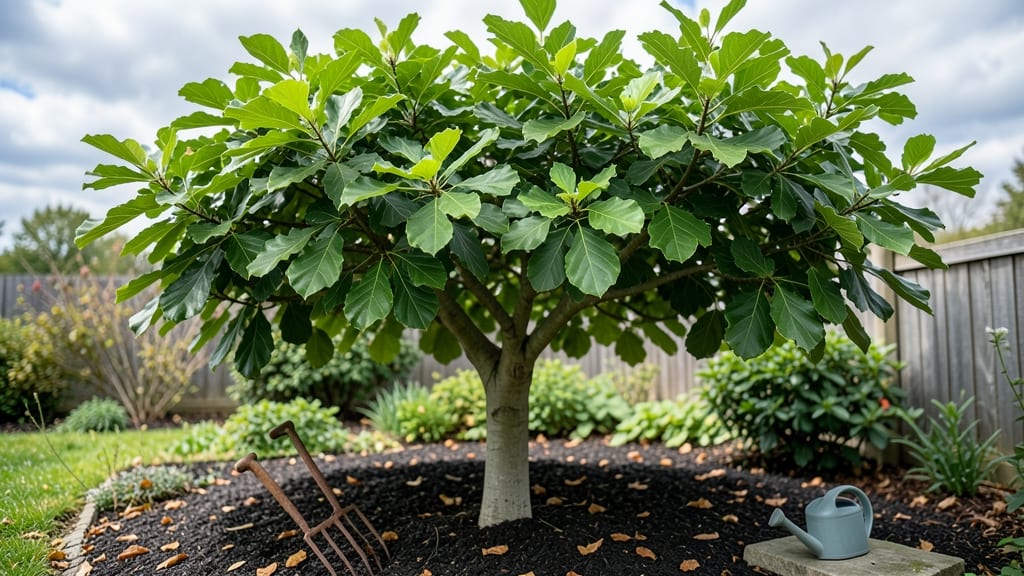
Planting a horse chestnut tree means adding a frost-resistant giant to your landscape—one that delivers stunning conkers and lush foliage for decades. 🌳 I’ve watched mine grow from a sapling to a towering shade provider, and the process is simpler than most gardeners realize.
These trees thrive in zones 3-7, making them perfect for northern climates where other species struggle.
The key to success starts with the right spot: full sun and well-draining soil are non-negotiable. Horse chestnuts hate soggy roots, so amend heavy clay with compost or plant on a slight mound.
Spacing matters too—give mature trees 30-40 feet of room to avoid root competition. Water deeply after planting, then let nature take over once established.
What you’ll love most are the velvety green leaves in summer and the golden fall foliage, plus the brown conkers that kids (and adults!) adore. Pruning is minimal—just remove dead wood in late winter—but watch for leaf miner pests, which can strip foliage.
With proper care, your tree will reward you with shade, beauty, and wildlife benefits for generations.
Even in small spaces, container-grown horse chestnuts work—just use a 15-gallon pot and upgrade every few years. Whether you’re planting a memorial tree or a future backyard landmark, this species delivers impact without fuss. Ready to grow one that outlasts you?
📚 In This Guide
- What you need
- Instructions
- Tips and common mistakes
- Wrapping up and next steps
What you need
- ● Horse chestnut seeds (conkers) – 3–5 fresh, plump seeds (harvested in autumn, ideally from a healthy tree).
- ● Potting mix or well-draining soil – A high-quality, organic-rich blend (e.g., 60% garden soil + 40% compost or coconut coir). For containers, use a 10–15 gallon pot with drainage holes.
- ○ Growing container (optional but recommended for small spaces) – A 15–20 gallon pot (minimum 12" deep) with drainage holes. Terracotta or fabric pots work best.
- ● Garden fork or trowel – For digging and transplanting.
- ● Watering can or hose with a gentle spray nozzle – Horse chestnuts hate soggy roots!
- ○ Mulch (optional but helpful) – 2–3 inches of shredded bark or wood chips to retain moisture.
- ○ Fertilizer (optional, for faster growth) – Balanced 10-10-10 fertilizer (spring/fall).
- ● Slow-release organic granules (e.g., worm castings).
- ● Plant supports (for young trees) – A stake or bamboo pole (4–6 ft tall) + soft ties to protect against wind.
- ● Sunlight – Full sun (6+ hours/day). Partial shade is okay but may slow growth.
- ● Climate – Horse chestnuts thrive in USDA Zones 4–7 (frost-resistant but needs winter protection in colder zones).
- ● Space – Mature trees need 40–60 feet of width (containers limit height to ~15–20 ft).
- ● Patience – Germination takes 2–4 months; full maturity is 20–30 years!
Step-by-step instructions for planting and cultivating horse chestnut trees
Here’s how to grow these majestic trees—where to plant, when to act, and how to ensure they thrive for decades.
🌱 Step 1: Choose the Right Location and Prepare the Soil
Horse chestnut trees (Aesculus hippocastanum) need full sun—at least 6-8 hours of direct sunlight daily—and plenty of space to spread their wide, rounded canopies. Pick a spot with at least 30 feet of clearance in all directions, as mature trees can reach 50-75 feet tall and 40-60 feet wide. Avoid low-lying areas where cold air settles, as these trees are frost-tolerant but prefer well-drained soil.
Test your soil’s drainage by digging a 12-inch-deep hole and filling it with water. If it drains within 4-6 hours, your soil is suitable. If not, amend with 2-3 inches of compost or organic matter to improve aeration. Horse chestnuts thrive in slightly acidic to neutral soil (pH 6.0-7.0)—test your soil with a kit if unsure. I’ve found that adding a 5-gallon bucket of aged compost to the planting hole gives seedlings a strong start.
🪴 Step 2: Plant Bare-Root Saplings at the Right Time
Plant bare-root saplings in early spring (March-April) or late fall (October-November), when the ground is workable but not frozen. Avoid transplanting during summer heat, which stresses young roots. Dig a hole twice as wide and just as deep as the root ball. Gently loosen the roots if they’re circling or bound, then place the sapling in the hole so the root flare (where roots meet trunk) sits just above soil level. Backfill with native soil, tamping lightly to remove air pockets.
Water deeply immediately after planting—10-15 gallons—to settle the soil and encourage root contact. Mulch the base with 2-3 inches of wood chips or shredded bark, keeping mulch 6 inches away from the trunk to prevent rot. This mulch layer retains moisture and suppresses weeds while regulating soil temperature. I’ve seen saplings wither when mulched too heavily; less is more here.
☀️ Step 3: Provide Consistent Care for Rapid Growth
Young horse chestnut trees need regular watering—deep watering every 7-10 days during the first growing season, or whenever the top 2 inches of soil feel dry. Overwatering causes root rot, so always check moisture before adding more. Once established (after 2-3 years), they’re drought-tolerant but still appreciate 1-2 inches of water per week during dry spells. Fertilize lightly in early spring with a balanced, slow-release fertilizer (10-10-10)—just ½ cup per year for young trees—to avoid overstimulating growth.
Prune only to remove dead, diseased, or crossing branches in late winter or early spring. Horse chestnuts respond poorly to heavy pruning, so resist the urge to shape them aggressively. Watch for leaf miner damage (chewed leaves) or canker diseases (sunken, oozing spots)—these are the most common issues. If you spot problems early, prune affected branches 6 inches below the damage and sterilize tools with 70% rubbing alcohol between cuts.
⏰ Step 4: Monitor for Mature Growth and Conker Production
Horse chestnut trees typically take 10-15 years to produce their iconic spiky flower clusters and glossy brown conkers, but growth accelerates with proper care. Once established, they’re low-maintenance, though I recommend annual mulch top-ups in early spring to replenish nutrients. By year 5, you’ll see strong vertical growth—expect 2-3 feet of height gain annually in ideal conditions. If your tree grows lopsided, it’s likely leaning toward light; gradually stake it if needed, but avoid permanent support once mature.
The real magic happens in late summer, when smooth, polished conkers form inside spiny husks. Collect fallen conkers in September-October, rinse them, and let them dry in a shady, well-ventilated spot for 2-3 weeks before storing. These aren’t just for games—they’re a wildlife food source for squirrels and birds. If you’re growing multiple trees, space them 50+ feet apart to ensure cross-pollination and better conker yields.
Tips & tricks for perfect horse chestnut tree cultivation
Growing a horse chestnut tree is a long-term investment, but these insights will help you set your sapling up for decades of success.
The Sunlight Factor: While 6-8 hours of sunlight is the minimum, I’ve noticed that trees in full sun (8+ hours) develop more vibrant foliage and produce conkers faster. If your yard has partial shade, choose a spot where the tree gets morning sun—this gives it the energy boost it needs for afternoon growth.
Soil Test Wisdom: The 4-6 hour drainage test is crucial, but don't stop there. If your soil drains too quickly, add compost to retain moisture while still allowing aeration. I've had better luck with a mix of native soil and compost rather than relying solely on amendments—this mimics the tree's natural forest habitat.
Planting Season Strategy: Early spring planting gives roots time to establish before summer heat, while fall planting lets them settle before winter dormancy. If you must plant in summer, do it on a cloudy day and water thoroughly every 3-4 days for the first month to prevent transplant shock. The key is keeping those roots consistently moist during their critical adjustment period.
Mulching Mastery: That 2-3 inch mulch layer works wonders, but placement matters just as much as thickness. I've seen many gardeners accidentally smother the trunk by piling mulch too close—always maintain that 6-inch clearance. For extra protection in winter, add an additional 1-2 inches of mulch in late fall, but remove it in early spring to prevent rot.
Pro Tips for Growing A Horse Chestnut Tree
- Growing a horse chestnut tree is a long-term investment, but these insights will help you set your sapling up for decades of success.
- The Sunlight Factor: While 6-8 hours of sunlight is the minimum, I’ve noticed that trees in full sun (8+ hours) develop more vibrant foliage and produce conkers faster.
- Soil Test Wisdom: The 4-6 hour drainage test is crucial, but don't stop there.
Frequently asked questions
Got questions about growing your own horse chestnut tree? Here are some of the most common ones—plus straightforward answers to help you succeed!
How long does it take for a horse chestnut tree to grow from seed?
A horse chestnut tree grown from seed can take 10 to 20 years to reach maturity and produce its first conkers. If you’re impatient, consider buying a young sapling (3–5 years old) for faster results. Patience pays off—these trees are worth the wait!
Are horse chestnut trees truly frost-resistant?
Yes! Horse chestnut trees (Aesculus hippocastanum) are hardy down to USDA Zone 4 (-30°F/-34°C), making them perfect for colder climates. Young trees may need winter protection (like mulch or burlap wraps) until established, but mature trees handle frost like a champ.
Can I grow a horse chestnut tree in a container?
While they thrive in the ground, horse chestnuts adapt well to large containers (20+ gallons) with drainage holes. Use a well-draining potting mix and repot every 2–3 years. Just know: container-grown trees may grow slower and need pruning to manage size.
Why aren’t my horse chestnut seeds germinating?
Horse chestnut seeds need stratification (cold treatment) to break dormancy. Try this:
- Soak seeds in water for 24 hours.
- Plant in moist sand or peat, then refrigerate for 3–4 months.
- Transplant outdoors in spring.
What’s the best alternative if horse chestnuts are toxic?
If you love the look but worry about toxicity (horse chestnuts contain aesculin, harmful to pets/humans), try red buckeye (Aesculus pavia) or Japanese pagoda tree (Acer buergerianum). Both offer similar beauty with fewer risks—just skip the conkers!
Wrapping up and next steps
Growing a horse chestnut tree is a rewarding journey that brings beauty, shade, and even delicious conkers to your garden! 🌳 With the right location, soil prep, and care, these frost-resistant giants thrive—adding value and charm for years to come.
Whether you’re planting in containers or directly in the ground, your patience will pay off with stunning blooms and iconic autumn treats.
Ready to take the next step? Start by choosing your sapling—whether from a local nursery or a trusted online source—and mark your calendar for planting season. Soon, you’ll be enjoying the satisfaction of nurturing a tree that grows with you!