
Size
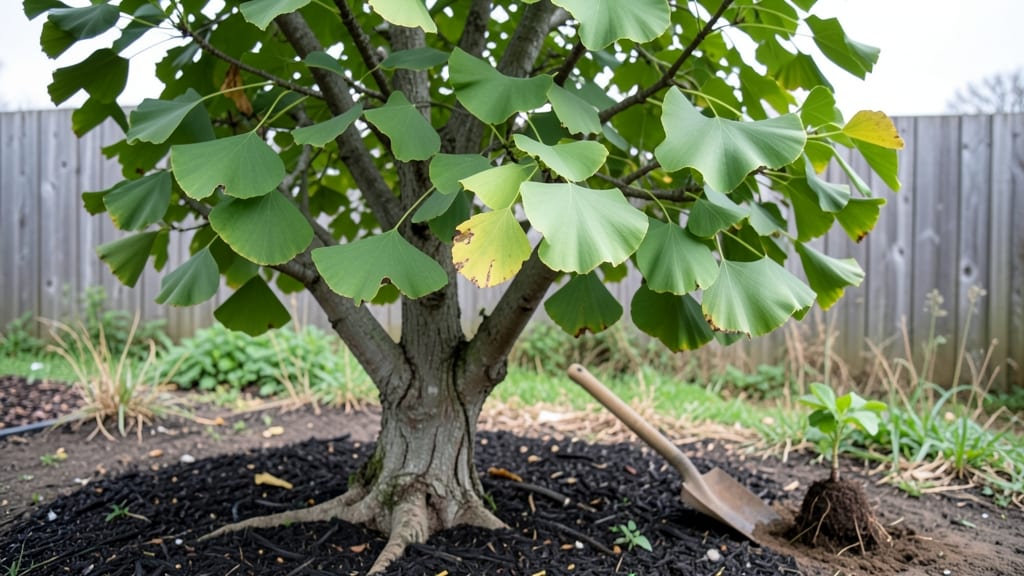
Growing a ginkgo biloba tree means welcoming a living fossil into your landscape with almost no fuss—these ancient trees thrive with surprisingly little care. 🌿 I planted mine five years ago in a small yard, and now it stands over 15 feet tall with minimal attention beyond occasional watering.
The key is understanding its natural resilience: ginkgos tolerate poor soil, drought, and even urban pollution, making them one of the most forgiving trees for beginners.
The real secret lies in the first few months after planting. Start with well-draining soil—even sandy or rocky ground works—and place it where it gets full sun for at least six hours daily.
Water deeply once a week after establishment (young trees need more), but never let it sit in soggy soil. Pruning is optional: these trees grow slowly and naturally develop their iconic layered branches without much help from you.
By year three, you’ll notice fan-shaped leaves unfurling in spring, turning golden in fall—a spectacle that lasts for centuries. The trees handle cold down to -20°F and even bounce back from winter damage.
Most problems (like yellowing leaves) stem from overwatering or compacted soil, which you can fix by improving drainage or mulching lightly.
Perfect for city lots, parks, or rural landscapes—these trees need no special care beyond what nature already provides. Once established, they’re virtually maintenance-free, making them the ultimate "plant it and forget it" specimen. Ready to grow one that outlives you?
📚 In This Guide
- What you need
- Instructions
- Tips and common mistakes
- Wrapping up and next steps
What you need
- ● Ginkgo biloba seeds or saplings: Seeds: 3–5 (for best germination odds; Ginkgo seeds are notoriously slow to sprout—patience is key!)
- ● OR a 1–3 year-old sapling (faster growth, but pricier)
- ● Well-draining soil: pH 6.5–7.5 (neutral to slightly acidic)
- ● Loamy or sandy soil (avoid heavy clay—Ginkgos hate soggy feet!)
- ● Sunlight access: Full sun (6+ hours/day) for optimal growth.
- ● Watering can or hose with adjustable nozzle (for gentle hydration).
- ● Garden trowel or shovel (for planting seeds/saplings).
- ● Compost or organic fertilizer (balanced 10-10-10 or slow-release option).
- ○ Mulch (optional but recommended): Wood chips or straw (2–3 inches thick to retain moisture and suppress weeds).
- ● Seed stratification kit (if germinating seeds—cold treatment mimics winter for faster sprouting).
- ● Garden gloves (to protect hands from prickly mulch or soil).
- ● Soil moisture meter (to ensure your Ginkgo isn’t over- or under-watered).
- ● Tree stakes or supports (for young saplings in windy areas).
- ● Fungicide (copper-based) (prevents common fungal issues like powdery mildew).
- ● Pruning shears (for shaping as it grows—Ginkgos are low-maintenance but love a little trim!).
Step-by-Step instructions for growing ginkgo biloba tree
This ancient tree thrives with surprisingly little fuss—just follow these simple steps.
🌱 Step 1: Choose the Right Location and Planting Time
Ginkgo biloba loves space and sunlight, so pick a spot with full sun exposure (6+ hours daily) and room to grow—these trees can reach 30-50 feet tall with a wide canopy. I always plant mine in early spring (March-April), just as new growth begins, because the soil is warm enough for roots to establish quickly.
Dig a hole twice as wide as the root ball but no deeper—this prevents root suffocation. Amend the native soil with compost or aged manure only if your soil is heavy clay, as ginkgos tolerate poor conditions surprisingly well. The key is good drainage; if your site floods, plant on a slight mound.
🪴 Step 2: Plant Your Ginkgo Biloba With Proper Spacing
Place the tree so the top of the root ball sits 1-2 inches above ground level. This prevents water from pooling around the trunk and causing rot. Ginkgos need 20-30 feet of space between trees—they hate competition and will grow slowly if crowded. I always backfill with native soil (no amendments) and tamp gently to remove air pockets.
Water deeply right after planting to settle the soil around roots, then create a 3-inch deep watering basin around the base. The first year is critical—you'll want to water once a week during dry spells, but never let the soil stay soggy. Ginkgos are drought-tolerant once established, but young trees need consistent moisture.
☀️ Step 3: Provide Minimal Care for Healthy Growth
Fertilize only in the first two years: use a balanced 10-10-10 fertilizer in early spring, applying ½ cup per inch of trunk diameter. After that, ginkgos rarely need feeding—they're happy with whatever nutrients your soil offers. Mulch with 2-3 inches of wood chips, keeping it 6 inches away from the trunk to prevent rot.
Prune only to remove dead or crossing branches in late winter. Ginkgos have natural, graceful shapes—over-pruning creates weak growth. Watch for yellowing leaves in fall (normal!) and brown, papery seed coats (also normal). The real beauty comes in fall foliage, when leaves turn golden—this is your reward for patience.
⏰ Step 4: Understand Long-Term Maintenance Requirements
Ginkgos are drought-tolerant once established (after 3-5 years), so water only during prolonged dry periods. They handle urban pollution and poor soil beautifully, making them perfect for city landscapes. The only real maintenance is annual cleanup of seed cases—they smell terrible when rotting, so rake them up in late winter.
Male trees (which produce no seeds) are preferred for urban planting. If you want seeds, plant a female tree but be prepared for the strong odor when cones open. I always plant mine at least 50 feet from buildings or walkways to contain any mess. With proper spacing and minimal care, your ginkgo will live for centuries—literally.
Tips & tricks for perfect ginkgo biloba growth
These simple tricks will help you grow a thriving ginkgo tree with minimal effort—because even ancient trees deserve a little help getting started.
Location is Everything: While ginkgos tolerate many conditions, the 6+ hours of full sun mentioned in Step 1 is non-negotiable for that stunning golden fall foliage. If your yard has partial shade, plant near the sunniest edge—even a few extra hours makes a difference. I've seen ginkgos in city courtyards thrive with just morning sun and afternoon shade, but their growth rate slows noticeably.
Root Ball Placement Matters: That 1-2 inch elevation for the root ball in Step 2 prevents rot by ensuring proper drainage. If your soil is particularly heavy clay, consider planting on a slight mound even if not flooded—this extra precaution pays off during rainy seasons. I've watched ginkgos planted too deep struggle for years to recover.
Watering Wisdom: The once-a-week watering in Step 2 should feel like a gentle rain, not a flood. Stick your finger 2 inches deep into the soil—if it's dry at that depth, water again. Overwatering is the #1 killer of young ginkgos, even though they're drought-tolerant once established. Think "consistent moisture" rather than "soaking."
Fertilizer Strategy: That ½ cup per inch of trunk diameter in the first two years is actually quite generous—most ginkgos don't need any after that. I've seen trees grow beautifully with zero fertilizer after year 2. If you do fertilize, split the dose into two applications: once in early spring and again after summer growth begins. Too much fertilizer makes them soft and prone to disease.
Pro Tips for Grow Ginkgo Biloba Tree
- These simple tricks will help you grow a thriving ginkgo tree with minimal effort—because even ancient trees deserve a little help getting started.
- Location is Everything: While ginkgos tolerate many conditions, the 6+ hours of full sun mentioned in Step 1 is non-negotiable for that stunning golden fall foliage.
- Root Ball Placement Matters: That 1-2 inch elevation for the root ball in Step 2 prevents rot by ensuring proper drainage.
Frequently asked questions
Got questions about growing your own Ginkgo Biloba tree?
Here are some of the most common ones—plus quick, practical answers to help you succeed!
How long does it take for a Ginkgo Biloba tree to grow to maturity?
A Ginkgo Biloba tree grows slowly but steadily—expect it to reach 10–15 feet tall in about 10–20 years and full maturity (30–50 feet) in 30–50 years. Patience pays off with its iconic golden fall foliage!
Can I grow a Ginkgo Biloba tree from seed, or should I buy a sapling?
You can grow from seed, but it’s a 10+ year wait for fruit (and thus propagation). For faster results, buy a 1–3 year-old sapling from a nursery—it’ll start growing immediately and avoid the hassle of seed stratification.
How cold-hardy is the Ginkgo Biloba tree?
This ancient tree is extremely tough—it thrives in USDA Zones 3–8 and handles sub-zero temps with ease. Just avoid planting in waterlogged soil or areas with late spring frosts.
Are Ginkgo Biloba trees prone to pests or diseases?
Generally low-maintenance, but watch for scale insects, spider mites, or fungal issues (like powdery mildew) in humid climates. Prune for airflow, and treat pests with neem oil or insecticidal soap if needed.
How close can I plant a Ginkgo Biloba tree to my house or driveway?
Give it space! Mature Ginkgos have wide-spreading roots and can reach 30–50 feet wide. Plant at least 20–30 feet from structures to avoid root damage or overhanging branches.
Wrapping up and next steps
Growing a Ginkgo biloba tree is a rewarding journey that combines resilience with timeless beauty—perfect for gardeners of all levels! 🌿 With its minimal care requirements and stunning fall foliage, this ancient tree adds elegance to any landscape.
Whether you’re planting a young sapling or nurturing seeds, remember: patience and consistency are key.
Now that you’re equipped with the know-how, take the next step—visit a local nursery to pick your tree or start seeds indoors. Your future living fossil awaits! 🌱