
Size
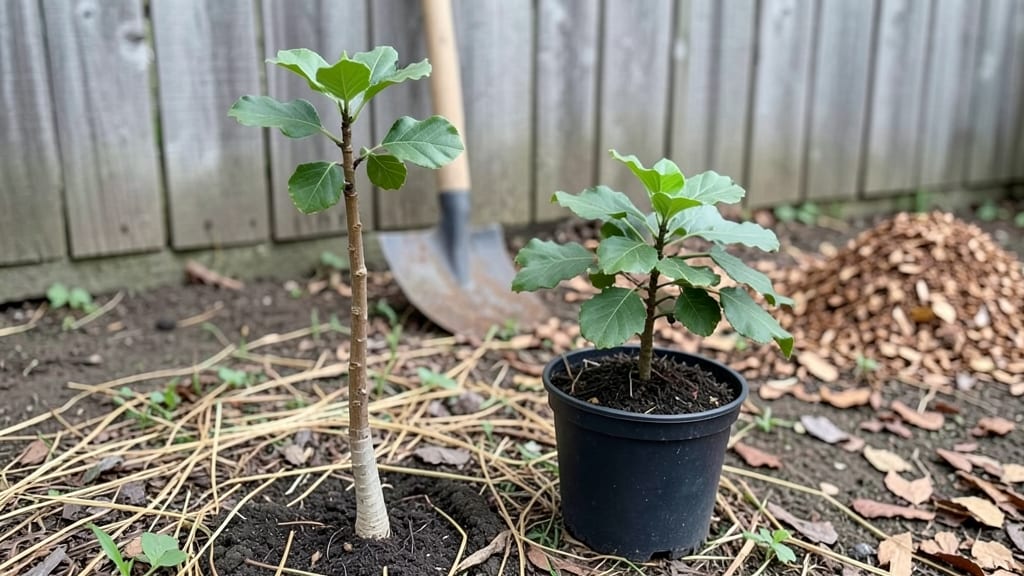
Growing an oak tree from an acorn is one of the most rewarding long-term projects a gardener can take on—though it requires patience most of us don’t have. 🌳 The journey from tiny seed to towering shade provider spans decades, but the satisfaction of nurturing a living monument makes every step worthwhile.
I’ve watched my own white oak go from a acorn-sized speck to a 6-foot sapling in just five years, and the best part? It’s still got decades of growth ahead.
The first challenge is finding the right acorn—don’t just grab any from your yard. Look for plump, healthy ones from mature oaks (red, white, or bur), and soak them in water for 24 hours before planting.
You’ll need well-draining soil, a sunny spot with at least 6 hours of light daily, and a 5-10 year commitment before it even starts producing shade. The key is consistency: water deeply once a week (more in drought) and avoid disturbing the soil around young roots.
By year 10, your sapling will be 6-10 feet tall, with a trunk thicker than your wrist. With proper care—pruning to remove weak branches and protecting it from deer or pests—it’ll eventually reach heights of 60-80 feet.
The real magic happens in the canopy: those broad leaves will provide summer shade and fiery autumn color for generations. Just don’t expect instant gratification; this is a legacy project, not a quick harvest.
Works best in USDA zones 3-9, though species vary by region. Red oaks thrive in the South, white oaks in the North, and bur oaks handle drought well.
The biggest mistake? Impatience—oaks grow slowly, but they’re worth every decade of waiting. Ready to plant your future? Here’s how to get started right.
📚 In This Guide
- What you need
- Instructions
- Tips and common mistakes
- Wrapping up and next steps
What you need
- ● Acorns or Oak Saplings: Acorns: Collect white oak or red oak acorns (avoid hybrid varieties). Aim for 5–10 healthy acorns for better success rates.
- ● Saplings: Purchase 1–2 nursery-grown oak seedlings (3–6 inches tall) for faster growth.
- ● Well-Draining Soil: A mix of 60% topsoil, 30% compost, and 10% sand or perlite (1–2 cubic yards for planting). Oak trees hate soggy roots!
- ● Organic Mulch: 3–4 inches of wood chips or shredded bark (spread in a 3-foot radius around the base).
- ● Watering Can or Hose: A 3–5 gallon capacity for consistent moisture (or a soaker hose for efficiency).
- ● Garden Gloves (1 pair) – Protect your hands from thorns and rough bark.
- ● Trowel or Spade – For digging holes 3x wider and as deep as the root ball.
- ● Pruning Shears – Bypass pruners (for saplings) or loppers (as the tree grows).
- ● Measuring Tape – To mark planting depth and spacing (oaks need 40–60 feet of space at maturity!).
- ○ Stakes & Twine (Optional) – For young saplings in windy areas (2 stakes, 6–12 inches tall).
- ● Sunlight: A full-sun location (6+ hours of direct light daily). Partial shade slows growth.
- ● Space: Plant at least 40 feet from structures, sidewalks, or other trees (oaks get 60–80 feet tall!).
- ● Patience: Oaks grow 1–3 feet per year—plan for decades of care!
- ● Local Climate Check: Ensure your hardiness zone matches the oak species (white oak: zones 3–9, red oak: zones 4–8).
Step-by-Step instructions for growing an oak tree from an acorn
Here's how to nurture an acorn into a strong, healthy oak sapling—nature's patience, your steady care.
🌱 Step 1: Collect and Prepare Acorns in Fall
Gather acorns from mature oak trees in late September or October when they're fully ripe but haven't yet fallen. Look for plump, heavy acorns with intact caps—they're the healthiest. Store them in a cool, dry place until planting. I like to keep them in a mesh bag to prevent mold while allowing airflow.
Before planting, remove the caps by gently rolling the acorn between your palms. Don't damage the nut itself—just enough to expose the seed. Soak the acorns in lukewarm water for 24 hours to soften the shell and kickstart germination. This step is crucial because oak shells are tough, and without soaking, germination rates drop dramatically.
🪴 Step 2: Plant Acorns in Containers with Well-Draining Soil
Fill a 4-6 inch deep container with a mix of 50% potting soil and 50% coarse sand or perlite to ensure excellent drainage. Oak seedlings rot quickly if their roots sit in soggy soil. Plant the acorn 1 inch deep, pointed end down, in the center of the container. Cover it lightly with soil, leaving just the tip exposed.
Water gently until the soil is moist but not waterlogged. Place the container in a sheltered spot outdoors where it gets partial shade—direct sun can dry out the soil too quickly. I keep mine under a tree or on a covered porch. Check the soil weekly and water only when the top inch feels dry to the touch. Overwatering is the #1 killer of young acorns.
☀️ Step 3: Overwinter the Acorn for Natural Stratification
Leave the container outdoors through winter. Cold temperatures (32-40°F) break the acorn's dormancy naturally—a process called stratification. If you live in a mild climate, you can speed this up by placing the container in a refrigerator for 6-8 weeks, then returning it to outdoor conditions. This mimics nature's timing perfectly.
Watch for the first signs of growth in late winter or early spring. You'll see a tiny shoot emerge from the soil, followed by the first true leaves. This is your signal that the acorn has successfully sprouted. Don't rush to move it—let the seedling grow strong before transplanting. Real talk: Some acorns take 2-3 months to germinate, so patience is key.
🌿 Step 4: Transplant Seedlings to Larger Pots in Spring
Once the seedling reaches 4-6 inches tall and shows 3-4 sets of leaves, it's ready for its first transplant. Choose a 6-8 inch pot with fresh potting mix. Gently remove the seedling from its container, being careful not to damage the roots. Place it in the new pot and fill around it with soil, pressing lightly to remove air pockets.
Water thoroughly after transplanting and place the pot in a spot with morning sun and afternoon shade. Oak seedlings need protection from intense afternoon heat, which can scorch tender leaves. You'll notice the seedling's leaves darken and thicken over the next few weeks—that's a sign it's adapting well to its new home.
⏰ Step 5: Gradually Acclimate to Full Sun and Outdoor Conditions
After 2-3 weeks in the larger pot, start hardening off the seedling by moving it outdoors for 1-2 hours daily. Choose a sheltered spot with indirect light. Gradually increase outdoor time over 2 weeks, until the seedling can spend full days outside. This slow transition prevents shock and helps the seedling develop strong roots.
By late spring, when nighttime temperatures stay above 50°F, you can plant the seedling in the ground. Choose a location with full sun and well-draining soil. Dig a hole twice as wide as the root ball but no deeper. Place the seedling in the hole, backfill with soil, and water deeply. Mulch around the base with 2-3 inches of organic mulch to retain moisture and suppress weeds.
Tips & tricks for growing a mighty oak tree
Growing an oak tree from an acorn is a rewarding but delicate process—here's how to give your little sapling the best chance to thrive.
Acorn Selection: In Step 1, when choosing acorns, focus on those that are plump and heavy for their size. The heavier acorns contain more nutritious meat inside, which gives your seedling a better start. I like to tap them gently on a hard surface—if they sound solid (not hollow), they're likely healthy. Store them in a mesh bag to prevent mold while allowing airflow, just as instructed. This simple step can dramatically improve your germination rates.
Soaking Strategy: The 24-hour soaking in lukewarm water is non-negotiable for oak acorns. Cold water won't soften the shell effectively, and hot water can damage the embryo inside. I use a glass jar with a loose lid to allow some air circulation during soaking. After 24 hours, you should notice the shell starts to crack slightly—this is your sign that germination is about to begin.
Soil Mix Secrets: For Step 2, don't skimp on the sand or perlite in your 50/50 soil mix. Oak seedlings are particularly sensitive to soggy roots, and this mix ensures proper drainage. I've found that adding a handful of coconut coir to the mix helps retain moisture without compacting the soil. When planting, make sure the pointed end is facing down—this is crucial for proper root development.
Winter Care: During the stratification period in Step 3, if you're using the refrigerator option, place a small dish of water near the container to increase humidity. Oak seedlings are delicate during this phase, and maintaining consistent moisture helps prevent dormancy-related stress. Watch for condensation on the container—this is a good sign your acorn is actively preparing to sprout.
Pro Tips for Grow An Oak Tree
- Growing an oak tree from an acorn is a rewarding but delicate process—here's how to give your little sapling the best chance to thrive.
- Acorn Selection: In Step 1, when choosing acorns, focus on those that are plump and heavy for their size.
- Soaking Strategy: The 24-hour soaking in lukewarm water is non-negotiable for oak acorns.
Frequently asked questions
Got questions about nurturing your oak tree? You’re not alone—oak trees are a long-term commitment, and every grower has doubts! Here are the answers to the most common queries, from impatient gardeners to first-time acorn planters.
How long does it take for an acorn to sprout?
Acorns can take anywhere from 2 weeks to 6 months to sprout, depending on moisture, temperature, and species. White oaks (like bur oaks) often sprout faster, while red oaks may take longer. Patience is key—some acorns even require a cold stratification period (like winter) to break dormancy. Pro tip: Soak acorns in water for 24 hours before planting to kickstart germination.
Can I grow an oak tree from a store-bought acorn?
Technically yes, but success isn’t guaranteed! Store-bought acorns are often sterilized or treated to prevent pests, which can reduce germination rates. For better odds, source acorns from mature, healthy oak trees in your area (check local parks or forests). If you’re set on store-bought, look for “garden-ready” acorns labeled for planting.
What’s the best climate for growing oak trees?
Oak trees thrive in USDA Hardiness Zones 3–9, but their ideal climate depends on the species. White oaks prefer cooler, wetter regions, while red oaks tolerate heat and drought better. Most oaks need full sun (6+ hours daily) and well-draining soil. If you’re in a hot, dry area, mulch heavily and water deeply during the first 2 years.
Why is my oak seedling wilting or turning yellow?
Wilting or yellowing leaves usually signal overwatering, underwatering, or root rot. Check the soil—it should stay moist but not soggy. Yellowing on older leaves often means too much water, while crispy edges suggest drought. Fix it: Adjust watering, improve drainage, and ensure the seedling gets sunlight. Fungal issues? Treat with neem oil or copper fungicide.
Are there fast-growing oak alternatives for smaller yards?
If you love oaks but lack space, consider these faster-growing, compact alternatives:
- Swamp White Oak – Grows 12–24”/year (faster than bur oak).
- Pin Oak – Tolerates urban conditions and reaches maturity in 20–30 years.
- Dwarf English Oak – Stays under 20’ tall (great for patios!).
- Hornbeam Trees – Not true oaks but offer similar shade and durability.
For a mini oak vibe, try Japanese Maple or Redbud—they’re shade lovers with stunning fall color!
Wrapping up and next steps
Growing an oak tree from an acorn is a rewarding journey that demands patience, care, and a touch of nature’s magic. 🌳 By following these steps—from selecting the right acorn to nurturing your sapling—you’re not just planting a tree; you’re investing in a legacy that will stand for centuries.
The real magic happens over time, so stay consistent, observe, and let your green thumb guide you!
Ready to watch your tiny acorn transform into a towering oak? Start today by gathering your supplies—your future forest awaits! 🌱