
Propagation
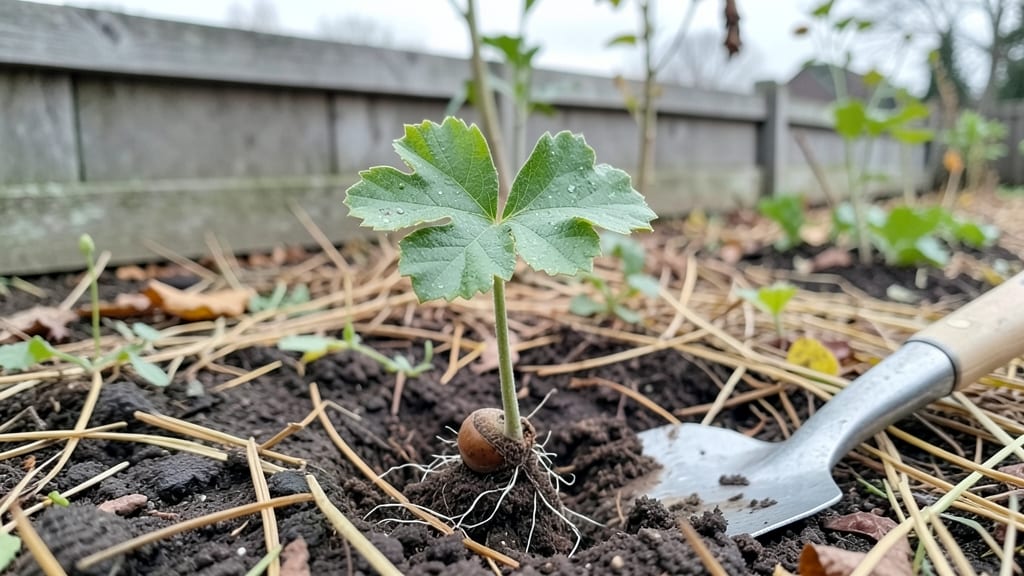
Growing an oak tree from an acorn is the ultimate test of patience—and the most rewarding way to create a living legacy. 🌱 I started my first oak from a single acorn in my backyard ten years ago, and today it stands taller than me, its roots running deeper than I ever imagined.
The key isn’t just planting; it’s understanding the slow, steady rhythm of nature that turns a tiny seed into a towering giant.
You’ll need just a few things: fresh acorns from a mature oak (red oaks are faster to germinate), a pot or planting site with well-draining soil, and a lot of time—we’re talking decades before it reaches full height.
The trick is mimicking the natural conditions acorns thrive in: cold stratification (a winter chill) followed by warm, moist soil. Most people quit after the first year, but that’s when the real magic begins.
By year three, you’ll see your first true leaves—small, lobed, and unmistakably oak. With proper care, your tree will grow 3-5 feet per year in ideal conditions, though some species like white oak grow even slower.
The payoff? A tree that will outlive you, provide shade for generations, and become a cornerstone of your landscape. This isn’t just gardening; it’s planting history.
Works best in zones 5-9, though red oaks handle colder climates better than white oaks. Whether you start indoors for germination or plant directly outside, the process is the same: patience, protection, and space to grow. Let’s get those acorns planted—your future shade tree is waiting.
📚 In This Guide
- What you need
- Instructions
- Tips and common mistakes
- Wrapping up and next steps
What you need
- ● Fresh acorns – Collect 5–10 mature acorns (preferably from white or red oak trees for best results). Ensure they’re plump, heavy, and free of cracks or holes.
- ● Well-draining potting mix – A blend of 50% peat moss or coco coir, 30% perlite or vermiculite, and 20% sand (sterilized). Avoid garden soil—it’s too dense!
- ● Small pots or seed trays – 3–4 inch diameter with drainage holes (or biodegradable peat pots). Use 1 pot per acorn.
- ● Spray bottle – For gentle watering (avoid soaking the acorns).
- ● Plastic wrap or humidity dome – To create a mini greenhouse effect during germination.
- ● Labeling tags & marker – To track planting dates and oak species.
- ● Garden gloves – Acorns can stain, and some oaks (like poison ivy lookalikes) have irritating sap.
- ● Outdoor space or grow light – A sunny windowsill (6+ hours/day) or LED grow light (12–16 hours/day) for seedlings.
- ● Acorn storage container – A sealed jar with slightly damp sand to stratify acorns (if not planting immediately).
- ● Soil moisture meter – To check if your mix is just damp enough (not soggy!).
- ● Fertilizer (balanced, low-nitrogen) – Like 5-5-5 or 10-10-10, diluted to ½ strength after germination.
- ● Mulch (wood chips or straw) – Once transplanted outdoors, to retain moisture and regulate soil temp.
- ● Tree support stake – For when your oak reaches 3–4 feet tall (prevents wind damage).
Step-by-step instructions for growing an oak tree from an acorn
Here’s how I’ve grown healthy oak seedlings from acorns—it’s all about timing and patience.
🌱 Step 1: Collect and Prepare Acorns for Planting
Gather acorns from mature oak trees in late fall or early winter when they’ve naturally fallen. Look for plump, heavy acorns with intact caps—these are the healthiest. I store them in a breathable container, like a mesh bag, in a cool, dry place until spring planting. Avoid acorns with holes or cracks, as they’re likely infested with pests.
Before planting, soak the acorns in lukewarm water for 24 hours to soften the shell and kickstart germination. This step is crucial because oak shells are tough, and the seedling needs energy to break through. After soaking, place the acorns between damp paper towels in a sealed plastic bag. Check daily—they’re ready when you see a tiny white root, usually within 7-14 days.
🪴 Step 2: Plant the Germinated Acorns in Containers
Use 4-inch deep pots filled with a well-draining mix of 50% potting soil and 50% perlite or sand. This prevents waterlogging, which can rot the delicate roots. Plant each acorn 1 inch deep, with the root pointing downward. Gently firm the soil around it to secure it in place. I label each pot with the date to track growth progress.
Place the pots in a shady, protected spot like a covered porch or under a tree. Oak seedlings need indirect light at first—they’ll burn if exposed to harsh sun. Keep the soil consistently moist but not soggy. You’ll know it’s right when the top inch feels damp, like a wrung-out sponge. Mist the soil lightly every 2-3 days to maintain humidity.
☀️ Step 3: Transition Seedlings to Outdoor Conditions
Once the seedlings develop 2-3 sets of true leaves (not the first tiny cotyledons), they’re ready for their first taste of outdoor life. Start by placing them in a sheltered, partially shaded spot for 2-3 hours daily, gradually increasing exposure over 2-3 weeks. This process, called hardening off, helps them adjust to wind and sunlight without shock.
After they’ve spent full days outside, transplant them into larger containers or directly into the ground in a sunny location with well-draining soil. Oak trees thrive in full sun but need time to adapt. Water deeply after planting to settle the soil and encourage root growth. You’ll see new growth within 4-6 weeks—this is your sign they’re thriving.
🌿 Step 4: Care for Young Oak Trees Long-Term
Oak seedlings need regular watering during their first year, especially in dry spells. Water deeply once a week unless it’s been unusually hot or dry, then increase to twice a week. You’ll know they’re getting enough water when the soil feels dry 1-2 inches below the surface. Avoid overhead watering to prevent fungal diseases.
Fertilize lightly in early spring with a balanced, slow-release fertilizer (like 10-10-10) to support steady growth. Oak trees are slow growers, so don’t overdo it—too much fertilizer can harm them. Prune only to remove dead or damaged branches in late winter or early spring. Mulch around the base with 2-3 inches of wood chips to retain moisture and protect roots from temperature swings.
Tips & tricks for growing an oak tree from an acorn
A few simple strategies will help you maximize your chances of growing a thriving oak tree from an acorn—here's what I've learned from years of trial and error.
Acorn Selection Matters: Don't just grab any acorn! Look for ones that are plump, heavy for their size, and have intact caps. I've found that acorns from white oak trees tend to germinate more reliably than those from red oaks. Store them in a breathable container in a cool, dry place until spring planting—this mimics their natural winter dormancy period and helps prevent mold.
Germination Timing Secret: The 24-hour soak is non-negotiable for breaking through those tough oak shells, but don't rush the process. After soaking, place them between damp paper towels in a sealed bag—this creates a humid environment that speeds up germination. I check daily for that first tiny white root, which usually appears within 7-14 days. If you see mold developing, discard those acorns immediately and try fresh ones.
Soil Mix Strategy: The 50/50 mix of potting soil and perlite/sand is crucial for preventing waterlogging, which can kill your delicate seedlings. I've had success using coconut coir instead of perlite for those with concerns about sand's environmental impact. When planting, make sure the acorn is positioned with the root pointing downward—this might sound obvious, but I've seen many beginners plant them upside down!
Hardening Off Technique: The gradual 2-3 week transition from indoor to outdoor conditions is where most seedlings fail. Start with just 2-3 hours of sunlight in a sheltered spot, then slowly increase exposure. I've found that placing seedlings near a north-facing window during the day and moving them outside in the morning helps them adapt more smoothly. Watch for wilting—this is a sign they're getting too much sun too soon.
Pro Tips for Grow An Oak Tree From An Acorn
- A few simple strategies will help you maximize your chances of growing a thriving oak tree from an acorn—here's what I've learned from years of trial and error.
- Acorn Selection Matters: Don't just grab any acorn!
- Germination Timing Secret: The 24-hour soak is non-negotiable for breaking through those tough oak shells, but don't rush the process.
Frequently asked questions
Got questions about growing an oak tree from an acorn?
You’re not alone! Here are answers to the most common ones—because even the mightiest oaks start small.
How long does it take for an acorn to sprout?
With the right conditions (moisture, warmth, and patience!), an acorn can sprout in 4–8 weeks. If stored properly (stratified and chilled), germination speeds up. But remember: oak trees are slow growers—expect your sapling to take 5–10 years to reach just 10 feet tall!
Can I grow an oak tree indoors first?
Yes, but with caution! Start indoors in a well-draining pot with a mix of peat and perlite. Keep it in a sunny window or under grow lights. Once roots fill the pot (or by spring), transplant outdoors. Warning: Oaks dislike root disturbance—handle gently to avoid stress.
Why isn’t my acorn sprouting?
Common culprits:
- Dormancy: Many acorns need stratification (cold treatment) to break dormancy. Skip this step, and they may never sprout.
- Rot: Overwatering or poor drainage can cause mold. Let the soil dry slightly between waterings.
- Old acorns: Fresh acorns (from the current year) have the highest success rate. Older ones may be too dry.
What’s the best time of year to plant an acorn?
Fall is ideal! Plant fresh acorns in late autumn (they’ll naturally stratify over winter). You can also plant in early spring after chilling them for 6–8 weeks. Avoid summer heat, which dries acorns out too quickly.
How do I know if my oak sapling is healthy?
Healthy oak saplings have:
- Vibrant green leaves (no yellowing or browning).
- Strong, upward growth (not leggy or stunted).
- No wilting (even in dry spells).
Pro Tip:
Label your sapling! Oaks can take decades to mature—keeping track of planting dates and varieties helps you celebrate milestones (like first leaves or 10th birthday roots!).
Wrapping up and next steps
Growing an oak tree from an acorn is a rewarding journey that blends patience, care, and a touch of nature’s magic. 🌱 With the right preparation—whether you’re planting a fresh acorn or nurturing a sapling—you’re not just cultivating a tree; you’re fostering a legacy that could stand for centuries.
The key? Stay consistent, observe your little guardian’s growth, and trust the process.
Now that you’re armed with knowledge, why not take the first step today? Head outdoors, pick up that acorn, and let the adventure begin. Your future oak—and the wildlife it’ll shelter—will thank you!