Size
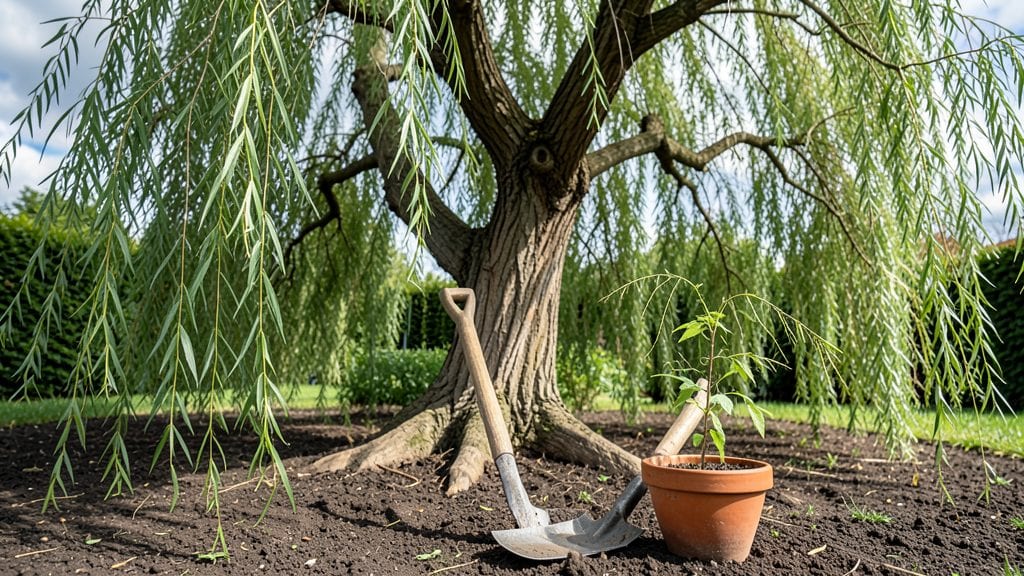
Growing a weeping willow tree means embracing both its fast growth and its dramatic presence—but only if you plan for its massive roots and towering branches first. 🌿 I planted mine in a sunny, open area with plenty of space, and within two years, it became the centerpiece of my backyard, though I had to install root barriers to protect my septic system.
The secret to success lies in the soil and site prep. Weeping willows thrive in moist, well-draining soil near water sources, but they’ll tolerate almost any soil type if it’s not waterlogged.
Choose a spot where the tree can spread its roots at least 30 feet from structures, and dig a hole twice as wide as the root ball. Mulch heavily to retain moisture and suppress weeds.
Once planted, expect rapid growth—up to 3-5 feet per year—but prioritize deep watering over frequent light watering. Prune in late winter to shape the weeping branches and remove deadwood, but avoid heavy pruning, which can stress the tree.
With the right care, you’ll have a stunning, shady focal point that outshines any other tree in your yard.
Just be warned: weeping willows aren’t for small yards or urban gardens. Their aggressive roots and sprawling branches need space to thrive, so assess your property before committing. If you have the room, though, this tree delivers unmatched drama and speed—just don’t expect patience from its roots!
📚 In This Guide
- What you need
- Instructions
- Tips and common mistakes
- Wrapping up and next steps
What you need
- ● Weeping willow tree: 1 young sapling (3–5 ft tall) or a healthy cutting (6–12 in long, with nodes)
- ● Pro tip: Choose a Salix babylonica or hybrid variety for classic weeping branches!
- ● Planting site: Full sun exposure (6+ hours/day)
- ● Well-draining soil (sandy loam ideal; amend clay with compost)
- ● Space! Minimum 20–30 ft diameter (roots spread aggressively!)
- ○ Soil amendments (optional but helpful): 5–10 lbs compost or aged manure per planting hole
- ● 1 cup slow-release fertilizer (10-10-10 NPK ratio)
- ● Digging tools: 1 shovel (for digging the planting hole)
- ● 1 trowel (for root adjustments)
- ● Watering supplies: Garden hose with adjustable nozzle OR watering can (5+ gallons capacity)
- ● Mulch (2–3 inches of wood chips or straw)
- ○ Support (optional but recommended): 3–4 stakes (2–3 ft tall) + tree ties (to secure young trees)
- ● Pruning tools: 1 pair bypass pruners (for shaping)
- ● 1 pruning saw (for thicker branches)
- ● Local regulations: Check if weeping willows are allowed in your area (some regions ban them due to invasive roots!).
- ● Patience: Fast-growing roots mean 1–2 years for full canopy—plan ahead!
- ● Drainage check: Avoid low-lying areas where water pools (willows hate soggy feet!).
Step-by-Step instructions for growing a weeping willow tree
This elegant tree grows quickly but needs the right conditions to thrive—here's how to set it up for success.
🌱 Step 1: Choose the Perfect Planting Site with Ample Space
Weeping willows need at least 40 feet of horizontal clearance and 30 feet of vertical space to mature without crowding structures or power lines. I always scout the area first, marking a 15-foot radius around the planting spot to account for future root spread. The tree thrives in full sun to partial shade, but 6+ hours of direct sunlight yields the most dramatic weeping branches.
Soil should be moist but well-draining—these trees hate soggy roots but demand consistent water. If your yard has heavy clay, amend with 3-4 inches of compost mixed into the top 12 inches of soil. I test drainage by digging a 1-foot deep hole and filling it with water; if it drains in under 2 hours, the site is safe for planting.
🪴 Step 2: Plant at the Right Depth and Stake for Stability
Dig a hole twice as wide as the root ball but no deeper—weeping willows resent being buried too deeply, which can strangle the trunk. Gently loosen the roots if they're circling the root ball, then place the tree so the top of the root ball sits 1-2 inches below soil level. Backfill with native soil mixed with half compost to encourage root expansion.
Stake the tree only if needed—weeping willows grow 2-3 feet per year and develop strong roots quickly. If staking, use two 4-foot stakes placed 6 inches from the trunk and tie with soft tree ties (never wire, which cuts into bark). Water deeply after planting to settle the soil and remove stakes after 12 months to avoid girdling.
☀️ Step 3: Water Deeply and Mulch for Root Protection
Water once a week for the first year, delivering 10-15 gallons per watering to encourage deep root growth. You'll know it's enough when water drains 6-8 inches deep. During droughts, increase to every 3-4 days, but always check soil moisture—top 2 inches dry is the signal to water.
Apply 3 inches of mulch (wood chips or shredded bark) in a 3-foot diameter ring around the base, keeping mulch 6 inches away from the trunk to prevent rot. Replenish mulch annually—it breaks down fast and helps regulate soil temperature. Avoid grass or weeds within the mulch ring; they compete for water and nutrients.
✂️ Step 4: Prune Strategically to Encourage Graceful Growth
Prune weeping willows in late winter or early spring before new growth begins. Remove dead, diseased, or crossing branches first, then thin out 10-20% of the canopy to improve airflow. Never prune more than 25% of the tree in one season—this stresses the tree and reduces its fast growth.
Shape the tree by selectively trimming long, leggy branches to encourage a fuller weeping habit. Use clean, sharp pruners and make cuts just outside the branch collar. Seal larger cuts (over 1 inch in diameter) with pruning sealant to prevent disease entry. I avoid heavy pruning after mid-summer—new growth won't harden off before winter.
⏰ Step 5: Monitor for Pests and Adjust Care Seasonally
Check for aphids, scale, or willow borers every 2 weeks during growing season. Aphids cluster on new growth and excrete sticky honeydew—blast them off with a strong spray of water or treat with neem oil if infestations persist. Willow borers are rare but devastating; if you see sawdust-like frass near the trunk, contact a arborist immediately.
Adjust watering in fall and winter—these trees enter dormancy and need only occasional watering unless temperatures drop below 20°F. In Zone 6 or colder, wrap the trunk with tree guard to protect from sunscald. Fertilize lightly in early spring with a balanced 10-10-10 formula, but skip fertilizer in drought years—stressed trees need their energy for root growth, not foliage.
Tips & tricks for perfect weeping willow growth
Growing a weeping willow isn't just about planting—it's about setting up long-term success from day one. These insights will help you nurture a tree that grows with stunning grace and minimal stress.
Site Selection Secret: Beyond the 40-foot clearance mentioned in Step 1, pay special attention to wind patterns. Weeping willows thrive in sheltered locations where they won't be constantly battered by strong winds—this prevents branch breakage and maintains that elegant weeping shape. I always check the area's wind exposure for at least 24 hours before planting to make an informed decision.
Root Development Strategy: The 12-inch compost amendment in Step 1 isn't just about soil quality—it's about creating an ideal environment for those fast-growing roots. I recommend adding a handful of mycorrhizal fungi to the planting hole as well. These beneficial fungi form symbiotic relationships with tree roots, dramatically improving nutrient and water uptake. This helps your willow establish itself more quickly, especially in the first critical year.
Watering Wisdom: Those 10-15 gallons per watering in Step 3 might seem like a lot, but here's the thing: weeping willows develop deep taproots that need consistent moisture at depth. I use a soil moisture meter to verify when water has penetrated to 6-8 inches—this is the real indicator of proper hydration, not just surface moisture. In particularly hot climates, consider installing a drip irrigation system that delivers water slowly over several hours rather than all at once.
Pruning Precision: When shaping your tree in Step 4, focus on maintaining that natural weeping form by selectively removing only the most problematic branches. I've found that using a pair of bypass pruners (rather than anvil pruners) makes cleaner cuts that heal better. For larger branches over 1 inch in diameter, make your cuts just outside the branch collar but never flush against it—this preserves the tree's natural healing ability and prevents disease entry points.
Pro Tips for Grow A Weeping Willow Tree
- Growing a weeping willow isn't just about planting—it's about setting up long-term success from day one.
- Site Selection Secret: Beyond the 40-foot clearance mentioned in Step 1, pay special attention to wind patterns.
- Root Development Strategy: The 12-inch compost amendment in Step 1 isn't just about soil quality—it's about creating an ideal environment for those fast-growing roots.
Frequently asked questions
Got questions about growing a weeping willow?
You’re not alone! Here are answers to the most common concerns—from spacing to pests—so you can nurture this stunning tree with confidence.
How far apart should I plant weeping willow trees?
Give your weeping willow at least 20–30 feet of space from other trees, buildings, or structures. Their roots spread aggressively, and branches can grow up to 50 feet wide! Planting too close risks root competition, structural damage, or even foundation issues. If space is limited, consider a dwarf variety like Salix caprea ‘Pendula’.
How long does it take for a weeping willow to reach full height?
Weeping willows grow fast—up to 3–5 feet per year in ideal conditions! A mature tree can reach 30–50 feet tall in 10–15 years, though some varieties grow even taller. Patience pays off, but expect dramatic growth within a few seasons if planted in moist, fertile soil with full sun.
What pests or diseases should I watch for?
Weeping willows are generally hardy but can attract:
- Aphids: Look for sticky residue (honeydew) on leaves. Blasts of water or insecticidal soap help.
- Canker diseases: Dark, sunken spots on bark? Prune infected branches 12 inches below the damage and sterilize tools.
- Beavers: These trees are a favorite! Use root barriers or plant near water to deter them.
Prevent issues with proper pruning and avoiding overwatering.
Can I grow a weeping willow in a container?
While possible, it’s not ideal long-term. Weeping willows have massive root systems and need deep, wide containers (50+ gallons) with excellent drainage. They’re better suited for large ponds or water gardens where roots can spread freely. If container-grown, expect slower growth and more frequent repotting.
What’s a good alternative if I don’t have space for a full-sized willow?
Consider these low-maintenance, space-saving alternatives with similar grace:
- Salix caprea ‘Pendula’ (Dwarf Willow): Grows 10–15 feet tall.
- Fothergilla gardenii (Witch Alder): Compact, fragrant blooms, and fall color.
- Chamaecyparis lawsoniana ‘Pendula’ (Weeping Cypress): Evergreen with a soft, trailing habit.
- Betula pendula (Weeping Birch): Striking bark and moderate size.
All thrive in moist soil and add elegance without the willow’s high-maintenance roots.
Wrapping up and next steps
Growing a weeping willow tree is a rewarding journey that combines patience, care, and a touch of nature’s magic! 🌿 Whether you’re drawn to its dramatic branches or fast-spreading roots, this tree offers both beauty and practicality—just remember to plan for its space and water needs.
With the right soil, sunlight, and pruning know-how, you’ll soon enjoy a stunning centerpiece for your yard or garden.
Ready to watch your willow thrive? Start small: Choose your sapling, prep the soil, and plant with confidence. Then, let nature do the rest—while you relax under its shady, graceful canopy! 🌳✨