Size
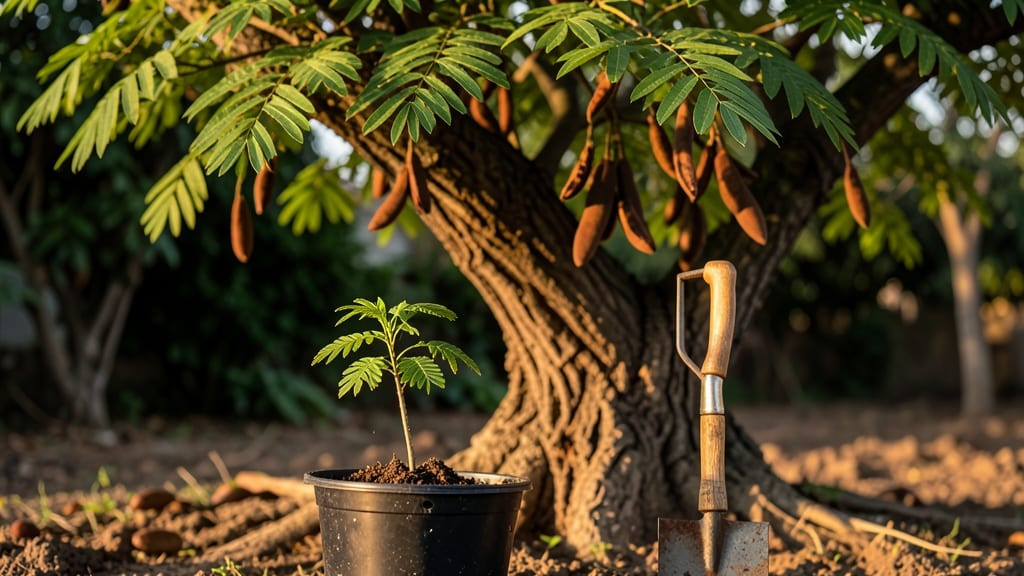
Growing a tamarind tree from seed feels like bringing a slice of tropical paradise to your yard. 🌿 The journey starts with a single seed that, with patience and the right conditions, becomes a tree known for its fragrant flowers and sweet-tart pods.
My first tamarind tree took two years to bear fruit, but that first harvest made every wait worthwhile.
You’ll need warm weather—tamarinds thrive in USDA zones 10-11 but can survive in cooler climates if brought indoors during winter. A well-draining soil mix (equal parts sand, loam, and compost) is key, and a sunny spot with at least 6 hours of direct light daily ensures strong growth.
Containers work too, though the tree will outgrow a 5-gallon pot within a few years.
By year three, you’ll start seeing clusters of fragrant yellow flowers that eventually turn into those iconic brown pods. The pods take 6-8 months to ripen, and once they do, you’ll have a harvest that’s perfect for curries, drinks, or fresh eating.
The tree itself grows 30-50 feet tall in ideal conditions, so plan for space—or keep it pruned as a small ornamental.
Here’s the thing—tamarinds are tough once established, but seedlings need consistent moisture and protection from frost. If you live outside the tropics, start seeds indoors in spring and transplant after the last frost. The reward? A tree that keeps giving for decades, with minimal care once it’s settled in.
📚 In This Guide
- What you need
- Instructions
- Tips and common mistakes
- Wrapping up and next steps
What you need
- ● Tamarind seeds: 1–3 fresh, plump seeds (harvested from ripe tamarind pods). Pro tip: 💡 Soak them in warm water for 24 hours to speed up germination!
- ● Well-draining potting mix: 1–2 gallons of a blend of 60% coconut coir or peat moss, 30% perlite or vermiculite, and 10% compost (for moisture retention and aeration).
- ○ Pot or container: A 6–8 inch diameter pot with drainage holes (or a seed tray for germination). Optional: A larger 10–12 inch pot for transplanting seedlings.
- ● Watering can or spray bottle: For gentle hydration (avoid overwatering!).
- ● Sunlight access: A south-facing window or a grow light (12–14 hours/day) for seedlings.
- ● Humidity dome or plastic wrap: To maintain moisture during germination.
- ○ Fertilizer (optional but helpful): 1–2 tbsp of balanced liquid fertilizer (10-10-10) for young seedlings (diluted to half-strength).
- ● Or organic compost tea for a natural boost.
- ● Pruning shears: For trimming dead leaves or shaping the tree as it grows.
- ● Gloves: To protect your hands from sap (tamarind sap can be sticky!).
- ○ pH testing kit (optional): To check soil acidity (ideal range: 5.5–7.0).
- ● Mulch: Wood chips or straw (1–2 inches) to retain soil moisture and regulate temperature.
- ● Support stake (for outdoor trees): A 3–4 foot bamboo or wooden stake to secure young trees in windy areas.
Step-by-Step instructions for growing a tamarind tree from seed
Here’s how I’ve grown healthy tamarind trees from seed—no fancy tools needed, just patience and the right approach.
🌱 Step 1: Extract and Prepare the Tamarind Seeds
Start by splitting open a ripe tamarind pod (the brown, papery outer shell) and scooping out the dark brown seeds inside. Rinse them under cool water to remove any sticky pulp. Tamarind seeds are hard and slow to germinate, so I soak them in warm water for 24-48 hours to soften the outer shell. This step is crucial—it mimics the natural rainfall that triggers germination in the wild.
After soaking, place the seeds in a damp paper towel and fold it over them. Store the towel in a sealed plastic bag for 3-5 days at room temperature. Check daily—when the seeds begin to sprout a tiny white root, they’re ready for planting. This pre-sprouting stage ensures stronger seedlings later.
🪴 Step 2: Plant the Seeds in a Well-Draining Mix
Fill a small pot (at least 4 inches deep) with a mix of 50% potting soil and 50% perlite or coarse sand—this prevents root rot, which tamarind seedlings hate. Tamarind trees thrive in slightly acidic to neutral soil, so avoid heavy clay mixes. Plant each seed 1 inch deep, spacing them 2 inches apart if using multiple seeds per pot.
Water lightly after planting, then place the pot in a warm spot (75-85°F) with bright, indirect light. A sunny windowsill or under a grow light works well. Tamarind seeds can take 2-4 weeks to germinate—don’t give up if nothing happens in the first week. I’ve seen some take up to 6 weeks, especially in cooler conditions.
☀️ Step 3: Provide Consistent Warmth and Light
Once sprouts appear, move the seedlings to a location with full sun (6+ hours daily)—tamarind trees are tropical and need warmth to thrive. If growing indoors, supplement with a grow light kept 6-12 inches above the plants. You’ll notice the seedlings stretch toward the light; if they grow leggy (long, thin stems), it’s a sign they need more brightness.
Water when the top inch of soil feels dry, but avoid soggy conditions. Tamarind trees are drought-tolerant once established, but seedlings need steady moisture. I use a spray bottle for gentle watering to prevent disturbing the delicate roots. Fertilize lightly with a balanced 10-10-10 mix every 2 months once the first true leaves appear.
✂️ Step 4: Transplant and Prune for Strong Growth
When seedlings reach 6-12 inches tall (usually after 6-12 months), transplant them into 1-gallon pots with fresh potting mix. Tamarind trees grow fast, so upgrade to larger containers (3-5 gallons) as they outgrow their pots. Prune leggy growth by pinching back the tips to encourage bushier growth—this mimics natural pruning from wind in tropical climates.
Outdoor tamarind trees can handle USDA Zones 10-11, but if you live in cooler areas, grow them in containers and bring them indoors during winter. Young trees benefit from a light winter pruning to remove dead or weak branches. With patience, your tamarind tree can reach 20-30 feet tall, but dwarf varieties stay manageable at 10-15 feet.
🍈 Step 5: Harvest and Care for Long-Term Fruit Production
Tamarind trees take 3-5 years to bear fruit, but the wait is worth it. Pods ripen from green to brown and wrinkled—this is your cue to harvest. Twist the pods gently to remove them, then split them open to reveal the tangy pulp inside. Store unripe pods in a cool, dry place for up to 6 months, or use them fresh in cooking.
To encourage more fruit, feed your tree with a low-nitrogen fertilizer (like 5-10-10) in early spring. Tamarind trees are low-maintenance but reward consistent care. If leaves yellow, it’s often from overwatering—let the soil dry out between waterings. With the right conditions, your tree will produce pods year-round in warm climates.
Tips & tricks for growing a tamarind tree
These little-known tricks will help you turn those stubborn tamarind seeds into a thriving tropical tree.
Soaking Secret: Don't just soak those seeds for the minimum 24 hours—push it to the full 48 hours if you can. The longer soak mimics prolonged rainy seasons in their native habitat and dramatically improves germination rates. I've seen seeds that sprouted after 48 hours completely fail to germinate after just 24. Just make sure to change the water every 12 hours to prevent bacterial growth.
Germination Check: In Step 1, when checking for that tiny white root, look for it on the side of the seed rather than the bottom. Tamarind seeds often sprout from the side first, and missing this can make you think the seed isn't ready. Once you see that root, plant immediately—delaying by even a day can reduce your seedling's vigor.
Lighting Strategy: The 6+ hours of full sun in Step 3 is non-negotiable, but here's the trick: if you're using grow lights, position them on a timer for 12-14 hours daily. This mimics the long daylight hours tamarind trees experience in their tropical homes. I use LED grow lights on a 14-hour cycle, and my seedlings grow noticeably stronger than those with just natural daylight.
Transplant Timing: When your seedlings reach 6-12 inches in Step 4, don't rush the transplant. Wait until you see new growth after the last pruning—this shows the roots have established well. I've transplanted too early and lost seedlings to shock. Also, water thoroughly before transplanting to reduce stress on the roots during the move.
Pro Tips for Grow A Tamarind Tree
- These little-known tricks will help you turn those stubborn tamarind seeds into a thriving tropical tree.
- Soaking Secret: Don't just soak those seeds for the minimum 24 hours—push it to the full 48 hours if you can. The lon...
- Germination Check: In Step 1, when checking for that tiny white root, look for it on the side of the seed rather than...
Frequently asked questions
How long does it take for a tamarind tree to bear fruit?
A tamarind tree typically takes 3 to 5 years to produce its first fruit from seed, depending on growing conditions. If you’re planting a grafted sapling, you might see fruit in 2 to 3 years. Patience is key—think of it as a long-term tropical investment!
Can I grow a tamarind tree in a pot? What size container do I need?
Yes! Tamarind trees thrive in pots, especially in cooler climates. Use a large container (at least 15–20 gallons) with drainage holes and well-draining soil. Just remember: Repot every 2–3 years and move it outdoors in warm weather for optimal growth.
What pests or diseases should I watch for, and how do I treat them?
Common issues include aphids, mealybugs, and root rot. For pests, spray with neem oil or insecticidal soap. If roots look mushy or smell bad, trim affected areas and improve drainage. Regularly inspect leaves and soil moisture to catch problems early.
Do tamarind trees need a lot of water? How often should I water them?
Tamarind trees are drought-tolerant once established, but young plants need consistent moisture. Water deeply 1–2 times per week during dry spells, ensuring the soil stays slightly damp but not soggy. Reduce watering in winter or during rainy seasons.
Can I grow a tamarind tree indoors? What’s the best light setup?
While possible, tamarind trees thrive outdoors in full sun. Indoors, place them near a south-facing window or under grow lights (12+ hours/day). If you notice stunted growth or yellowing leaves, it’s a sign they need more light. A sunny patio or greenhouse is ideal!
Pro Tip:
If your tamarind tree isn’t flowering after a few years, it might need a dormant period (like a slight drop in temperature or reduced watering in winter). This can trigger blooming—nature’s way of saying, “Time to fruit!”
Wrapping up and next steps
Growing a tamarind tree from seed is a rewarding journey that blends patience with tropical charm! 🌱 With the right soil, sunlight, and care, you’ll soon enjoy the tangy-sweet fruit of your labor—or even share its gifts with others.
Whether you’re a seasoned gardener or a curious beginner, every step brings you closer to harvesting your own tamarind pods.
Ready to take the next step? Start small: plant a few seeds now and experiment with different growing conditions. Before you know it, your backyard could be buzzing with the vibrant energy of a thriving tamarind tree! 🌿✨