
Propagation
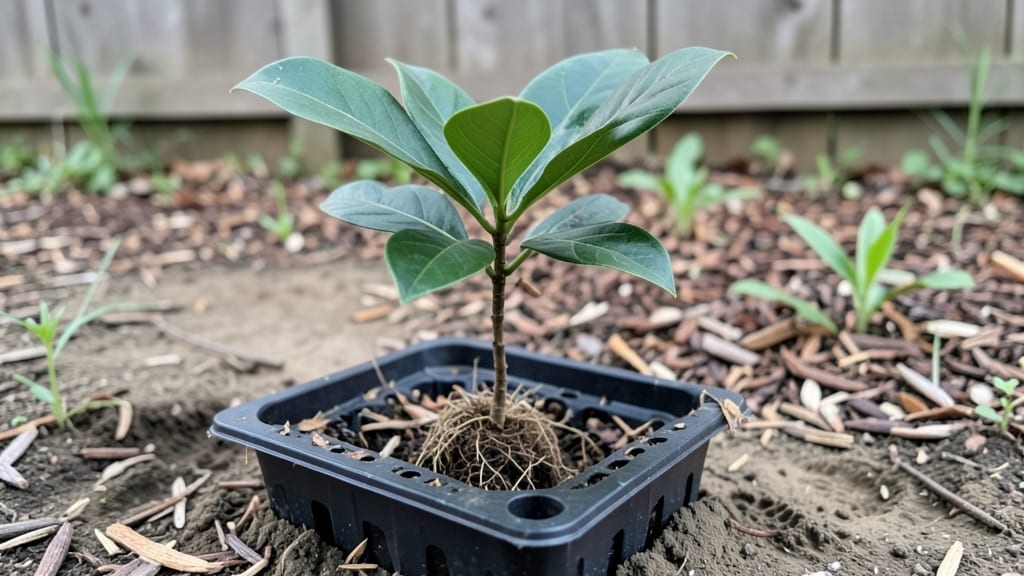
Growing a magnolia tree from seed means waiting for blooms that could make your neighbors green with envy—but the journey starts with a single seed and a cold fridge. 🌱 I’ve nurtured these slow-growers from scratch, and the secret to success lies in mimicking winter’s chill before spring’s warmth.
Most gardeners give up after six months, but those who stick with it are rewarded with trees that outlive them.
The trick begins with stratification: seeds need 90 days in damp peat moss at 35-40°F to break dormancy. After that, planting depth matters—just ½ inch deep in well-draining soil keeps them from rotting.
Light is tricky too: too much sun scorches tender seedlings, but too little stretches them into leggy shadows. I’ve learned the hard way that patience is the real fertilizer here.
By year three, you’ll see real progress: dark green leaves the size of your hand and a sturdy trunk. The first blooms won’t arrive for 7-10 years, but every season of growth brings you closer to those showstopping flowers.
Think of it as a living heirloom—one that’ll outlast your garden gloves.
Common pitfalls? Overwatering (seeds rot in soggy soil) and impatience (skipping stratification). But once you master these, you’re growing a tree that’ll be the centerpiece of your yard for decades. Ready to start?
📚 In This Guide
- What you need
- Instructions
- Tips and common mistakes
- Wrapping up and next steps
What you need
- ● Magnolia seeds: Fresh, viable seeds (harvested from ripe cones or purchased from a reputable source). Aim for 5–10 seeds to increase success rates.
- ● Sterilized seed-starting mix: A well-draining blend like 50% peat moss, 30% perlite, and 20% sand (or a pre-mixed seedling mix). Use 1–2 cups per seedling pot.
- ● Small seedling pots or trays: 2–4 inch diameter pots with drainage holes (or a seed tray with individual cells). 1 pot per seed is ideal.
- ● Plastic wrap or humidity dome: To maintain moisture and warmth during germination.
- ● Spray bottle with water: For gentle, even moisture application (avoid over-saturating).
- ● Grow lights or sunny windowsill: A south-facing window or LED grow light (12–16 hours/day) for seedlings.
- ○ Heat mat (optional but helpful): Keeps soil at 70–80°F (21–27°C) to speed up germination.
- ● Fertilizer (balanced, water-soluble): 5-10-5 or 10-10-10 NPK ratio, diluted to half-strength for young seedlings.
- ● Pruning shears or scissors: For transplanting or trimming (sterilize with rubbing alcohol).
- ● Patience and a green thumb! 🌿
- ● Seed stratification setup: A refrigerator (for cold stratification) or hot water bath (160°F/71°C for 5 mins) to break dormancy.
- ● pH testing kit: Ensure soil pH is 5.0–6.5 (magnolias prefer slightly acidic soil).
- ● Misting system: Automates humidity control for fuss-free care.
- ● Epsom salt (magnesium sulfate): 1 tsp per gallon of water monthly for nutrient boosts.
- ● Label markers: Track seed varieties and planting dates!
Step-by-step instructions for growing a magnolia tree from seed
Here's how to nurture a magnolia from seed—it takes time, but the blooms are worth every wait.
🌱 Step 1: Extract and Stratify the Seeds
Magnolia seeds need cold stratification to break dormancy. Start by removing the seeds from their cone-like pods—you’ll find 4 seeds per serving in each pod. Place them in a paper towel and dampen it with room-temperature water until just moist (not soggy). Fold the towel to wrap the seeds loosely.
Store the wrapped seeds in a ziplock bag and refrigerate for 90-120 days. Check monthly—they should feel slightly firm but not dry. This cold treatment mimics winter and signals the seed it’s time to germinate. I like to label the bag with the date so I don’t forget.
💧 Step 2: Plant Stratified Seeds in Moist Soil
After stratification, fill a small pot (4-6 inches deep) with well-draining potting mix—magnolias hate soggy roots. Plant the seeds ½ inch deep, spacing them 2 inches apart if growing multiple. Gently press the soil around them to ensure good contact, but don’t pack it down.
Water lightly until the top ½ inch of soil feels damp (not wet). Place the pot in a warm, shaded spot (65-75°F) and cover it with a clear plastic dome or wrap to retain humidity. Germination can take 4-12 weeks, so patience is key. You’ll know it’s working when tiny green sprouts push through the soil.
☀️ Step 3: Provide Light and Gradually Acclimate Seedlings
Once seedlings emerge, remove the plastic cover and move them to bright, indirect light—direct sun can scorch tender leaves. After 4-6 weeks, when seedlings have 2-3 true leaves, transplant them into individual 6-inch pots with fresh potting mix. This prevents overcrowding and gives roots space to grow.
Hardening off begins at this stage. Place the pots outside in partial shade for 1-2 hours daily, gradually increasing exposure over 2 weeks. Watch for wilting or yellowing leaves—these are signs they’re not ready for full sun. Once they tolerate 6+ hours of indirect light, they’re ready for a permanent outdoor spot.
🪴 Step 4: Transplant to the Ground and Maintain
Choose a sunny to partially shaded location with well-draining soil—magnolias despise waterlogged roots. Dig a hole twice as wide as the root ball but no deeper. Gently remove the seedling, loosen any circling roots, and place it in the hole so the top of the root ball sits 1 inch below soil level. Backfill with soil and water deeply.
Mulch around the base with 2-3 inches of organic mulch (like pine straw) to retain moisture and regulate soil temperature. Water once a week during the first year, ensuring the soil stays consistently moist but not soggy. Avoid fertilizing—young magnolias thrive on patience and natural soil nutrients.
⏰ Step 5: Wait for Blooms (Yes, Really)
Here’s the hard truth: Magnolias grown from seed take 5-10 years to bloom, not 3. The "3 years" in the title refers to establishing strong roots and structure—blooms are a long-term reward. Prune only to remove dead or crossing branches in late winter or early spring, before new growth starts.
Resist the urge to rush growth. Over-fertilizing or pruning too aggressively stunts flowering. Instead, focus on consistent care: water during droughts, protect from harsh winds, and enjoy the journey. One day, you’ll wake up to fragrant, cup-shaped blooms—and every step before was worth it.
Tips & tricks for growing a magnolia tree from seed
Here's what nobody tells you about nurturing magnolia seeds—these tricks will help you avoid common pitfalls and set your seedlings up for success.
Stratification Success: Don't skip the monthly check during your 90-120 days of cold stratification. The seeds need to stay consistently moist but not soggy—think of a wrung-out sponge. If they dry out, they'll fail to germinate. I like to use a small plastic container with ventilation holes in the lid to keep humidity steady without overwatering.
Germination Timing: Those 4-12 weeks of germination can feel like forever, but don't rush it! The longer you wait, the stronger your seedlings will be. If you're not seeing sprouts after 12 weeks, gently check one seed by peeling back the paper towel—if it's still firm and white, it's not ready yet. Patience pays off with magnolias.
Light Management: When moving seedlings to bright indirect light in Step 3, start with morning sun only. The harsh afternoon sun can burn tender new leaves. I place mine near an east-facing window initially, then gradually move them to south-facing as they strengthen. Watch for leaves that look like they've been sunburned—this means they need more acclimation time.
Transplanting Wisdom: In Step 4, when transplanting to individual 6-inch pots, make sure to loosen the root ball gently before placing it in the hole. Circling roots can strangle the plant as it grows. I use my fingers to carefully separate the roots while keeping the root ball intact—this gives your magnolia a strong foundation for years of growth.
Pro Tips for Grow A Magnolia Tree From A Seed
- Here's what nobody tells you about nurturing magnolia seeds—these tricks will help you avoid common pitfalls and set your seedlings up for success.
- Stratification Success: Don't skip the monthly check during your 90-120 days of cold stratification.
- Germination Timing: Those 4-12 weeks of germination can feel like forever, but don't rush it!
Frequently asked questions
Growing magnolias from seed is rewarding but comes with questions! Here are answers to common concerns to help you succeed:
How long does it take for magnolia seeds to germinate?
Magnolia seeds can take anywhere from 3 months to 2 years to germinate—patience is key! Cold stratification (mimicking winter) speeds this up. If seeds don’t sprout within a year, check for moisture and warmth (60–70°F). Some varieties are slower than others, so don’t rush!
Can I grow a magnolia tree from a seed in a pot?
Yes! Start seeds in small pots with well-draining soil (like a 4-inch container). Once seedlings are 6–12 inches tall (after 1–2 years), transplant them to larger pots or the ground. Just ensure pots have drainage holes to prevent root rot.
Will my seed-grown magnolia bloom as fast as a nursery tree?
No—seedlings may take 5–10 years to bloom, while grafted nursery trees flower in 3–5 years. If you want faster blooms, consider layering or buying a young grafted tree. But seed-grown magnolias often have hardier, unique traits!
What should I do if my magnolia seedling leaves turn yellow?
Yellow leaves often signal overwatering, poor drainage, or pests. Check soil moisture (keep it evenly damp, not soggy) and inspect for aphids or fungus. Adjust care: water deeply but less often and ensure pots have drainage. A balanced fertilizer (like 10-10-10) can help too!
Are there easier ways to propagate magnolias?
If seeds feel too slow, try layering (bending a low branch to root) or air layering (wrapping a branch in moss). Grafting is another option but requires skill. For beginners, seed propagation is the most accessible—just manage expectations for growth time!
Wrapping up and next steps
Growing a magnolia tree from seed is a rewarding journey that blends patience with the joy of nurturing life from the smallest beginnings. While it may take years to see those stunning blooms, every step—from scarifying seeds to nurturing seedlings—teaches you the art of gardening. You’ve got this!
Now that you’re armed with knowledge, why not start your magnolia adventure today? Grab those seeds, prep your space, and let nature work its magic. Happy planting—and may your future magnolia become the star of your garden! 🌱✨