
Propagation
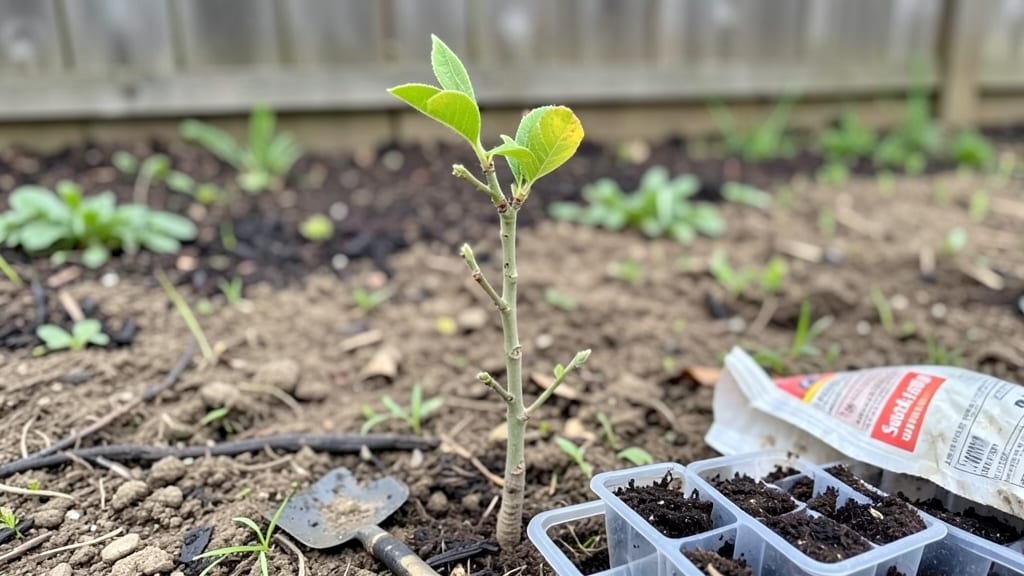
The best way to grow a peach tree from seed is to embrace the ultimate gardener’s patience test—because that tiny pit holds the potential for a 50-foot tree with fruit that might (or might not) taste like the grocery store variety. 🌱 I’ve tried it twice. and while the first attempt taught me humility, the second gave me a thriving seedling that’s now pushing toward its first blossoms.
The key isn’t rushing it; it’s understanding that nature’s timeline is slower than ours.
You’ll need a few simple supplies: a fresh peach (organic if possible), a small pot or seed tray, well-draining potting mix, and a sunny spot that gets at least 6 hours of light daily.
The real magic happens in the first few weeks—germination can take 3-6 months, and the seedling’s early growth is delicate. But once it breaks through the soil, you’ll watch it transform into a sturdy young tree with surprising speed.
The trick is consistency: water when the top inch of soil feels dry, and avoid overwatering, which is the #1 killer of young seedlings.
By year five, you might have a tree bearing fruit—but here’s the catch: it won’t be a carbon copy of the parent peach. Seed-grown trees often produce smaller, less predictable fruit, and the flavor can vary wildly.
That’s why serious fruit growers graft, but for the adventurous gardener, the reward is in the journey. Imagine training a tree that’s uniquely yours, with roots tied to a single pit you planted years ago. That’s the beauty of growing from seed.
The payoff comes in summer, when you’ll finally get to taste the fruit of your labor—literally. Even if the peaches aren’t perfect, the experience of nurturing a tree from something as simple as a seed is unmatched.
And who knows? You might just stumble upon a new favorite variety. Ready to start your long-term project?
📚 In This Guide
- What you need
- Instructions
- Tips and common mistakes
- Wrapping up and next steps
What you need
- ● Peach pit (seed): 1–2 fresh, plump pits from ripe, organic peaches (avoid store-bought if treated with fungicides).
- ● Potting soil: 1 bag (1–2 cubic feet) of well-draining, sterile potting mix (look for "seed-starting" or "cactus/succulent" blends).
- ● Small pots or containers: 2–4 (4–6 inches deep) with drainage holes (plastic or biodegradable options work).
- ● Spray bottle: 1 (for gentle watering).
- ● Plastic wrap or humidity dome: 1 (to retain moisture during germination).
- ● Grow lights or sunny windowsill: Access to indirect light (4–6 hours/day) or a 1–2 bulb LED grow light.
- ● Fertilizer: 1 small bag of balanced, water-soluble fertilizer (5-5-5 or 10-10-10 NPK ratio).
- ● Pruning shears: 1 pair (for transplanting or shaping later).
- ○ Garden twine or stakes: 1 roll (optional, for support as the tree grows).
- ● Seed stratification kit or refrigerator (to break dormancy if needed).
- ● Heating mat (for faster germination in cooler climates).
- ● pH testing kit (ideal soil pH: 6.0–7.0 for peaches).
- ● Compost or worm castings (for nutrient-rich soil).
- ● Pest control spray (neem oil or insecticidal soap for early signs of pests).
Step-by-step instructions for growing a peach tree from seed
Here’s how to turn a simple seed into a thriving peach tree—it’s a long game, but the payoff is worth every step.
🌱 Step 1: Harvest and Prepare the Seed
Start with a fresh, ripe peach from a tree you trust for quality fruit. Cut the peach in half and scoop out the pit, making sure it’s clean and free of fruit flesh. Rinse the pit under cool water to remove any remaining pulp, then let it dry completely for 24 hours. This prevents mold from forming during storage.
Once dry, place the pit in a paper towel and fold the towel around it. Store the wrapped pit in a resealable plastic bag and refrigerate for 8-12 weeks. This cold stratification mimics winter conditions, breaking the seed’s dormancy so it’ll germinate properly. I like to label the bag with the date—this ensures I don’t forget when the stratification period ends.
🌱 Step 2: Plant the Stratified Seed
After the cold treatment, fill a small pot (about 4 inches deep) with well-draining potting mix. Press the soil down lightly to create a firm surface, then make a ½-inch deep hole in the center. Place the seed flat-side down (not pointy-end down) into the hole—this is critical for proper germination.
Cover the seed with soil, leaving just a tiny bit exposed, and water gently until the soil feels moist but not soggy. Place the pot in a warm, sunny spot (around 70-75°F) where it’ll get indirect light. A seedling heat mat can help speed up germination if your home runs cooler. Within 2-4 weeks, you should see a tiny sprout pushing through the soil.
☀️ Step 3: Care for the Seedling
Once the seedling emerges, move it to a south-facing window or under a grow light for 12-14 hours of light daily. Peach trees need plenty of light to grow strong, so avoid letting it stretch toward the window—this is a sign it’s not getting enough. Water the seedling when the top inch of soil feels dry, but avoid overwatering, as peach trees dislike soggy roots.
When the seedling reaches 6-8 inches tall, transplant it into a larger pot (about 6-8 inches deep) with fresh potting mix. This gives it room to grow without becoming root-bound. Keep it indoors for another 6-8 weeks, gradually introducing it to outdoor conditions by placing it outside for 1-2 hours daily before bringing it back in at night.
🪴 Step 4: Plant Outdoors After Hardening Off
After the last frost date in your area, choose a sunny, sheltered spot in your yard with well-draining soil. Dig a hole twice as wide as the seedling’s root ball but only as deep as the root ball itself. Gently remove the seedling from its pot, loosen the roots if they’re circling, and place it in the hole so the top of the root ball sits just below soil level. Fill the hole with soil, pressing lightly to remove air pockets.
Water deeply after planting to settle the soil and encourage root growth. Mulch around the base with 2-3 inches of organic mulch to retain moisture and suppress weeds. Peach trees need full sun (6-8 hours daily) and regular watering during their first year, but avoid overwatering once established. In 4-5 years, with patience and care, you’ll have a tree ready to bear fruit!
Tips & tricks for growing a peach tree from seed
Here's what nobody tells you about nurturing a peach tree from a humble seed—these tricks will help you avoid common pitfalls and maximize your chances of success.
Seed Selection Matters: Not all peach pits are created equal! Choose pits from the juiciest, most flavorful peaches you can find, preferably from a local tree rather than store-bought fruit. The genetic quality of your starting seed makes all the difference in the long run. I've found that pits from heirloom varieties often produce more vigorous seedlings.
Stratification Precision: The 8-12 week cold treatment is non-negotiable, but here's the secret: place your labeled bag of seeds in the crisper drawer of your fridge where temperatures stay consistently around 35-40°F. This mimics natural winter conditions more effectively than the main fridge compartment. I also recommend checking your seeds every 2 weeks during stratification—if you see any mold, remove those seeds immediately to prevent contamination.
Germination Environment: That 70-75°F warm spot is crucial for germination, but don't overlook humidity. Cover the planted pot with clear plastic wrap or a humidity dome to create a mini greenhouse effect. This helps maintain moisture levels and speeds up germination. I've seen sprouts appear in just 10 days when using this technique, compared to the standard 2-4 week range. Just remember to remove the cover once you see the first signs of sprouting!
Lighting Strategy: When moving your seedling to 12-14 hours of daily light, consider using a combination of natural and artificial light. Place your seedling near a south-facing window during the day, then supplement with a simple LED grow light for 2-3 hours in the evening. This gives your young tree the consistent light it needs to develop strong stems. I've had great success with affordable clip-on grow lights that provide full-spectrum lighting.
Pro Tips for Best Way To Grow A Peach Tree From Seed
- Here's what nobody tells you about nurturing a peach tree from a humble seed—these tricks will help you avoid common pitfalls and maximize your chances of success.
- Seed Selection Matters: Not all peach pits are created equal!
- Stratification Precision: The 8-12 week cold treatment is non-negotiable, but here's the secret: place your labeled bag of seeds in the crisper drawer of your fridge where temperatures stay consistently around 35-40°F.
Frequently asked questions
Growing a peach tree from seed is rewarding but comes with questions—especially for beginners! Here are answers to the most common ones to help you navigate the process with confidence:
How long does it take for a peach seed to sprout?
A peach seed typically sprouts within 2–4 weeks after planting, provided it’s kept warm (around 70°F) and moist. Some seeds may take longer, especially if they’re fresh or stored improperly. Pro tip: Soak the seed overnight before planting to speed up germination!
Will my peach tree grown from seed produce fruit?
Yes, but it may take 5–7 years for a seed-grown peach tree to bear fruit—and the quality isn’t guaranteed. Seedlings often produce different fruit than the parent tree (e.g., size, flavor, or ripening time). For consistent fruit, consider grafting later or buying a grafted tree.
What’s the best time of year to plant peach seeds?
The ideal time is early spring (after the last frost) or late fall. Planting in spring gives seeds warmth and moisture to sprout quickly, while fall planting lets them stratify naturally over winter. Avoid planting in extreme heat or cold, as it can stress the seed.
Can I grow a peach tree from a store-bought peach?
Just clean, dry, and store the pit properly (see our Materials & Requirements section). Store-bought peaches are a great source—just pick a ripe, healthy fruit. Warning: Avoid seeds from hybrid or treated peaches, as they may not sprout well.
Why isn’t my peach seed sprouting? Troubleshooting tips.
If your seed isn’t sprouting, check these common issues:
- Dormancy: Peach seeds need stratification (cold treatment). Try refrigerating the seed in moist soil for 4–6 weeks before planting.
- Rot: Overwatering or poor drainage can cause mold. Plant in well-draining soil and use a small pot with drainage holes.
- Improper timing: Seeds may need warmth to break dormancy. Try a seedling heat mat or place the pot in a sunny windowsill.
If all else fails, the seed may be non-viable—try another!
Wrapping up and next steps
Growing a peach tree from seed is a rewarding journey that blends patience with the joy of nurturing life from scratch. While it may take 5 years or more to bear fruit, each step—from scarification to transplanting—builds your gardening confidence and connects you to nature’s rhythms. Celebrate the process!
Ready to take the next step? Once your seedling thrives, research grafting techniques or explore local peach varieties to ensure faster fruiting. Happy growing—your future harvest is worth every wait! 🌱✨