
Fertilization
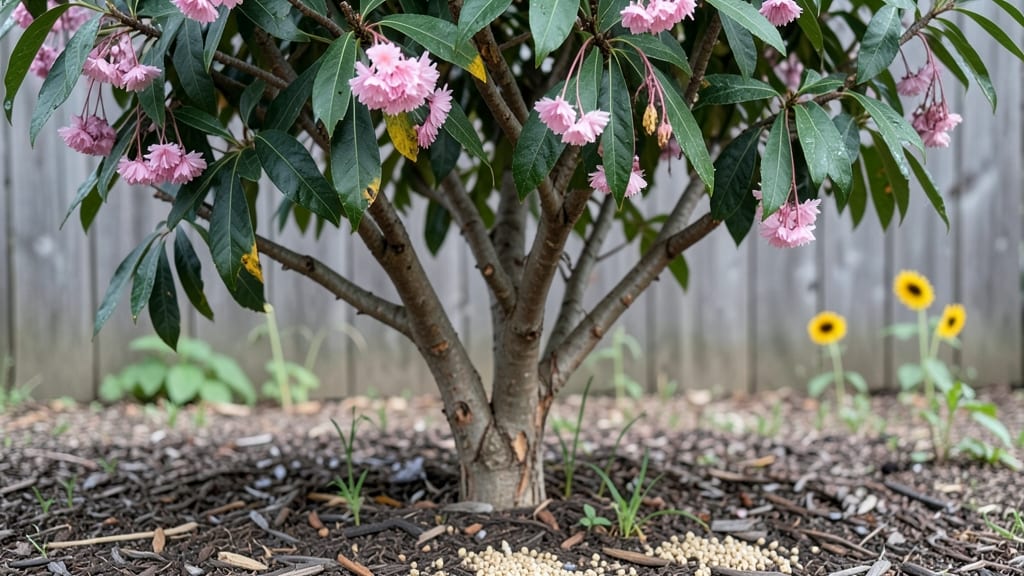
Fertilizing crape myrtles unlocks those showstopping summer blooms—but timing and type matter more than you’d think. 🌿 I’ve watched my own trees go from sparse purple puffs to dramatic, foot-wide clusters just by adjusting when and how I feed them.
The key isn’t just throwing fertilizer at the roots; it’s matching the tree’s natural growth cycle with the right nutrients.
Start with a soil test (or at least a quick pH check)—crape myrtles thrive in slightly acidic soil (6.0–7.0). If your soil’s compacted or lacking nutrients, a balanced 10-10-10 fertilizer in early spring jumpstarts growth, while a low-nitrogen, high-phosphorus formula (like 5-10-5) in late spring boosts bloom production.
Organic options like composted manure or bone meal work too, but they take longer to show results.
You’ll know you’re doing it right when new shoots emerge by late May, followed by buds forming by mid-June. Avoid fertilizing after July 4th—that’s when crape myrtles set next year’s blooms, and late-season feeding can delay flowering.
Over-fertilizing? Look for yellow leaves, stunted growth, or salt crust on the soil surface—both are red flags to dial it back.
Once you’ve got the rhythm down, it’s mostly about observation and consistency. Mulch around the base to retain moisture and nutrients, and water deeply after fertilizing to help the nutrients soak in. With this approach, your crape myrtles won’t just survive—they’ll become the star of your summer landscape.
📚 In This Guide
- What you need
- Instructions
- Tips and common mistakes
- Wrapping up and next steps
What you need
- ● Slow-release fertilizer: Choose a balanced, granular fertilizer (e.g., 10-10-10 or 12-12-12) specifically formulated for flowering shrubs or trees. Aim for ½ to 1 pound per inch of trunk diameter (e.g., a 2-inch trunk = 1–2 lbs).
- ○ Organic fertilizer (optional but recommended): Compost, well-rotted manure (e.g., cow or chicken), or a fish emulsion (for a nutrient boost). Apply 2–3 inches of compost around the base (avoid direct contact with the trunk).
- ● Handheld spreader or garden fork: For even distribution of granular fertilizer. A broadcast spreader works well for larger areas.
- ● Watering can or hose with a gentle spray nozzle: To hydrate the soil before and after fertilizing (aim for 1–1.5 gallons per application).
- ● Gloves and protective eyewear: To shield against dust or sharp granules.
- ○ Pruning shears (if needed): For trimming dead or overgrown branches before fertilizing (optional but helpful for absorption).
- ● Measuring tape or ruler: To determine the trunk diameter and calculate fertilizer amounts accurately.
- ● Garden hose with shut-off valve: For rinsing tools and cleaning up spills.
- ● Soil test kit: To check pH and nutrient levels before fertilizing (ideal pH for crape myrtles: 6.0–7.0).
- ● Mulch (pine straw or shredded bark): 2–3 inches around the base (keep 6 inches away from the trunk) to retain moisture and regulate soil temperature.
- ● Liquid fertilizer (e.g., seaweed extract): For a quick nutrient boost during the growing season (follow label instructions).
- ● Knee pads or a small stool: For comfort when working in the garden.
- ● Label or marker: To tag young trees with fertilizer dates and types for tracking.
Step-by-Step instructions for fertilizing crape myrtle trees
Here’s the proven seasonal approach I use to keep my crape myrtles blooming like crazy year after year.
🌱 Step 1: Apply Early Spring Fertilizer for New Growth
Start feeding in early spring, just as new leaves begin to emerge—usually 4-6 weeks before your last frost date. I use a balanced, slow-release fertilizer (10-10-10 or 12-12-12) because crape myrtles respond best to steady nutrient release rather than quick spikes. Spread the granules evenly over the root zone (the area under the tree’s canopy), extending 6-12 inches beyond the dripline. Avoid piling fertilizer against the trunk—this can burn roots.
Water the tree deeply after applying fertilizer to help it dissolve into the soil. You’ll know you’ve done it right when the soil feels damp 6 inches down—this ensures the nutrients reach the roots where they’re needed. Overwatering now can leach nutrients away, so let the soil dry slightly between waterings once growth starts.
☀️ Step 2: Mid-Season Boost for Blooming Season
When you see buds forming (typically late spring to early summer), switch to a phosphorus-heavy fertilizer (like 5-10-5 or 10-20-10). Phosphorus promotes flowering, which is exactly what you want for those vibrant blooms. Apply it the same way—spread evenly over the root zone and water thoroughly. This is also a great time to add 1-2 inches of organic mulch (like pine straw or wood chips) to retain moisture and regulate soil temperature.
Watch for yellowing leaves after this feeding—it’s often a sign of over-fertilizing. If this happens, flush the soil with extra water to leach out excess salts. Crape myrtles are tough, but they’ll thank you by putting all their energy into blooms instead of struggling with nutrient burn.
✂️ Step 3: Late Summer Maintenance for Winter Prep
Stop fertilizing 6-8 weeks before your first expected frost. This gives the tree time to harden off and store nutrients for winter. In late summer, I do a final check: if the leaves look pale or growth seems sluggish, a light application of nitrogen (like a half-strength balanced fertilizer) can help. But skip this if the tree looks healthy—overfeeding now can lead to tender new growth that won’t survive winter.
After fertilizing, monitor the soil moisture. Crape myrtles in containers or dry climates may need weekly deep waterings to keep the root zone moist but not soggy. You’ll know you’re on track when the tree’s leaves stay deep green and buds form consistently each season.
🪴 Step 4: Winter Care and Spring Readiness
In winter, avoid fertilizing entirely—crape myrtles are dormant and won’t use nutrients. Instead, focus on pruning dead wood and removing any remaining mulch from the trunk area to prevent rot. Come early spring, repeat Step 1 to kickstart new growth. Over time, you’ll notice your tree develops a thicker canopy and longer bloom season—that’s the payoff of seasonal feeding!
Real talk: If you miss a feeding season, don’t panic. Crape myrtles are forgiving. Just adjust next year’s schedule based on what you see—pale leaves mean more nitrogen, sparse blooms mean more phosphorus. Every tree has its own rhythm, and yours will tell you what it needs.
Tips & tricks for seasonal crape myrtle fertilizing
These practical tips will help you get the most out of your crape myrtle's feeding schedule while avoiding common pitfalls that can stress your tree.
Seasonal Timing is Everything: Pay close attention to your local frost dates when planning the 4-6 week window before spring feeding. I always check my local weather service for the average last frost date, then count backward. In warmer climates, you might start as early as February, while northern regions should wait until April. The key is to time it with new leaf emergence—this is when your tree is ready to use those nutrients for vigorous growth.
Fertilizer Application Technique: When spreading your balanced fertilizer in Step 1, use a spreader for even distribution and avoid piling granules near the trunk. I like to create concentric circles starting from the dripline and working outward to the 12-inch mark. For established trees, you might need 2-3 pounds of 10-10-10 fertilizer per inch of trunk diameter. Always water thoroughly after application to activate the granules and prevent salt burn.
Diagnosing Nutrient Needs: Your tree's leaves tell the story of its nutritional needs. Pale yellow leaves between veins indicate nitrogen deficiency, while dark green leaves with purple stems suggest phosphorus deficiency. For Step 2's phosphorus boost, I've found that a 10-20-10 fertilizer gives the best bloom response without overloading the tree. If you notice yellowing leaves after feeding, it's often a sign of over-fertilization—flush the soil with 2-3 times the normal water amount to leach out excess salts.
Organic Mulch Strategy: The 1-2 inches of organic mulch mentioned in Step 2 serves multiple purposes beyond moisture retention. I prefer pine straw because it's lightweight and allows good airflow while breaking down slowly. Apply it after your phosphorus feeding, keeping it 2-3 inches away from the trunk to prevent rot. This mulch layer helps regulate soil temperature and encourages beneficial microbial activity that crape myrtles love.
Pro Tips for Fertilize Crape Myrtle Trees
- These practical tips will help you get the most out of your crape myrtle's feeding schedule while avoiding common pitfalls that can stress your tree.
- Seasonal Timing is Everything: Pay close attention to your local frost dates when planning the 4-6 week window before spring feeding.
- Fertilizer Application Technique: When spreading your balanced fertilizer in Step 1, use a spreader for even distribution and avoid piling granules near the trunk.
Frequently asked questions
Got questions about keeping your crape myrtle thriving? Here are some of the most common ones—and their answers!
When is the best time to fertilize crape myrtles?
The ideal time is early spring (before buds swell) and late summer (after blooming). Avoid fertilizing in fall or winter, as new growth can’t harden off before cold weather. For slow-release options, apply once in spring and again in summer.
Can I use regular lawn fertilizer on my crape myrtle?
Not ideal! Lawn fertilizers are high in nitrogen, which promotes leafy growth over flowers. Instead, opt for a balanced, low-nitrogen fertilizer (like 10-10-10 or 12-4-8) or a specialized blooming plant fertilizer. Organic options like compost or fish emulsion also work well.
Why did my crape myrtle leaves turn yellow after fertilizing?
Yellowing leaves often signal over-fertilization or root burn. Flush the soil with water to dilute excess salts, then reduce fertilizer amounts by half. If the problem persists, test your soil’s pH (ideal range: 5.5–6.5) and adjust accordingly.
How often should I fertilize established crape myrtles?
For mature trees (3+ years old), fertilize 2–3 times per year:
- Early spring: Kickstart growth with a balanced fertilizer.
- Late summer: Boost blooms for next year.
- Optional: Light feeding in mid-summer if growth slows.
Is it okay to fertilize crape myrtles in containers?
Yes, but adjust the amount—container soil drains faster, so excess fertilizer can harm roots. Use a water-soluble fertilizer diluted to half-strength every 4–6 weeks during spring/summer. Repot every 2–3 years to refresh nutrient-depleted soil.
What’s the difference between synthetic and organic fertilizers for crape myrtles?
| Factor | Synthetic Fertilizers | Organic Fertilizers |
|---|---|---|
| Release Rate | Fast-acting; immediate results | Slow-release; builds soil health over time |
| Environmental Impact | Risk of runoff; may harm beneficial microbes | Improves soil structure; eco-friendly |
| Best For | Quick fixes or nutrient deficiencies | Long-term soil health and sustainable growth |
Pro tip: Mix both! Use synthetic for a spring boost, then switch to organic (like compost or worm castings) for ongoing soil enrichment.
Wrapping up and next steps
Fertilizing your crape myrtle trees doesn’t have to be complicated—just follow the seasonal rhythm of spring, summer, and fall to keep those stunning blooms thriving! 🌸 With the right balance of nutrients and timing, you’ll reward your tree with vibrant foliage and show-stopping flowers year after year.
Now that you’re armed with the know-how, take a moment to assess your tree’s needs and plan your next feeding session—your crape myrtle will thank you for it!
Next step: Grab your fertilizer, check the weather, and get ready to give your tree the love it deserves! 🌱