Size
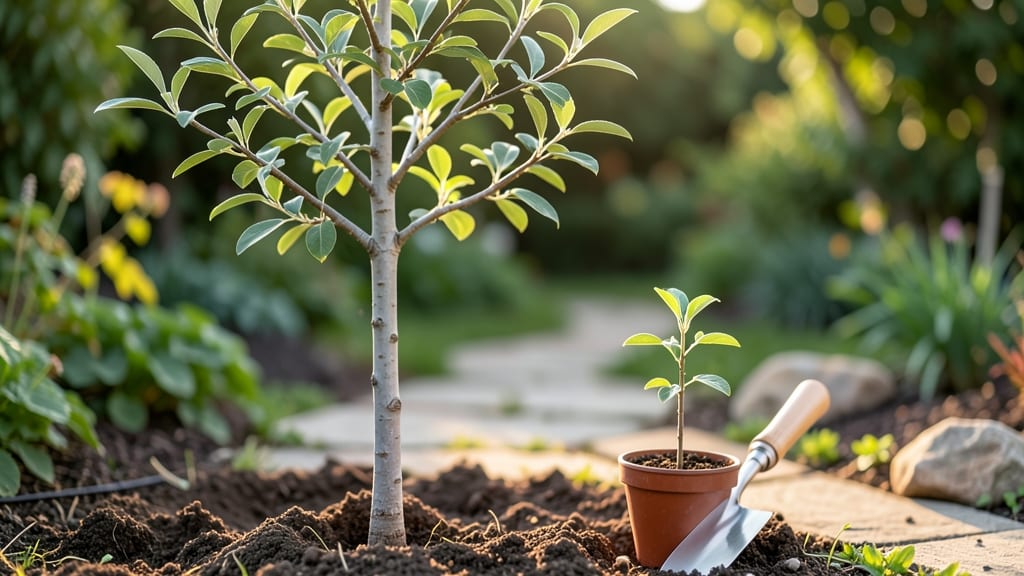
Growing an almond tree from scratch means decades of golden harvests if you nail the basics—and I’ve learned which ones matter most after years of trial and error. The secret isn’t just patience; it’s matching your tree to your climate, soil, and sunlight like a puzzle piece.
My first attempt with a non-hardy variety in zone 7 ended in frost damage, but the second? That tree now produces nuts reliably every spring.
You’ll need a self-pollinating variety (like ‘Nonpareil’ or ‘Butte’) for easiest success, well-draining soil with a pH of 6.5–7.5, and full sun—no shortcuts here. Container growing works too, but your pot must be at least 15 gallons deep to accommodate roots.
Watering’s the tricky part: deep soaks once a week in summer, never letting the soil dry out completely, but also avoiding soggy roots that invite rot.
By year three, you’ll see the first flowers—delicate pink blossoms that smell like spring—and by year five, actual nuts. The real magic happens in late winter pruning, when you shape the tree to open its center for sunlight and air flow.
Done right, a mature tree can yield 50+ pounds of nuts annually, though it takes 5–7 years before the first serious harvest.
Containers limit size but work for urban growers, while in-ground trees need space (15–20 feet apart). Cold climates? Choose cold-hardy varieties like ‘Peerless’ and protect young trees with frost cloth. The payoff? A tree that outlives you—and every nut you crack will taste like sunshine and hard work.
📚 In This Guide
- What you need
- Instructions
- Tips and common mistakes
- Wrapping up and next steps
What you need
- ● Almond tree sapling or grafted tree: 1 non-bearing (dwarf or semi-dwarf) almond tree (e.g., Nonpareil, Butte, or Carmel varieties).
- ● Check local climate zone compatibility (USDA Zones 5–9).
- ● Planting location: Full sun (6+ hours daily).
- ● Well-draining soil (sandy loam ideal).
- ● Space: 15–20 ft apart for standard trees, 10 ft for dwarf varieties.
- ● Soil amendments (if needed): Compost (5–10 lbs per planting hole).
- ● Lime (to adjust pH to 6.5–7.5, if soil is acidic).
- ● Tools: Shovel or trowel.
- ● Garden gloves.
- ● Watering can or hose (with gentle spray nozzle).
- ● Mulch (wood chips or straw, 2–3 inches).
- ● Tree stake and ties (for young saplings in windy areas).
- ● Drip irrigation system (for consistent moisture).
- ● Fertilizer (balanced 10-10-10 or almond-specific blend, applied in early spring).
- ● Pruning shears (for shaping and maintenance).
- ● Pest control (neem oil or horticultural oil for aphids/mites).
- ● Pollination aid (if growing self-incompatible varieties, consider a second tree or hand-pollination).
Step-by-Step guide to planting and caring for an almond tree
Here's how to nurture a thriving almond tree from start to harvest—perfect for home orchards.
Choose the Right Variety and Planting Location
Almond trees thrive in USDA hardiness zones 5-9, where winters are cold enough to break dormancy but not so harsh they damage the tree. Dwarf varieties like 'Nonpareil' or 'Butte' are ideal for home growers—they produce full-sized nuts on smaller trees. These varieties also pollinate well when planted together.
Select a sunny spot with at least 6-8 hours of direct sunlight daily and well-draining soil. Almond trees hate soggy roots, so avoid low-lying areas where water pools. If your soil is heavy clay, mix in 3-4 inches of compost to improve drainage before planting. I always test soil pH first—aim for 6.5-7.5, the sweet spot for almond trees.
Plant Your Almond Tree at the Right Time and Depth
Plant your tree in early spring, about 2-3 weeks before your last frost date. This gives roots time to establish before summer heat arrives. Dig a hole twice as wide as the root ball but no deeper—almond trees sit higher in the ground than many fruit trees to prevent waterlogging.
Gently remove the tree from its container and loosen any circling roots. Place it in the hole so the top of the root ball sits 1-2 inches above soil level. Backfill with native soil, tamping lightly to remove air pockets. Water deeply to settle the soil and create good root-to-earth contact. Mulch around the base with 2-3 inches of wood chips, keeping mulch 6 inches away from the trunk to prevent rot.
Water and Fertilize for Strong Early Growth
Water your almond tree deeply once a week during the first growing season, providing 10-15 gallons per tree. You'll know it's enough when water drains 6-8 inches deep into the soil. Overwatering is the biggest mistake—almond trees are drought-tolerant once established, but young trees need consistent moisture to develop strong roots.
Apply a balanced 10-10-10 fertilizer in early spring, following package rates for young trees. I also add 1 cup of Epsom salt around the base to boost magnesium, which helps with nut development. Avoid high-nitrogen fertilizers—they promote leafy growth at the expense of fruit production. Watch for yellowing leaves as a sign of over-fertilizing or nutrient imbalance.
Prune and Protect for Long-Term Health
Prune your almond tree in late winter or early spring before buds swell. Remove dead, diseased, or crossing branches first, then thin out crowded growth to improve airflow. Aim for an open-center shape that lets sunlight reach the center of the tree. Almond trees produce nuts on spurs, so avoid heavy pruning that removes too many branches—this reduces future harvests.
Protect young trees from late frosts by covering them with frost cloth if temperatures dip below 28°F. Mature trees handle cold well, but flowers are extremely frost-sensitive. I also recommend installing a tree wrap in early spring to prevent sunscald on young bark. Once the tree is established, focus on regular watering during drought and annual fertilization to maintain productivity.
Harvest and Maintain for Future Seasons
Almond trees typically bear fruit 3-5 years after planting, with peak production around 5-10 years old. Harvest nuts when the outer hull turns brown and splits open, usually in late summer to early fall. Shake the tree gently to loosen nuts, then collect them from the ground. Spread them out to dry in the sun for 2-3 days before storing in a cool, dry place.
After harvest, remove any mummified fruit (diseased nuts) from the tree to reduce next year's infection risk. Rake up fallen leaves and dispose of them to prevent pests. I also apply a copper fungicide spray in early spring as a preventative measure against leaf spot diseases. With proper care, your almond tree can produce lifelong harvests with minimal effort after the first few years.
Tips & tricks for perfect almond tree growth
Growing a thriving almond tree takes patience and attention to detail—here's how to maximize your success from the very first step.
Location and Soil Preparation: When selecting your planting spot, pay special attention to soil drainage in Step 1. Almond trees absolutely despise soggy roots, so if your soil is heavy clay, consider planting on a slight mound rather than just adding compost. I've seen trees planted in low spots completely fail due to root rot—don't make that mistake! Also, test that soil pH before planting. The 6.5-7.5 range is critical, and you can adjust with lime if needed.
Planting Depth Secret: That 1-2 inch elevation above soil level in Step 2 might seem small, but it's crucial for preventing waterlogging. I've watched many gardeners plant too deep, and those trees struggle for years. Use a level to check—your root flare should be clearly visible above the soil line after planting. This small detail prevents countless problems down the road.
Watering Wisdom: The once-weekly deep watering in Step 3 is perfect, but timing matters just as much as quantity. Water in the morning so the leaves have all day to dry, preventing fungal diseases. And when you see water pooling on the surface, that's your cue to stop—you want it draining 6-8 inches deep, not sitting at the surface. I've seen trees drown just because people kept adding water after the soil was saturated.
Pruning Precision: That open-center shape in Step 4 isn't just for looks—it's essential for proper air circulation and sunlight penetration. When pruning, focus on removing branches that cross or grow inward first. I always make my cuts just outside the branch collar where it meets the trunk. This technique promotes faster healing and stronger regrowth, which is especially important for almond trees that produce nuts on those spurs.
Pro Tips for How Do You Grow An Almond Tree
- Growing a thriving almond tree takes patience and attention to detail—here's how to maximize your success from the very first step.
- Location and Soil Preparation: When selecting your planting spot, pay special attention to soil drainage in Step 1.
- Planting Depth Secret: That 1-2 inch elevation above soil level in Step 2 might seem small, but it's crucial for preventing waterlogging.
Frequently asked questions
Got questions about growing your own almond tree? You’re not alone—growing from seed to harvest takes patience and know-how! Below, we’ve answered the most common questions to help you avoid pitfalls and grow with confidence.
How long does it take for an almond tree to bear fruit?
Almond trees are slow but steady—most grafted varieties take 3 to 5 years to produce nuts, while trees grown from seed can take 8 to 12 years. Patience pays off with a tree that can live (and bear fruit!) for decades.
Can I grow an almond tree from a store-bought almond?
Technically, yes—but it’s a gamble. Store-bought almonds are often hybridized for taste, not growth. For better results, buy a grafted sapling or seeds from a nursery. If you’re experimenting, soak the seed overnight and plant it in a pot with well-draining soil.
What’s the best climate for growing almond trees?
Almond trees thrive in USDA Zones 5-9, but they love warm, dry summers and mild winters. Avoid humid climates (like the Southeast) unless you’re willing to fight fungal diseases. If you live in a cooler zone, plant near a south-facing wall for extra warmth.
Why aren’t my almond tree leaves turning green?
Yellow or pale leaves often mean nutrient deficiency (like nitrogen or magnesium) or overwatering. Test your soil and adjust with compost or fertilizer. If leaves are crispy, it’s likely underwatering; if they’re mushy, you’re overdoing it.
Do almond trees need a pollinator?
Yes! Almond trees are self-pollinating but produce more nuts with a partner. Plant two trees of compatible varieties (like ‘Nonpareil’ and ‘Butte’) within 50 feet for cross-pollination. Bees do the heavy lifting—just make sure they have access!
How do I protect my almond tree from pests?
Watch for aphids, mites, and borers. Use neem oil or insecticidal soap for soft-bodied pests, and prune out damaged branches. For borers, apply beneficial nematodes or consult a local extension service. Prevention is key—keep your tree healthy!
Wrapping up and next steps
Growing an almond tree is a rewarding journey that combines patience, care, and a touch of nature’s magic! 🌱 From selecting the right variety to nurturing your tree through every stage, each step brings you closer to those delicious, nutrient-packed nuts.
With the right conditions—sunlight, soil, and a little love—your tree can thrive for decades, offering bountiful harvests year after year.
Ready to take the next step? Start by planting your sapling this season and watch your dream unfold. Whether you’re a beginner or a seasoned gardener, every almond tree begins with a single seed—or in this case, a single root! 🌟