
Pruning
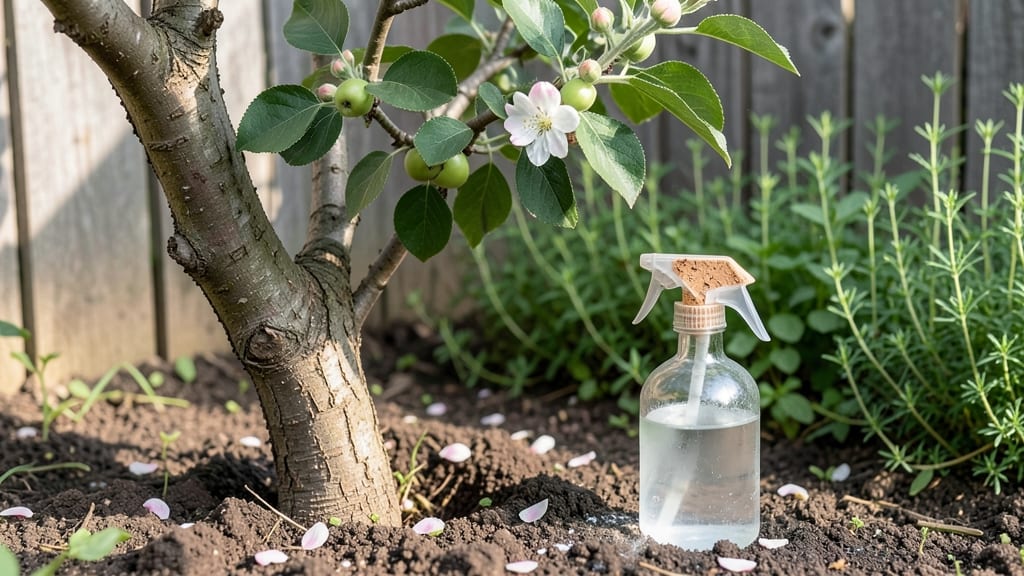
When aphids turn your apple tree leaves into sticky messes or powdery mildew clouds over your peaches, homemade fruit tree spray becomes your secret weapon. 🌿 I’ve saved countless harvests with simple kitchen ingredients—no fancy equipment, just targeted defense that keeps fruit safe to eat.
The key is timing: apply sprays at dawn or dusk when pests are active but before rain washes them away.
This recipe works for common problems like aphids, mites, and fungal spots. You’ll need neem oil, dish soap, garlic, and water—all mixed in a spray bottle. The soap breaks down pests’ protective layers, neem oil disrupts their life cycles, and garlic acts as a natural repellent.
Best of all, it’s safe for bees and beneficial insects if applied correctly.
Within 7-10 days, you’ll see fewer pests and healthier foliage. The spray prevents fruit rot and extends harvest season by keeping trees resilient. Just avoid spraying when flowers are open to protect pollinators, and always test a small branch first for sensitivity.
Perfect for organic orchards, backyard fruit trees, and even container-grown citrus. Once you master this, you’ll never reach for chemical sprays again—your trees (and your conscience) will thank you.
📚 In This Guide
- What you need
- Instructions
- Tips and common mistakes
- Wrapping up and next steps
What you need
- ● 1 gallon of water (distilled or dechlorinated if possible—chlorine can harm plants)
- ● 1 tbsp mild liquid soap (unscented, castile soap works great—no detergents!)
- ● 1 tbsp vegetable oil (light olive or canola oil smothers pests)
- ● 1 tbsp baking soda (helps balance pH and deter fungal issues)
- ○ 1 tsp neem oil (optional but powerful—learn more about its benefits!)
- ● Spray bottle or garden sprayer (1–2 gallon capacity, with a fine-mist nozzle)
- ● Mixing container (clean bucket or large bowl—never reuse for chemicals!)
- ● Wooden spoon or whisk (for stirring—no metal to avoid reactions)
- ● Gloves & safety goggles (basic protection—neem oil can irritate skin)
- ● Label & marker (to tag your spray—safety first!)
- ● 1 tsp garlic or onion extract (natural pest repellent)
- ● 1 tbsp apple cider vinegar (helps with fungal control)
- ● Essential oils (e.g., peppermint or rosemary—use sparingly!)
Step-by-step instructions for making homemade fruit tree spray
Here's how I make a simple, effective spray that keeps pests off fruit trees without harsh chemicals.
🌱 Step 1: Gather and Mix the Base Ingredients
Combine 1 quart of water with 1 tablespoon of mild liquid dish soap (like Castile soap) in a large spray bottle or bucket. The soap acts as a natural emulsifier, helping the solution stick to plant surfaces. I always use a dedicated spray bottle for gardening to avoid cross-contamination with household cleaners.
Add 1 tablespoon of vegetable oil to the mixture. The oil coats pests like aphids and mites, suffocating them while being harmless to plants. Stir gently to blend—no need for vigorous mixing, just enough to combine the ingredients evenly. This mixture is the backbone of the spray, and the oil is what makes it truly effective against soft-bodied insects.
💧 Step 2: Add Pest-Repelling Essential Oils
Pour in 10 drops of neem oil and 5 drops of peppermint essential oil. Neem oil disrupts the life cycle of pests, while peppermint oil acts as a natural repellent that many insects find overwhelming. I use a dropper to measure the oils precisely—too much can harm the tree, and too little won't work. Shake the bottle well to fully incorporate the oils into the mixture.
For extra potency, add 5 drops of garlic oil (or 1 crushed garlic clove blended into the water). Garlic contains natural compounds that deter pests and even help prevent fungal issues. If you notice small holes in leaves or sticky residue (signs of sap-sucking insects), this is the step to focus on—garlic and peppermint are your secret weapons here.
☀️ Step 3: Test and Apply the Spray
Before spraying the entire tree, test the mixture on a small, inconspicuous area of a leaf. Wait 15-30 minutes to ensure no adverse reactions occur—some trees or sensitive varieties might react to the oils. If the leaf looks fine after this time, your spray is ready to use. I always do this test because even natural sprays can sometimes irritate certain plants.
Shake the bottle again before each use, as the oils may separate. Spray the undersides of leaves first—this is where many pests hide. Apply the spray in the early morning or late afternoon when the sun isn't at its peak to avoid burning the leaves. Focus on areas where you've seen pests, like new growth or the undersides of leaves, and reapply every 7-10 days or after rain.
✂️ Step 4: Store and Reuse the Spray
Store any leftover spray in a cool, dark place for up to 1 week. I keep mine in a labeled spray bottle in the garage, away from direct sunlight. The oils can degrade in heat, so avoid leaving it in a hot car or near a window. If the mixture smells weak or loses potency, it's time to make a fresh batch—your trees will thank you for it.
For best results, use this spray preventatively during the growing season, especially before pests become a visible problem. I apply it every 2 weeks during peak pest season (late spring to early fall) to keep my fruit trees thriving without chemicals. The key is consistency—pests don't stand a chance when you're proactive!
Tips & tricks for perfect homemade fruit tree spray
Here's what nobody tells you about making this spray work even better—details that make the difference between a decent spray and one that actually keeps pests away.
Ingredient Quality Matters: Don't skimp on the soap—use a mild liquid dish soap specifically labeled for gardening if possible. Harsh soaps can damage plant leaves over time. For the vegetable oil, I've found that refined coconut oil works particularly well because it coats pests effectively without leaving residue. The oils are where most people cut corners, but using therapeutic-grade essential oils makes a noticeable difference in effectiveness.
Precision in Measurement: When measuring the essential oils, a dropper is your best friend. I've ruined batches by eyeballing the drops—too much can harm your trees, while too little won't work. For the 10 drops of neem oil and 5 drops each of peppermint and garlic oils, count them carefully. If you don't have a dropper, use a small syringe (1 mL = about 20 drops of essential oil). The ratio is crucial for balancing effectiveness and plant safety.
Timing Secret: The 15-30 minute test period in Step 3 is non-negotiable, especially for sensitive trees like citrus or avocado. If you see any signs of discoloration or wilting during this time, rinse the leaf immediately and don't use that batch. I've learned this the hard way—once I used a batch on my lemon tree without testing first, and it caused some leaf burn. Always test first, even if you've used this spray before.
Application Strategy: Focus your spraying on the undersides of leaves—that's where most pests hide and where they do the most damage. Use a gentle misting motion rather than a heavy spray to avoid oversaturating the leaves, which can lead to fungal issues. I also recommend applying this spray on a calm day when there's no wind—this prevents the spray from drifting onto non-target plants or your lawn.
Pro Tips for Homemade Fruit Tree Spray
- Here's what nobody tells you about making this spray work even better—details that make the difference between a decent spray and one that actually keeps pests away.
- Ingredient Quality Matters: Don't skimp on the soap—use a mild liquid dish soap specifically labeled for gardening if possible.
- Precision in Measurement: When measuring the essential oils, a dropper is your best friend.
Frequently asked questions
Got questions about keeping your fruit trees healthy and pest-free?
Here are answers to the most common ones—so you can spray with confidence and keep those trees thriving!
Can I use this spray on all types of fruit trees?
Most homemade fruit tree sprays are safe for common varieties like apple, peach, cherry, and citrus trees. However, avoid using strong vinegar or citrus-based sprays on citrus trees—the acidity can harm the fruit. Always spot-test a small area first, especially on delicate trees like figs or avocados. When in doubt, stick to mild options like neem oil or insecticidal soap.
How often should I apply homemade fruit tree spray?
For preventive care, apply every 7–14 days during peak pest seasons (spring through early fall). If you’re treating an active infestation, spray every 3–5 days until pests disappear. Early morning or late evening applications work best—this prevents sunburn on leaves and maximizes effectiveness. Consistency is key!
What’s a quick alternative if I don’t have all the ingredients?
No problem! Here are two no-fuss swaps:
- Garlic spray: Blend 2–3 garlic cloves with 1 quart of water, strain, and add a drop of dish soap. Repel pests like aphids and mites naturally.
- Chili pepper spray: Mix 2 tbsp cayenne pepper or crushed red peppers with 1 gallon of water and a teaspoon of soap. Great for soft-bodied insects—just avoid spraying on blooming trees.
Both are safe for edible fruit once fully dried!
Why aren’t pests disappearing after a few sprays?
Pests might be hiding on the undersides of leaves, in tree crevices, or protected by thick waxy coatings (like on scale insects). Try these fixes:
- Spray thoroughly, including the trunk and branches.
- Add horticultural oil (1 tsp per quart) to smother pests.
- For stubborn infestations, repeat applications and consider a beneficial insect release (like ladybugs or lacewings).
Patience pays off—some pests take 2–3 weeks to fully eradicate!
Do I need to reapply after rain?
Yes! Rain can wash away sprays within 24–48 hours. If heavy rain is forecast, apply your spray the night before or wait until conditions are dry. For extra protection, use a light horticultural oil (like refined neem oil) to create a longer-lasting barrier.
Wrapping up and next steps
Creating your own homemade fruit tree spray is a simple, cost-effective way to protect your garden naturally while keeping harmful chemicals off your produce. 🌿 With just a few household ingredients, you can safeguard your trees from pests and diseases—all while supporting a healthier ecosystem.
Whether you're a seasoned gardener or just starting out, this DIY solution proves that effective pest control doesn’t have to be complicated.
Now that you’re equipped with the know-how, why not take the next step? Try making a batch this weekend and observe the difference in your fruit trees.
Share your experience with fellow gardeners or experiment with variations—like adding essential oils—to tailor the spray to your specific needs. Happy gardening! 🌱