
Trees
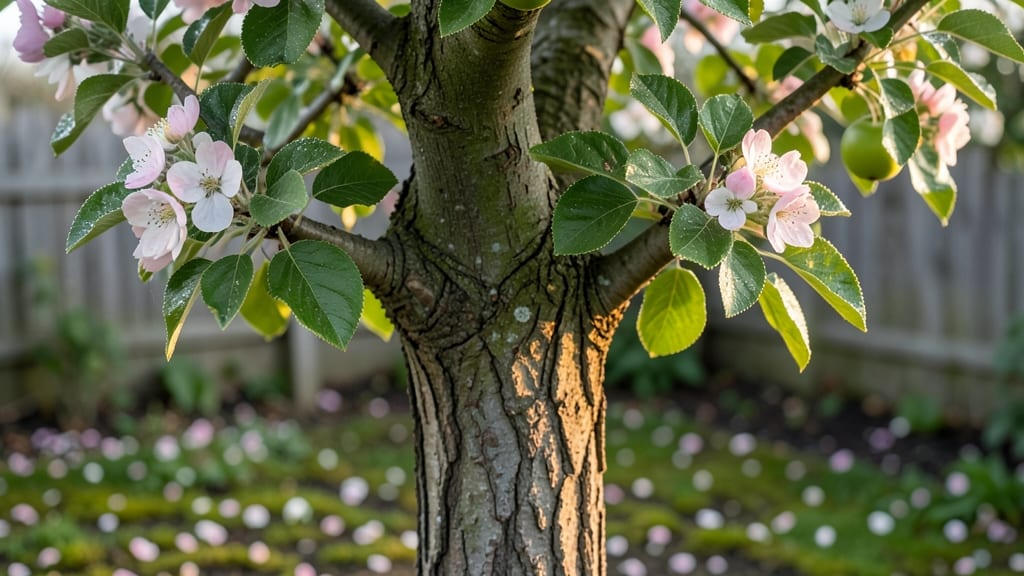
When Japanese beetles descend on your peach tree like a swarm of tiny locusts, homemade bug repellent isn’t just an option—it’s the game-changer your fruit trees deserve. 🌿 Last summer, my neighbor’s apple harvest was nearly wiped out before he tried this neem-and-chili spray, and now his trees are the envy of the block.
The best part? No harsh chemicals, no waiting for delivery, and no mystery ingredients.
This spray combines neem oil’s natural insect-repelling properties with capsaicin from peppers, creating a double-barrel defense that works on contact. You’ll need just five simple ingredients—all of which you can find at the grocery store or garden center—and about 15 minutes of prep time.
The spray is safe for plants (once fully dry), won’t harm pollinators when applied at dusk, and even deters deer from nibbling your young saplings.
What you’ll end up with is a shiny, pest-free canopy by midsummer, with fruit left untouched by aphids, codling moths, or beetles. The trees stay healthier, the harvest stays bountiful, and you skip the stinky commercial sprays that leave residue.
Plus, the cost? A fraction of store-bought alternatives—under $10 for a season’s worth of protection.
Works for apples, pears, cherries, and citrus—just adjust the pepper concentration based on your pests. Here’s how to mix it, when to spray, and what to watch for after application.
📚 In This Guide
- What you need
- Instructions
- Tips and common mistakes
- Wrapping up and next steps
What you need
- ● Neem oil – 1 tablespoon (pure, cold-pressed, and organic for best results)
- ● Cayenne pepper or crushed red pepper flakes – 1 teaspoon (adds a spicy kick bugs hate!)
- ● Dish soap (mild, unscented) – ½ teaspoon (helps the mixture stick to leaves)
- ● Water – 1 quart (32 oz) (filtered or distilled if possible)
- ● Spray bottle – 16-32 oz (with a fine mist nozzle for even coverage)
- ● Gloves – To protect your hands from cayenne pepper irritation.
- ● Fine mesh strainer – If you’re using whole spices or herbs for extra potency.
- ○ Garlic or citrus peels – Optional boosters (1-2 cloves or 1 tbsp dried peels for extra repellent power).
- ● Label & marker – To mark your spray bottle (e.g., "Bug Repellent – Do Not Drink!" 😉).
Step-by-Step instructions for making homemade fruit tree bug repellent
Here's the foolproof method I've used for years to keep pests off fruit trees organically.
🌱 Step 1: Gather and Mix the Active Ingredients
Combine 1 tablespoon neem oil with 1 teaspoon cayenne pepper in a quart-sized spray bottle. Neem oil disrupts insect life cycles while cayenne's capsaicin acts as a natural irritant that pests avoid. Add ½ cup water to create a workable spray concentration—this ratio treats 4 average-sized fruit trees effectively.
Shake vigorously for 30 seconds to fully emulsify the oils. The mixture should look cloudy, not separated. If you see oil pooling, add 1 teaspoon dish soap to help disperse it evenly. I like to mix this in the evening when temperatures are cooler—it prevents the cayenne from losing potency from heat exposure.
💧 Step 2: Add Carrier and Preservative Agents
Pour in ½ cup rubbing alcohol (70% or higher) to act as both a solvent and preservative. This prevents mold growth in your spray bottle and helps the mixture cling to tree surfaces. Add 1 teaspoon vegetable oil to improve adhesion—pests can't wipe off what they can't see.
Fill the bottle to the 1-quart mark with distilled water. Tap the bottle gently to settle any foam, then recap and shake again for 20 seconds. The final spray should have a faint peppery scent—if it smells overwhelming, you've overdone the cayenne. Store in a cool, dark place until ready to use.
☀️ Step 3: Apply at Peak Pest Activity Times
Spray in the early morning or late afternoon when temperatures are below 85°F—heat degrades the active ingredients. Focus on new growth areas, undersides of leaves, and fruit clusters, where pests hide. Apply until leaves glisten but don't run off—this ensures full coverage without waste.
Reapply every 7-10 days or after heavy rain. I mark my calendar with the last application date to avoid gaps in protection. For severe infestations, add a second application 3 days later. Always wear gloves and avoid spraying when bees are active—this repellent is safe for trees but can irritate beneficial pollinators.
✂️ Step 4: Maintain and Monitor for Effectiveness
Check trees 48 hours after application for lingering pests. You'll know it's working when you see fewer aphids, mites, or caterpillars on leaves. If pests return within a week, increase frequency to weekly applications during peak growing season.
Rotate with companion planting (like marigolds around tree bases) for long-term protection. I keep a spray bottle dedicated to this mix—never reuse it for other purposes. The cayenne residue can degrade plastic over time, so replace bottles annually even if they appear intact.
Tips & tricks for perfect homemade fruit tree bug repellent
These simple yet game-changing tips will help you get the most out of your homemade bug spray—keeping pests away while protecting your trees and pollinators.
Shaking Strategy: In Step 1, those 30 seconds of vigorous shaking are crucial for creating a proper emulsion. I like to use a timer on my phone to ensure consistency—under-shaking leads to oil separation, while over-shaking can create too much foam. If you see oil pooling after shaking, add that 1 teaspoon dish soap immediately to help disperse it evenly.
Temperature Timing: Mixing this repellent in the evening when temperatures are cooler preserves the cayenne's potency. Heat degrades capsaicin quickly, so avoid preparing it during the day if your kitchen gets warm. Store the completed spray in a cool, dark place—like a pantry or garage—to maintain effectiveness between uses.
Application Technique: When applying in Step 3, focus on undersides of leaves and new growth areas—these are prime hiding spots for pests. Use a gentle misting motion until leaves glisten but don't drip. For large trees, consider using a pump sprayer attachment if your bottle allows it—this ensures even coverage without wasting product.
Long-Term Storage: The 70% rubbing alcohol in Step 2 acts as a natural preservative, but for maximum shelf life, store your repellent in a dedicated spray bottle. Never reuse containers that previously held cleaning products or other chemicals—the cayenne residue can react with contaminants. Replace bottles annually to prevent plastic degradation from the cayenne.
Pro Tips for Homemade Bug Repellent For Fruit Trees
- These simple yet game-changing tips will help you get the most out of your homemade bug spray—keeping pests away while protecting your trees and pollinators.
- Shaking Strategy: In Step 1, those 30 seconds of vigorous shaking are crucial for creating a proper emulsion.
- Temperature Timing: Mixing this repellent in the evening when temperatures are cooler preserves the cayenne's potency.
Frequently asked questions
Got questions about keeping pests away from your fruit trees naturally?
You’re not alone! Here are some of the most common concerns—and straightforward answers—to help you feel confident using homemade bug repellent.
How often should I reapply homemade bug repellent to fruit trees?
For best results, reapply your homemade spray every 7 to 10 days or after heavy rain. If pests are particularly aggressive (like aphids or Japanese beetles), you may need to spray weekly until the harvest season ends. Always test a small branch first to check for sensitivity.
Can I use spicy pepper spray on edible fruit trees right before harvest?
No—wait at least 2 to 3 weeks before picking fruit after applying pepper-based sprays. The capsaicin in chili peppers can linger and may irritate sensitive skin or taste unpleasant. Neem oil is a safer choice closer to harvest, as it’s non-toxic once fully rinsed off (though it’s best to avoid direct contact with fruit).
Will homemade repellent harm beneficial insects like bees or ladybugs?
Yes, but you can minimize risks! Apply sprays early in the morning or late evening when bees are less active. Avoid targeting flowers directly, and opt for neem oil over pepper spray—it’s gentler on pollinators. If bees are a concern, skip pepper-based recipes entirely and stick to neem or garlic-based options.
What’s the best time of day to spray fruit trees for maximum effectiveness?
Spray when temperatures are below 85°F (29°C) and the sun isn’t at its peak—early morning or late afternoon work best. This prevents the spray from evaporating too quickly and reduces stress on the tree. Avoid spraying on hot, windy days, as it can damage leaves or wash off before pests get a chance to notice!
My homemade spray didn’t work—what should I try next?
If pests persist, consider these troubleshooting steps:
- Mix stronger ratios: Double the neem oil or chili pepper concentration (e.g., 2 tbsp neem per gallon).
- Add dish soap: A few drops of mild castile soap can help the spray stick better.
- Try a different recipe: Swap pepper spray for a garlic or citrus oil blend (both are effective against soft-bodied pests).
- Check for hidden infestations: Look under leaves or in bark crevices—sometimes pests hide where sprays don’t reach.
If all else fails, consider physical barriers like row covers for young trees or introducing predatory insects (like lacewings) for long-term control.
Wrapping up and next steps
Protecting your fruit trees from pests doesn’t have to mean harsh chemicals—simple, natural solutions like neem oil and spicy pepper spray can work wonders! 🌿 With just a few household ingredients, you’ve got an effective, eco-friendly way to keep bugs at bay while nurturing your trees. Ready to give it a try? Grab your supplies, follow the steps, and enjoy the satisfaction of a thriving, pest-free orchard!
🔹 Next step: Start small—test your spray on one tree first, observe the results, and adjust as needed. Happy gardening! 🌳✨