
Planting
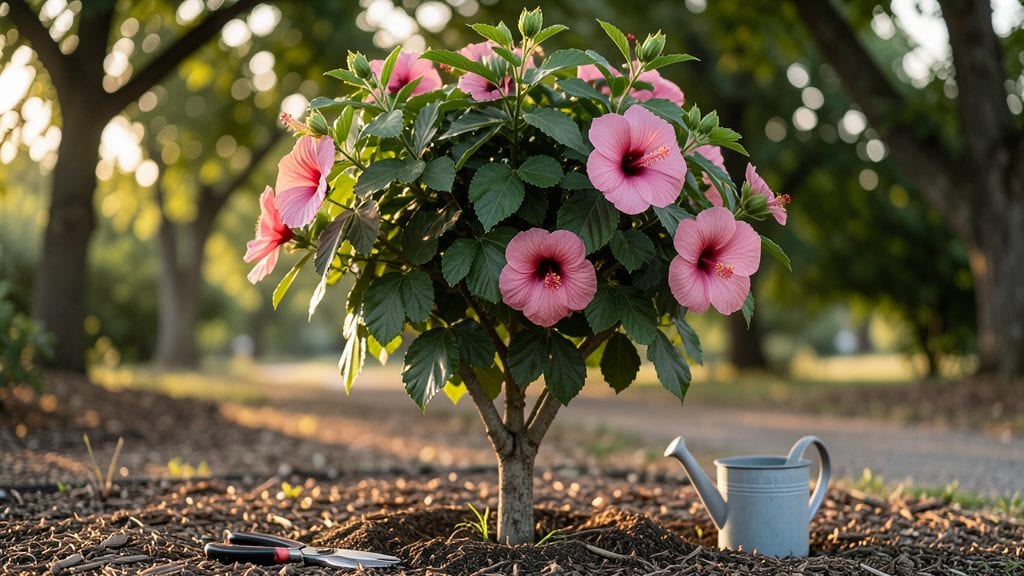
Mastering hibiscus tree plant care in the Pacific Northwest lets you grow these frost-resistant tropical beauties without endless fuss—here’s how I’ve kept mine thriving in zones 7–9 for years. needs—especially when it comes to winter protection and soil warmth.
The right conditions turn hibiscus into reliable, long-lived trees that bloom from summer through fall. You’ll need well-draining soil with a slightly acidic pH, morning sun to avoid afternoon burns, and a sheltered spot for winter.
Mulching heavily in fall and choosing cold-hardy varieties like ‘Dwarf Tropical’ makes all the difference—my tree has survived winters with 20°F dips without a hitch.
By following these steps, you’ll end up with a vibrant, healthy hibiscus that thrives in your climate. The blooms? Giant, show-stopping—nothing compares to the sight of a hibiscus in full color, even in cooler regions. Let’s get your tree growing strong.
This guide covers everything from planting depth to seasonal pruning, so you’ll know exactly when to act. Whether you’re a beginner or a seasoned gardener, these tips will help you keep your hibiscus looking its best year-round.
📚 In This Guide
- What you need
- Instructions
- Tips and common mistakes
- Wrapping up and next steps
What you need
- ○ Hibiscus Tree: Choose a hardy hibiscus (Hibiscus syriacus) or Hibiscus moscheutos (swamp hibiscus), which are more frost-tolerant. Optional: Start with a 1-2 gallon potted plant or a bare-root sapling for transplanting.
- ● Well-Draining Soil: 3-5 cubic yards of loamy, slightly acidic soil (pH 6.0-7.0). Mix in 20% compost or aged manure to improve fertility.
- ● Fertilizer: Balanced fertilizer (10-10-10 or 20-20-20) – 1 lb per 100 sq. ft. of planting area.
- ● Slow-release organic fertilizer (e.g., fish emulsion or bone meal) – 1-2 lbs per plant.
- ● Mulch: 3-4 inches of organic mulch (wood chips, straw, or pine bark) to insulate roots in winter.
- ● Watering Supplies: Garden hose with soaker hose attachment or drip irrigation system.
- ● Watering can (for potted hibiscus).
- ● Pruning Tools: Bypass pruners (for clean cuts).
- ● Loppers (for thicker branches).
- ● Sterilizing solution (rubbing alcohol or bleach) to prevent disease.
- ● Planting Supplies: Shovel or spading fork.
- ● Garden trowel (for smaller adjustments).
- ● Planting hole 2-3 times wider than the root ball.
- ● Frost Protection: Burlap wraps or frost cloth for young plants.
- ● String lights or heat lamp (for extreme cold snaps).
- ● Support Structures: Stakes or cages (if your hibiscus grows tall or leggy).
- ● Soil Amendments: Perlite or sand (to improve drainage in heavy clay soil).
- ● Epsom salt (1 tbsp per gallon of water) for magnesium boosts.
- ● Pest Control: Neem oil or insecticidal soap (for aphids or spider mites).
- ● Yellow sticky traps (to monitor for pests).
Step-by-step instructions for cultivating frost-resistant hibiscus trees
Here's the method I've refined over years of growing hibiscus in cooler climates—where winter survival and vibrant blooms are equally critical.
🌱 Step 1: Select the Right Variety for Your Climate
Not all hibiscus tolerate frost. For the Pacific Northwest, focus on hardy varieties like Hibiscus moscheutos (swamp hibiscus) or Hibiscus syriacus (rose of Sharon), which can survive down to 10°F with proper care. These varieties develop thicker stems and deeper root systems that insulate against cold snaps. Avoid tropical hibiscus species—they’ll crisp in temperatures below 32°F and require winter protection.
When purchasing, check the tag for cold hardiness ratings. I always choose 3-5 gallon container-grown plants in early spring, as they establish faster than bare-root stock. Plant them in well-draining soil—hibiscus roots rot easily in soggy conditions. Amend heavy clay soil with 2-3 inches of compost to improve aeration and nutrient retention.
☀️ Step 2: Position for Maximum Sunlight and Wind Protection
Hibiscus craves full sun—at least 6-8 hours daily—but in the Pacific Northwest, afternoon shade helps prevent leaf scorch during summer’s intense rays. I plant mine 10-15 feet from the house or fence to create a microclimate that traps heat and reduces wind exposure. Wind desiccates leaves and weakens stems, making plants more vulnerable to frost damage.
Dig a hole twice as wide as the root ball but no deeper. Loosen the roots slightly before placing the plant in the hole—this encourages outward growth rather than circling roots. Backfill with native soil mixed with 1 cup of bone meal (for phosphorus) and water deeply to eliminate air pockets. Mulch with 2-3 inches of wood chips, keeping the mulch 6 inches away from the trunk to prevent rot.
💧 Step 3: Water Deeply and Establish a Consistent Routine
Hibiscus has shallow but extensive roots, so watering must be deep and infrequent to encourage root growth. Water 1-2 times per week in spring and fall, increasing to 2-3 times per week during summer heat. The soil should dry out 2-3 inches deep between waterings—stick your finger in to check. Overwatering leads to root rot, while underwatering causes buds to drop before blooming.
I use drip irrigation or soaker hoses to deliver water slowly at the base, avoiding wetting the foliage (which promotes fungal diseases). Fertilize monthly during the growing season with a balanced 10-10-10 formula, reducing to every 6 weeks in late summer to avoid late-season growth that won’t harden off before frost. Stop fertilizing entirely by mid-September to allow stems to mature and store energy for winter.
✂️ Step 4: Prune Strategically for Winter Hardiness
Pruning hibiscus isn’t just about shaping—it’s about preparing for winter. In early spring, remove dead, diseased, or crossing branches to improve airflow. Then, in late winter (February), cut back one-third of the oldest stems to encourage new growth from the base. This rejuvenates the plant and reduces the risk of frost damage to old, woody stems.
Never prune in fall—new growth won’t harden before winter. I also avoid heavy pruning in years with early frosts, as regrowth takes energy the plant might need to survive. After pruning, apply a 2-inch layer of mulch around the base (but not touching the trunk) to insulate roots. This helps regulate soil temperature and retain moisture during dry spells.
⏰ Step 5: Protect Against Frost and Winter Stress
Even hardy hibiscus benefit from frost protection in the Pacific Northwest’s unpredictable winters. Before the first frost, wrap the trunk and largest stems with burlap or tree wrap to prevent sunscald and cracking. In areas with consistent sub-20°F temperatures, mound 6-8 inches of soil or mulch around the base for extra insulation.
If a frost warning arrives, cover the plant with frost cloth secured loosely at the base—hibiscus needs airflow to prevent rot. Remove the cover as soon as temperatures rise above freezing to avoid overheating. In late winter, watch for new growth as a sign the plant is breaking dormancy. Resume watering lightly in early spring (March) to encourage bud formation, but avoid heavy watering until soil warms.
Tips & tricks for perfectly frost-resistant hibiscus trees
Here's what I've learned from years of growing hibiscus in the Pacific Northwest—where winter survival can make or break your success.
Variety Selection Matters: The 10°F hardiness rating for swamp hibiscus and rose of Sharon isn't just a number—it's what lets them survive our winters. When shopping, look for plants labeled "hardy" or "cold-resistant" and avoid tropical species that can't handle below 32°F. I've seen tropical hibiscus crisp in our first frost, no matter how well you care for them. The thicker stems of hardy varieties are your best insurance against winter damage.
Microclimate Strategy: That 10-15 feet from the house isn't arbitrary—it creates a heat-trapping microclimate that can raise soil temperatures by 5-10°F during cold snaps. I've noticed my hibiscus in these protected spots bloom 2-3 weeks earlier than those planted in exposed areas. For extra protection, plant near south-facing walls where they'll get reflected heat during the day.
Watering Wisdom: The 2-3 inches deep soil check isn't just about moisture—it's your early warning system for root health. If you're digging down and finding soggy soil, you're overwatering. I've had to replant hibiscus twice because of root rot from too-frequent watering. Remember, hibiscus roots need oxygen, not a swamp. In summer, I water in the early morning to let foliage dry before evening, which dramatically reduces fungal diseases.
Pruning Precision: Cutting back one-third of the oldest stems in late winter isn't about aesthetics—it's about forcing energy into new, more frost-resistant growth. I've seen plants that were pruned too late in fall develop weak, tender shoots that didn't survive our first hard freeze. The key is timing: do it in February when the plant is just waking up but before new growth gets too tender.
Pro Tips for Hibiscus Tree Plant Care
- Here's what I've learned from years of growing hibiscus in the Pacific Northwest—where winter survival can make or break your success.
- Variety Selection Matters: The 10°F hardiness rating for swamp hibiscus and rose of Sharon isn't just a number—it's what lets them survive our winters.
- Microclimate Strategy: That 10-15 feet from the house isn't arbitrary—it creates a heat-trapping microclimate that can raise soil temperatures by 5-10°F during cold snaps.
Frequently asked questions
Got questions about keeping your hibiscus tree thriving in the Pacific Northwest? Here are some of the most common concerns—and how to tackle them like a pro!
Can hibiscus trees survive winter in the PNW?
Most hibiscus varieties (Hibiscus syriacus, aka rose of Sharon) are frost-resistant down to 10°F (-12°C), making them great for the PNW. However, young plants or tropical hibiscus (Hibiscus rosa-sinensis) need winter protection—mulch the base and wrap trunks in burlap. Prune dead branches in early spring!
How fast do hibiscus trees grow?
Hibiscus trees grow moderately fast—about 12–24 inches (30–60 cm) per year under ideal conditions. In the PNW’s cooler climate, growth may slow slightly, but consistent watering and well-draining soil keep them healthy. Patience pays off—they’ll reward you with vibrant blooms in just a few years!
Why are my hibiscus leaves turning yellow?
Yellow leaves usually signal overwatering or nutrient deficiencies. Check the soil—it should be moist but not soggy. Amend with compost or a balanced fertilizer (like 10-10-10) in early spring. Pro tip: Hibiscus hate "wet feet," so ensure proper drainage!
Can I grow hibiscus in a container?
Dwarf varieties like Hibiscus syriacus ‘Dwarf Blue’ thrive in 5-gallon+ containers. Use a fast-draining mix (like 60% potting soil + 30% perlite + 10% compost) and move pots indoors or to a garage before frost. Key: Containers dry out faster—water daily in summer!
Are hibiscus trees prone to pests?
Hibiscus can attract aphids, spider mites, or whiteflies, especially in dry conditions. Spray with neem oil or insecticidal soap for mild infestations. Encourage beneficial insects (like ladybugs) by planting companion flowers like marigolds. Prevention tip: Keep plants healthy—stress attracts pests!
When should I prune hibiscus for winter?
Prune after the first hard frost (late fall) to remove dead or weak branches. Wait until spring (March–April) for shaping—this gives you a clear view of the tree’s structure. Never prune in late summer, as new growth won’t harden off before winter!
Wrapping up and next steps
Caring for a frost-resistant hibiscus tree in the Pacific Northwest is all about patience, preparation, and passion—and you’ve got this! 🌿 By choosing the right variety, prepping your soil, and giving your plant the love it deserves (water, sunlight, and occasional pruning), you’ll soon be rewarded with stunning blooms that thrive even in cooler climates.
Remember, every gardener starts somewhere, so celebrate the small wins along the way!
Ready to watch your hibiscus flourish? Take the next step: Mark your calendar for your first pruning session in early spring or late winter—it’s the perfect time to shape your tree and encourage vibrant growth. Happy planting! 🌸