Pruning
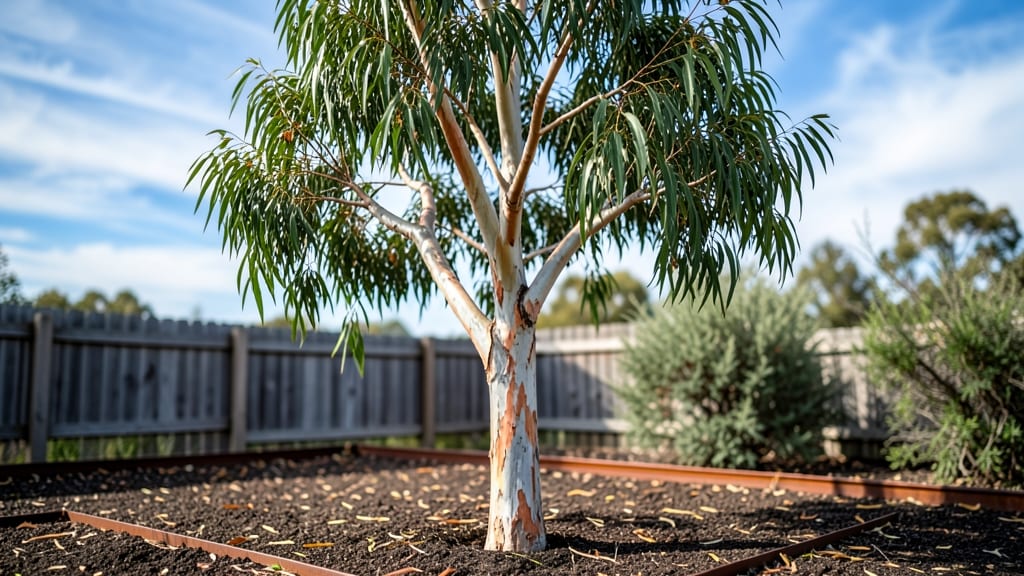
Your gum tree’s bark tells a story—peeling layers, rough ridges, even the occasional insect trail—all clues to its health. Pruning gum trees (Eucalyptus spp.) isn’t just about shaping; it’s about keeping that bark strong and your tree thriving.
The key is timing, technique, and knowing when to step back. I’ve pruned my own gum tree for years, and the difference between a well-maintained specimen and a stressed one is in the cuts.
You’ll need sharp pruners, a ladder (for taller trees), and a clear day to avoid spreading disease. Gum trees shed bark naturally, but aggressive pruning can expose fresh wood to pests like psyllids or borers.
Focus on removing dead branches first—those with dry, brittle bark—and then thin out crowded growth to improve airflow. The goal is healthy bark that stays intact, not stripped or scarred. Most pruning should happen in late winter or early spring, before new growth starts.
After pruning, your tree will reward you with fresh, vibrant foliage and a sturdy trunk. The bark should stay smooth where cuts are clean, with no blackened edges or oozing sap. If you see excessive peeling or holes, it’s a sign of stress—adjust your approach next time.
Gum trees are resilient, but they’ll grow even stronger with your guidance. Ready to give your tree the care it deserves?
This method works for all Eucalyptus varieties, from towering red gums to compact silver dollars. Whether you’re trimming a young sapling or maintaining a mature tree, the principles stay the same.
Start small, observe the bark’s response, and you’ll build a long-term relationship with a tree that’s both beautiful and hardy.
📚 In This Guide
- What you need
- Instructions
- Tips and common mistakes
- Wrapping up and next steps
What you need
- ● Pruning shears: Bypass pruners (for small branches, 1/4"–3/8" thick) or loppers (for branches up to 2" thick). ✨ Pro tip: Choose sharp, rust-resistant blades for clean cuts.
- ● Pruning saw: Curved-tooth saw (for branches 2"–4" thick). Look for aluminum or carbon steel for durability.
- ● Gloves: Heavy-duty, cut-resistant gloves (e.g., ANSI A3-rated) to protect hands from splinters and sap.
- ● Ladder: Extension ladder (24–32 ft) with non-slip feet, rated for 375 lbs capacity. 💡 Safety first: Always secure the ladder to the tree or a sturdy anchor.
- ● Disinfectant: 70% isopropyl alcohol or a 10% bleach solution to sterilize tools between cuts (prevents disease spread).
- ● Heavy-duty trash bags: 30–50 gallon bags for debris disposal (gum tree bark can be messy!).
- ● Safety gear: Safety glasses (ANSI Z87.1-rated)
- ● Ear protection (if using a chainsaw for large branches)
- ● Long sleeves/pants (to guard against sap burns and scratches)
- ● Chainsaw: For branches 4"+ thick (ensure it’s sharpened and well-maintained).
- ● Rope or harness: For high-risk pruning (e.g., overhanging power lines).
- ● Tree wound dressing: Pruning sealant (controversial but useful for large wounds >2" in diameter).
- ● Work boots: Steel-toe or composite-toe boots for stability on uneven ground.
- ● First-aid kit: Include antiseptic wipes, bandages, and tweezers for sap-related irritations.
Step-by-step guide to pruning gum trees for optimal health
Pruning gum trees properly keeps them strong, pest-resistant, and full of life.
Assess the Tree and Gather Tools
Start by examining your gum tree for dead, diseased, or crossing branches. Look for signs of pests like holes, sawdust-like frass, or sticky sap. Healthy gum trees have smooth bark, vibrant green leaves, and a sturdy structure. I always prune on a dry, sunny day—rain makes tools slippery and can spread fungal spores.
Gather sharp pruning shears for small branches, loppers for medium-sized limbs, and a pruning saw for thicker branches. Sterilize your tools with rubbing alcohol to prevent spreading disease. Wear gloves and safety goggles—gum tree sap can irritate skin, and branches may snap unexpectedly.
Remove Dead, Diseased, or Damaged Branches
Begin by cutting out any dead or diseased branches first. These are usually brown, brittle, or oozing sap. Make clean cuts at a 45-degree angle, about ¼ inch above a healthy bud or branch collar. Avoid leaving stubs—they invite rot and pests. For larger branches, cut in three stages: first undercut the branch, then make a top cut just outside the branch collar, and finally remove the remaining stub.
If you see signs of pest infestation, like holes or sawdust-like debris, remove those branches immediately and dispose of them in a sealed bag. Never leave infected wood on the ground—it can reinfect the tree. Gum trees are tough, but they’re not immune to stress, so don’t overdo it in one session.
Thin Out Crowded or Crossing Branches
Next, focus on thinning the canopy to improve airflow and sunlight penetration. Remove branches that are rubbing against each other or growing inward—they’ll eventually damage each other and create entry points for pests. Aim to keep the tree’s natural shape while opening up the center. You’ll want to maintain an open vase-like structure for gum trees, which encourages healthy growth and reduces disease risk.
When thinning, cut branches back to their point of origin or a healthy lateral branch. Avoid "heading back" (cutting back to a bud)—this can stimulate weak, dense growth. Step back occasionally to check your progress. A well-thinned gum tree should have sunlight reaching all the way to the trunk.
Shape and Maintain Structural Integrity
Now, refine the tree’s shape by pruning branches that disrupt its natural form. Gum trees grow quickly, so focus on removing water sprouts (fast-growing, vertical shoots) and suckers (shoots from the base). These compete with the main structure for nutrients. Cut them off at the base—don’t leave any stumps, as they’ll regrow.
For larger branches, make sure the remaining branch collar is intact—this is the swollen area where the branch meets the trunk. It heals naturally and prevents decay. If a branch is too large to cut safely, consider hiring a professional. Gum trees can be heavy, and improper cuts can cause long-term damage.
Clean Up and Monitor for Recovery
After pruning, rake up and dispose of all debris to keep the area clean. This prevents pests and diseases from taking hold. Water the tree deeply to help it recover, especially if you’ve made large cuts. Gum trees are drought-tolerant, but pruning stresses them, so a good drink afterward encourages new growth.
Monitor the tree over the next few weeks for signs of stress, like wilting leaves or oozing sap. If you see any issues, adjust your care routine—water more frequently if the weather is dry, or apply a fungicide if you notice signs of disease. With proper pruning, your gum tree will reward you with stronger growth and fewer pests for years to come.
Tips & tricks for pruning gum trees like a Pro
Here's what I've learned from years of pruning gum trees—these tricks will help you avoid common mistakes and keep your tree thriving.
Tool Preparation: Sterilizing tools between cuts is more important than you might think. I learned this the hard way after accidentally spreading fungal spores between branches. After each cut, wipe your tools with rubbing alcohol, especially when moving between different parts of the tree. This simple step prevents diseases from jumping from infected branches to healthy ones.
Cutting Technique: The three-step cutting method for larger branches in Step 2 is crucial. First, undercut the branch to control its fall, then make the top cut just outside the branch collar—never flush with the trunk. Finally, remove the remaining stub. This method prevents tearing the bark and ensures clean healing. I've seen too many pruning jobs ruined by improper cuts that leave ugly wounds.
Visual Pruning Cues: When thinning in Step 3, imagine sunlight streaming through the canopy. You want to see light reaching all the way to the trunk—this is your goal. Step back frequently and look at the tree from different angles. What looks balanced from one side might reveal awkward gaps from another. This open vase-like structure isn't just aesthetic; it dramatically reduces disease risk by improving airflow.
Recovery Monitoring: After pruning, watch for these three signs of stress: sudden wilting, excessive sap flow, or yellowing leaves. These are your tree's way of saying "slow down." If you see these, increase watering frequency and avoid any more major cuts for at least a month. Gum trees are resilient, but they need time to recover from significant pruning.
Pro Tips for Gum Tree Bark
- Here's what I've learned from years of pruning gum trees—these tricks will help you avoid common mistakes and keep your tree thriving.
- Tool Preparation: Sterilizing tools between cuts is more important than you might think.
- Cutting Technique: The three-step cutting method for larger branches in Step 2 is crucial.
Frequently asked questions
Got questions about pruning gum tree bark?
You’re not alone! Here are some of the most common queries—plus straightforward answers to keep your tree thriving.
When is the best time to prune gum trees?
The ideal time is late winter to early spring (before new growth starts) or summer after flowering. Avoid pruning during harsh winters or extreme heat. Gum trees bleed sap when cut in spring, so timing matters!
How do I know if I’m cutting the bark correctly?
Always make clean cuts just outside the branch collar (the swollen area where the branch meets the trunk). Never leave stubs—this invites disease. Use sharp tools for precise cuts, and angle them slightly away from the trunk to encourage smooth healing.
Will pruning gum tree bark help with pest problems?
Pruning removes dead or diseased bark that attracts pests like borers and psyllids. Thin out dense branches to improve airflow, reducing humidity (a pest magnet). Remove any visible infestations immediately to stop spread.
Can I use gum tree bark for mulch or compost?
Fresh gum tree bark is not ideal for compost—it’s tough and slow to break down. However, shredded or aged bark (1+ years old) makes great mulch. Avoid using it if your tree has pest/disease signs, as pathogens may linger.
What should I do if my gum tree bark starts peeling or cracking?
Peeling bark is usually normal, but deep cracks or oozing sap signal stress or disease. Prune away damaged sections, apply a wound sealant (if needed), and monitor for further issues. Overwatering or poor drainage often causes bark problems—check soil health too!
Wrapping up and next steps
Pruning gum tree bark isn’t just about aesthetics—it’s a game-changer for your tree’s health, growth, and pest resistance! 🌿 By mastering the right tools, timing, and techniques, you’ll encourage strong branches, reduce disease risks, and keep those pesky critters at bay.
Whether you’re a seasoned gardener or just starting out, every careful cut brings your gum tree one step closer to thriving.
Ready to roll up your sleeves? Start small—pick one branch or section to practice your skills, and soon, your gum tree will be the envy of the neighborhood!
For extra confidence, grab a pruning guidebook or consult a local arborist to refine your approach. Your tree (and future generations of gum trees!) will thank you.